Cart 0
Cart 0
 

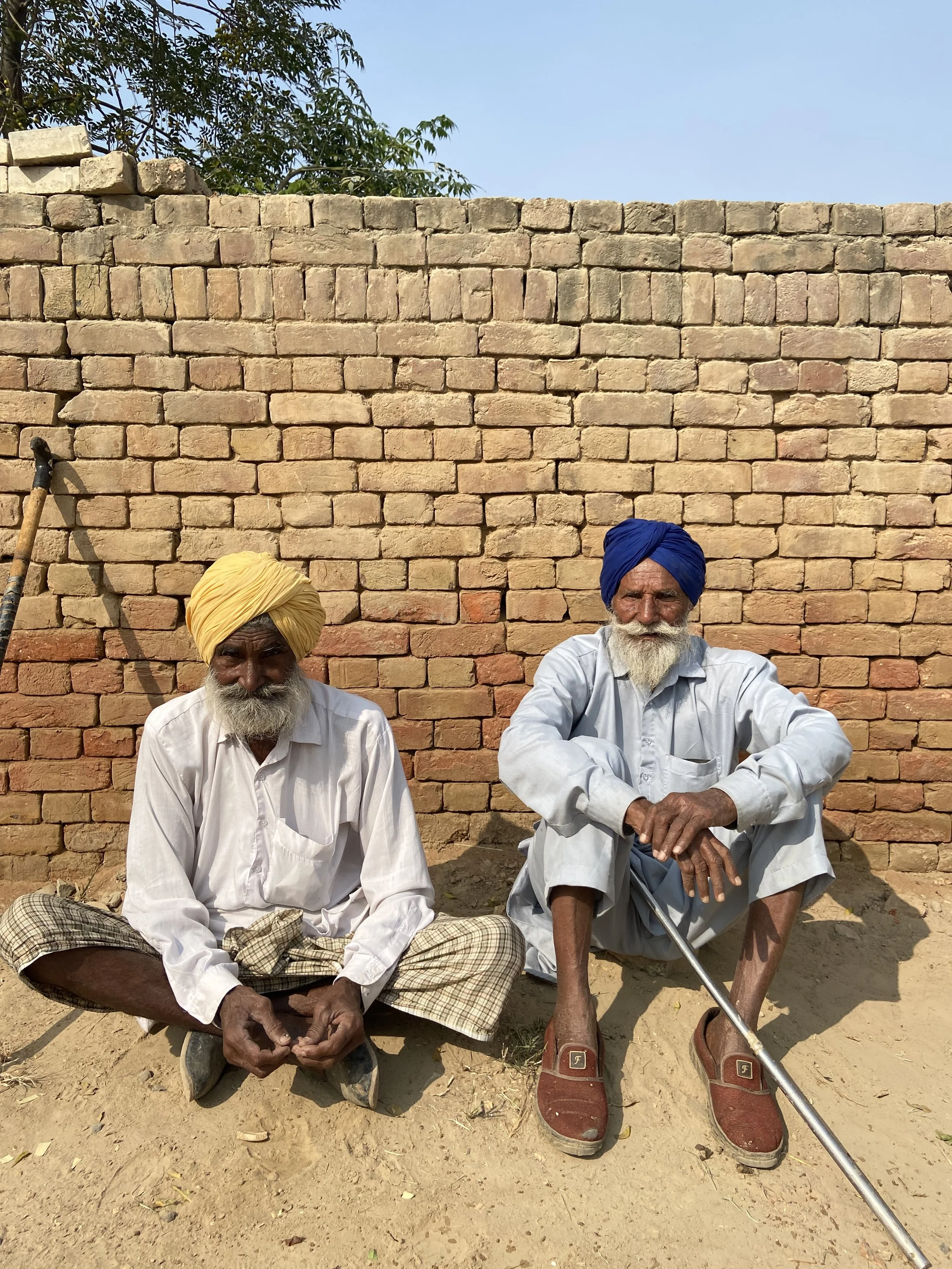
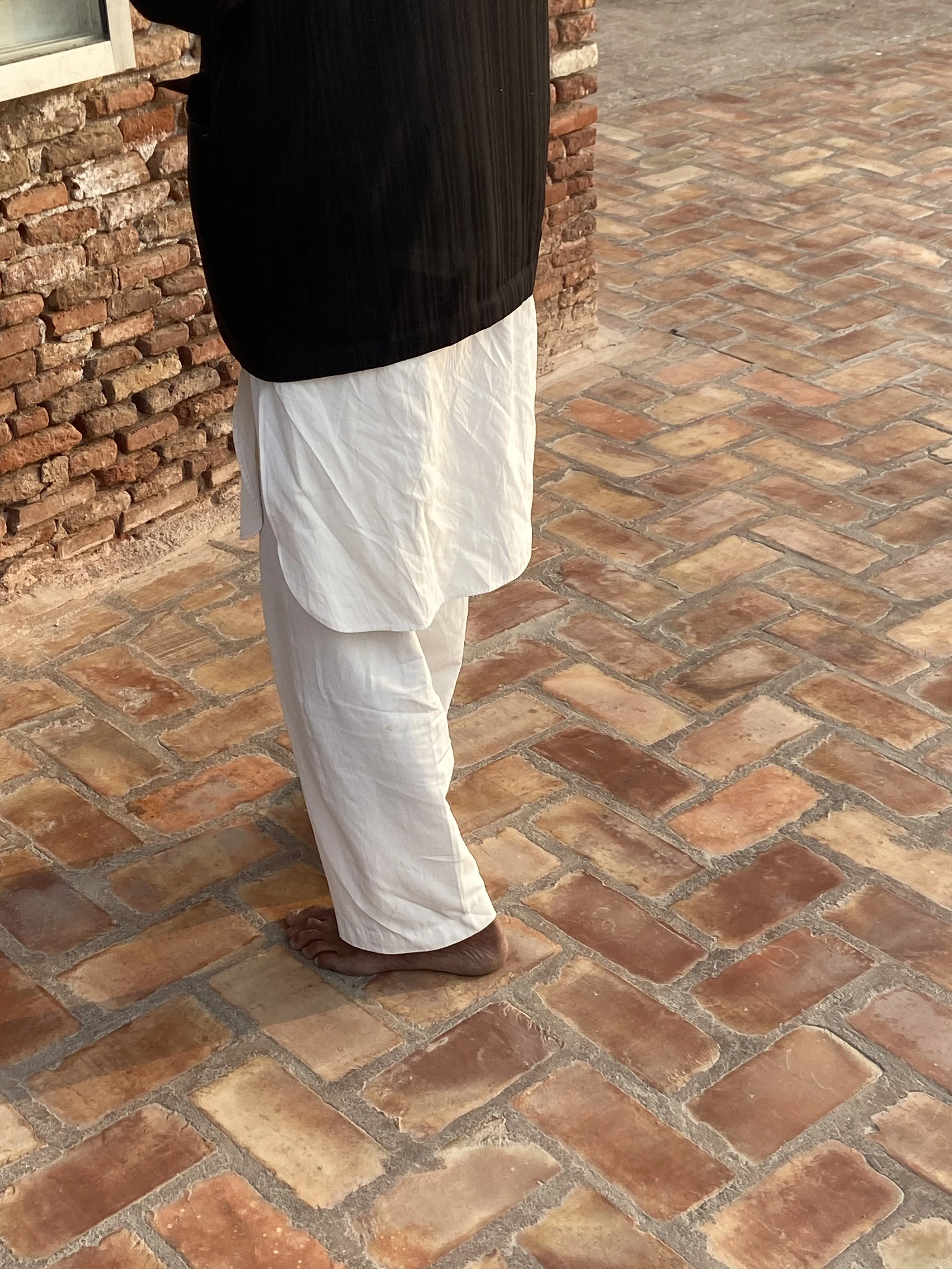
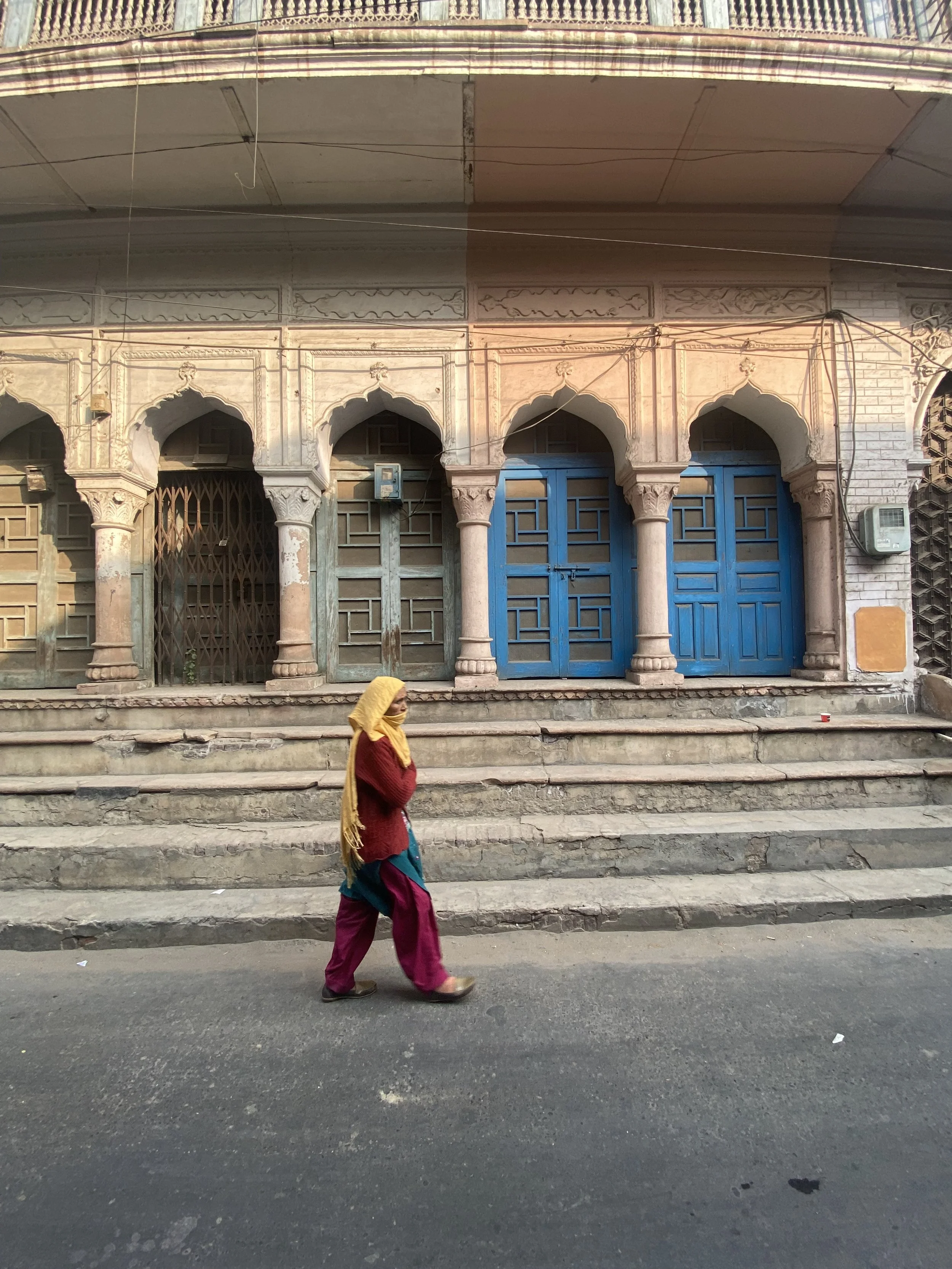
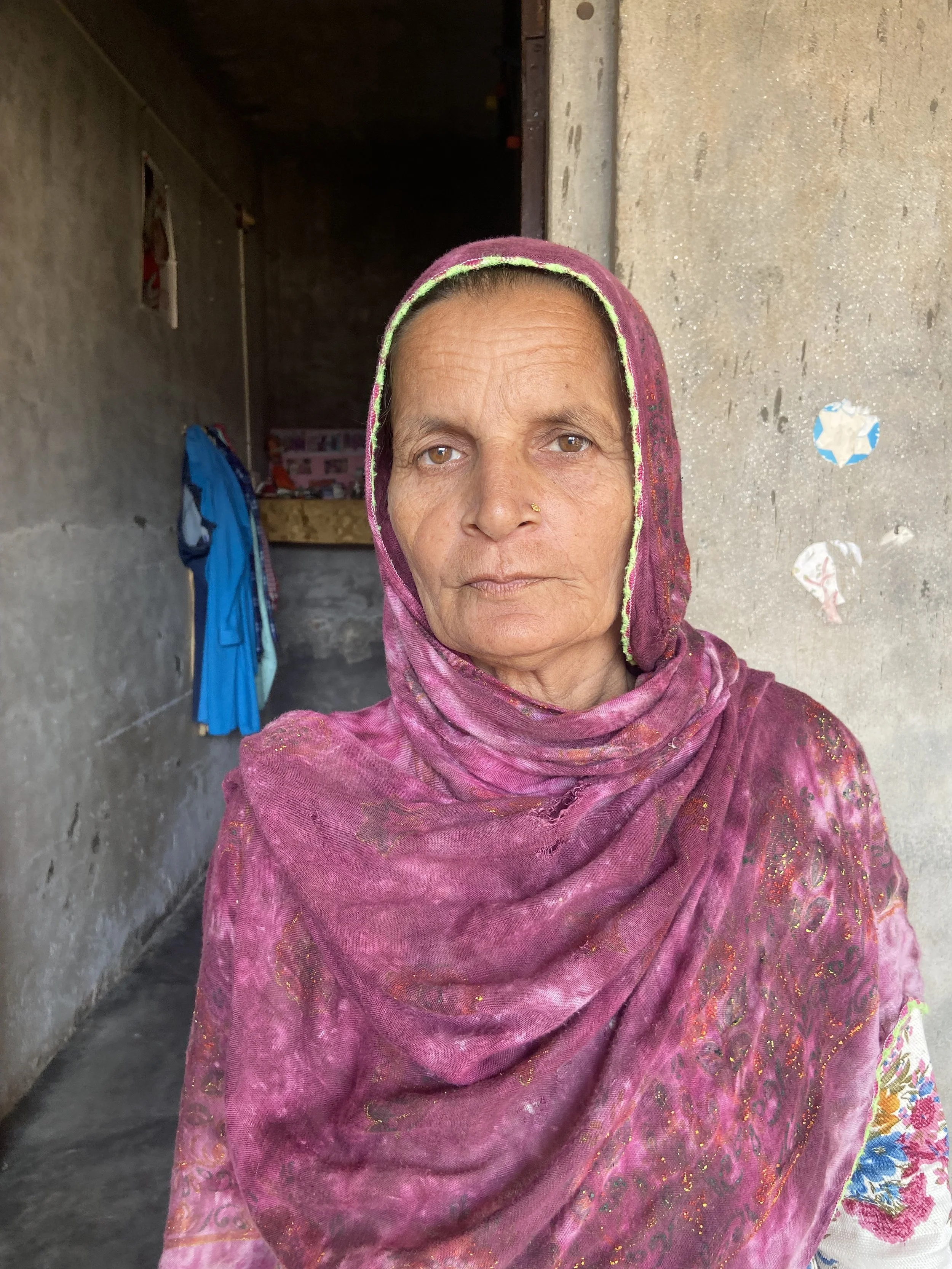
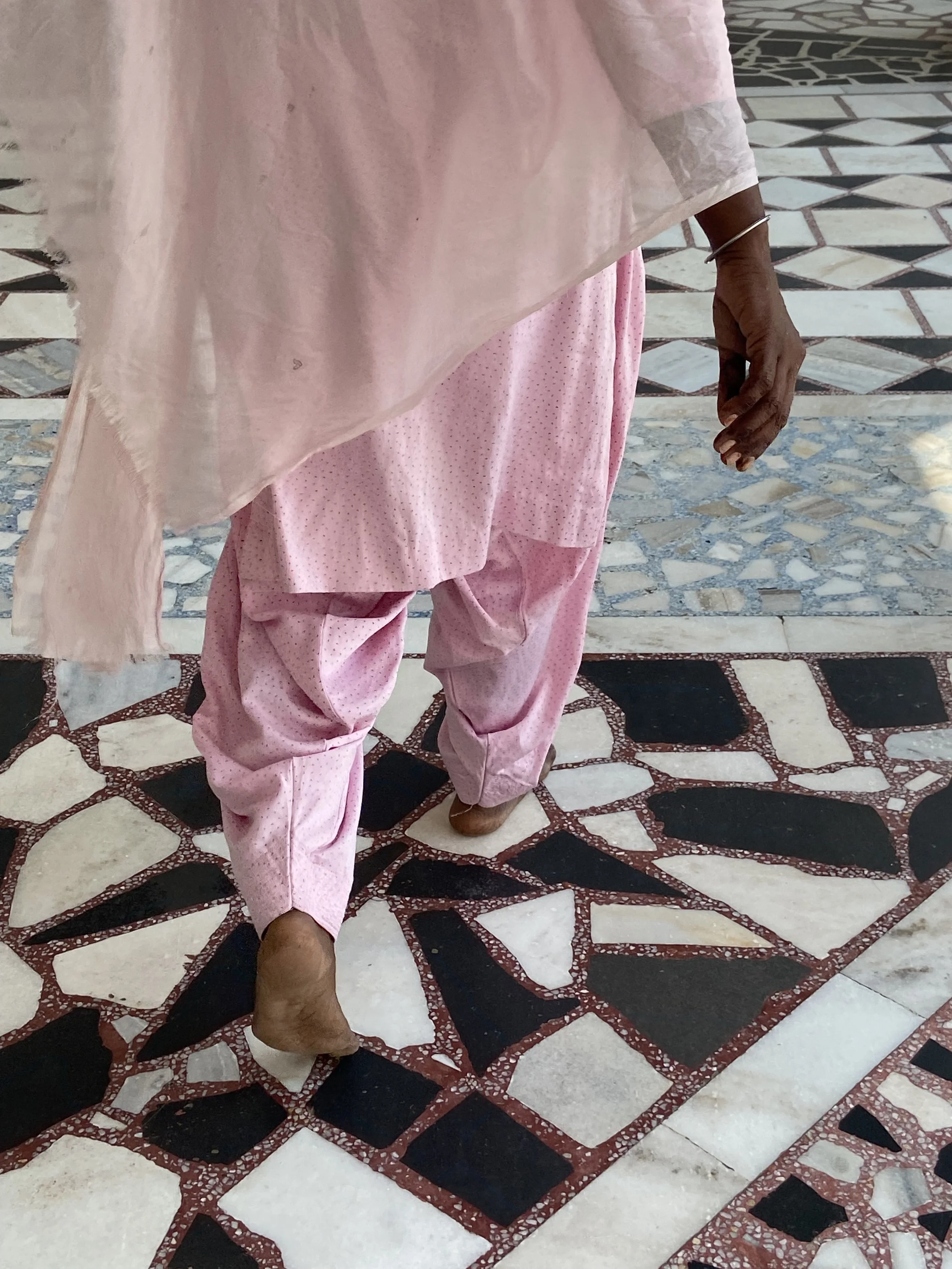
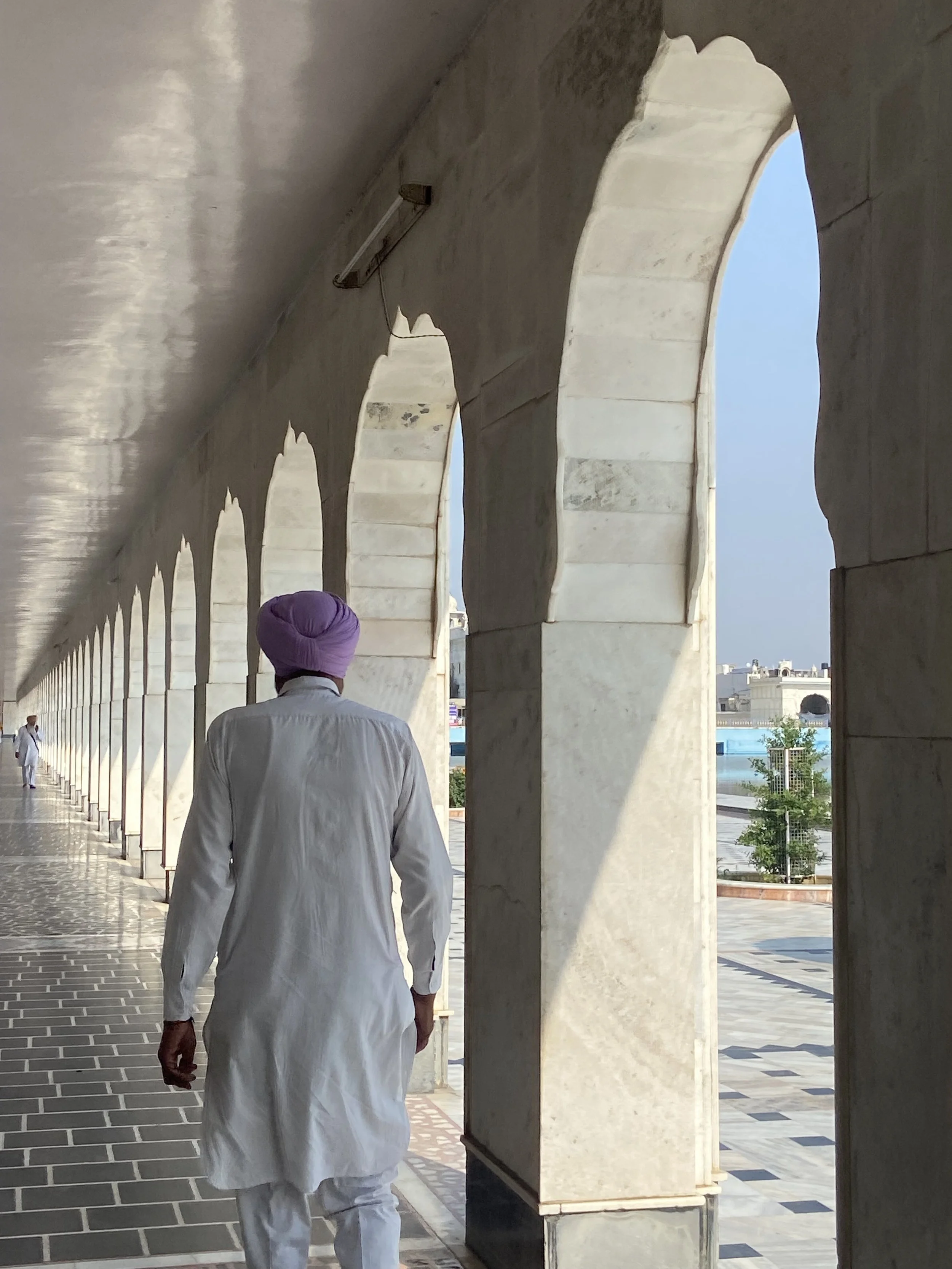
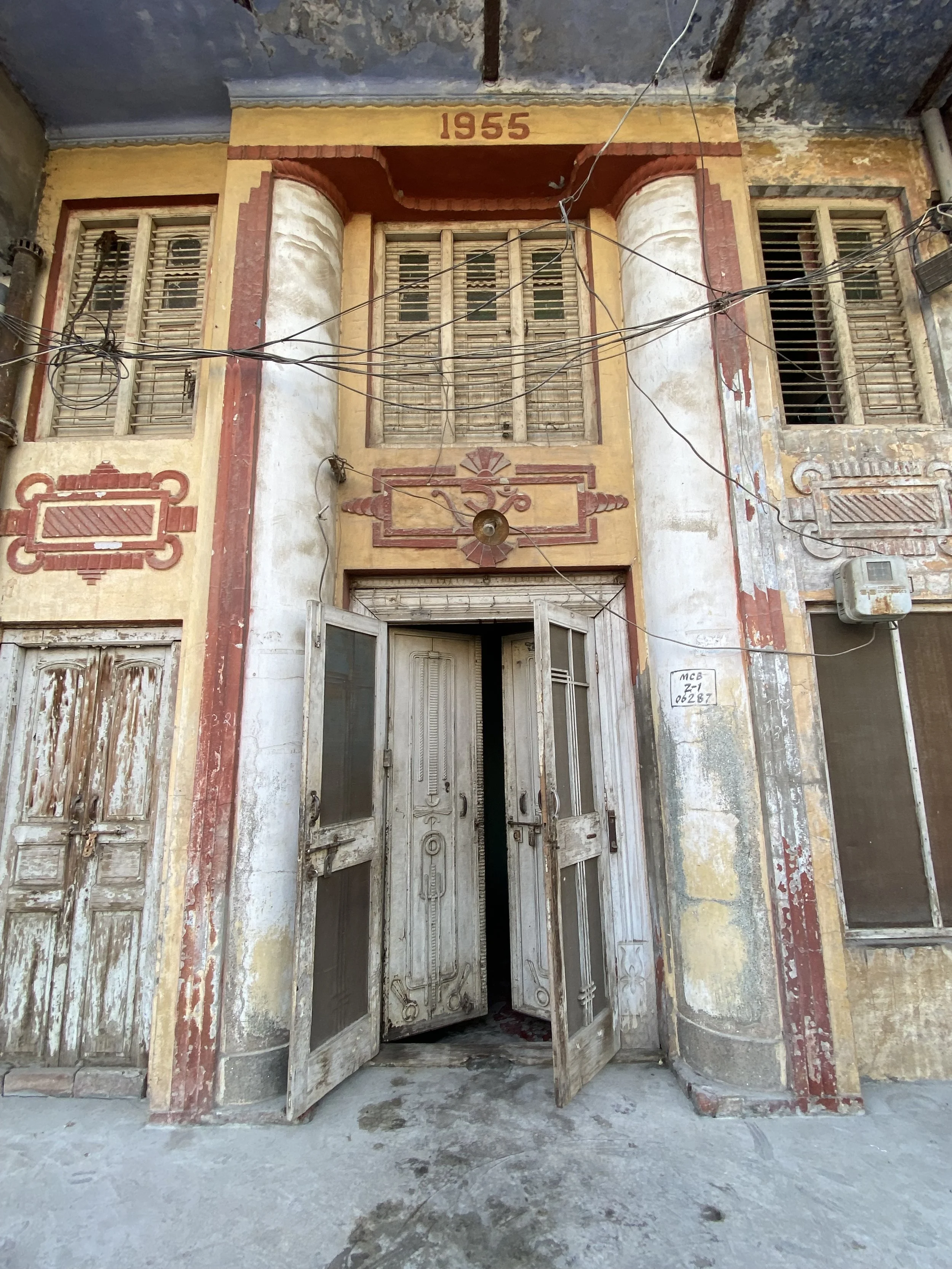
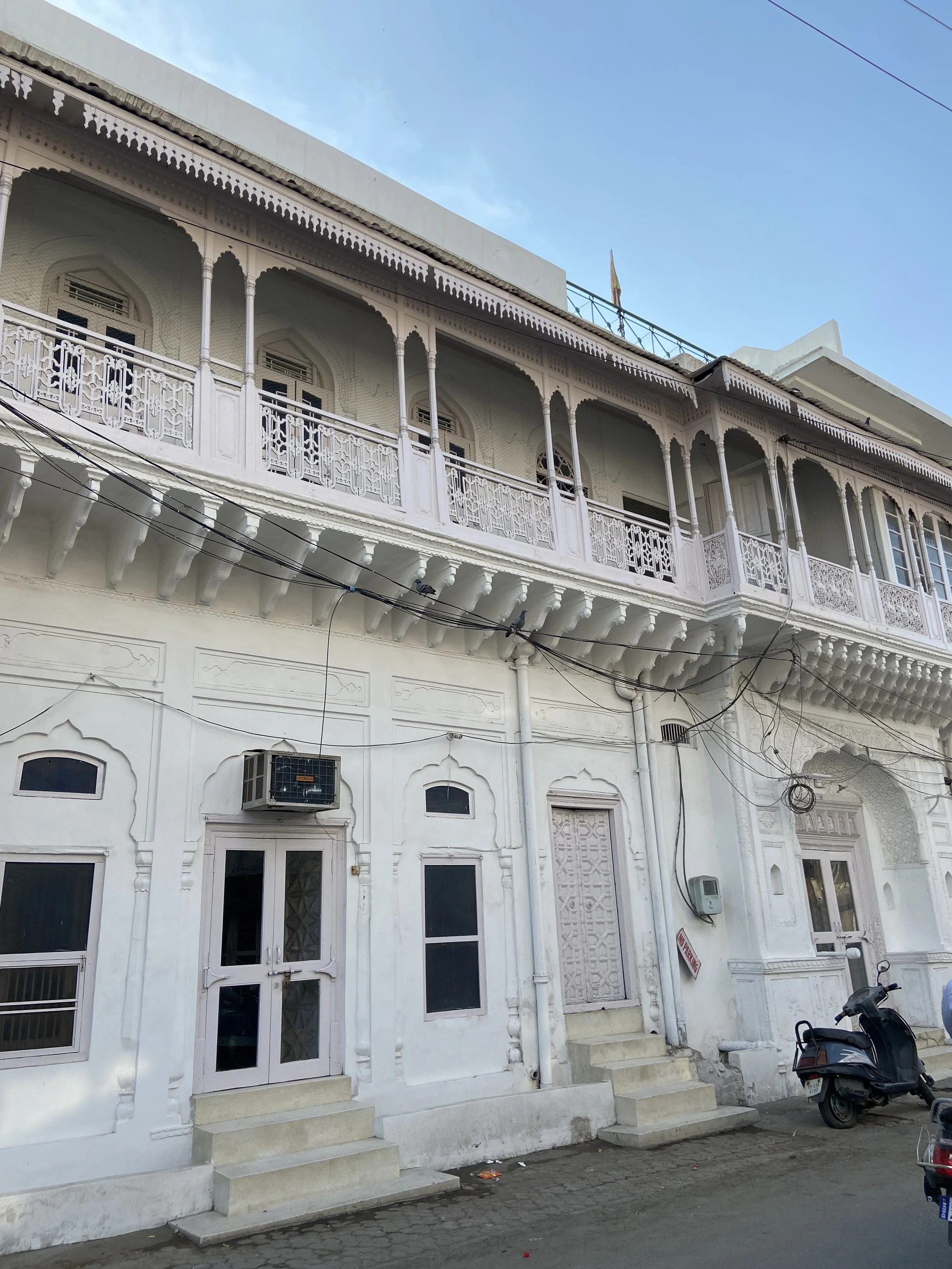
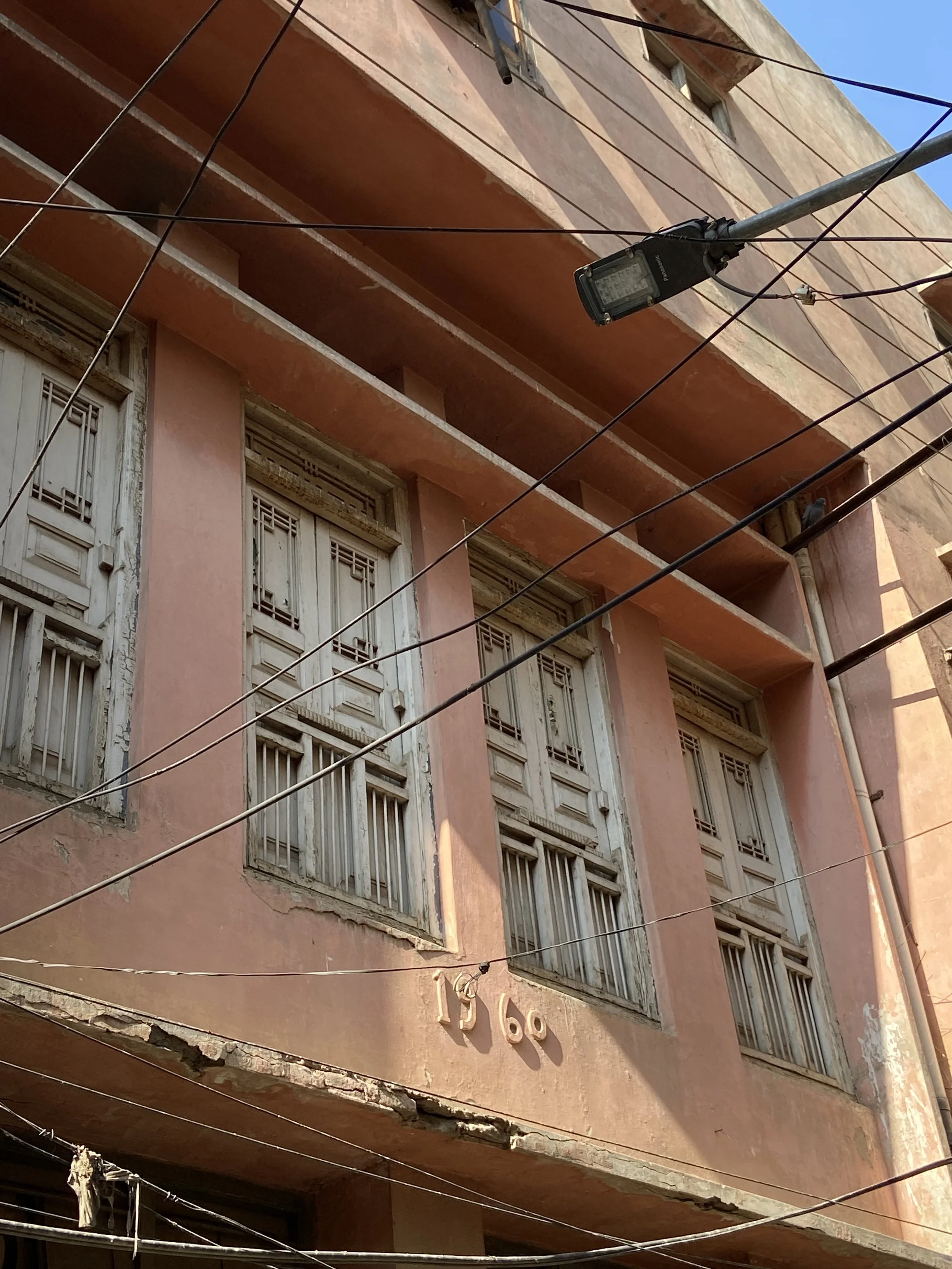
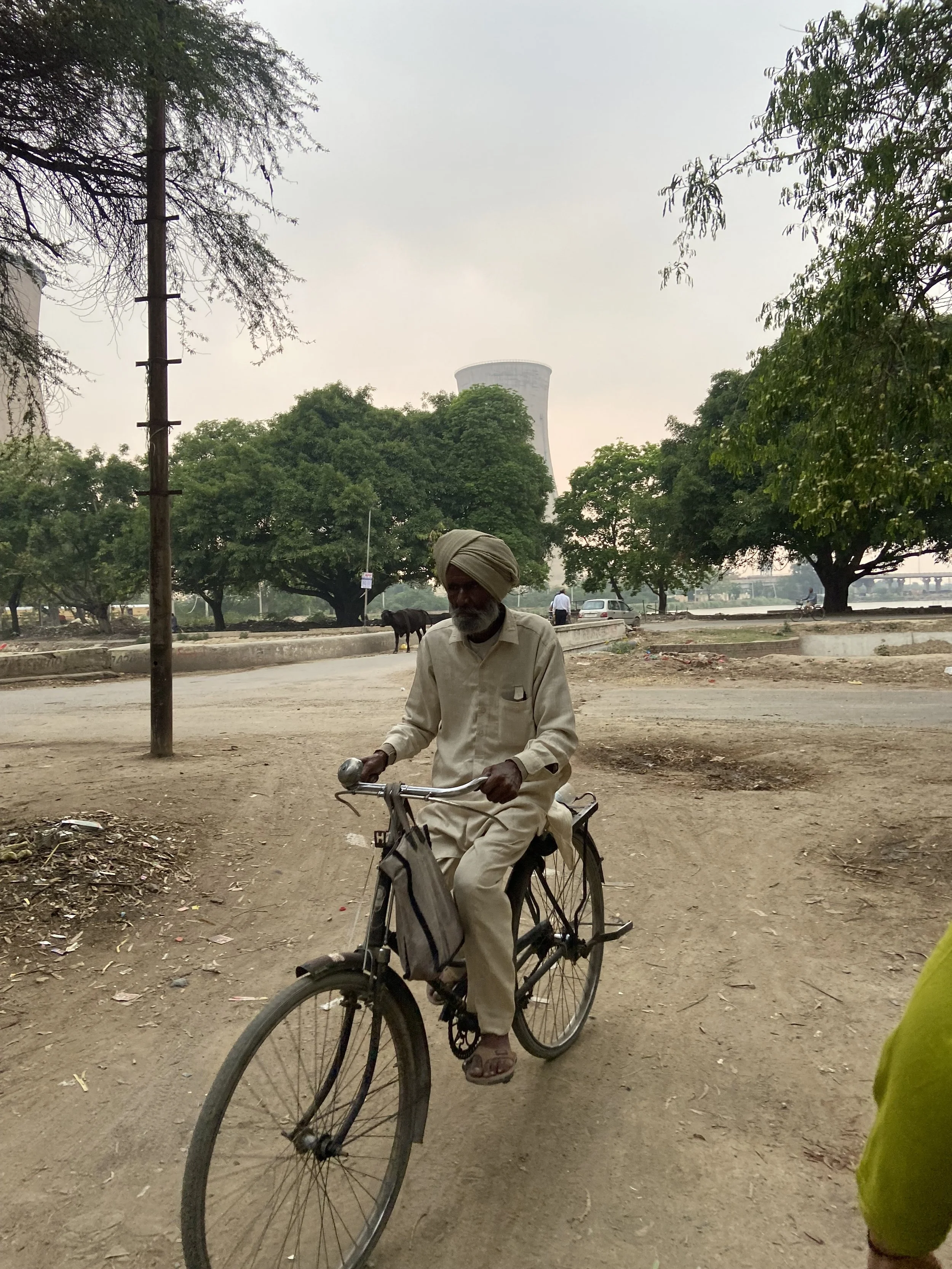
 The Ahaata Project by Cocoa and Jasmine aims to highlight visual imagery, material culture, and emerging subcultures in the Punjabi diaspora globally. Taking a placemaking based approach, our unique co-production model facilitates the exploration of new articulations by mapping local histories and conducting ethnographic research. The primary objective is to communicate how a strong sense of place integrates into knowledge building of cultural infrastructure by grassroots involvement. Furthermore, the project transcends physical boundaries and is structured to cultivate meaningful interactions between visual artists, designers, and researchers of the local and global diaspora. Similarly, our platform aims to highlight ordinary life in Punjab’s evolving landscape through space, memory, nostalgia, and everyday design.

Three Pillars of the Project:

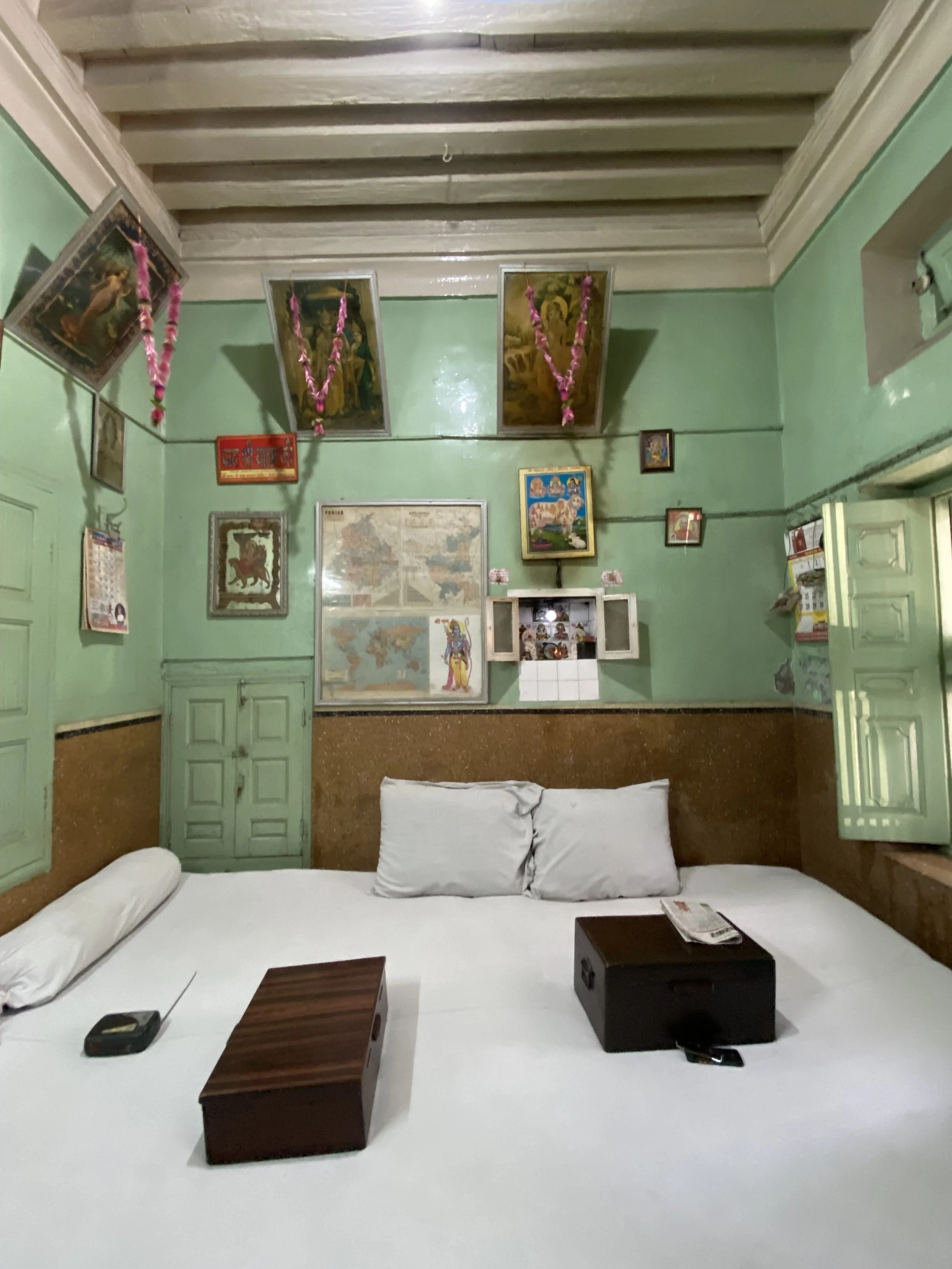
  1. Ethnography and Resource building: To conduct ground level research on vernacular architecture, crafts communities, multi generational local businesses, adornment, visual and material cultures. 

  2. Cultural Production, Publishing and Curation: Critically examine and engage with works of Punjabi diaspora globally and share them via digital publishing as well as physical events like photo exhibitions and panel dialogues. 

  3. Products and Cultural Tourism: Apart from Co curated design x craft products and zines, the project offers residency programmes and bespoke itineraries in the region. 
1.jpg
 

Nature x Craft Programme ( February 2027)

A multidisciplinary cross cultural programme highlighting textile crafts, wood works and pottery from region bringing upto 8 people to live at a permaculture farm and learn from artisans. This can be extended to a longer residency for creative practitioners. Participants from different cultural backgrounds and practices come together for a couple of weeks to share skills, ideas and learn together as response to Punjab’s ecological and creative landscape.

Request brochure at sayali@cocoaandjasmine.com for full itinerary and fee structure.


3.jpg

 Curatorial commissions across borders

We wish to highlight contemporary artists and artisans across the border and create third spaces that bring together collective creativity. We work with galleries, museums and independent spaces to explore projects that are offline and online exhibitions, publishing or documentation.

5.jpg

Craft collaborations

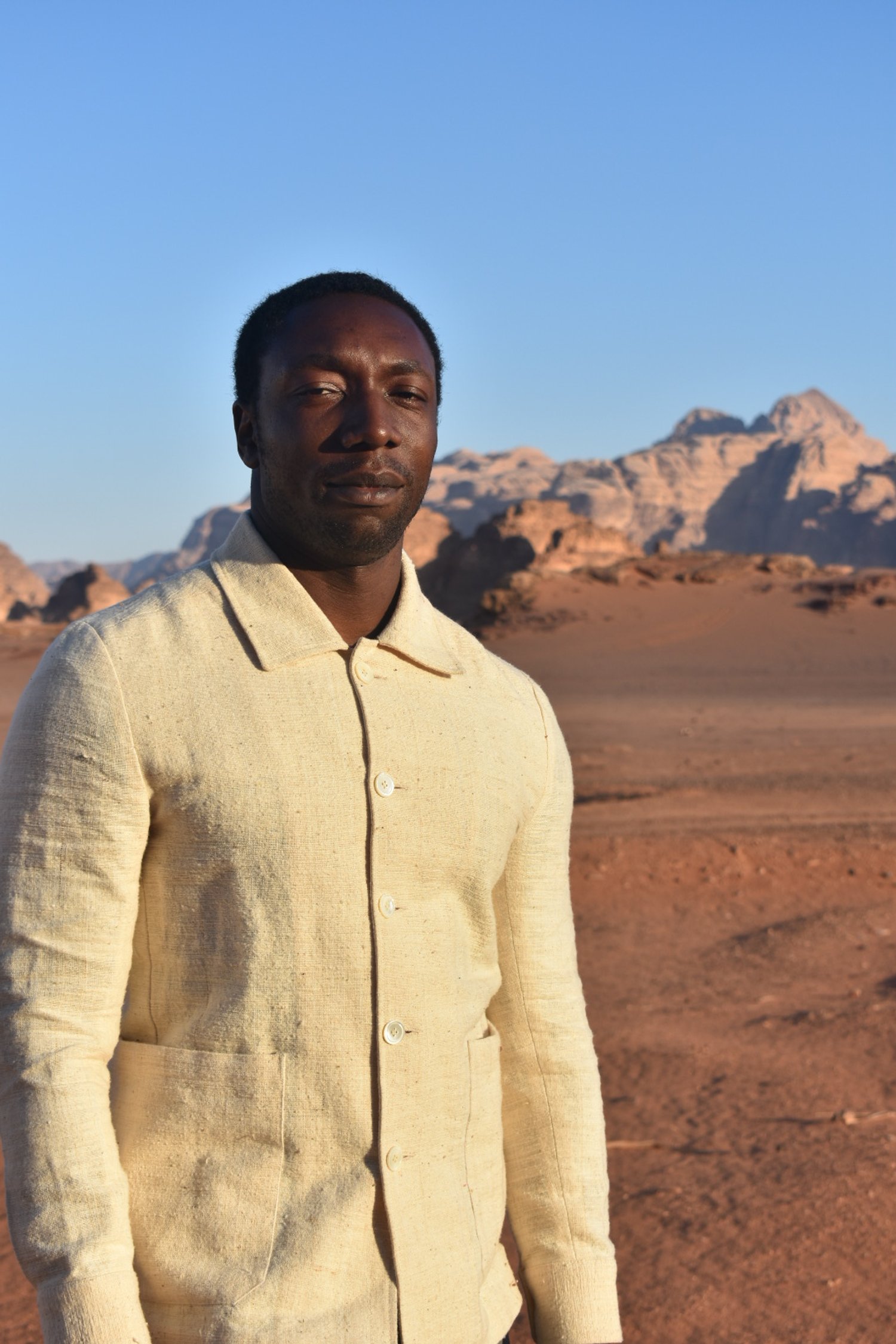
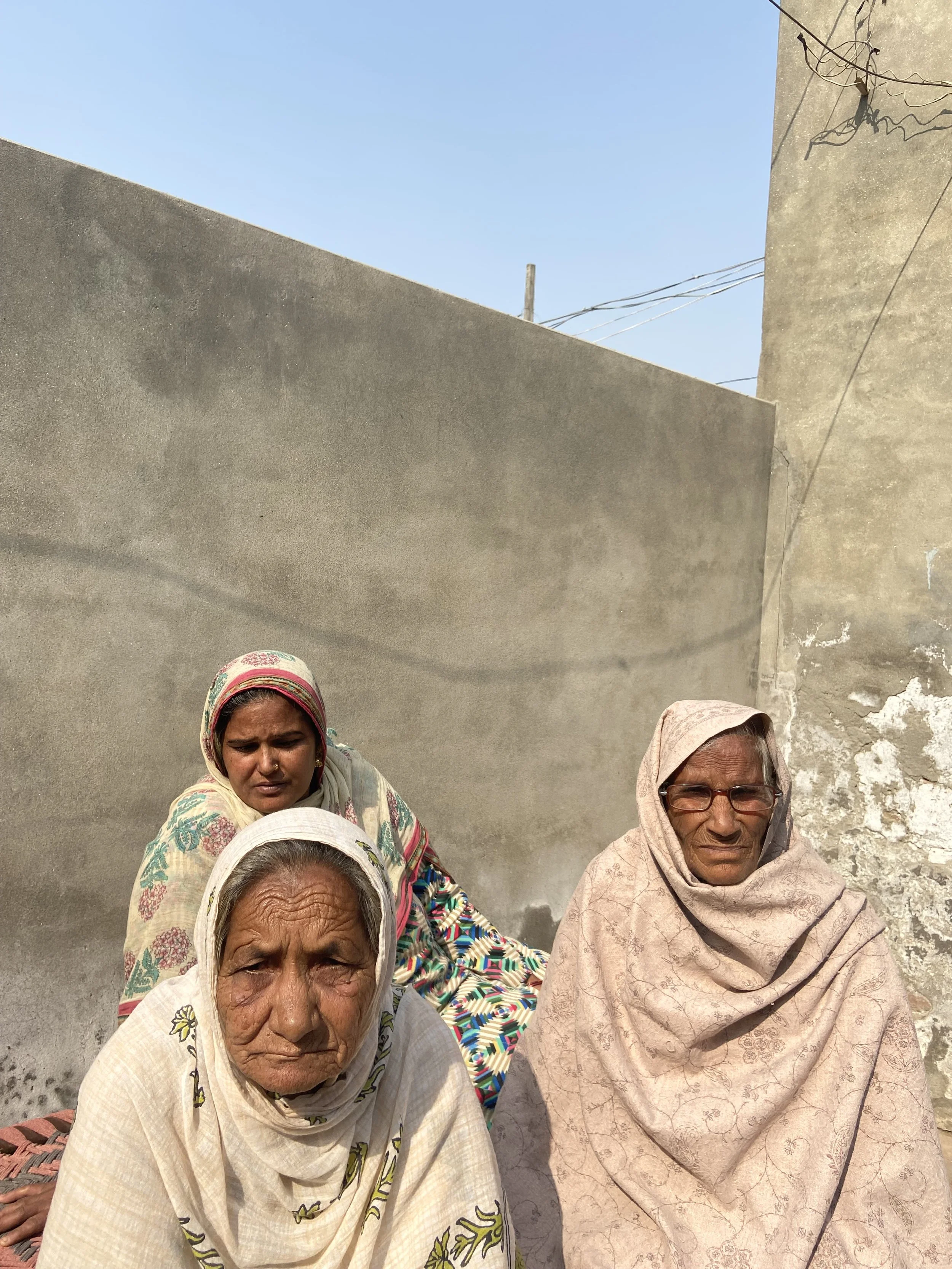
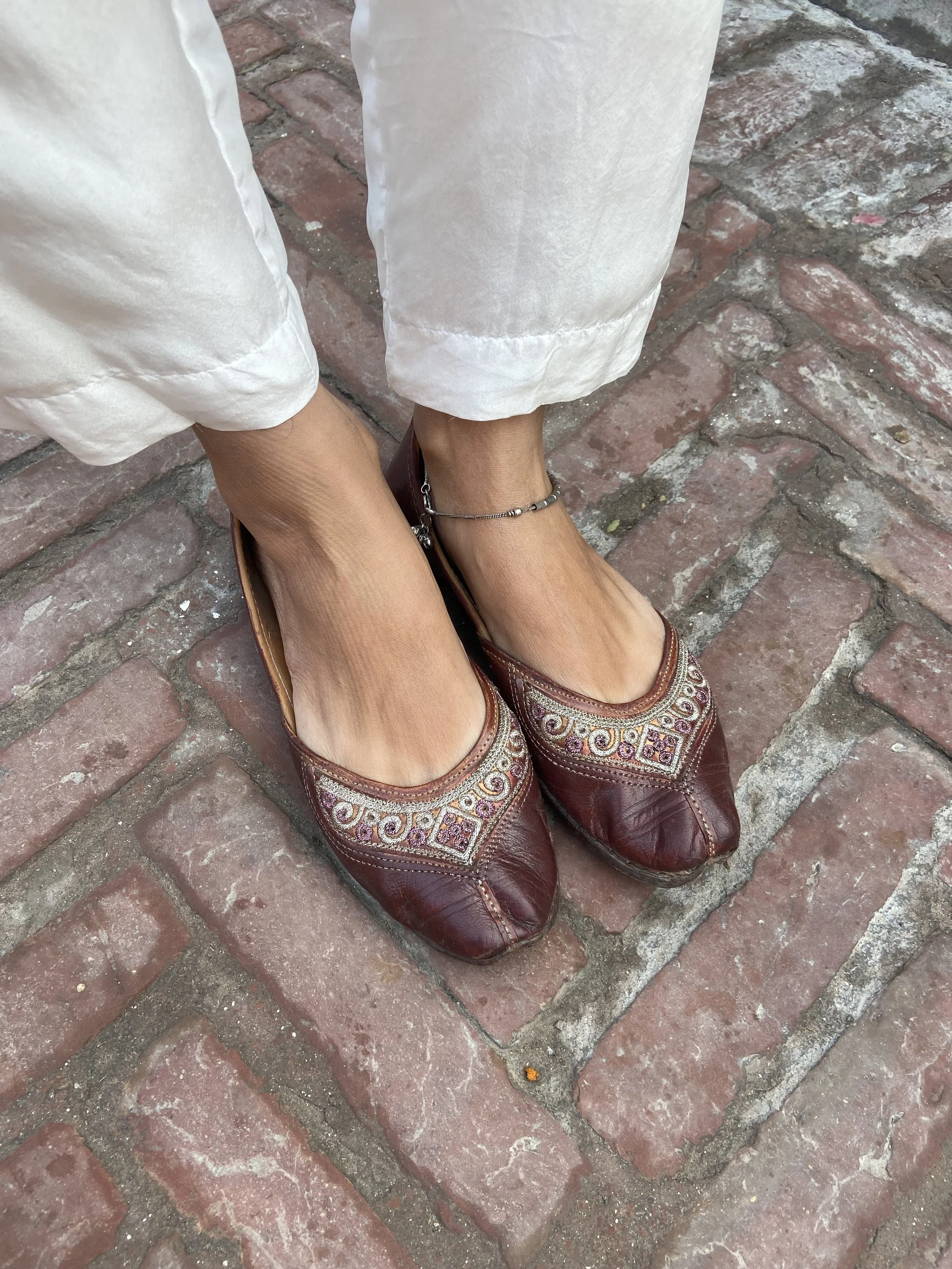
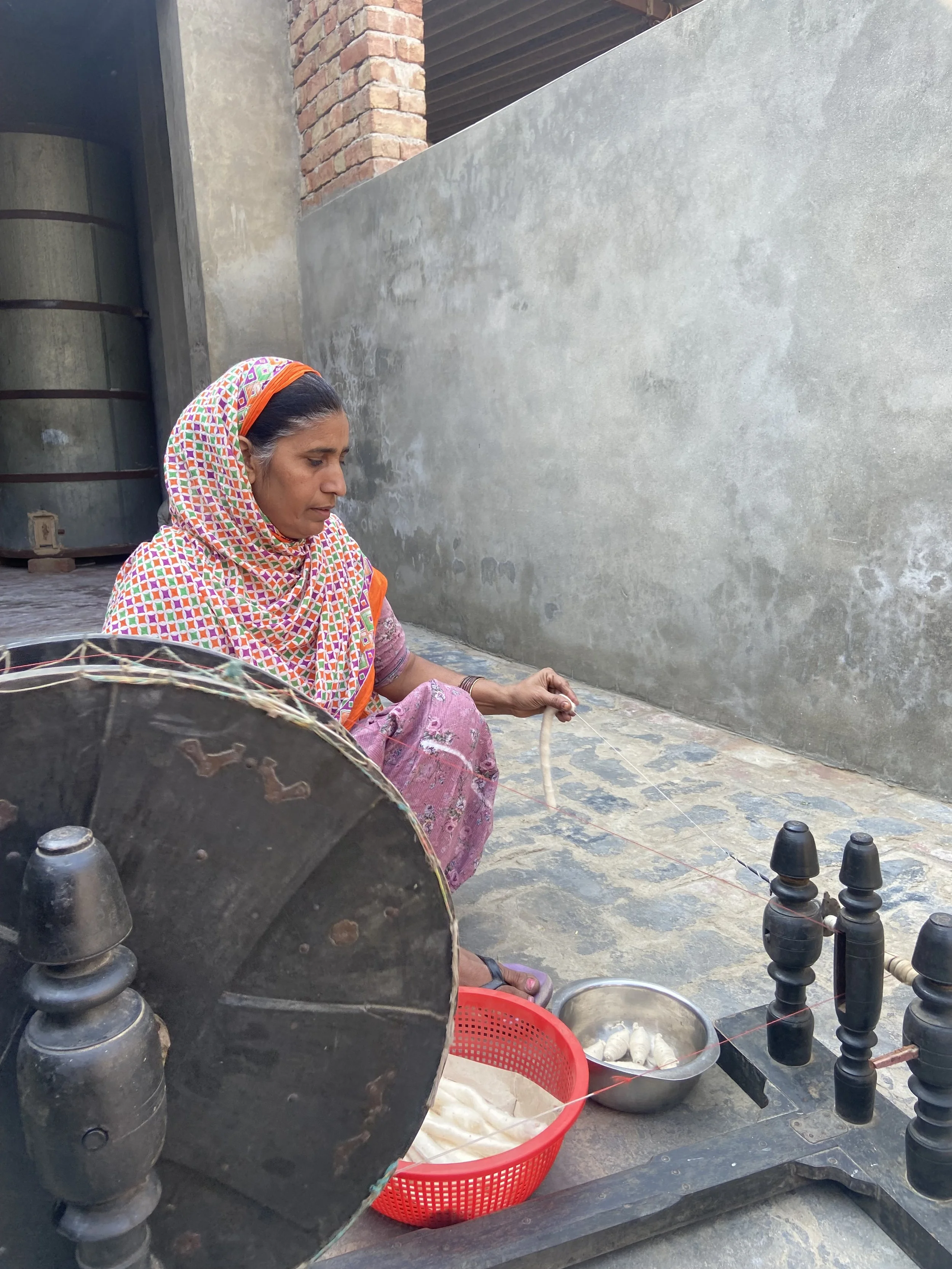
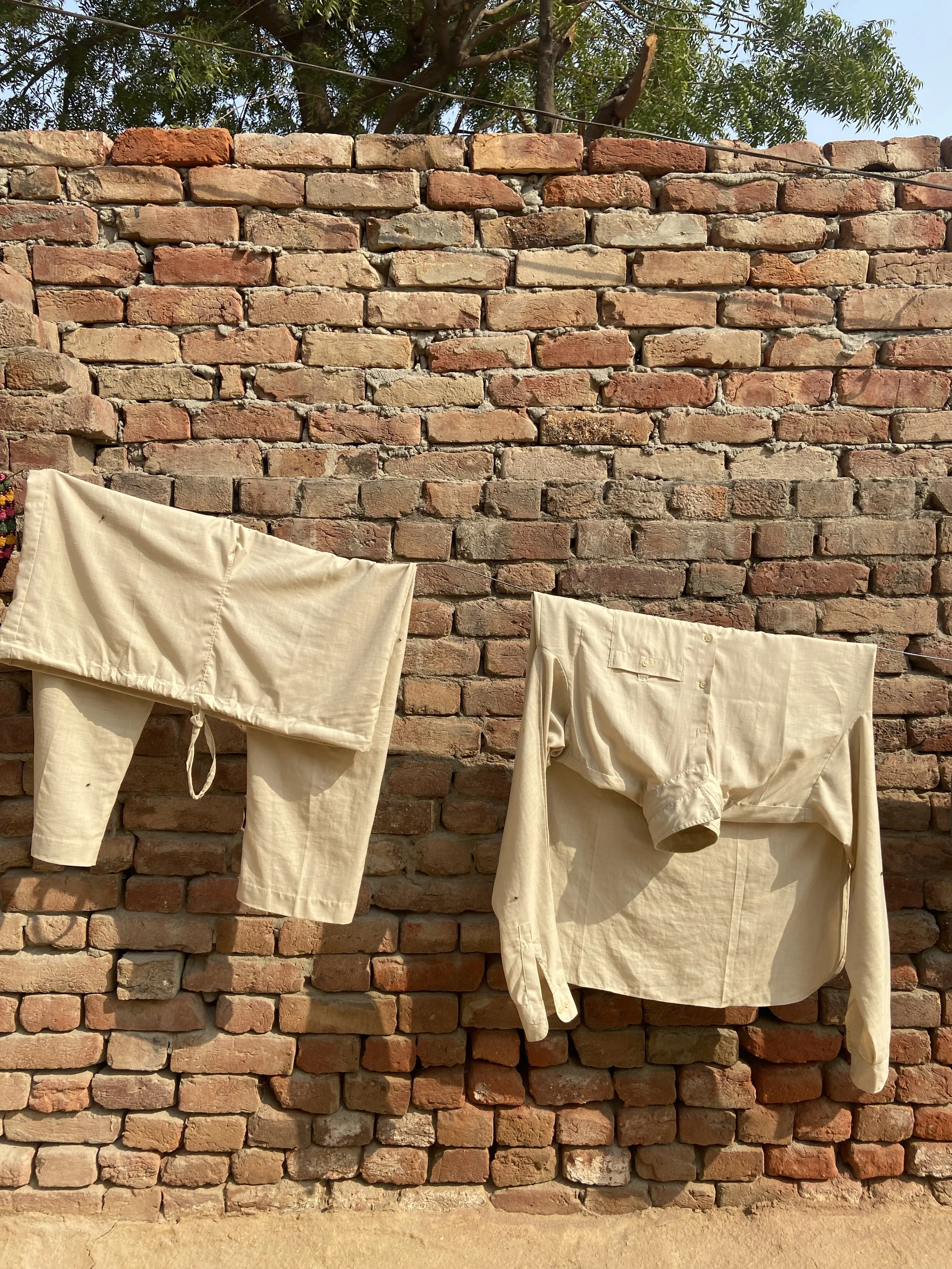
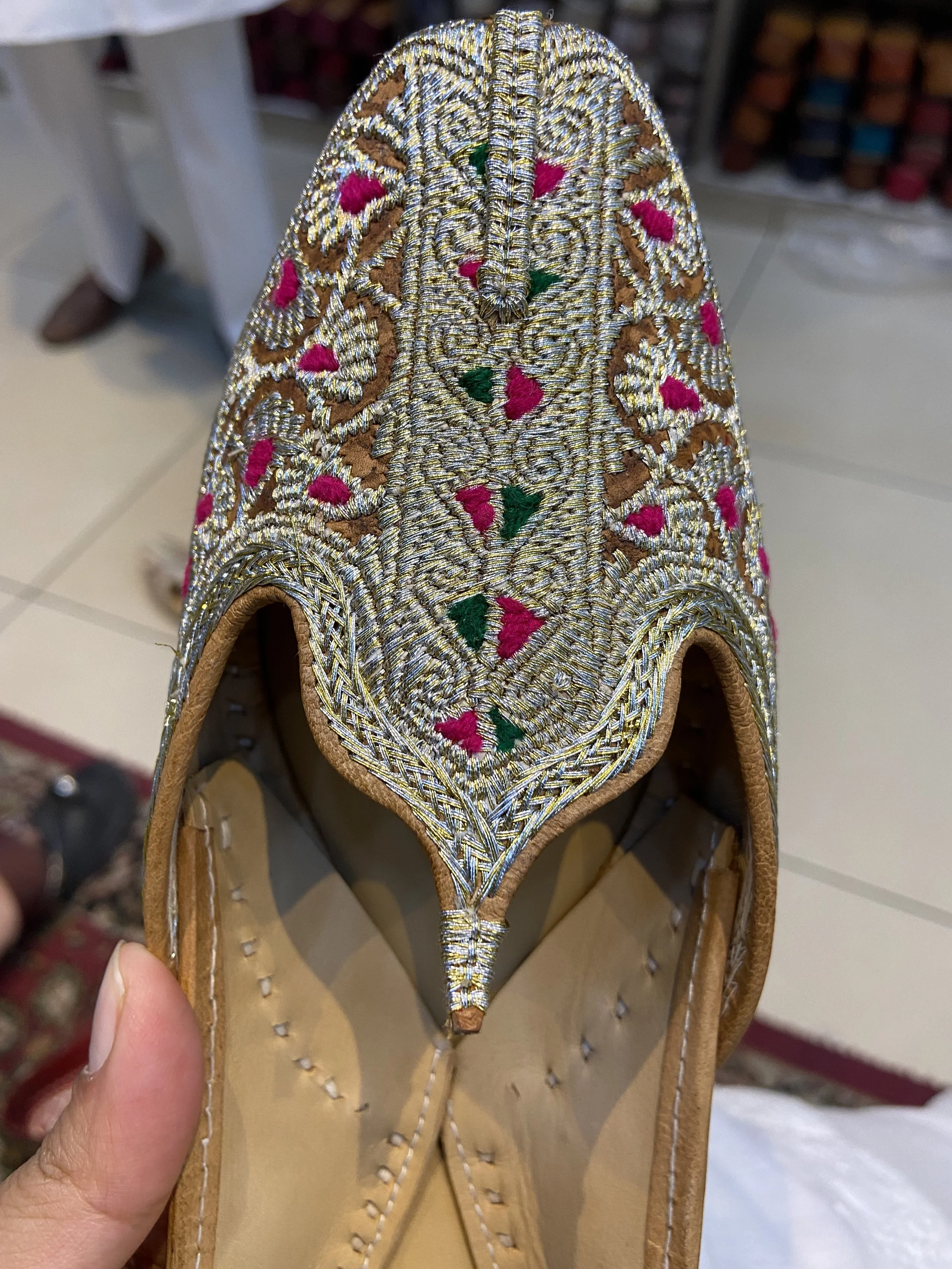
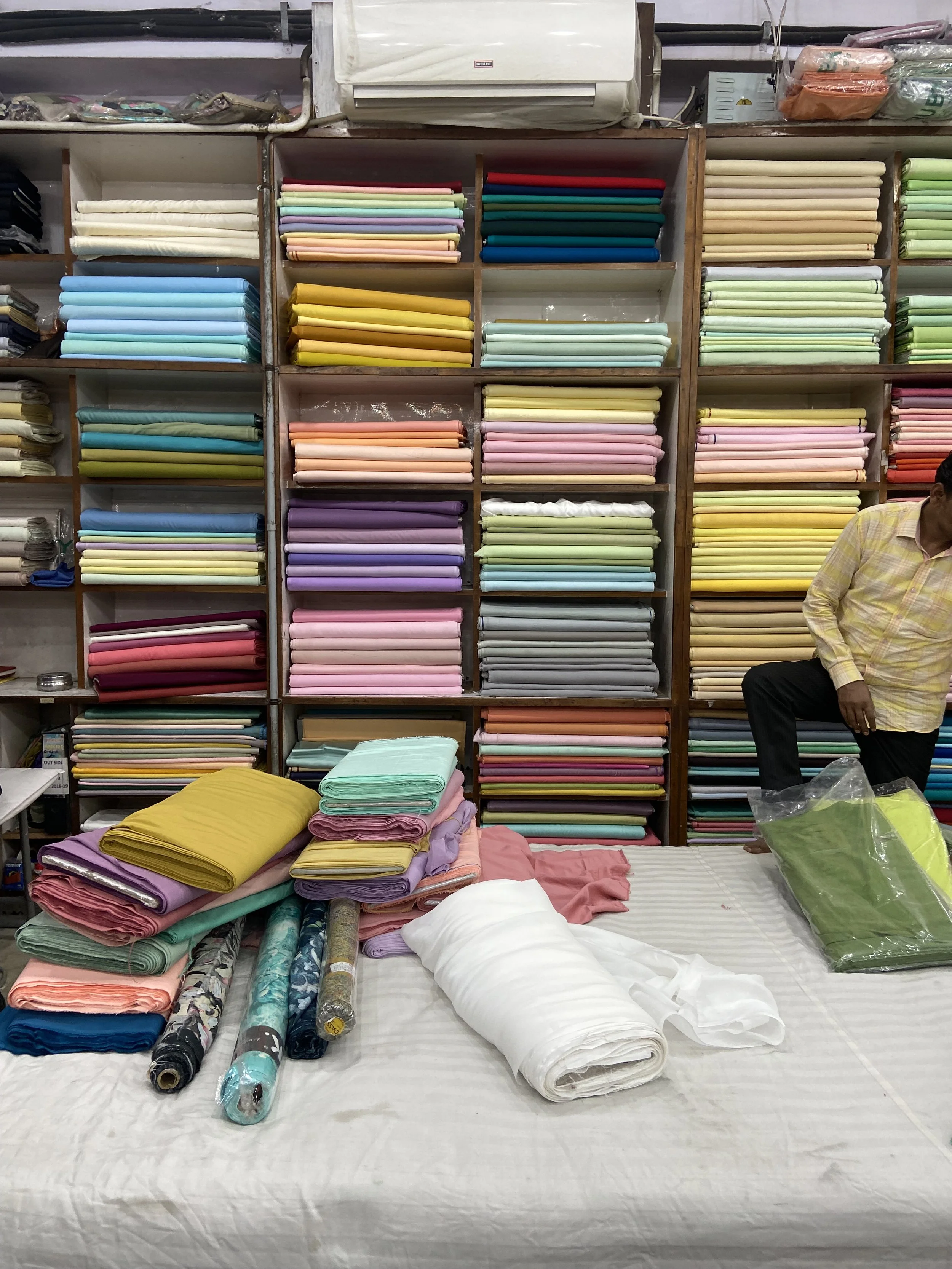
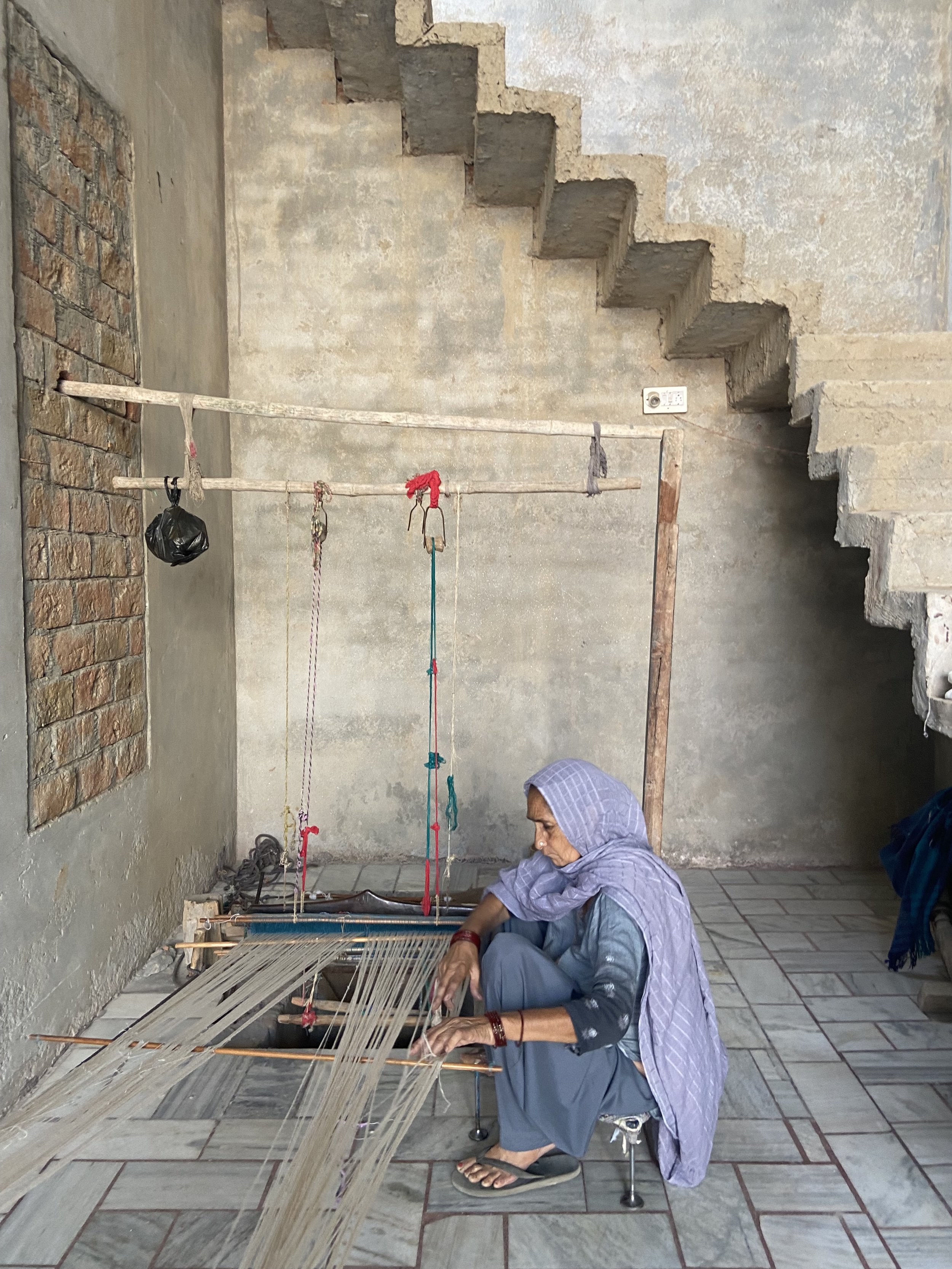
Our core aim is to focus on traditional crafts like handloom weaving and hand embroidery, that promote women’s economic independence in a rural setup. Apart from this, the aesthetic value of punjabi crafts has a place in contemporary global fashion and home. For this purpose we have collaborated with multiple designers and spaces to showcase these textiles. Eudamon, an indie menswear label, created a traveller’s jacket for us that has been shot in Egypt and Jordan to put focus on the versatility of these fabrics. Walden Living, was styled with local Khes, everyday objects and other textiles woven locally. British Council India commissioned scarves that were handwoven and hand embroidered for their 75th UK-India celebrations. Lineage Botanica, a boutique indie label based in LA created bed linen, bags and cushions with our textiles. Handwork Studio, Toronto worked on their upcoming collecting with our textiles.

2.jpg
 
Bathinda Illustrated Map ( A3 ART PRINT) Bathinda Illustrated Map ( A3 ART PRINT)
Quick View
Bathinda Illustrated Map ( A3 ART PRINT)
£24.00

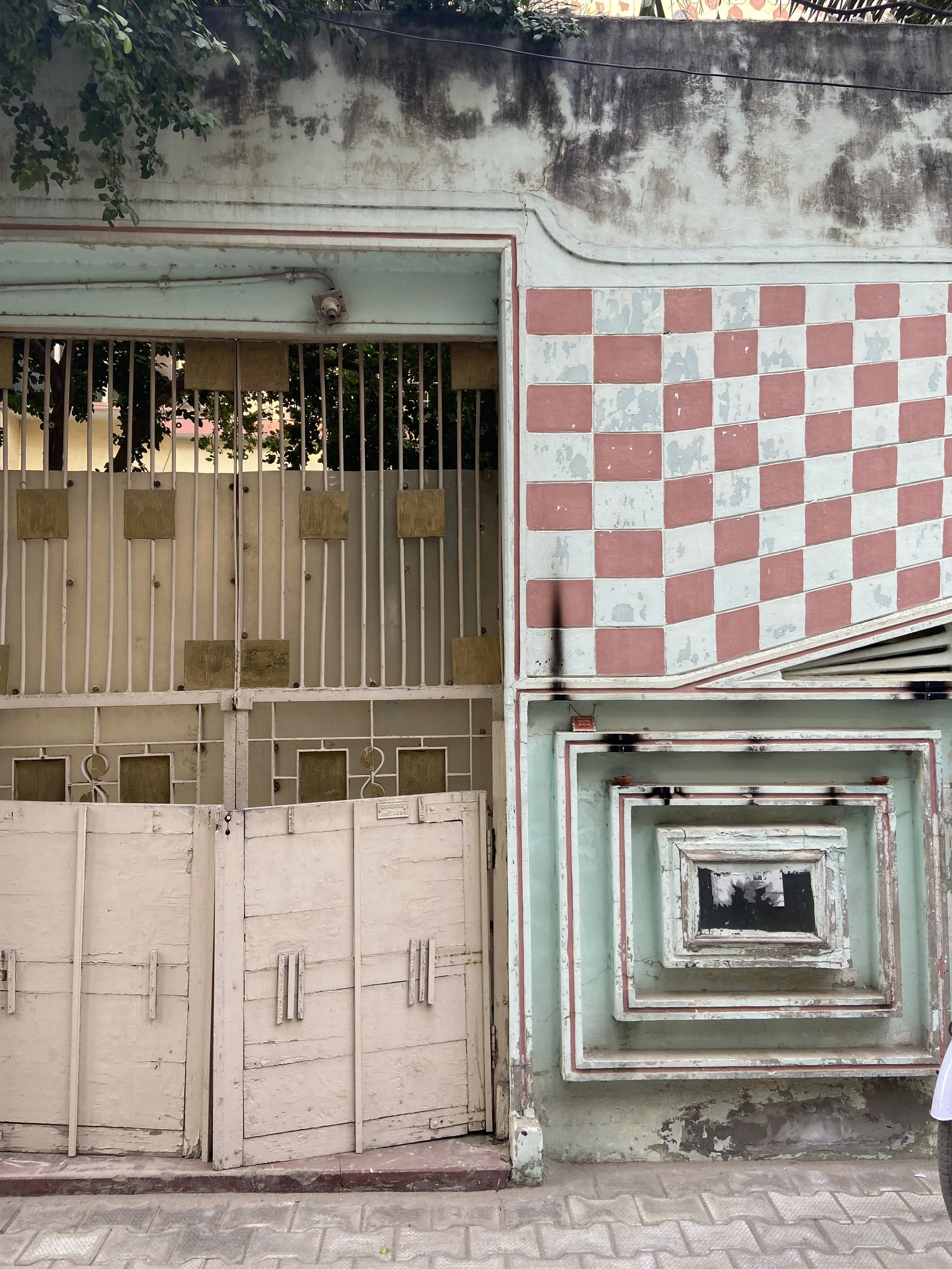
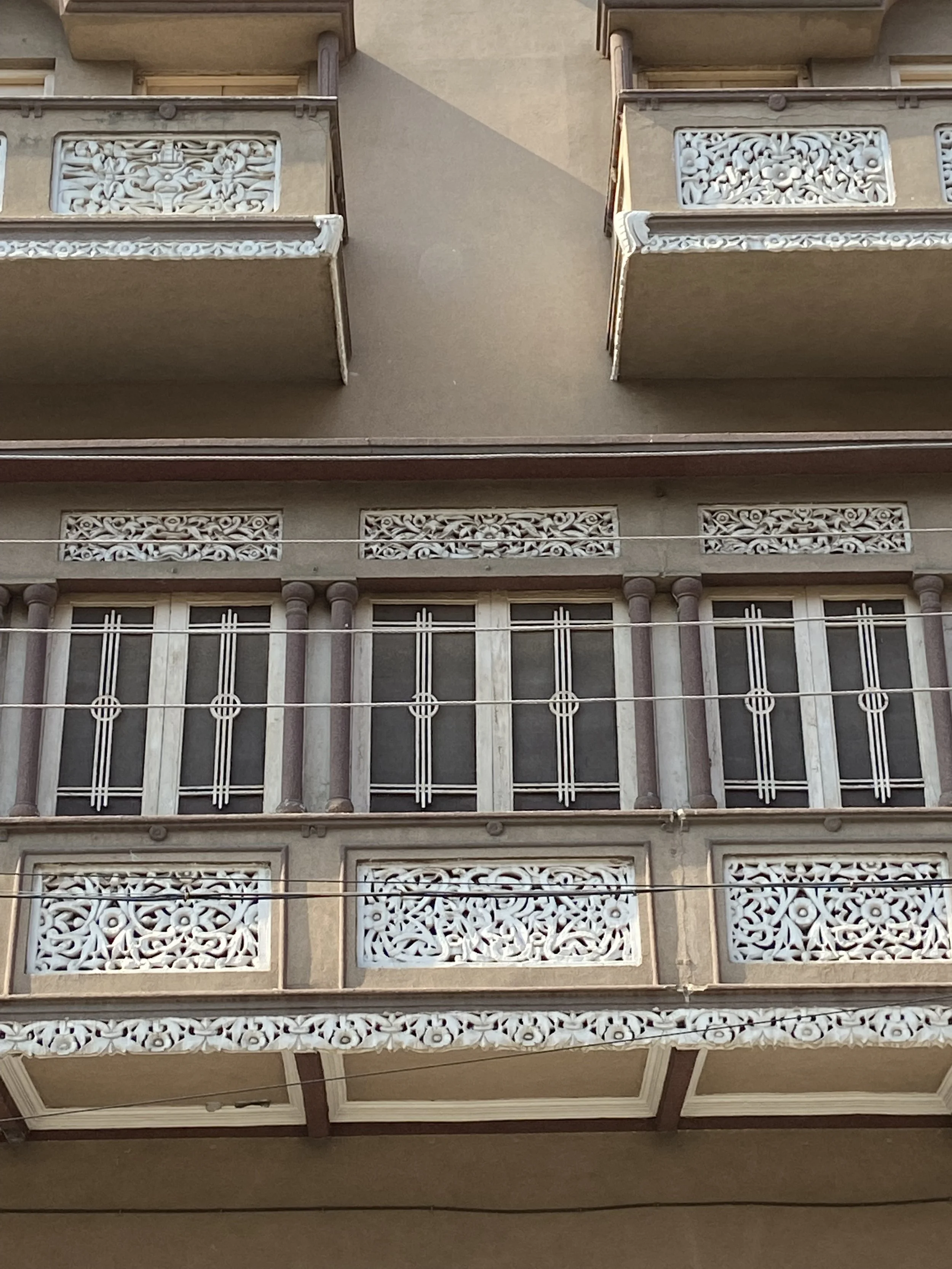
Ahaata Project works within cultural mapping in Punjab and putting focus on vernacular architecture, local businesses and everyday aesthetics. This map of the historic city of Bathinda has been created to highlight some of these aspects.

Architectural mapping of the old city centre of Bathinda

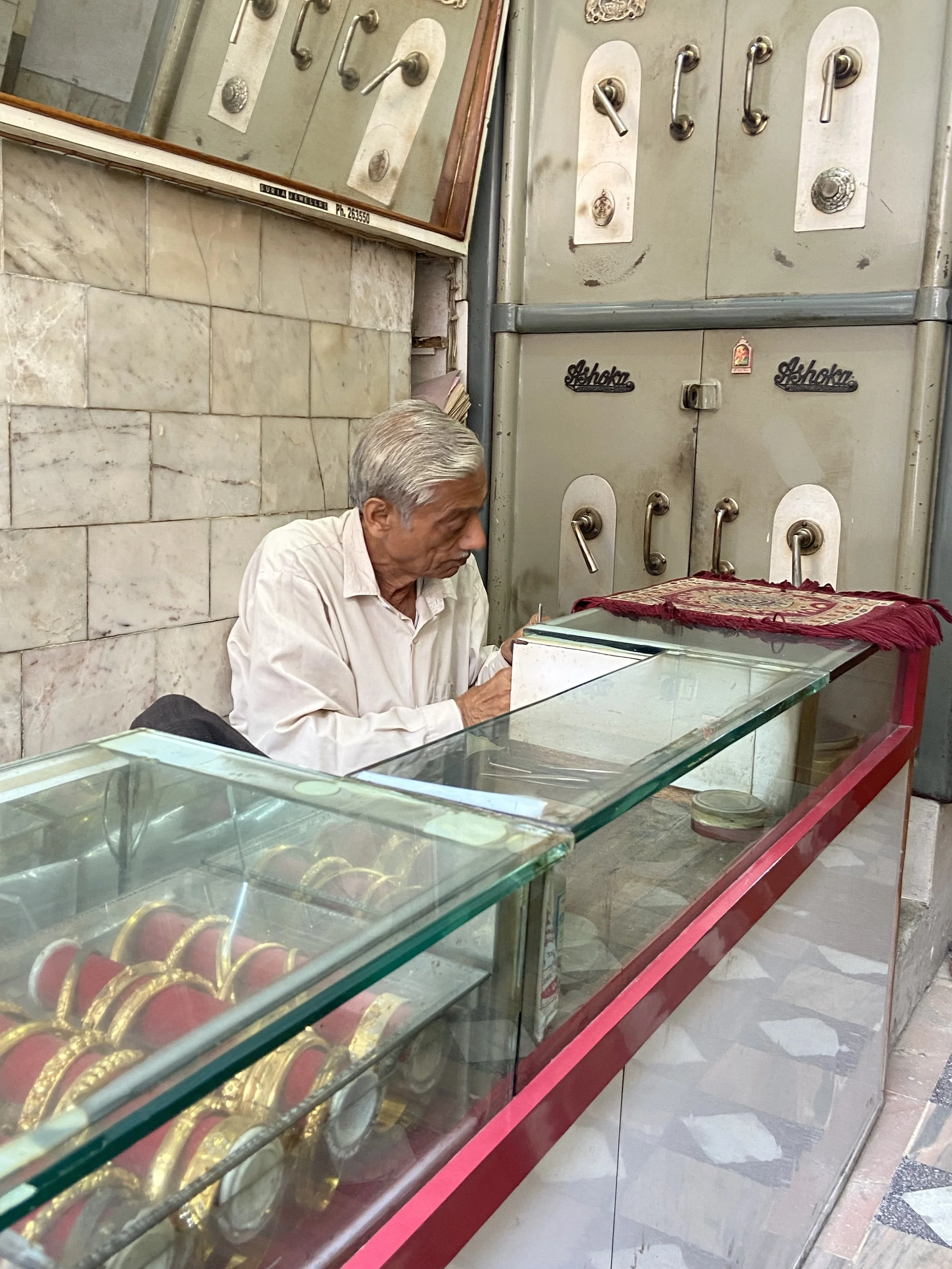
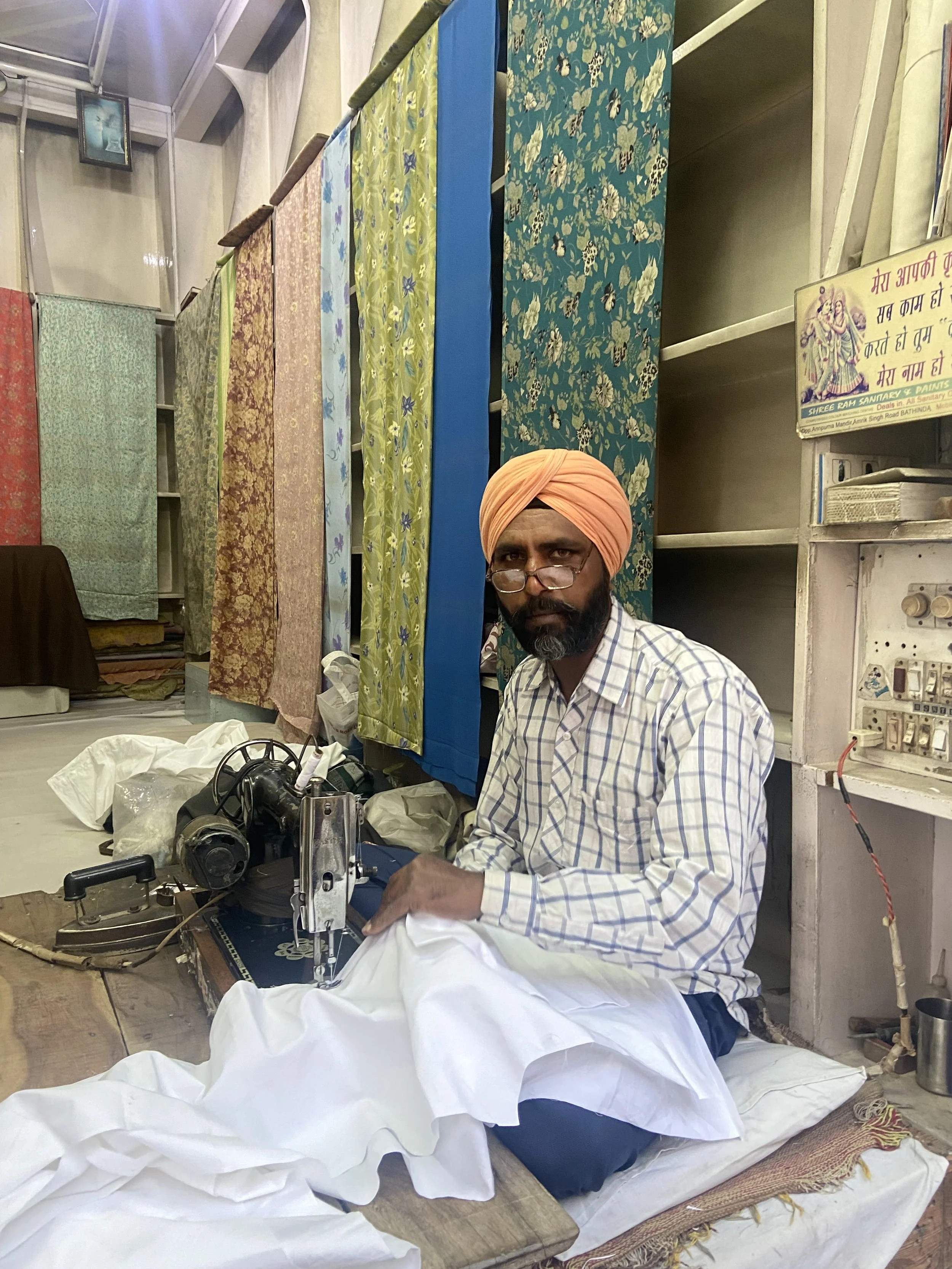
The historic city of Bathinda is located in the north west state of Punjab, that homes Qila Mubarak, one of the oldest surviving forts in India (dating back to 1100 AD). While the city has seen many empires rise and fall, today the old city centre sees post modern residential architecture from the 50s art deco to retro style facades as well as influences from indo islamic and rajputi courtyard havelis. Around the old fort; there are many third and fourth generation businesses that have seen the city grow to a metropolitan today. Our attempt is to celebrate its uniqueness bridging the old with the new highlighting local businesses, iconic food joints and its vernacular architectural landscape. 

 
4.jpg
 
Design Dictionary from Punjab (E book)
£11.00

Selected words in popular culture to put focus on adornment, identity, architecture and everyday objects.

Bimla’s CookBook

Food brings people together. It transcends time, and allows us to capture the sweet nostalgia of a shared past.

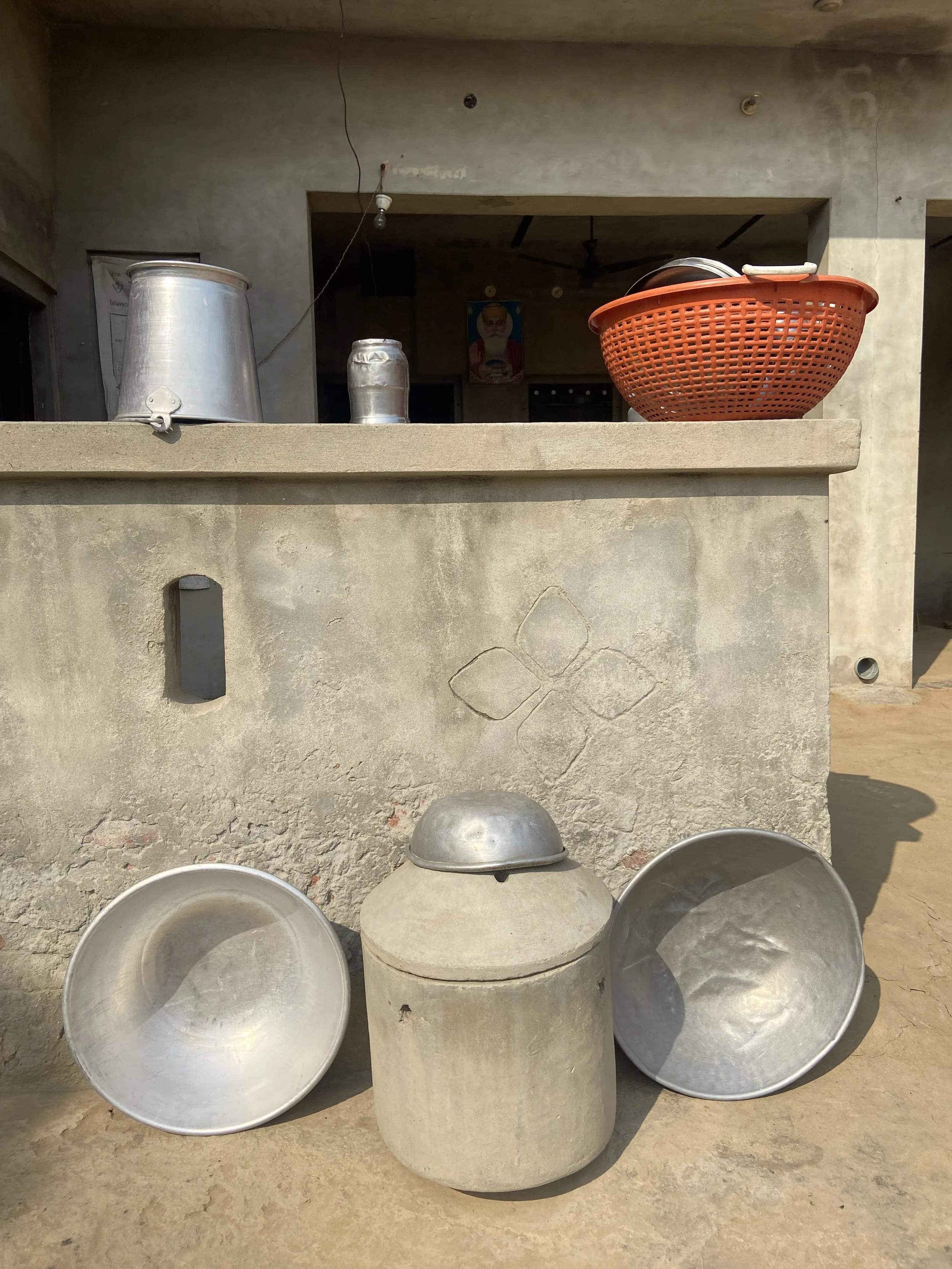
Born in 1934 in Bhawalpur Pakistan, Bimla Devi Jindal moved to Gidarwaha, Punjab and later settled in Muktsar. Mother to six, and grandmother to fourteen, her culinary curiosities have been passed down to generations. I, her granddaughter fondly remember her by the simplicity of the food she cooked, which were mostly dishes from an everyday punjabi kitchen. With the help of my mother, Parvila, as my grandmother would call her, I have attempted to preserve and cherish these memories through these recipes, and share this joy of simpler times with the global punjabi diaspora. The cover is inspired by the terracotta and brick coloured floors of her kitchen in Muktsar, where she spent most of her life. The vermilion handwritten font is inspired by hindu iconography, usually created with hands when starting something new and auspicious.

Design Dictionary

While some of these words are being used everyday and are common in pop culture as well as in folk songs, the dictionary highlights punjab’s unique design identity through vocabulary. We put focus on adornment, identity, architecture and everyday objects through this comprehensive dictionary. The design of the book is inspired by the pastel and muddy coloured facades of residential architecture and embroidered textiles.

Bimla's Cook Book from Punjab ( E-book)
£11.00

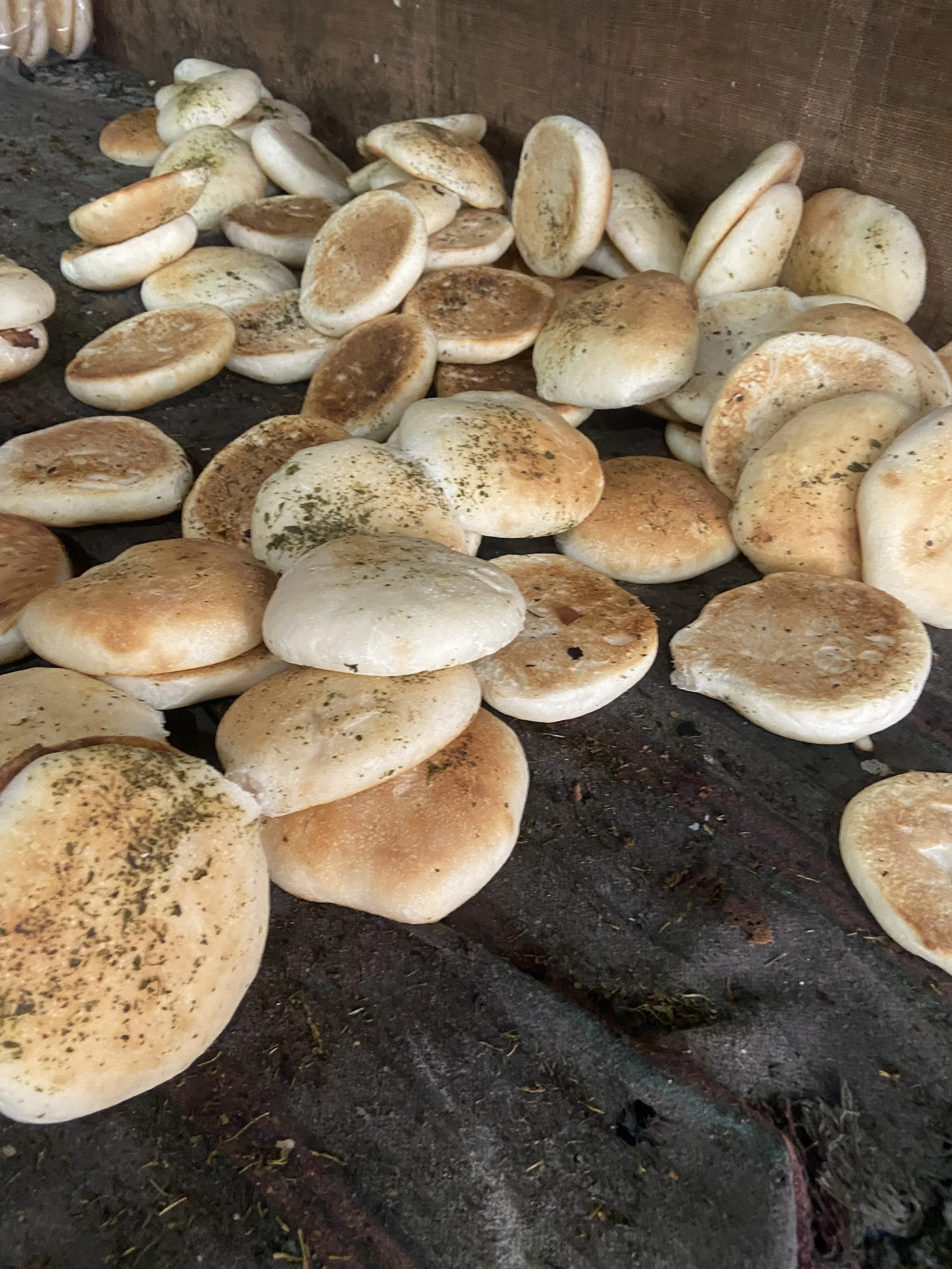
The fondest memories I have of my grand mother are when she would send us mango chutney and pickles every summer. My mother would tell me stories of how her mother ( my grandmother) would make chapatis everyday and all members of the family would surround the Chulah for hot chapatis. Food brings people together. It transcends time, and allows us to capture the sweet nostalgia of a shared past.

Born in 1934 in Bhawalpur Pakistan, Bimla Devi Jindal moved to Punjab after she married and settled in Muktsar. Mother to six, and grandmother to fourteen, her culinary curiosities have been passed down to generations. I, her granddaughter fondly remember her by the simplicity of the food she cooked, which were mostly dishes from an everyday punjabi kitchen. With the help of my mother, Parvila, as my grandmother would call her, I have attempted to preserve and cherish these memories through these recipes, and share this joy of simpler times with the global punjabi diaspora.


Cultural production

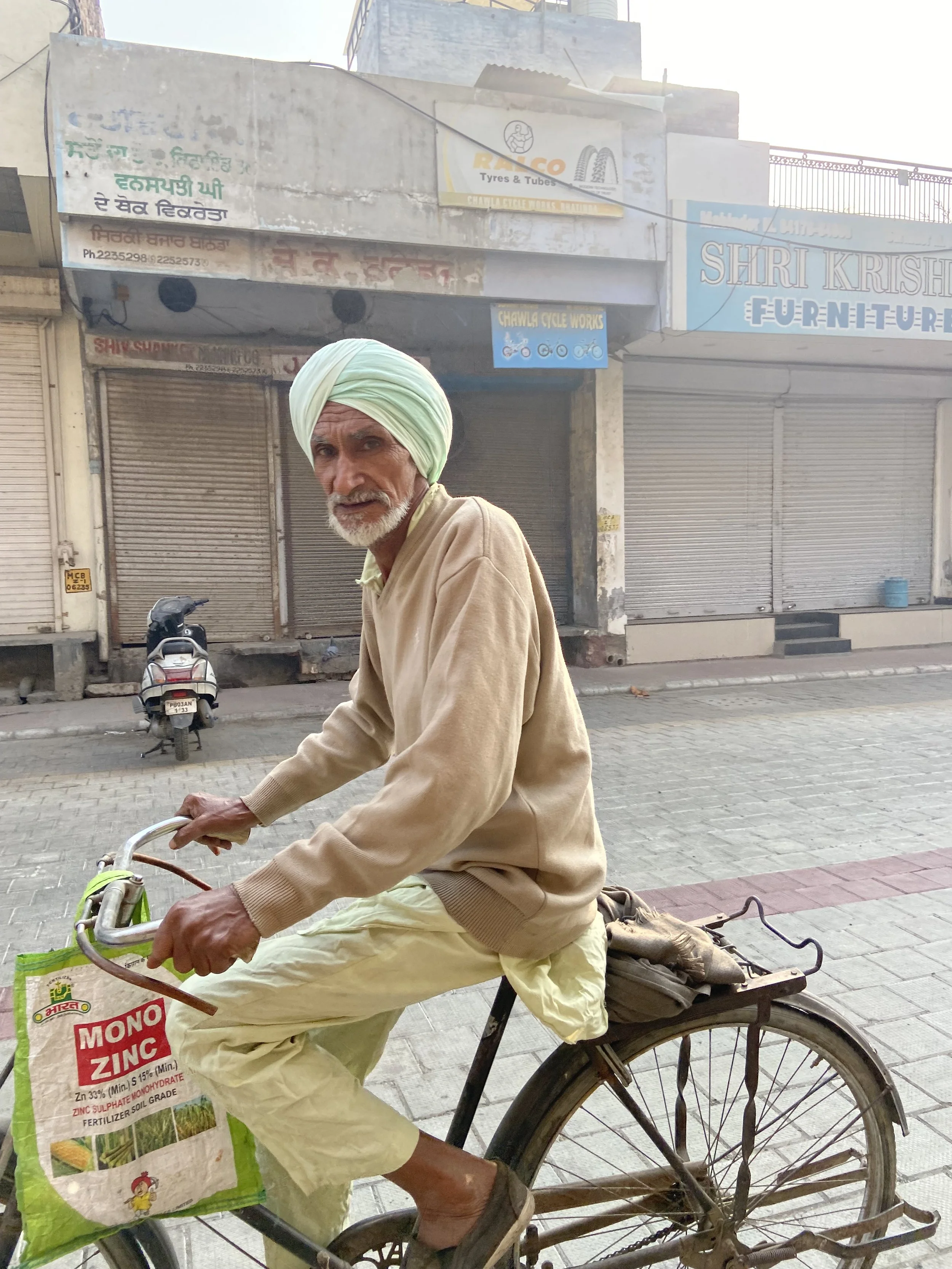
Organise a bespoke journey, a craft sourcing trip, research and documentation, photoshoots in the region.
 

4.jpg