
A Passage to Portugal: Bridging the Past and the Future
“Any Portuguese town looks like bride’s finery – something old, something new, something borrowed, and something blue.” – Mary Mccarthy
If 16th century Lisbon was the centre of a universal commercial empire that interconnected the West and the East, today it is a rising design capital that attracts savvy travellers from around the world. The erstwhile trading dominion of Lisbon was established by Portugal’s seafaring history, influencing its people’s material and visual culture. This invaluable, inherited and idyllic craftsmanship of Portugal is undergoing a potent advancement through holistic interventions.
Once we had our fill of walking around downtown Lisbon to admire the yellow trams, porcelain tiles and picturesque boutiques, we embarked on a road trip with Passa Ao Futuro to explore textile traditions.
A non-profit association that preserves, promotes, innovates, activates and celebrates the Portuguese artisanal sector, Passa Ao Futuro helms a series of cultural initiatives for the continuity of heritage knowledge. As enablers of communication between traditional techniques and contemporaneity, they support a socio-economically responsible and environmentally sustainable business model and future. They took us to Alentejo to visit some of the communities they have researched and are working with.
Beyond Lisbon; About Alentejo
Finally, under a surreal sky that echoed the blues and whites of the iconic azulejo tiles found all over Portugal, we cruised onwards to Alentejo. Literally meaning “beyond the river Tagus,” Alentejo is a predominantly agrarian region. We were welcomed by its open, soft rolling hills and plains. The bucolic landscape was interspersed with cork, oaks, olive trees and grapevines.
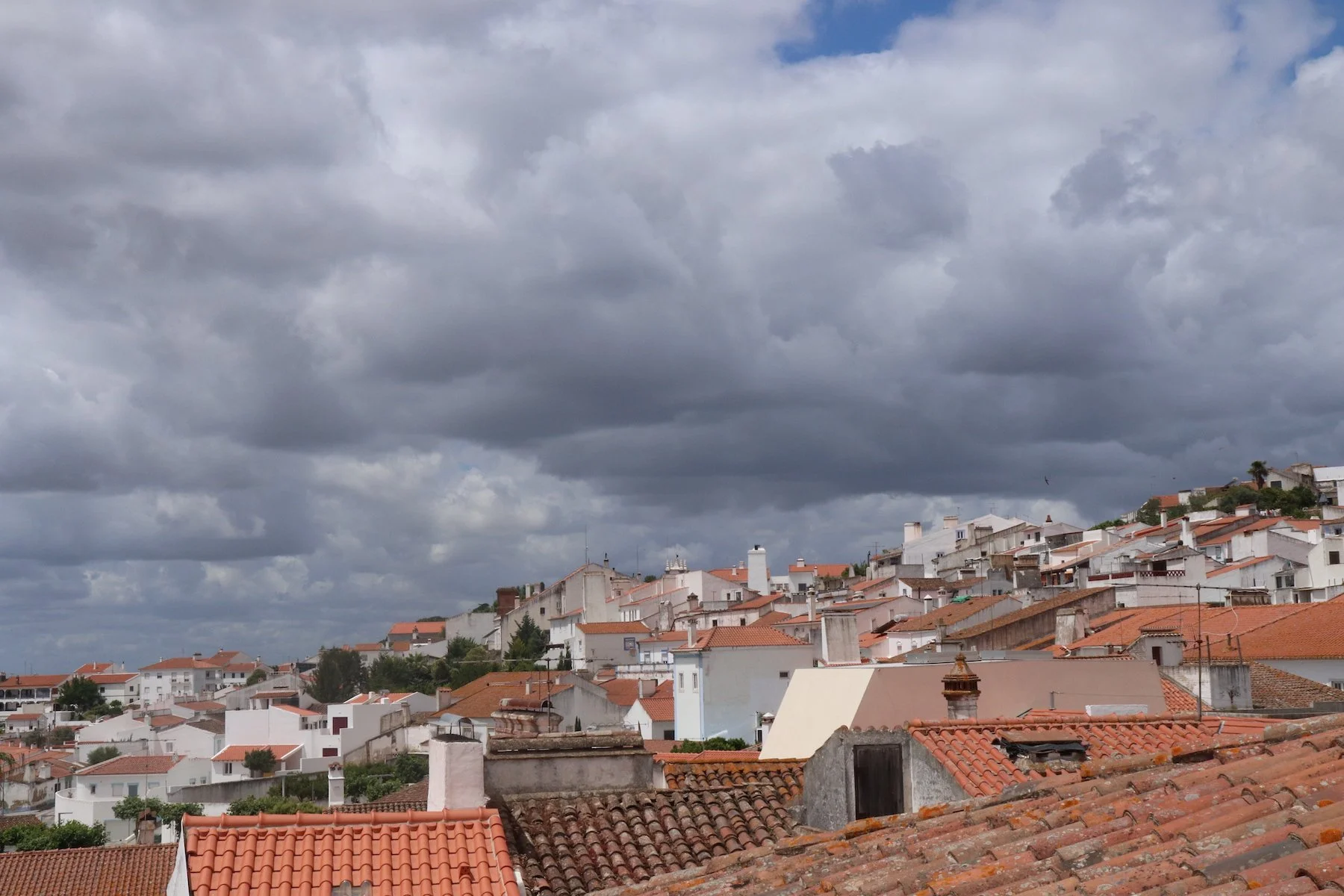
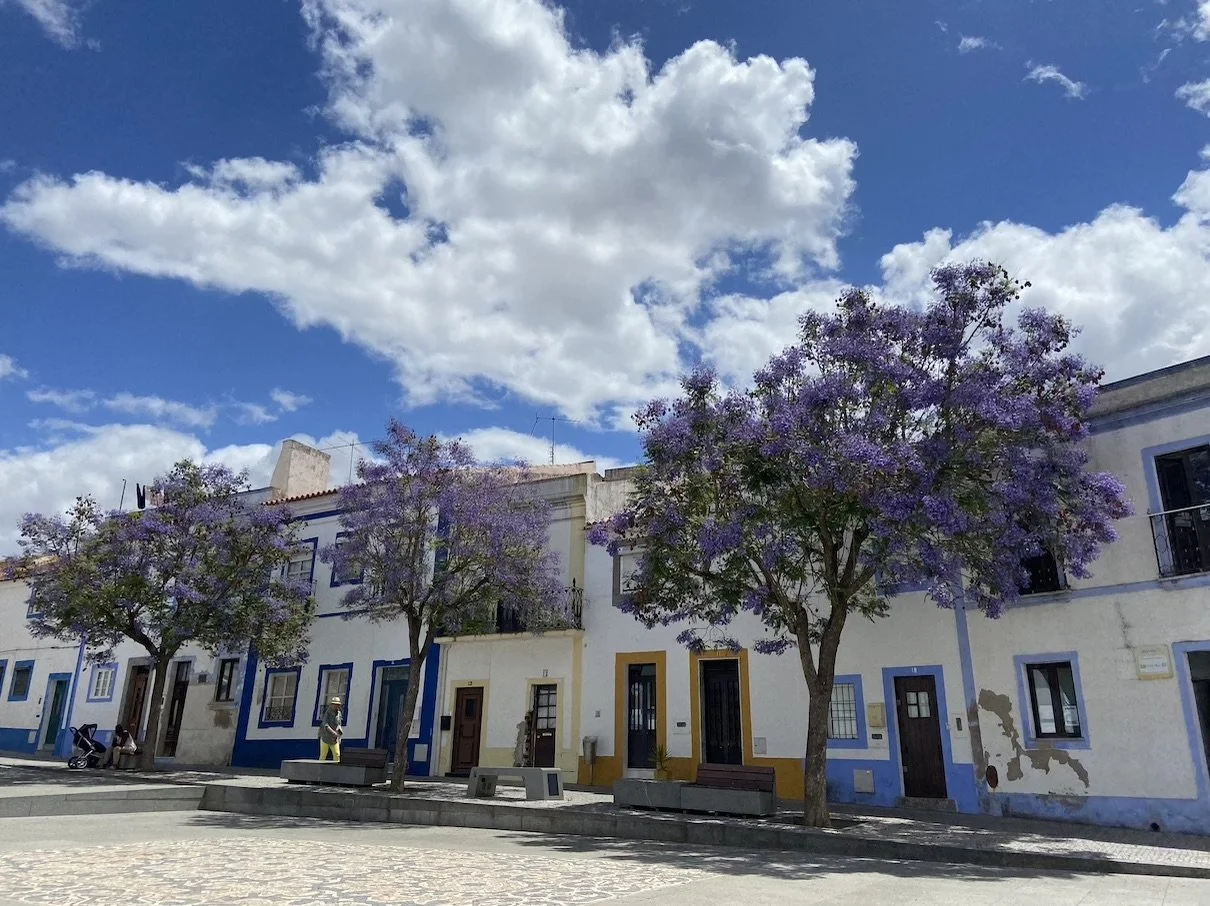
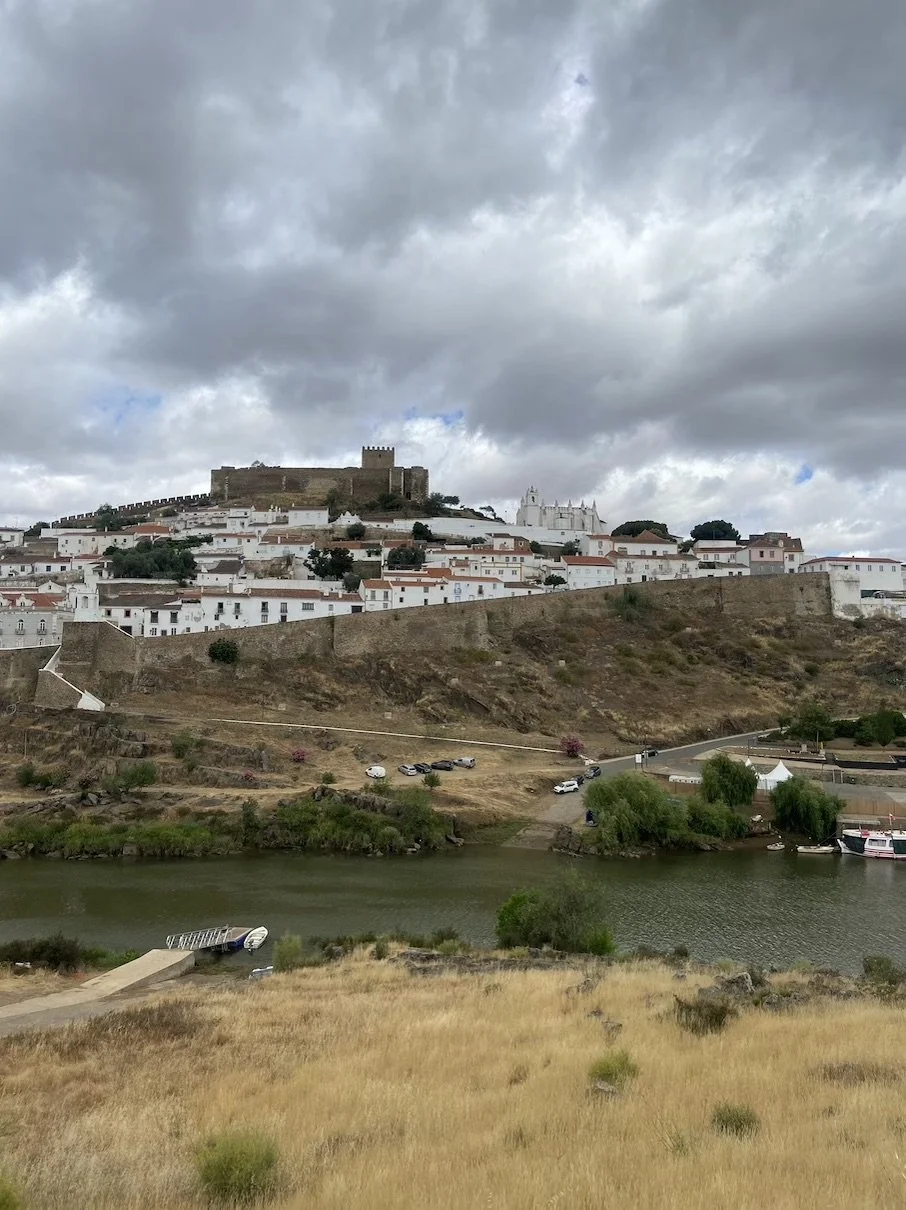
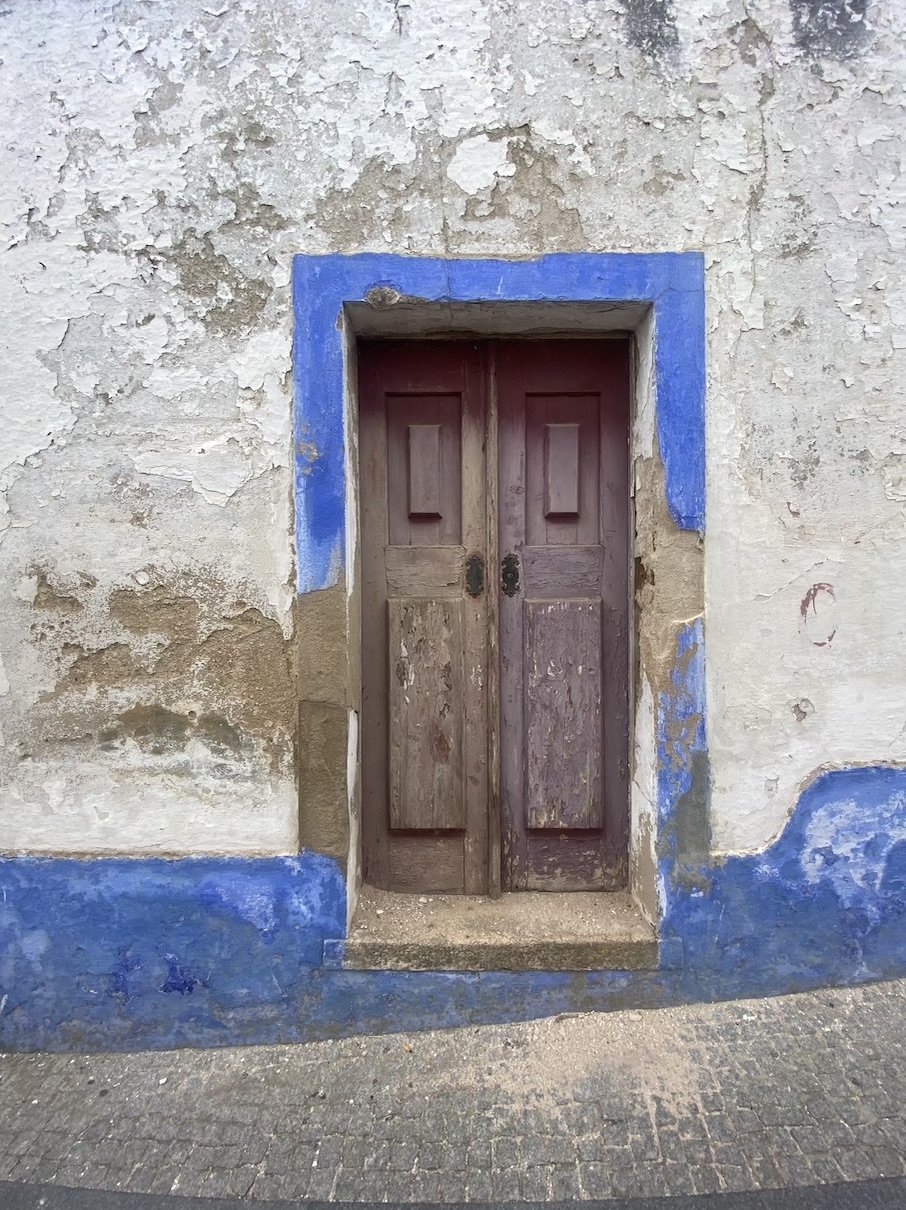
On reaching the dreamy town of Mértola, we were amazed by the remnants of bygone civilizations. A region surrounded by white buildings with blue and mustard borders, nesting sites for storks and the Guadiana River—this quaint hilly region traces its history back to Classical Antiquity. However, it is Mértola’s connection to the Moors of Maghreb, dating to the period between the 8th century and mid-13th century, that has been meticulously conserved and restored by the Museum of Mertola’s Islamic Art Unit.
Mértola, Museum & Mihrab
Renowned archaeologist Claudio Torres was instrumental in excavating the Islamic artefacts near the town’s castle and ascertaining that the nearby main church, with its four portals and horseshoe arches, typical of Islamic architecture, had once been a mosque before the Christian conquest. Inside, one can still find a mihrab, a niche in the wall indicating the direction of Mecca, and the presence of syncretic faith in Mértola. The Festival Islâmico de Mértola celebrated every two years exalts the cultural connection between Islam and Mértola.
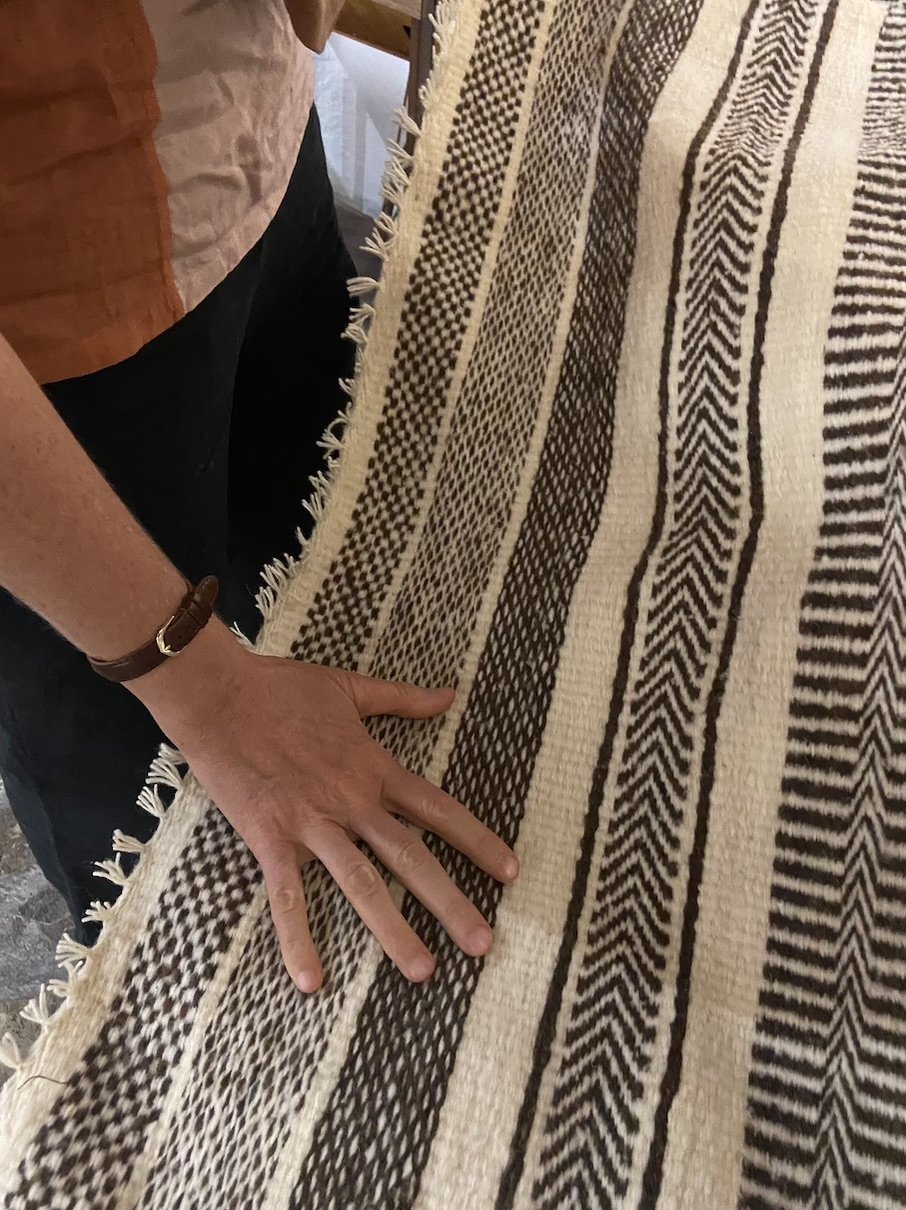
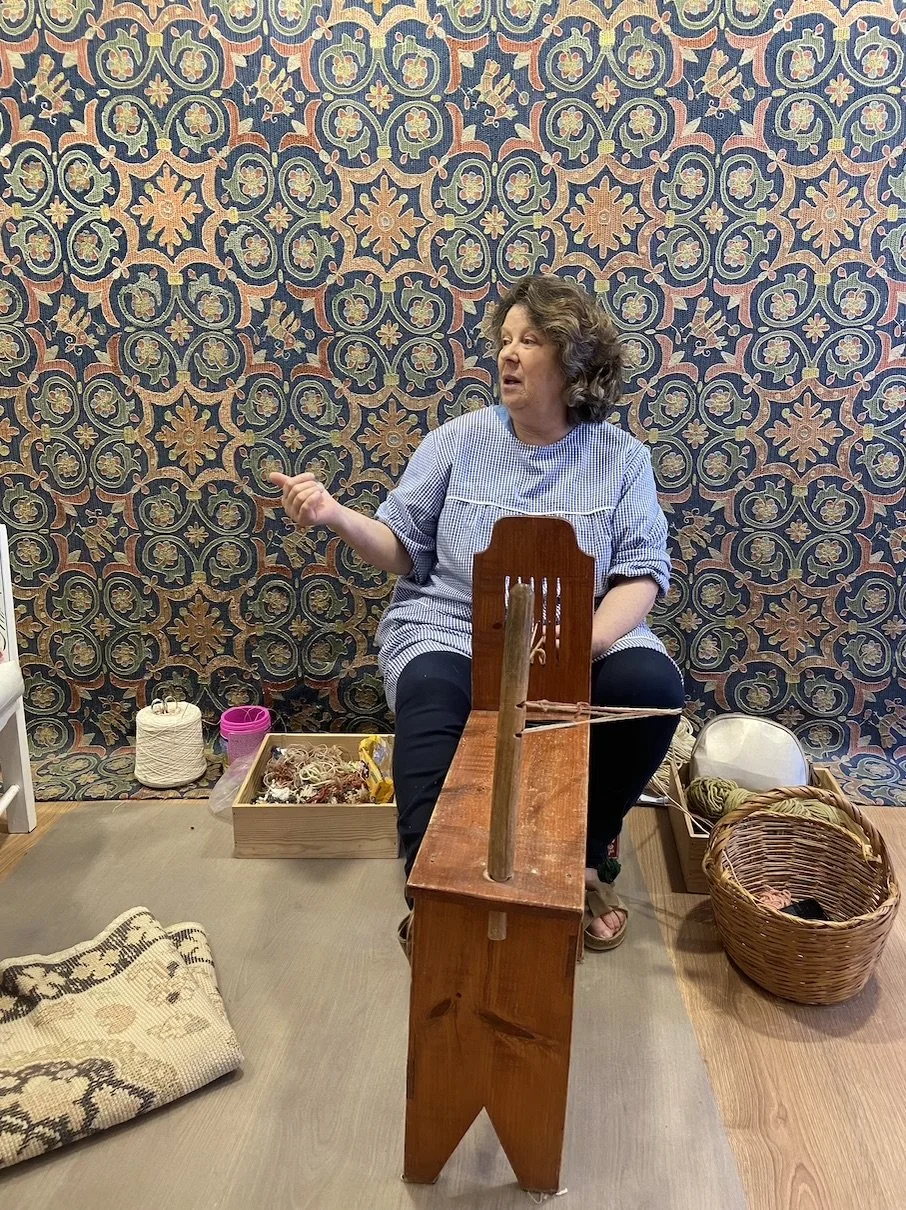
The past and the future merge subliminally in Mértola, along with the archaeological projects, Mértola established its position as a cultural epicentre with its committed dedication to the revival of traditional weaving crafts. Here, an all-women organization functions as a continuation of one of the oldest textile traditions of the region. Exhibiting tremendous skills in the art of weaving, these women are also the last remaining keepers of this exquisite knowledge system. One can find weaving-related objects like spindles, ‘cossoiros’, distaffs, looms, weights, needles, thimbles, and other tools in the museum. The weavers in this region have always had a farm-to-textile approach to weaving. Apart from being utilitarian pieces for warmth and protection, these natural textiles were also used as grain sacks for carrying agricultural produce—an example of how simplicity, environmental consciousness, and functionality were at the core of the agrarian design economy, quite similar to the age-old craft of Portuguese basketry. The weaving studio has a beautiful array of can baskets still used as in centuries past. For many people living in Portugal, a locally-produced basket remains a very useful day-to-day commodity.
The textile patterns are replete with stripes and geometrical shapes reminiscent of the motifs found in ceramic objects from the Islamic period unearthed during archaeological excavations. They have also collaborated with chic showrooms like the Lisbon-based Flores Textile Studio, dedicated to interior design projects and promoting the works of traditional artisans.
The museum, municipal corporation and local organizations work in tandem to train women and further their efforts by facilitating textile residencies, weaving workshops, educational activities, design fairs and more. Passa Ao Futuro has organized two residencies in Mértola, bringing together designers, makers, artists and architects with the weavers to create new takes on the traditional patterns and techniques.
Enroute Evora
We drove deeper into the countryside, through winding pathways and between green fields towards Évora, the historic capital of Alentejo. Every corner of Évora is a portal to delve deeper into ancient history. Other than its many monuments of historical relevance and medieval protective walls, it is most famous for its Roman temple. We trundled along to our next stop—Fabricaal.
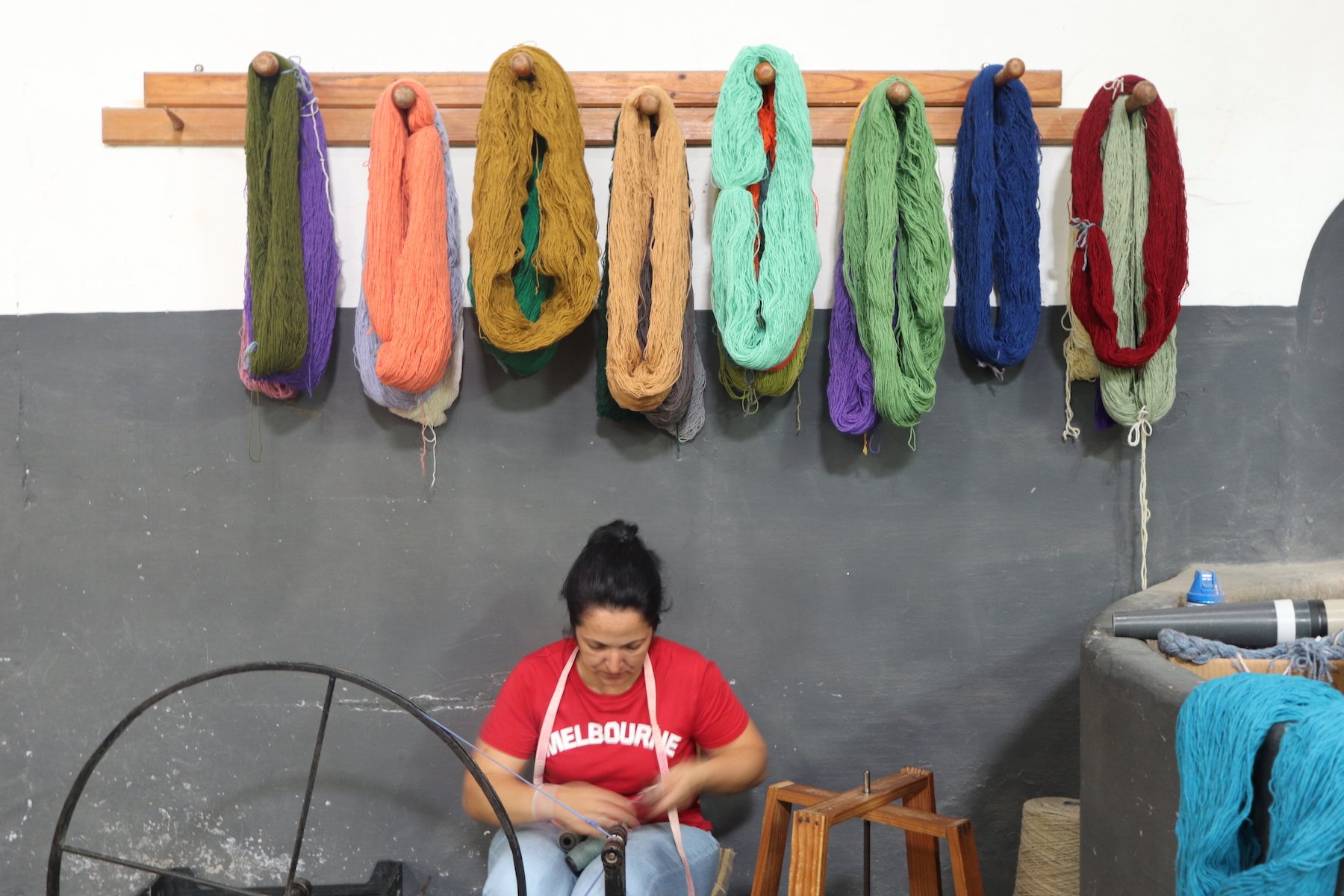
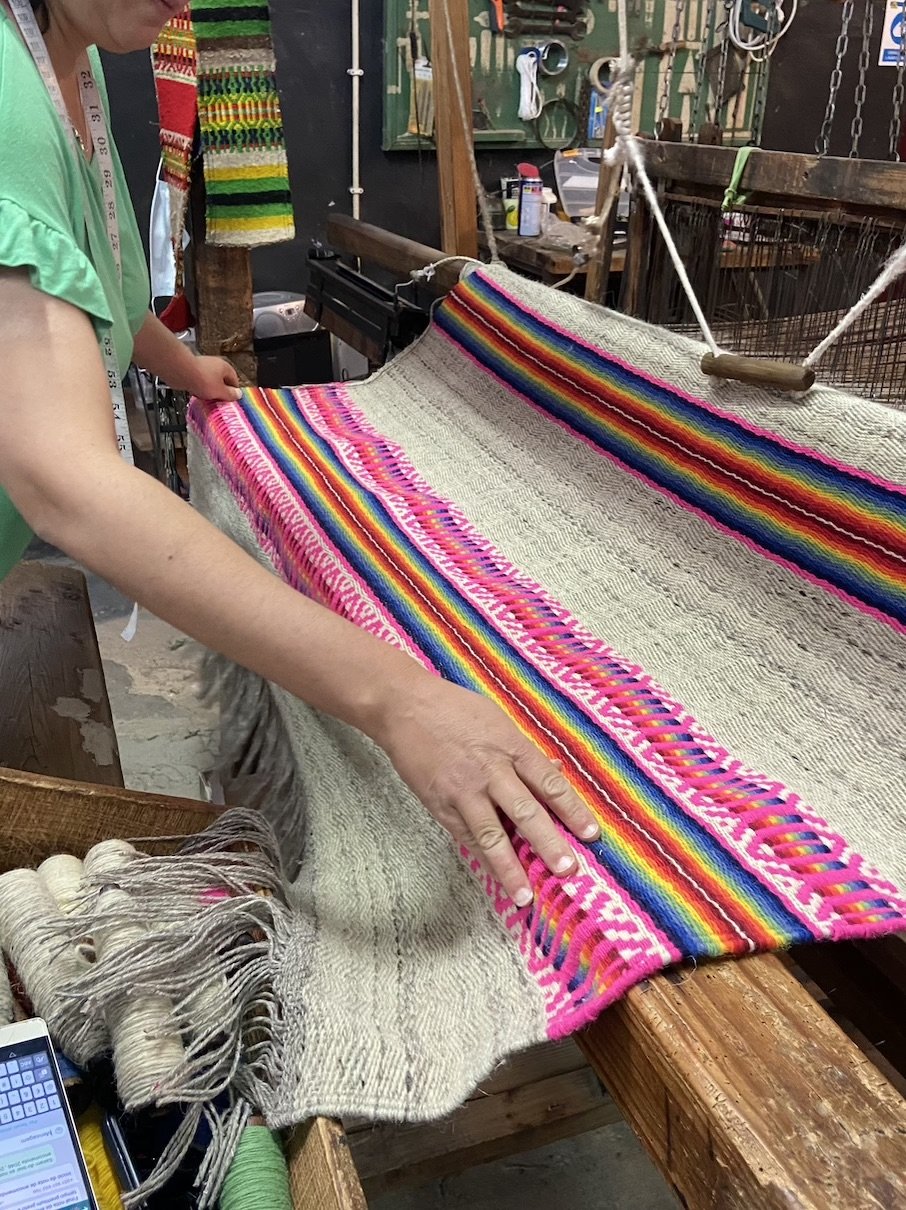
A weaving facility founded in 1930, Fábrica Alentejana de Lanifícios, has been a hub for artistic development that has been preserving traditional weaving patterns for nearly a century. Their artisanal products are timeless pieces that evoke the journey of the traditional manta or blanket from the looms to the homes. One can also notice the transformation of simple natural wool, available in whites and browns, to striking coloured weaves and sophisticated designs.
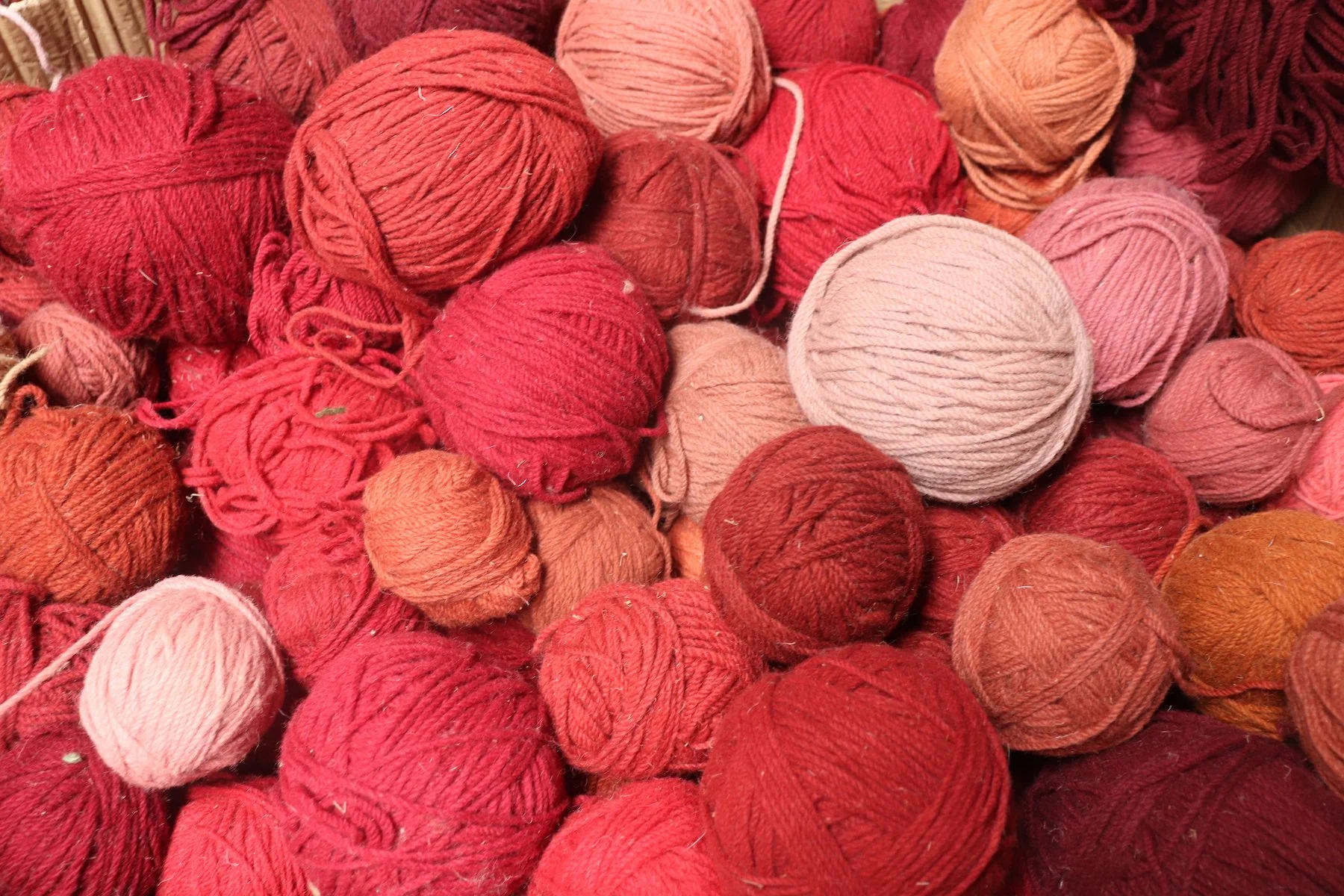
Once used by local shepherds to get through the harsh winters of Alentejo, the wool comes from the merino sheep common to this area and known for their premium, smooth, resilient, and fine-textured fleece. In earlier times, they were washed in olive oil to make them water-proof. These tightly woven textiles exhibit an array of colours and patterns—an evocation of the culture and landscape of this region that possesses unsurmountable beauty and agricultural riches. The rural fields full of flora and fauna, the typical rustic white-washed houses and the ever-evolving historical legacy of this pastoral land translate to eye-catching motifs and shades of orange, yellow, red, grey, and beige.
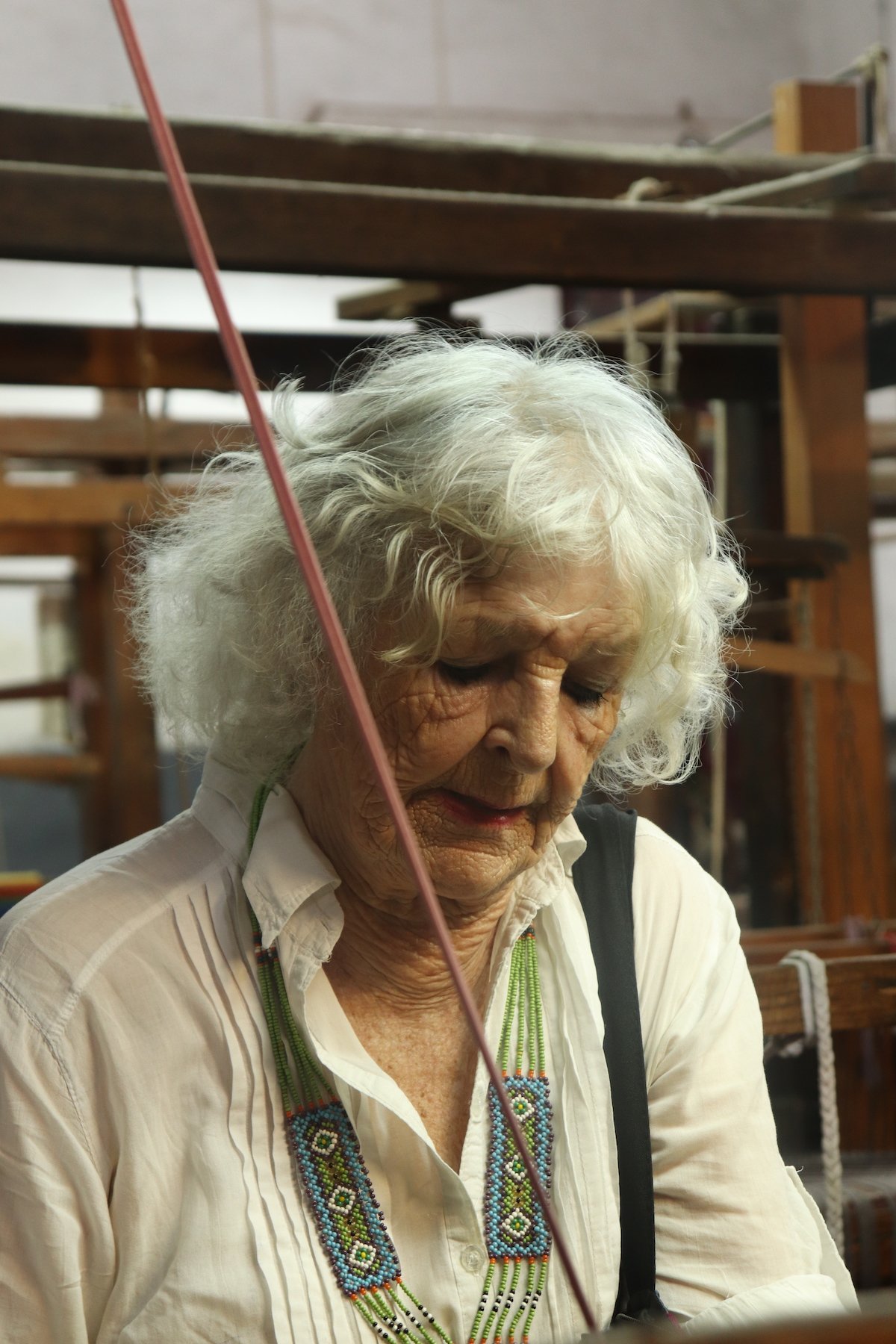
The innovative work of Mizette Nielsen kept the traditional weaving alive during the 70s at Fabricaal while facing waning interest in this artform. A pioneering entrepreneur, Mizette saved the manufacturing from closing down by buying the factory and spending a significant portion of her life to preserve this important textile history. While she embraced the original mantas or patterns, new interpretations involving colours and designs were added to keep up with the modern markets.
The story of Fabricaal is an inspirational tale of a community that relentlessly holds onto its traditions to move forward for a conscious future. All creative innovations are rooted in the cultural and historical heritage. Besides, each piece is made by hand on wooden looms and dyed sustainably.
Tapestries of Portalegre
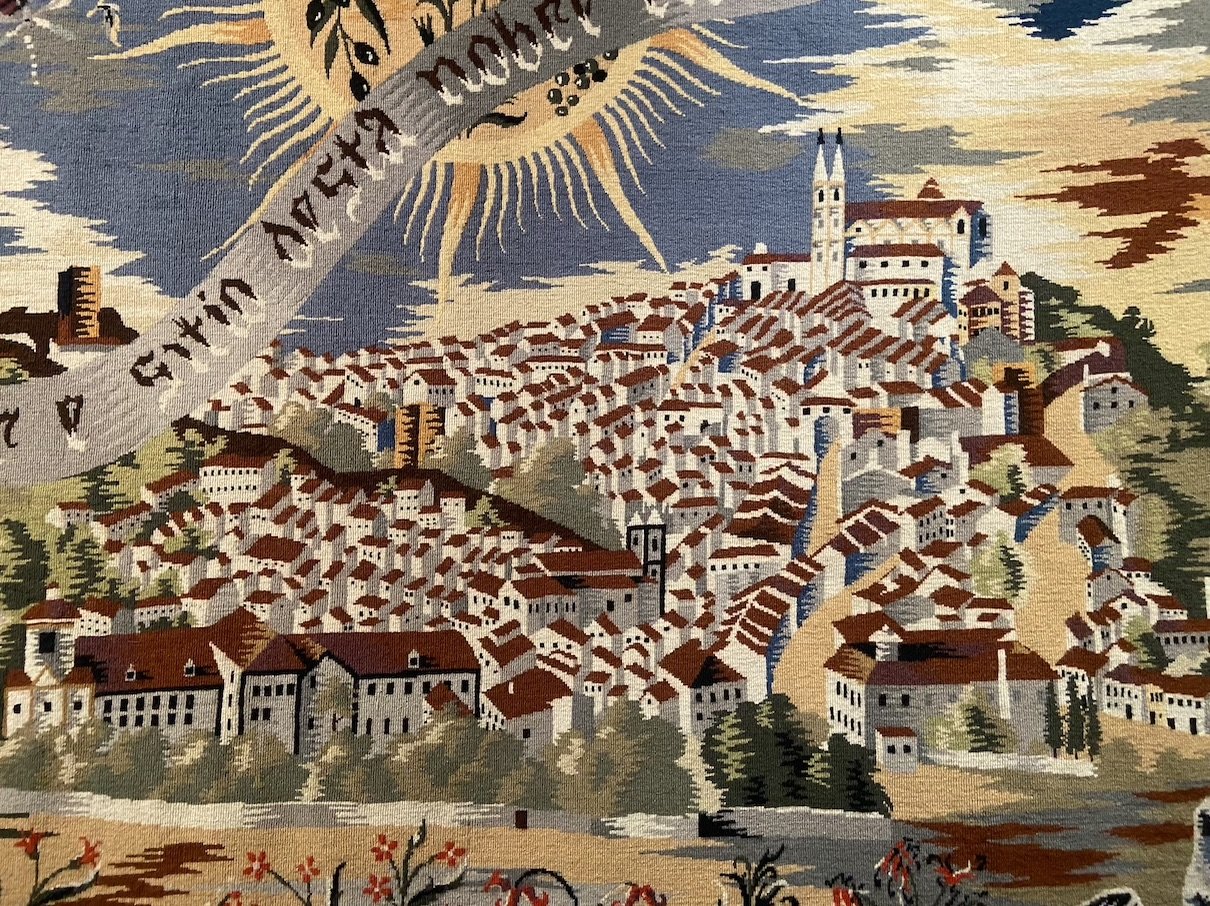
In search of the last generation of tapestry weavers, we drove from Evora to Portalegre. In the Museum of Portalegre Tapestries, located in the Palace of the Counts of Castelo Branco, we saw the intriguing and unique art of translating paintings into tapestries. From depicting scenes of war, agriculture, celebrations, and other figurative paintings to contemporary abstract arts, these hand-woven decorative tapestries exhibit rich chromatic effects, enabling depth, transparency and surface superposition effects with a highly smooth finish.
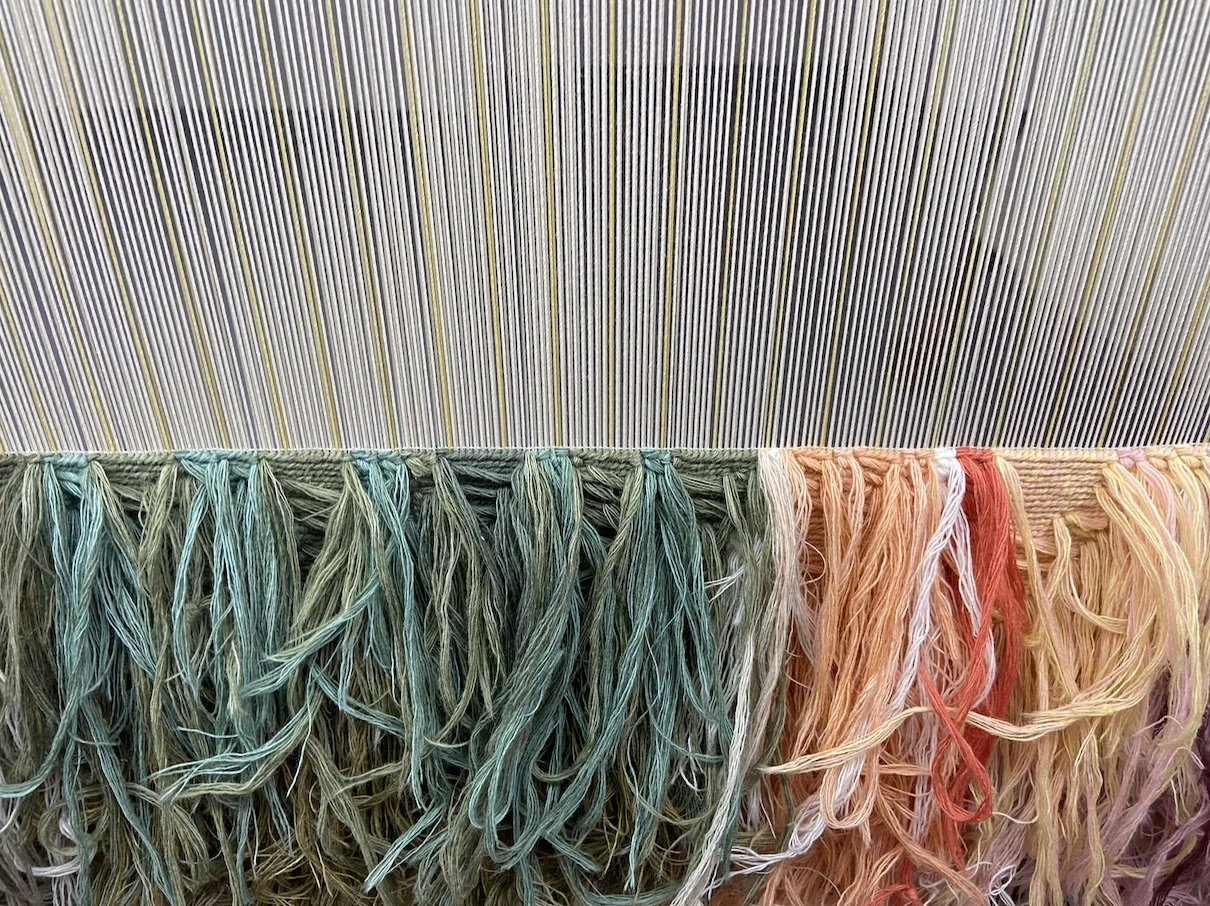
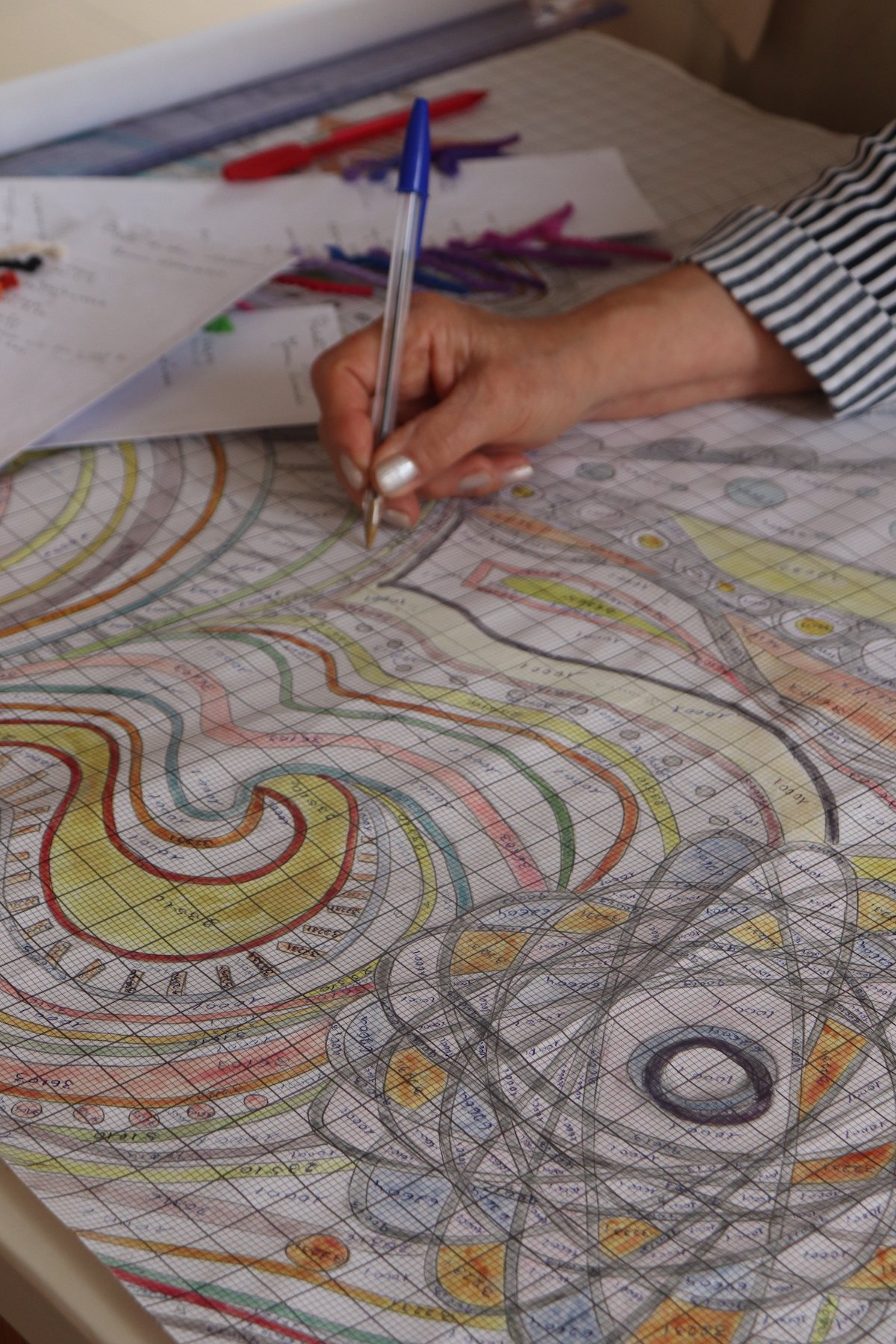
The physically intensive mural tapestries are woven on vertical looms and the threads are dyed in huge vats to form wool palette with more than 7000 colours. The color-matching and graph-making process to translate the painting or drawing into weaving was the most intriguing part for us. It takes roughly 9 to 12 months to finish a single piece of these highly prized artefacts. The Portalegre technique, distinct from French tapestries, are published in a limited series of 1, 4, or 8 copies. They are numbered and authenticated by the artist through their signature and also includes the title, number and dimensions of the piece. The Museu da Tapecaria de Portalegre, in the last 60 years has collaborated with celebrated artists like Almada Negreiros, Vieira da Silva, Le Corbusier, Bruno Munari, Burle Max and Joana Vasconcelos. The walls of the museum are pure visual treat for art aficionados, made possible through extreme precision that has captured the essence of each painting’s colour palette, pictorial iconography and design techniques.
We were mesmerized by the enormous archive of meticulously detailed graphs and drawers full of threads that detailed their shades of colours. Even our eyes could not keep up with the deft hands of the weavers whose artistic renditions are celebrated throughout the world. This valuable art form boasted around 300 weavers in the 1970s, but today it is a dying tradition only created on commissions for elite collectors.



Arriving at Arraiolos
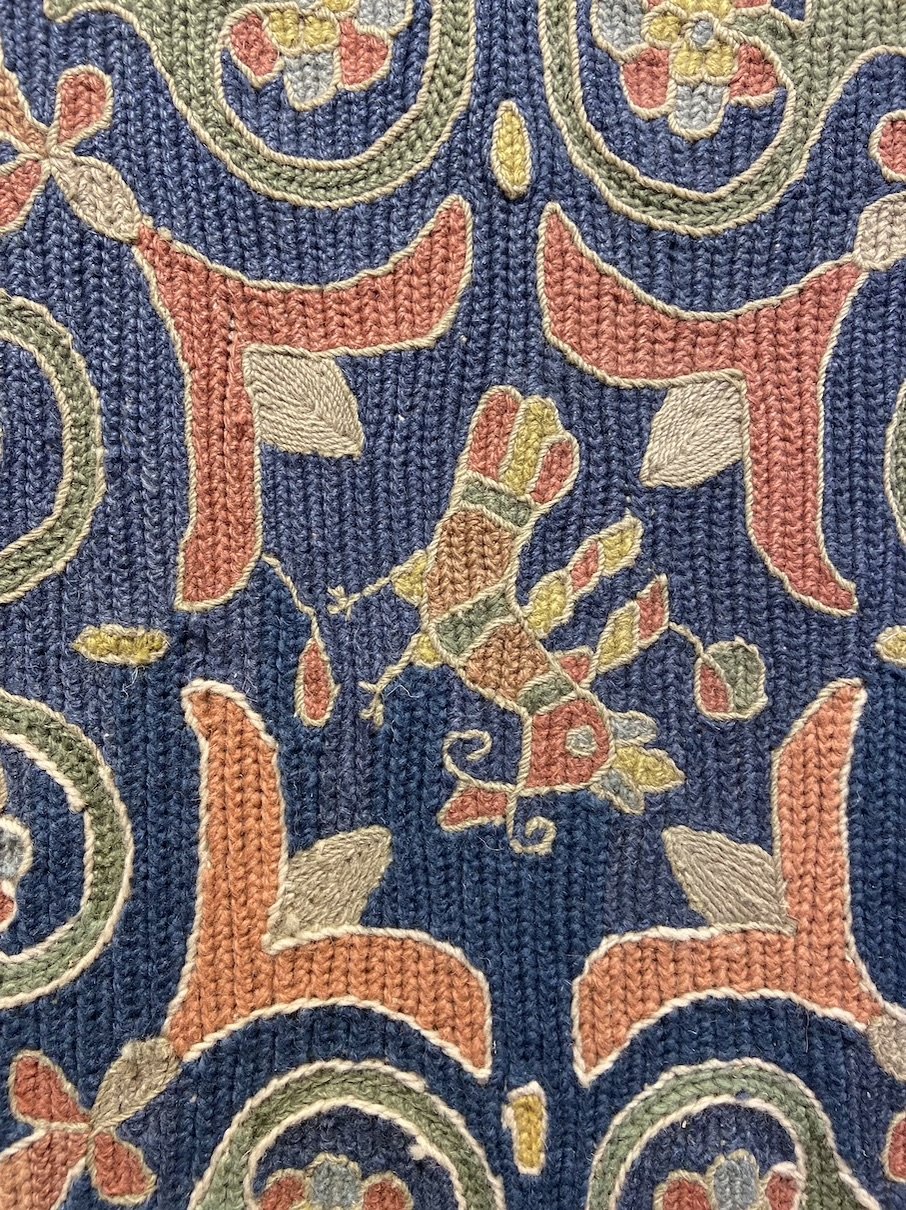
Famed for its circular castle and embroidered needlework rugs, the small town of Arraiolos, marked the last day of our Alentejo sojourn. As textile lovers, it was a creative imperative that we dropped by the Arraiolos Carpet Interpretive Center—a museum dedicated to studying, appreciating and conserving the historical, artistic and cultural heritage of Arraiolos rugs. Here, each rug tells a story, an imprint of its journey through time. The colours and images forms a visual poetry inspired by Portugal’s many cultural influences brought about by liaisons with other civilizations throughout history. The floral motifs and borders evoke Persian influence; another example of how local craftsmanship harkens to cultural exchanges propagated under Moorish rule around the 14th century. However, the unique stitches, motifs, style and colours are typical of folk-art prevalent in this region. The intricate geometric patterns hand sewn onto a base canvas can feel like echoes of the famous Portuguese tiles.
A lot of the history surrounding these rugs is wrapped in mystery. Yet, it was Portugal’s history with India that goes all the way back to the sixteenth century, that truly connected us to the colours and patterns we saw in this place. Incidentally, the traditional crafts of India have significantly influenced that of Portugal, leading to a colourful melangé. Much like Indian embroidery, which depicts historical and religious scenes along with an abundance of flora and fauna, Arraiolos embroidery too features its history and the local birds and animals in its embroidery.
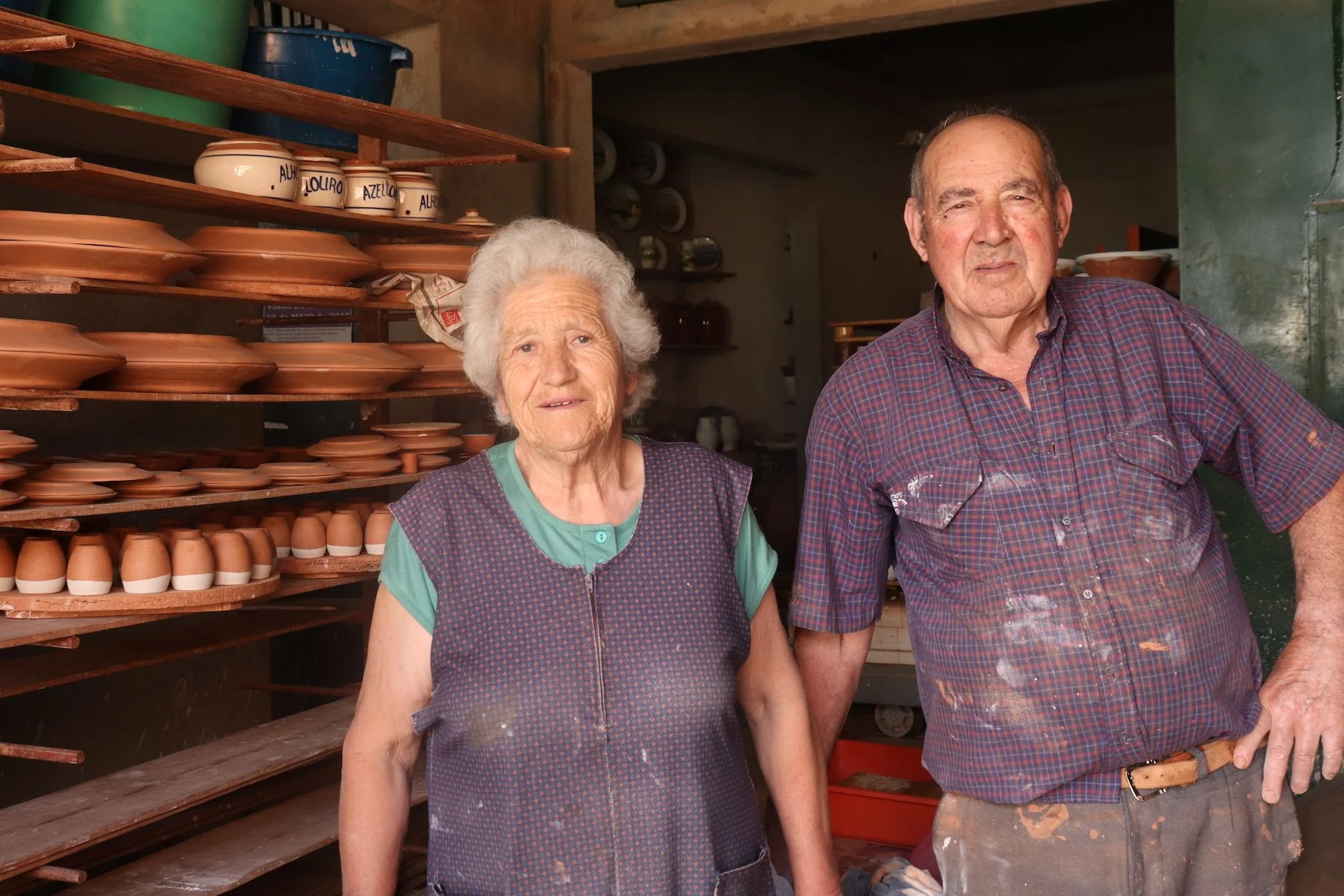
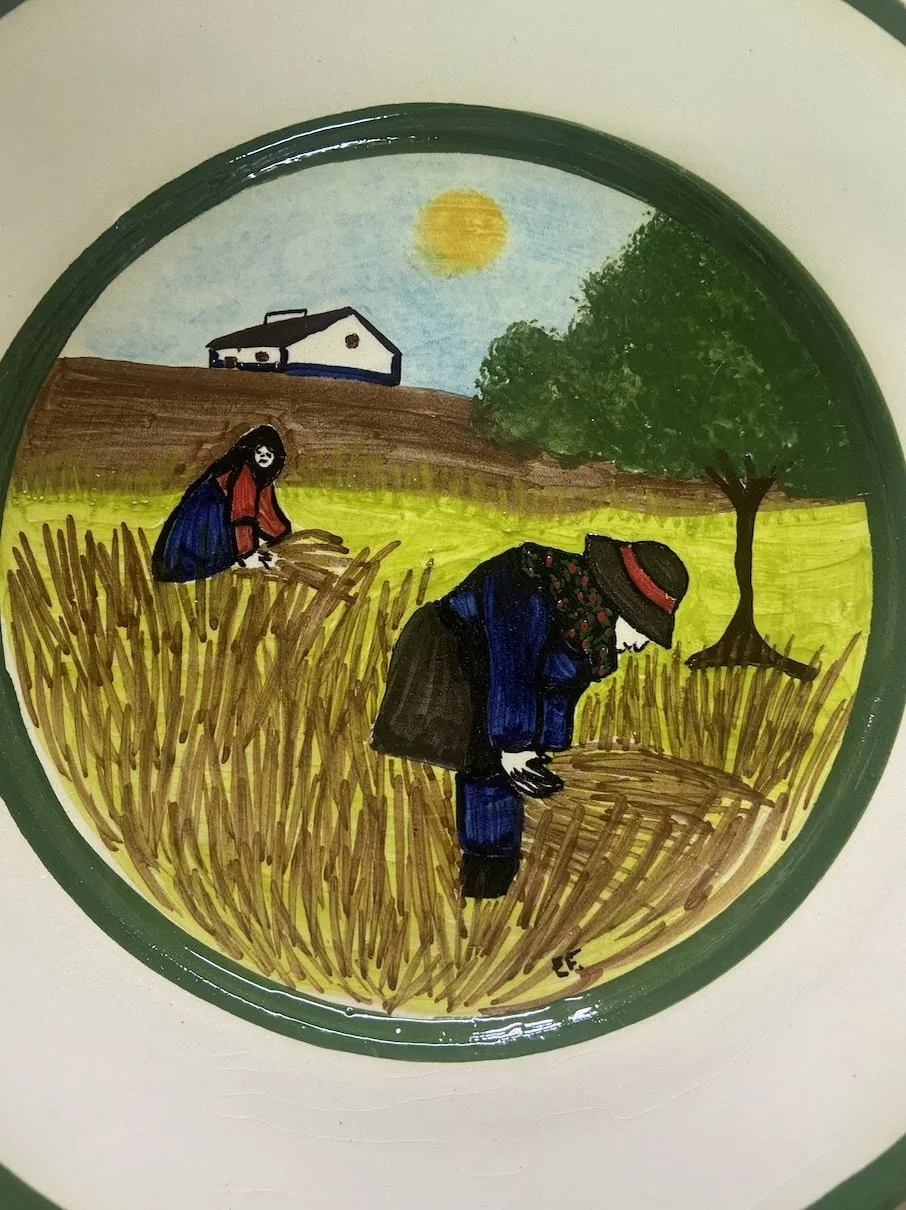
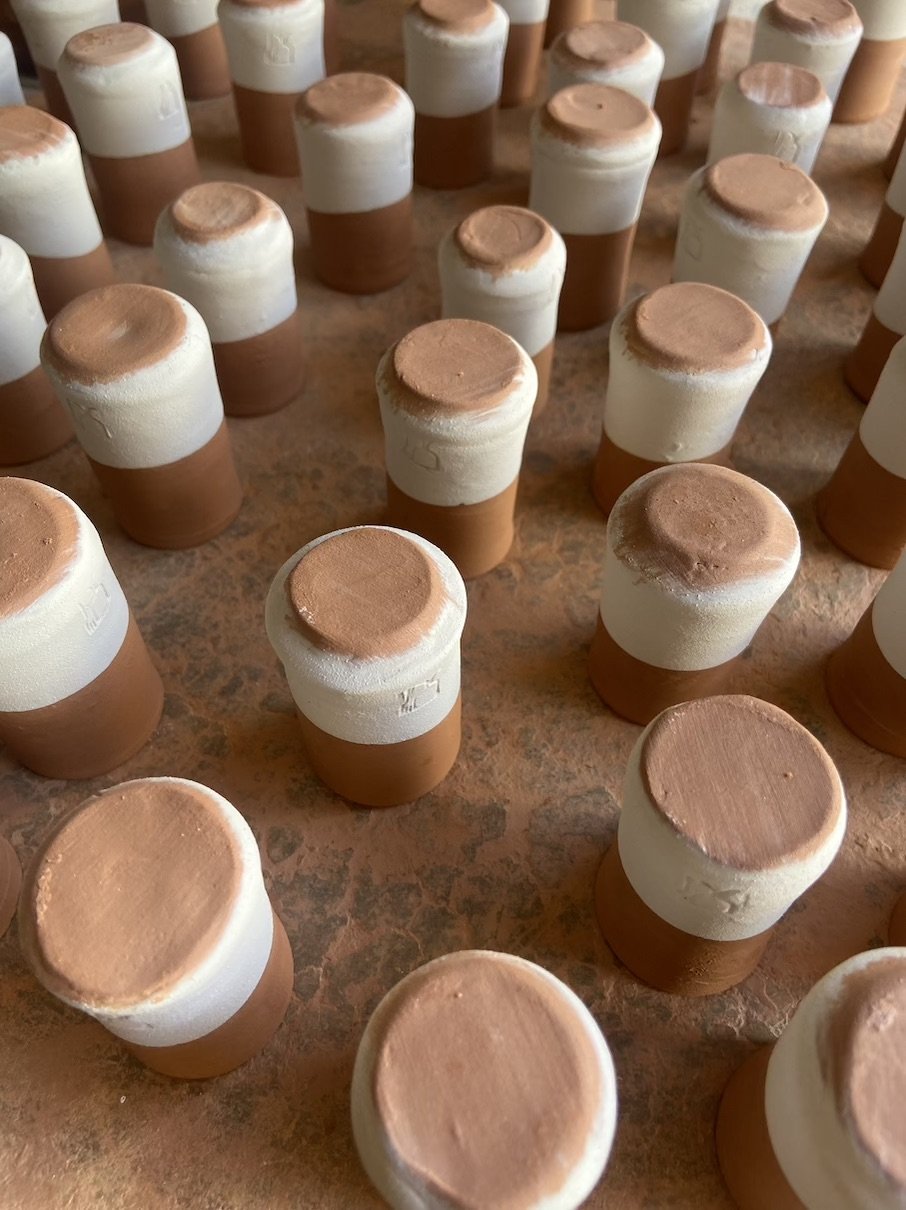
At our final stop at the Olaria Feliciano Agostinho, we met master potter Feliciano Agostinho, who learnt to make traditional pottery from his father and grandfather. Together with his wife, they have been supplying their labour of love to clients for a very long time. These hand-painted pottery pieces, ranging from tiny bowls to large-scale containers, depict rural landscapes and geometric motifs. They are both decorative and utilitarian. We were creatively inspired by the many shades of drying terracotta in their studio. The sensory onslaught brought about by the room full of colourful pottery, the earthy fragrance all around and the sound of the chalky engobe wash used on the pottery pieces before sending them to the kiln transported us to a meditative state. Over beer, bread and cheese, we shared stories. Our hearts melted while listening to their passion for what they do. Their unparalleled humility and hospitality would remain with us long after the trip. With Passa Ao Futuro and Vicara. they have been doing residencies with contemporary Portuguese graphic designers, helping to bring their pieces into new markets.
Farewell Musings
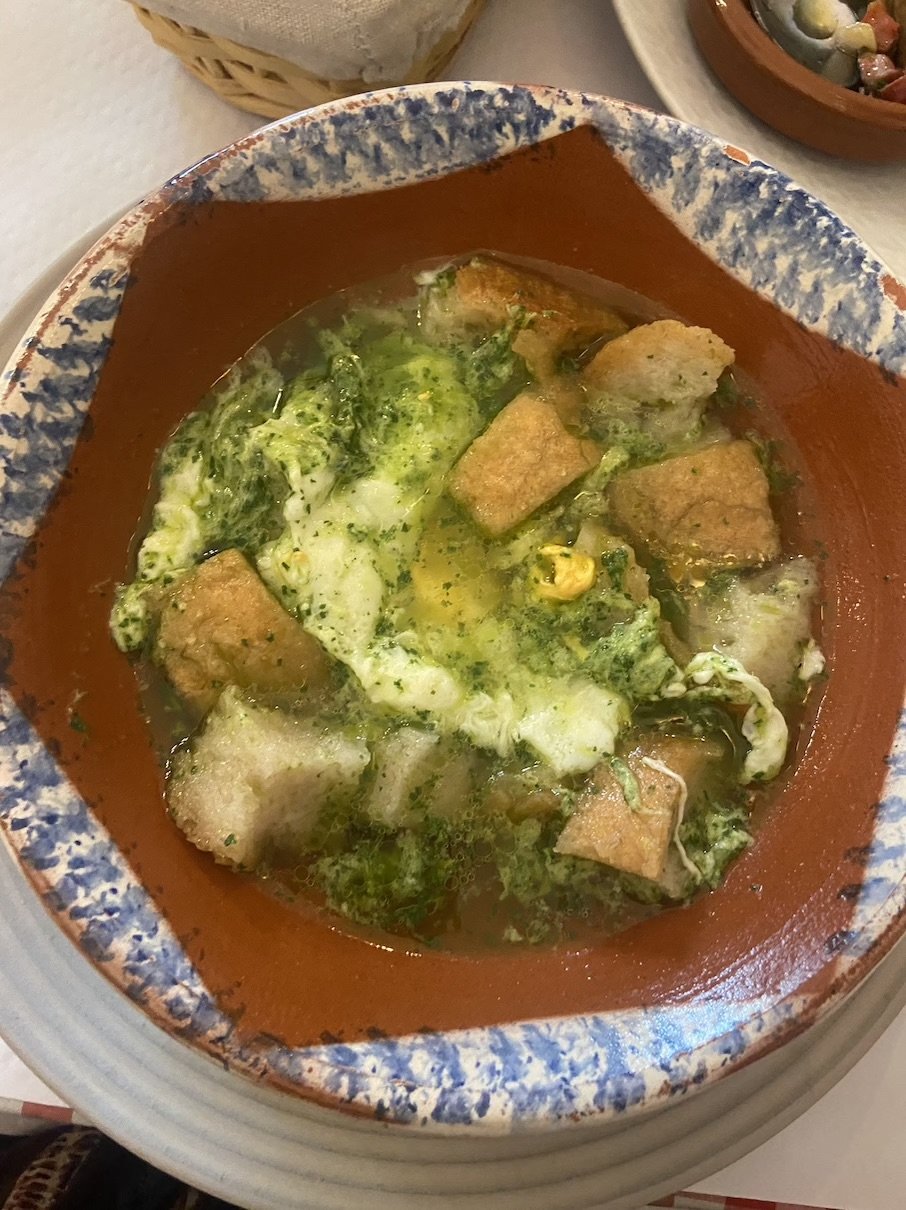
Portugal is a gastronomic treat for travellers, famous for its bread, cheese and wine. While we drove through the country to get to know the locals and their expansive history of crafts and textiles, the local delicacies definitely enriched our colourful journey. We were also quite taken by other items of Portuguese cuisine, like the Sopa de poejos e ovos and the Alentejo soup or sopa de verduras, ovos com tomate and creme de legumes.
The fascination for finding such singly produced items, which serve to portray the human element as much as the artistic endeavour itself, makes a textile and crafts journey through Portugal such a rich and rewarding experience. Initiatives like Passa Ao Futuro and their Um Cento de Cestos (One Hundred Baskets) exhibition bring to light the impact that conversations and actions can have when bridging the past and the future.