
Architecture as Everyday Art | Galle
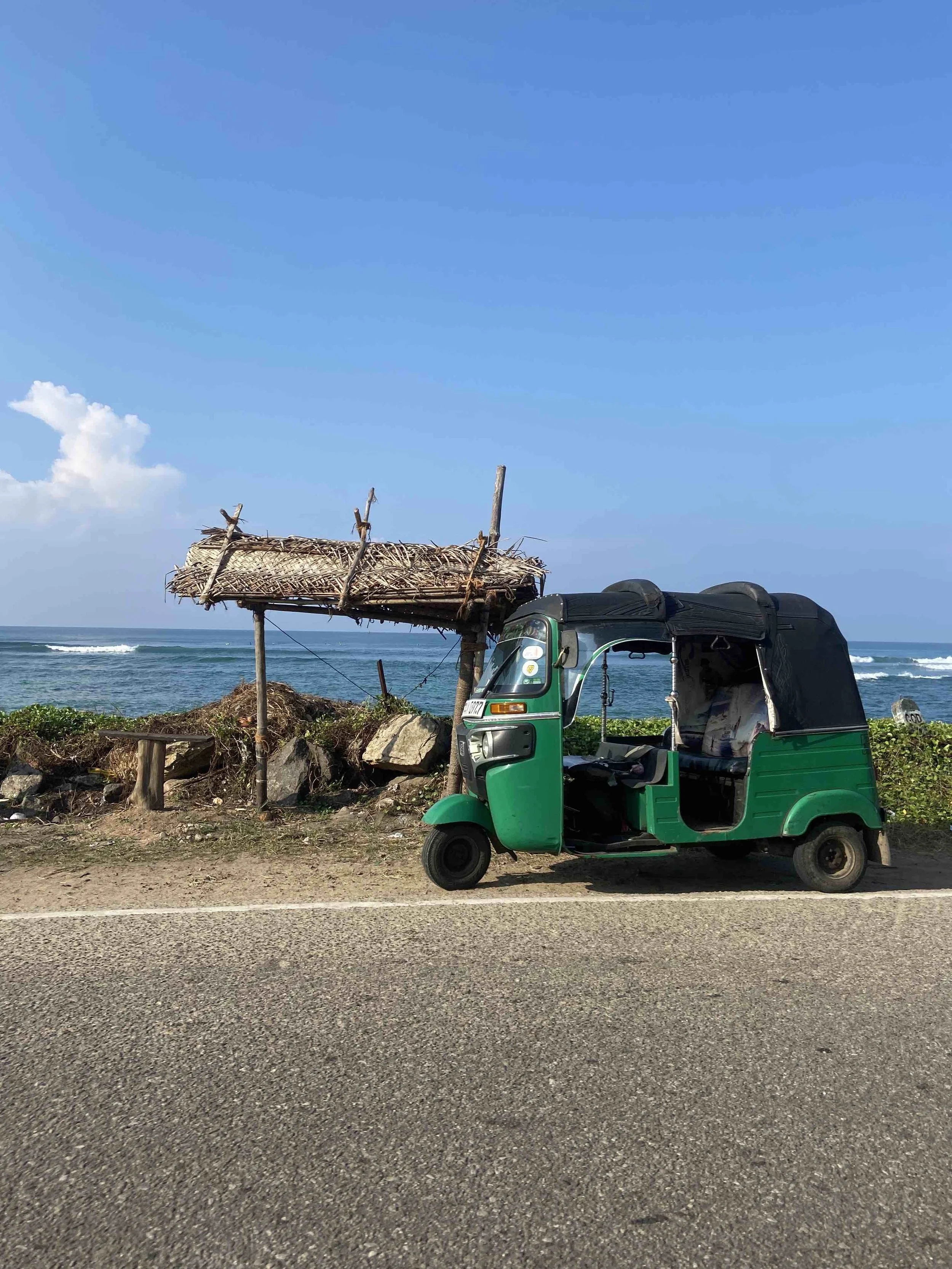
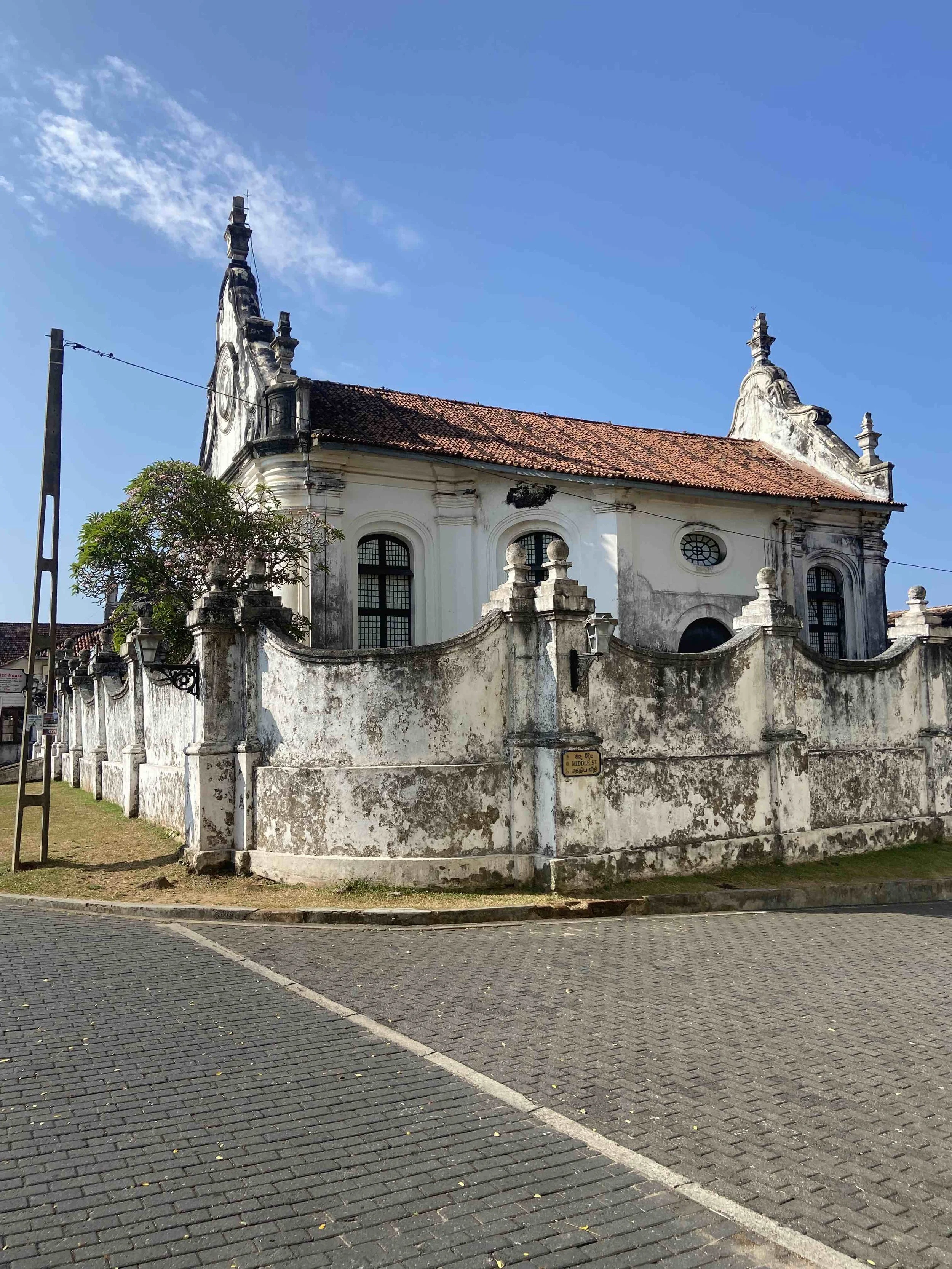
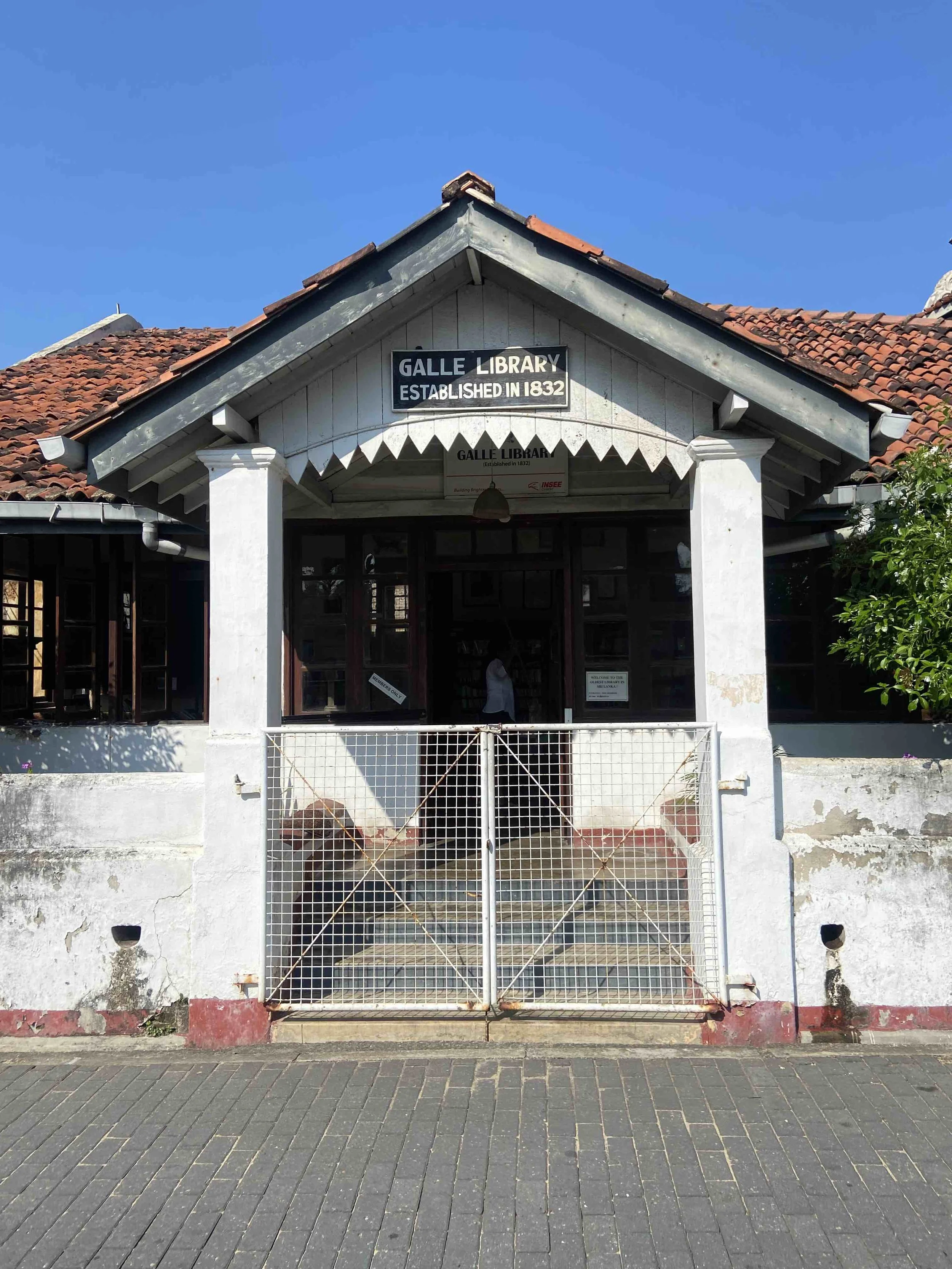
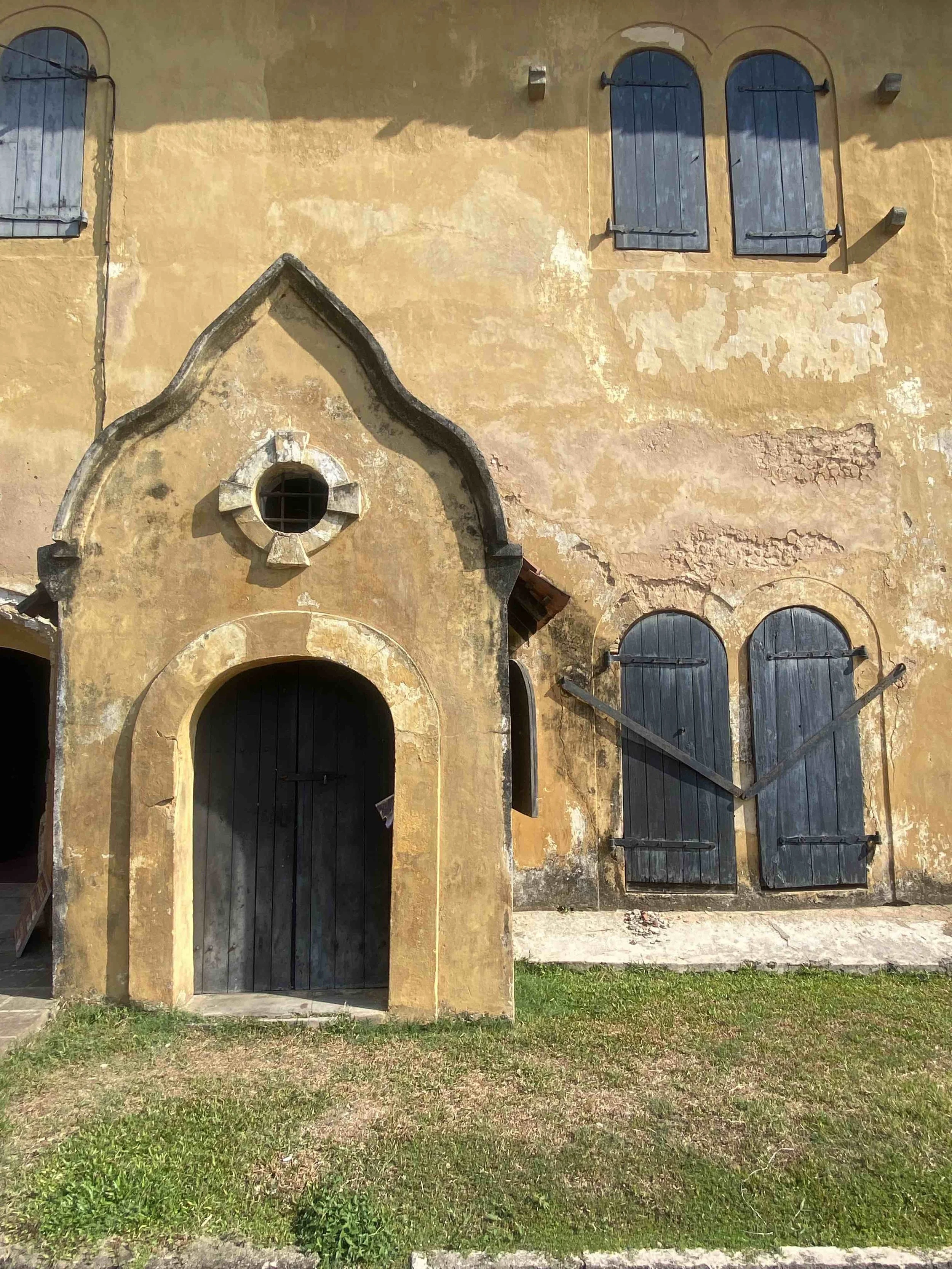
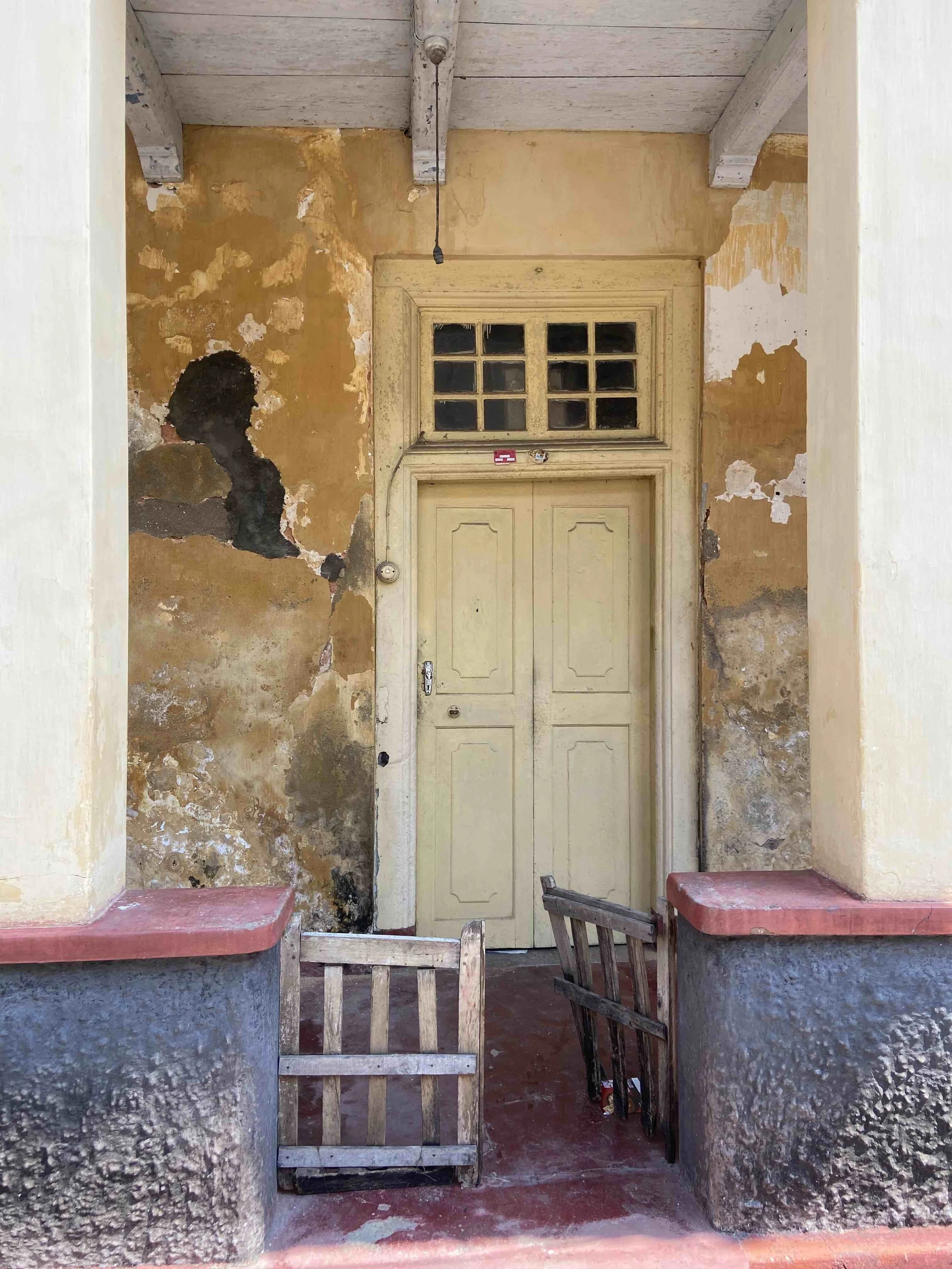
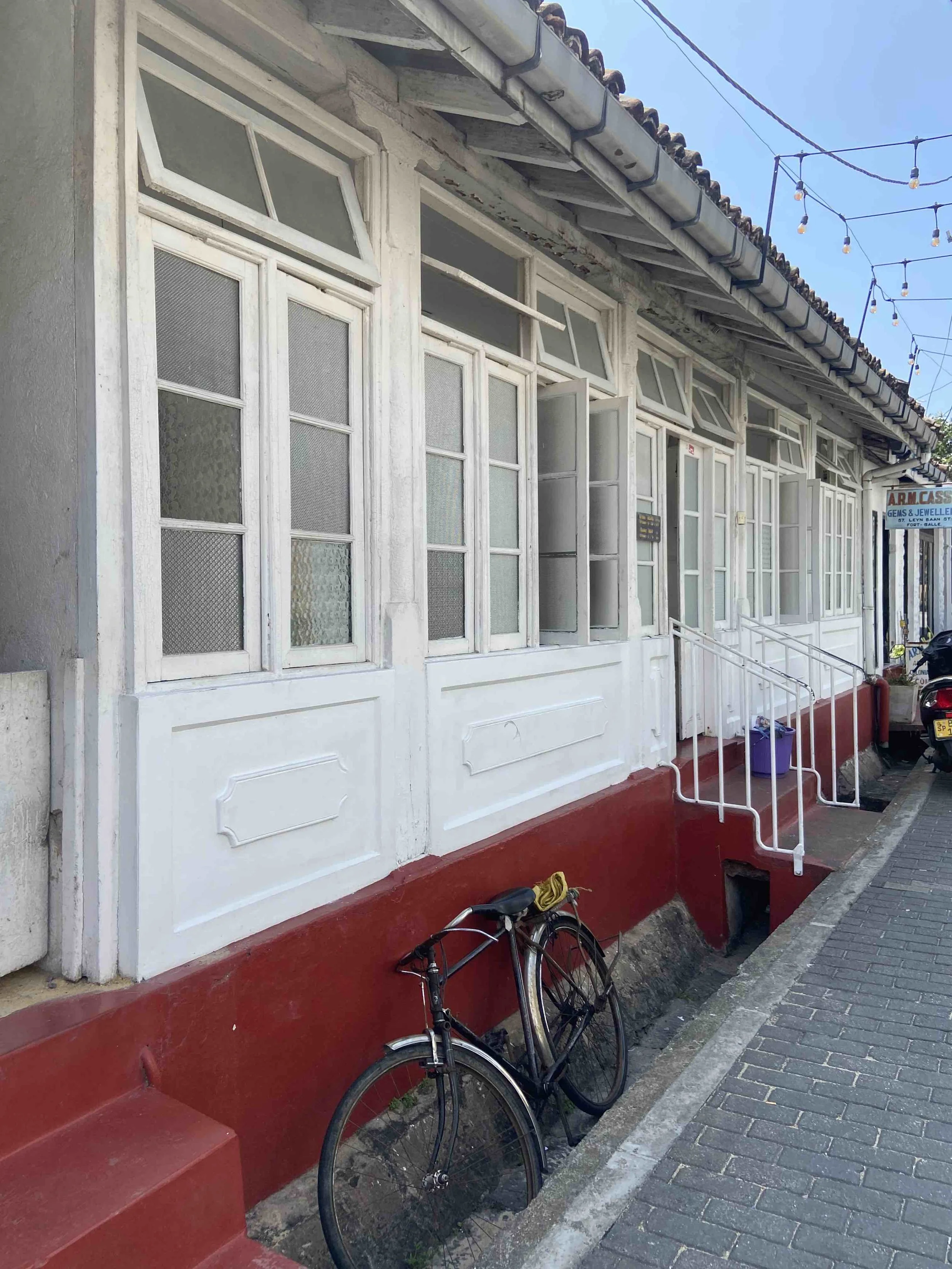
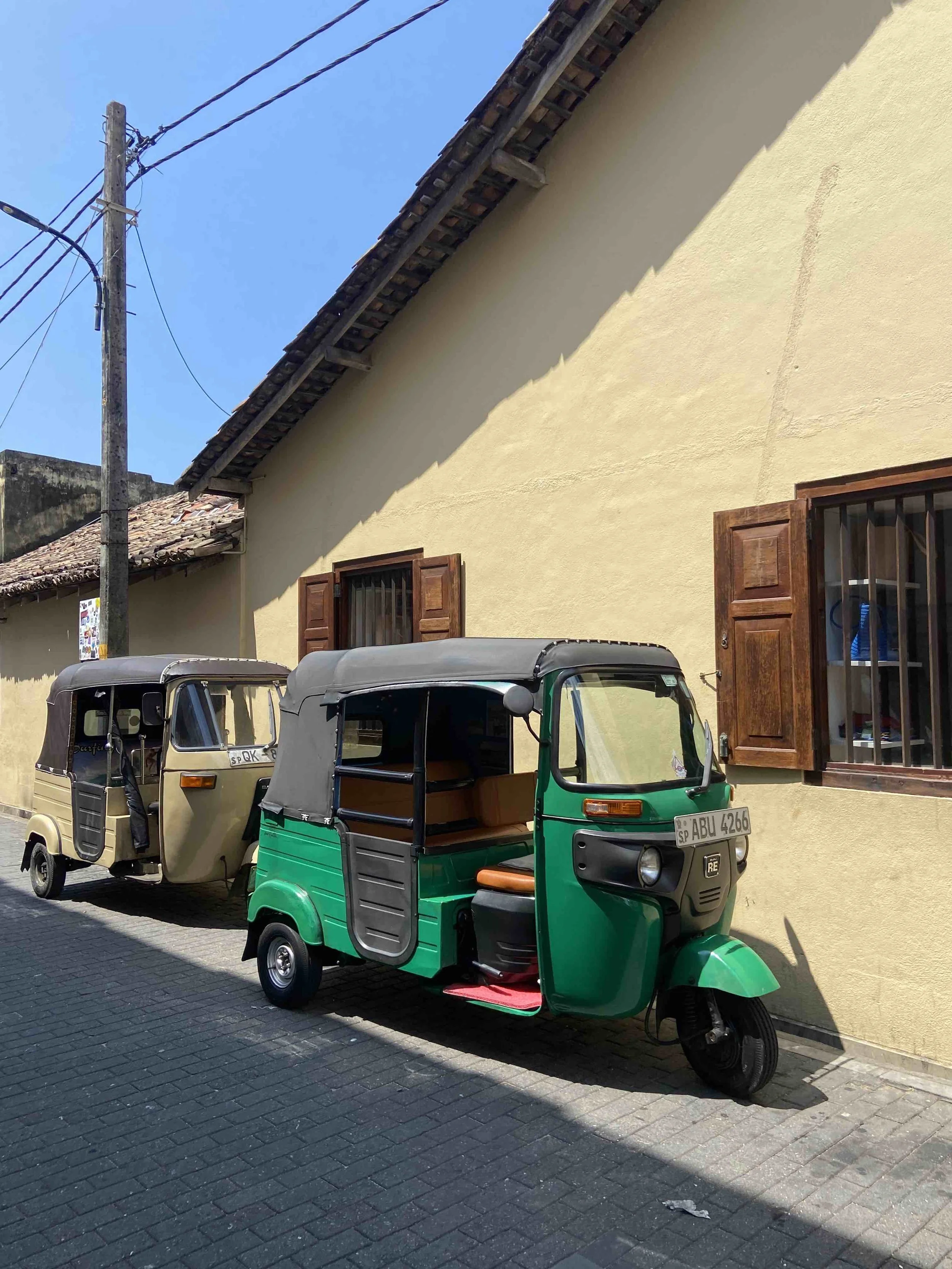
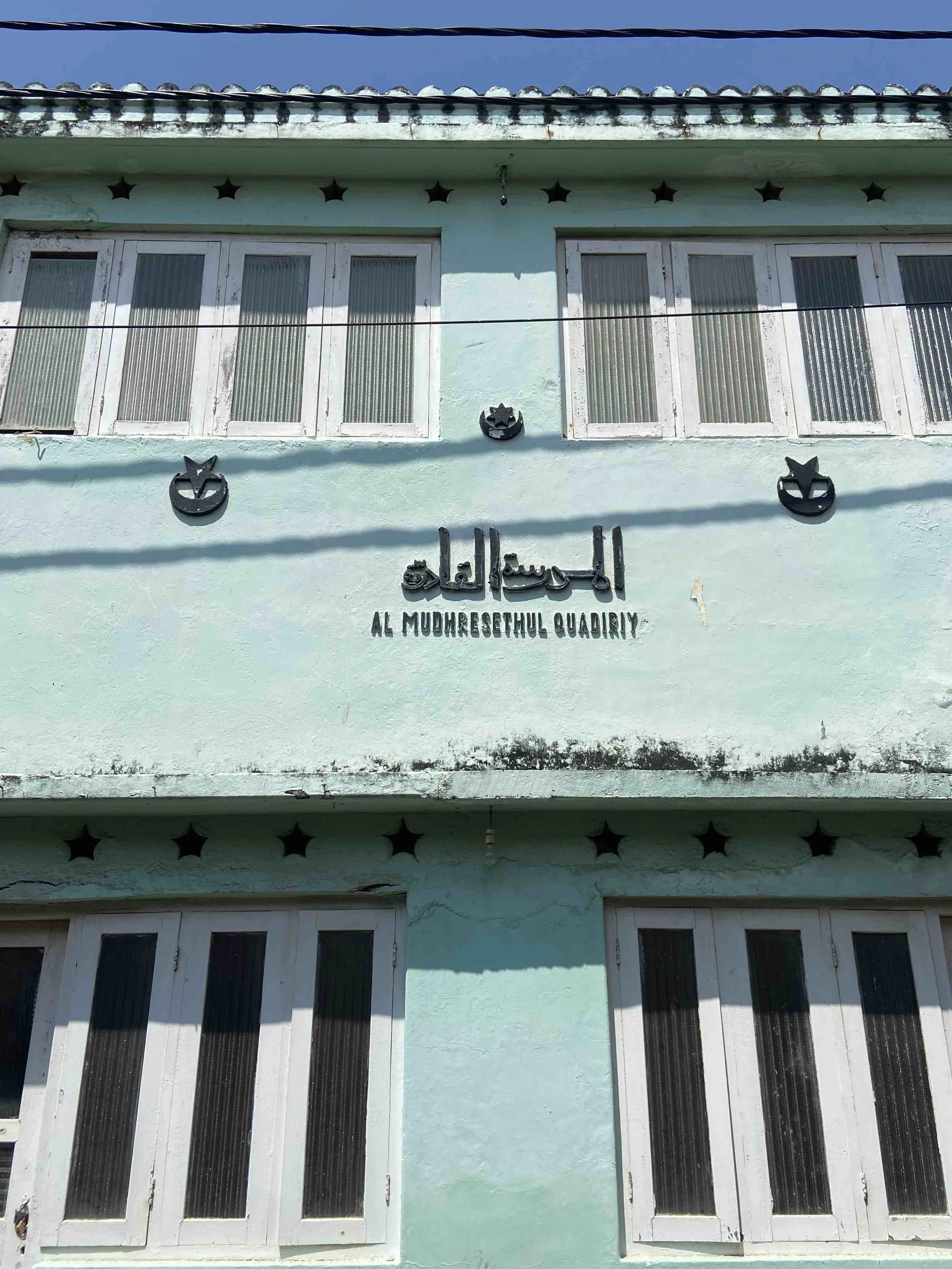
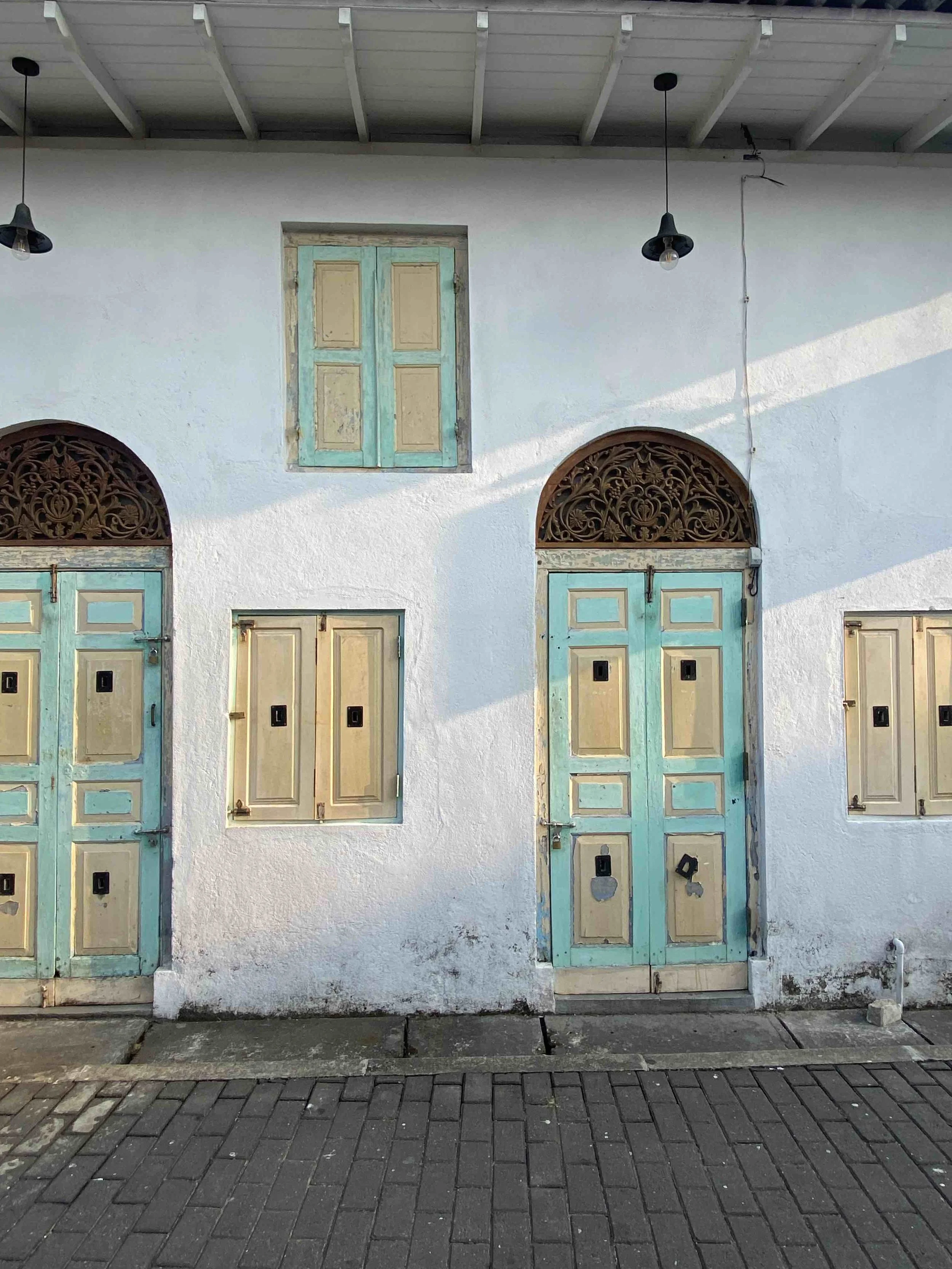

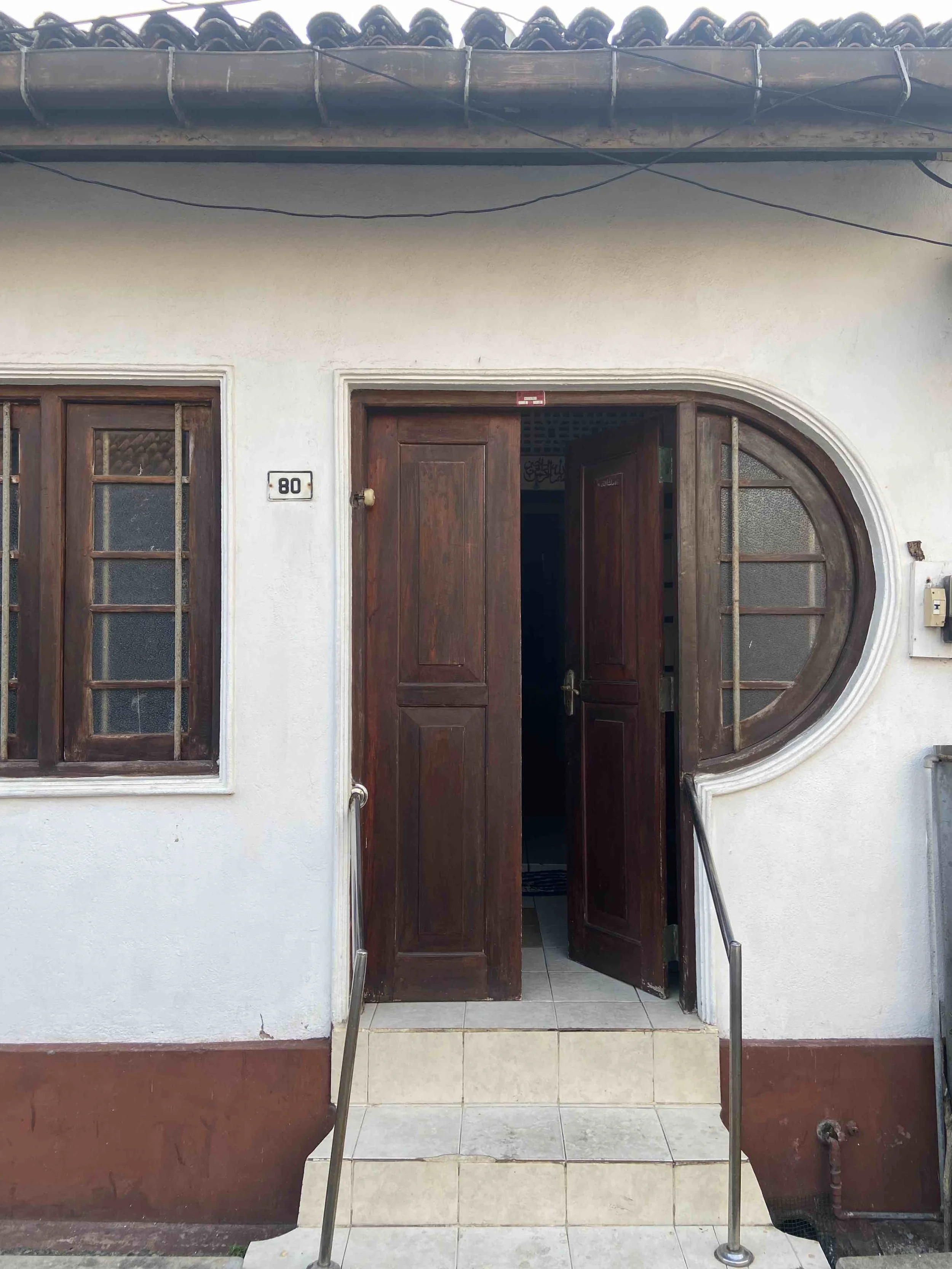
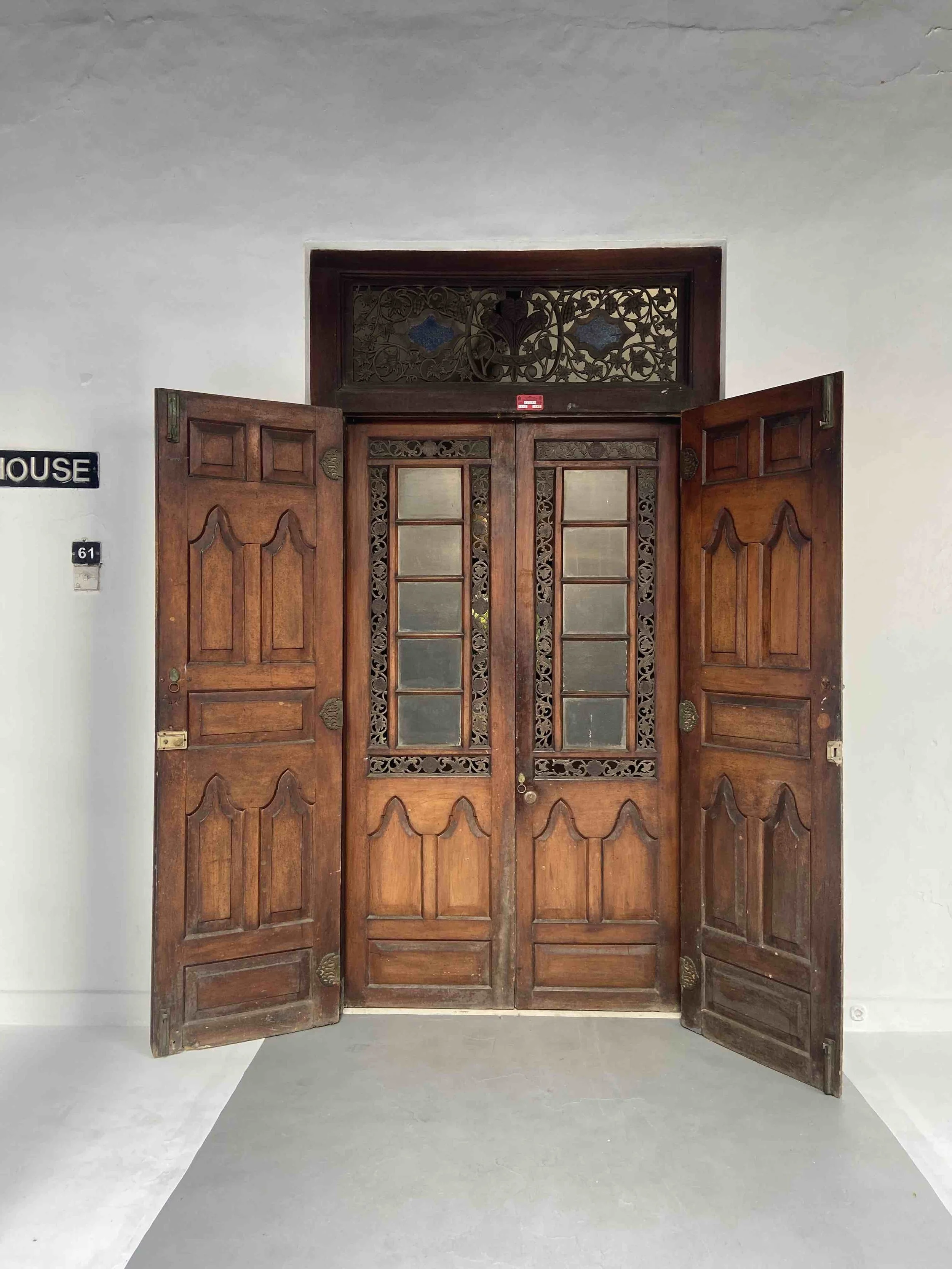
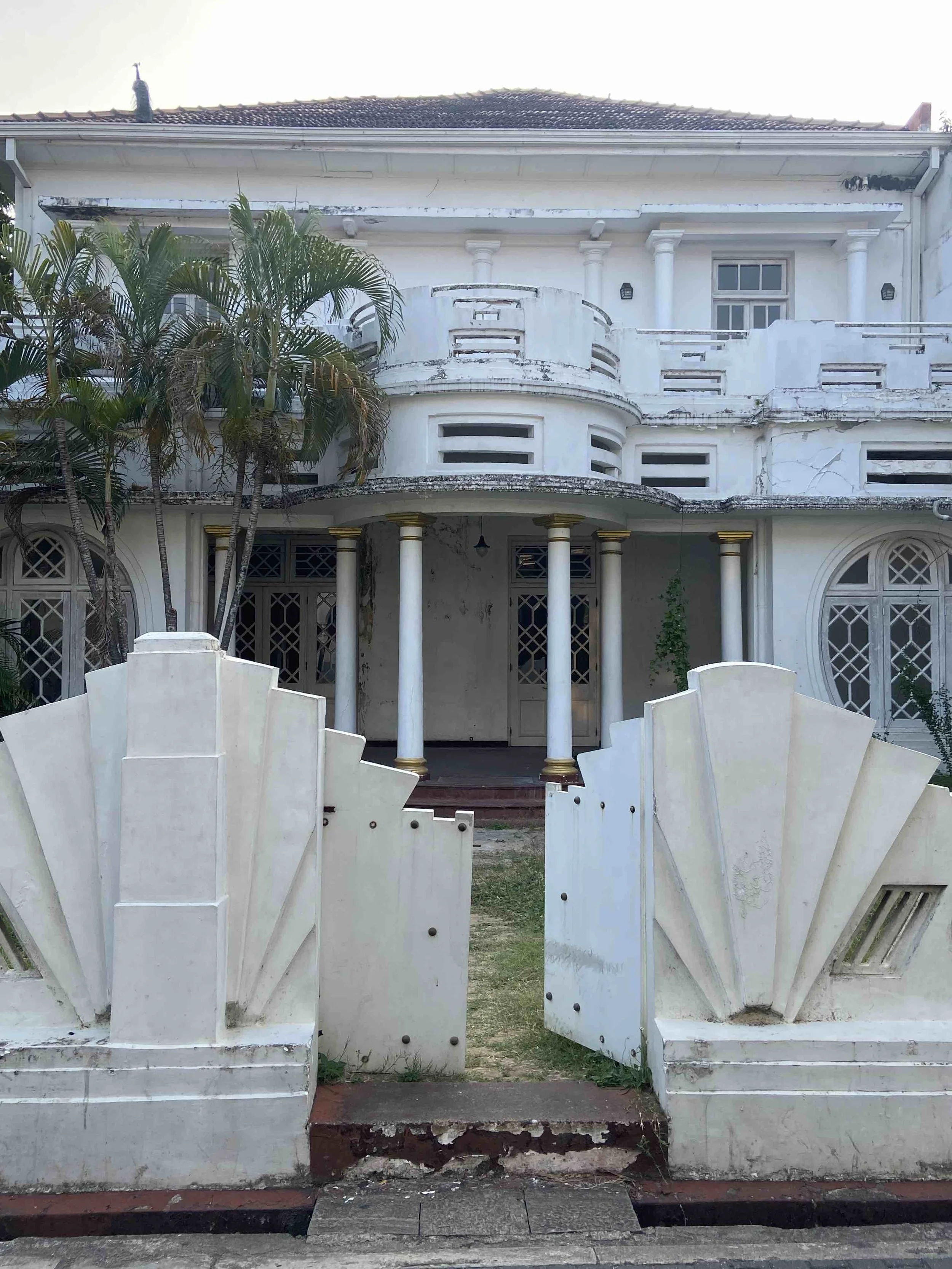
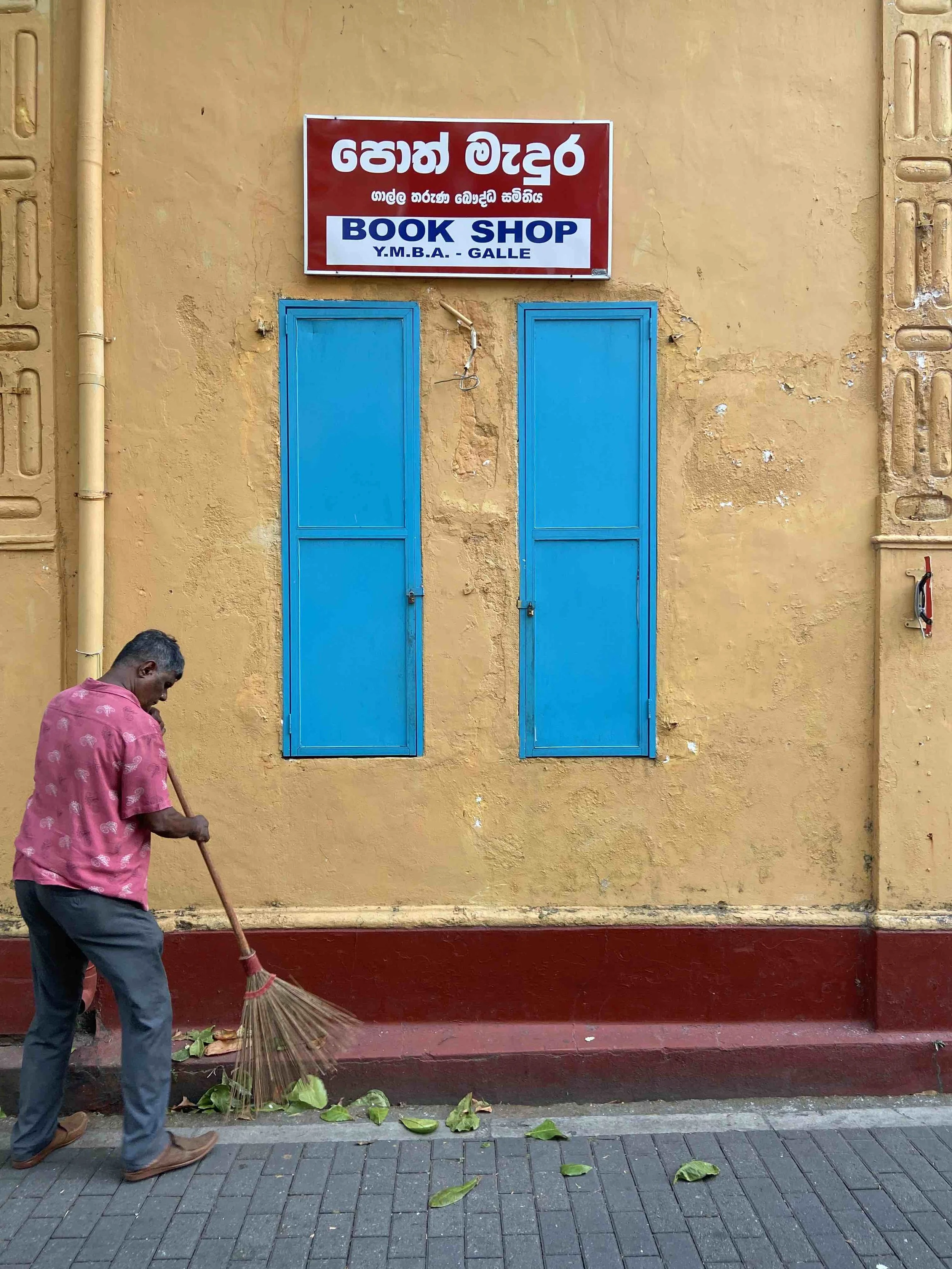
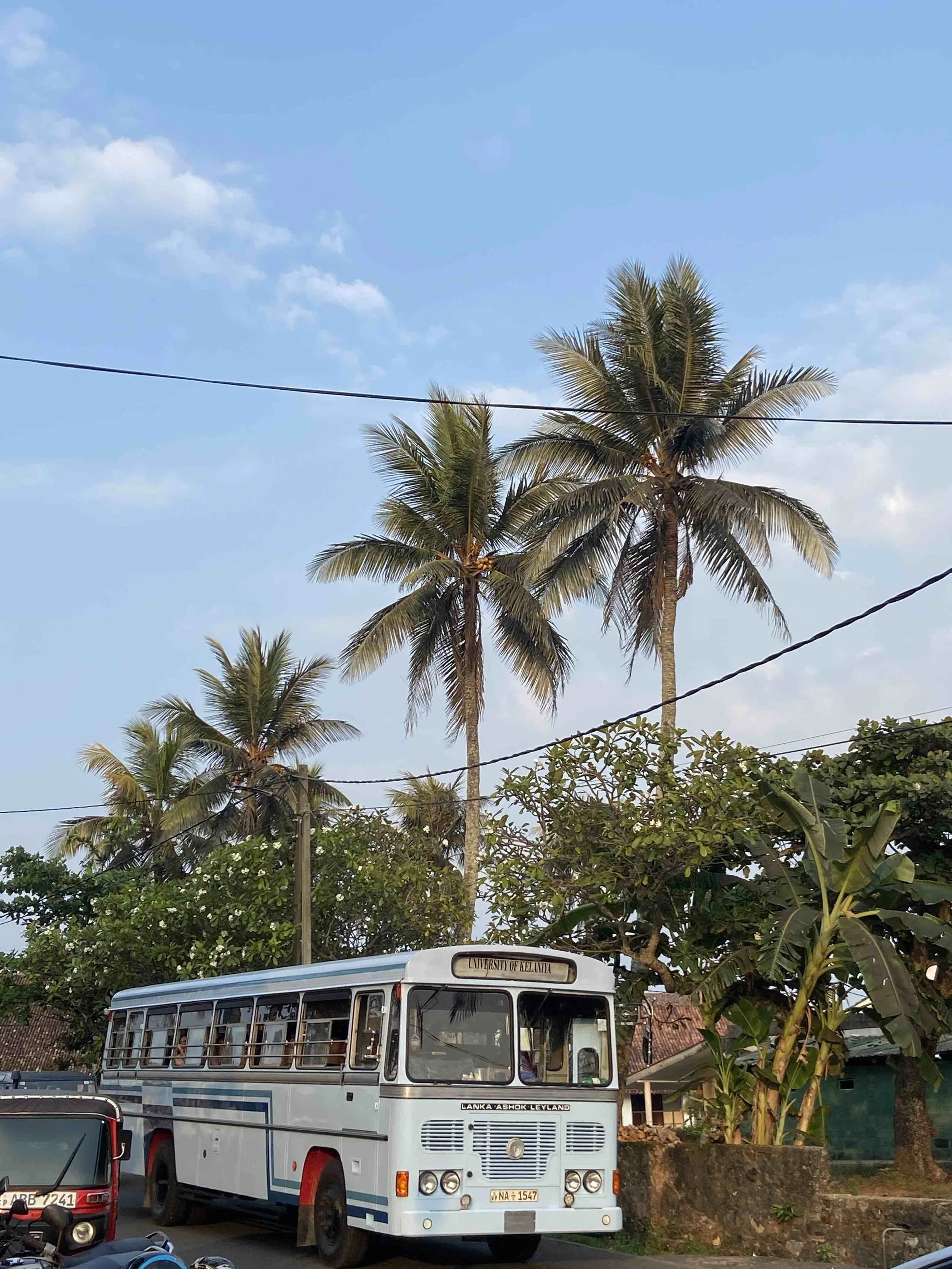
In Galle, while wandering through the fort ramparts and arched stairways and beholding the waves crashing against the bastioned stone walls, the intense breeze at the coastal edges brushes past the ears, carrying endless lores from the past as if eagerly trying to narrate tales of those who arrived and departed from the quaint coastal edges. The beaches, historical buildings, tea estates, spices and ingredients like black pepper, vanilla leaves and cinnamon - are all evocative of the treacherous journeys that once dominated the nearby Indian Ocean and the cross-cultural material and aesthetic exchanges that happened through it. Not only does Sri Lanka’s southwestern coast witness a bustling tourism culture but also anchors a sense of rest, resilience and silence to contemplate new beginnings.
The Architectural Aesthetics of Galle
The Old Town of Galle, which, along with its fortifications, was declared a UNESCO World Heritage Site in 1988, was once renowned for extensive maritime trade globally. Galle had served as a nodal transit point for colonialists in their heyday as the regimes of the Portuguese, Dutch and British rose and fell during their pursuit of gaining supremacy over the oceanic trade. Over the years, it has gradually become symbolic of the fusion of European and vernacular architectural styles and traditions whose origins date back to the 16th - 19th centuries. In Galle, a multiethnic and multi-religious town, walking along or exploring while cycling or via tuk-tuks (local rickshaws) is a visually and materially rich experience as one is often greeted by the sights of the majestic blue ocean amidst the gentle unfolding of everyday life on the island.
Galle’s terrain and landscape have recurringly served as a backdrop against which its people negotiated between the traditional and the modern. A now-defunct rainwater disposal system at the Galle Fort suggests the progressive nature of the communities who once lived here and their foresight in terms of sustainability. Seen amidst the many other built legacies in Galle, are remnants of the Portuguese, Dutch and British conquests.
Residences, churches, museums, a library and other buildings, take the onlooker through a historical sojourn spanning centuries. And, crucial to this experience is the architectural detailing - the peculiar columns, timber doors and windows, verandahs, sloping tiled roofs, and bright and pastel-coloured facades that make one wonder - how an ethnically diverse group of inhabitants might have once lived here and adapted to incoming administrative, cultural and lifestyle influences while also leaving room for preserving Indigenous building practices and cultures.
Even Art Deco patterns, particularly the sunburst motifs seen in some of the compound walls and nautical-style rounded edges in homes, dot the streetscape. Formerly an old Dutch warehouse that stored globally sourced goods, the Maritime Archaeology Museum now stands testimony to the adaptive reuse potentials of old structures in shaping new socio-cultural practices.
Religion too, has left a tangible imprint on this island as seen in the case of the Dutch Reformed Church, with its gabled roof, an exterior high white facade, arched windows with stained glasswork and Doric features borrowed from Europe. Even the spread of Buddhism is evident in the Buddhist architectural heritage across the town, particularly in the white dagobas and multicoloured sacred flags fluttering in the breeze, in several parts of the town.
When Places Become Keepsakes
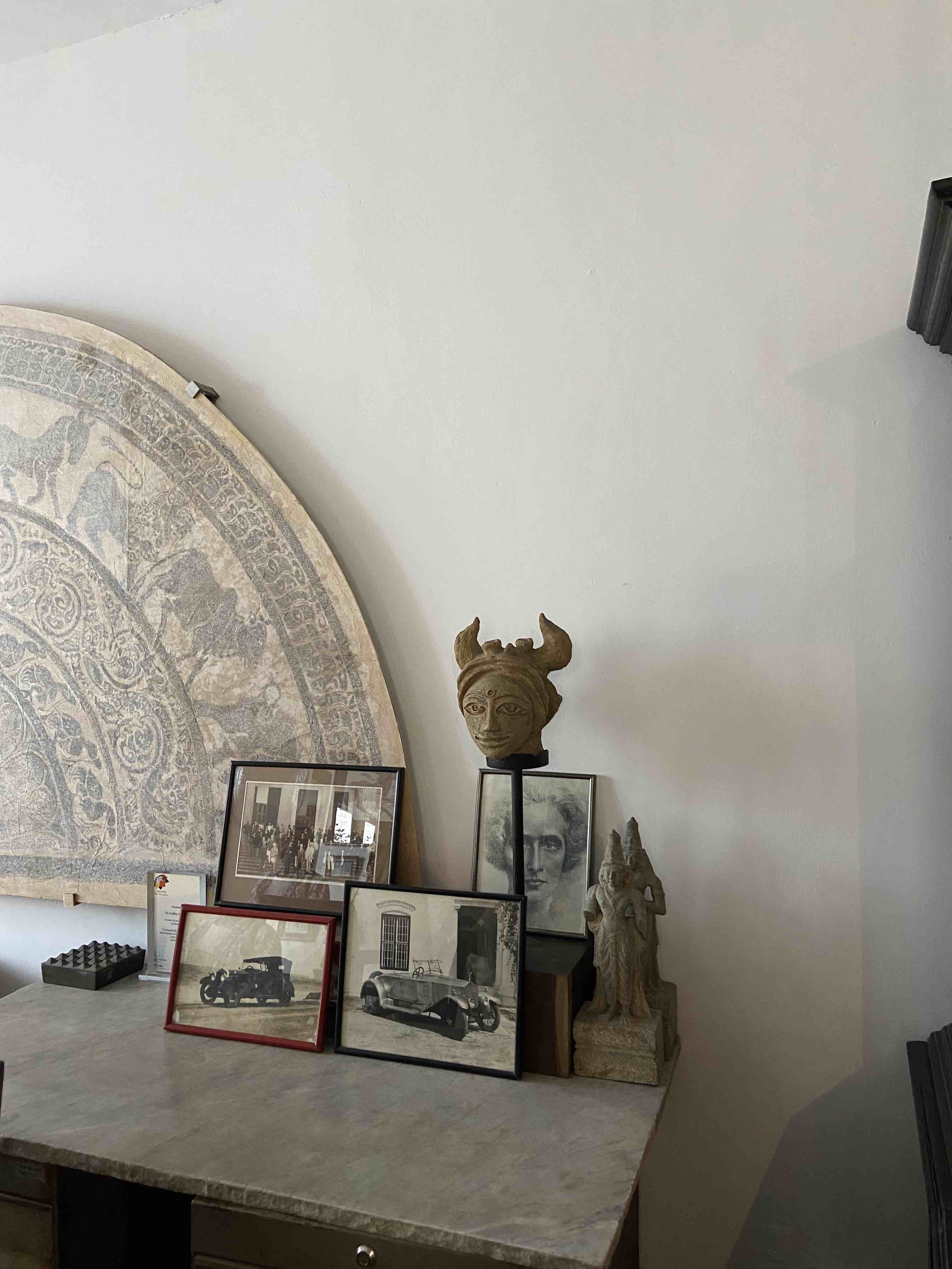
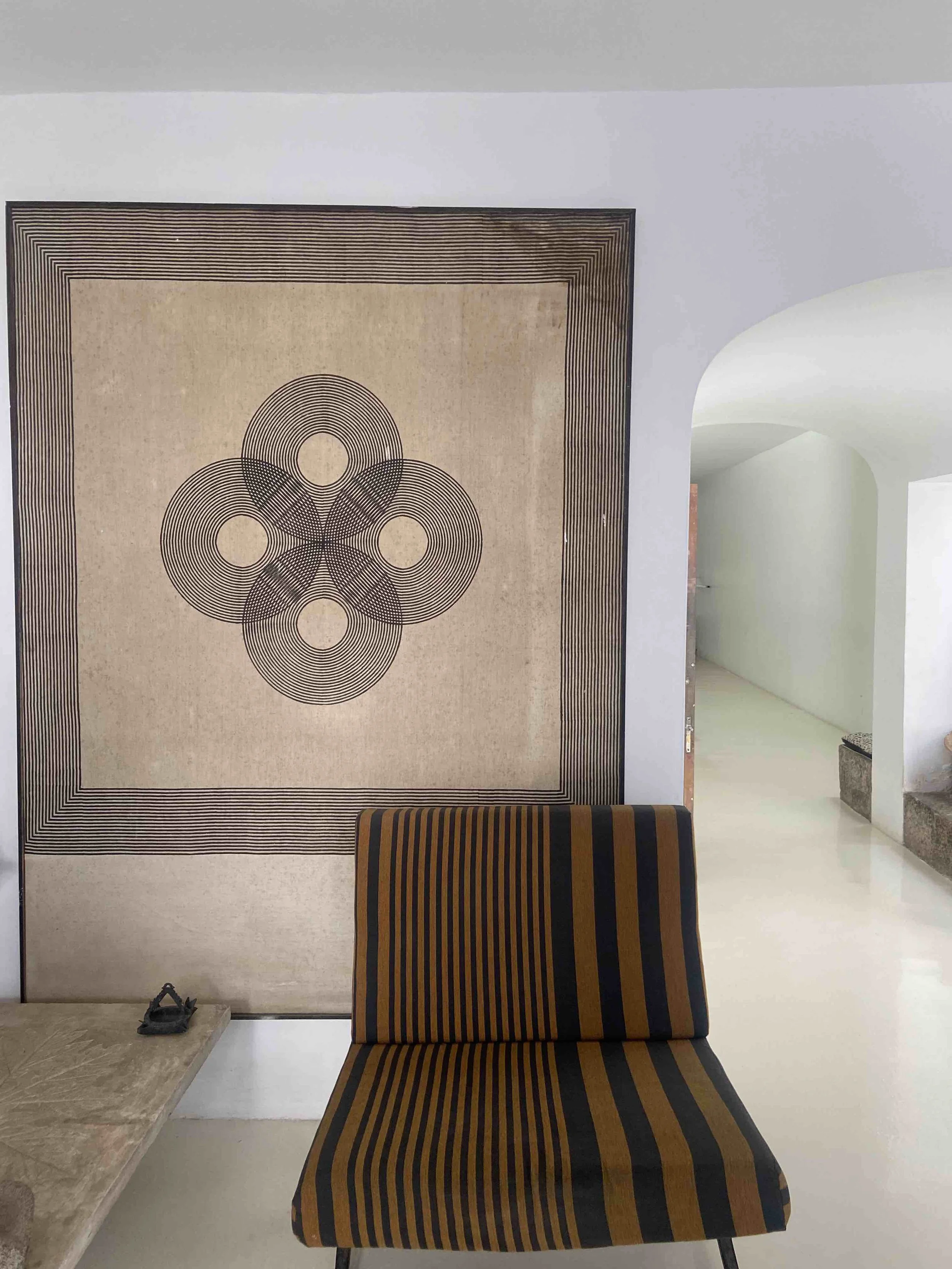
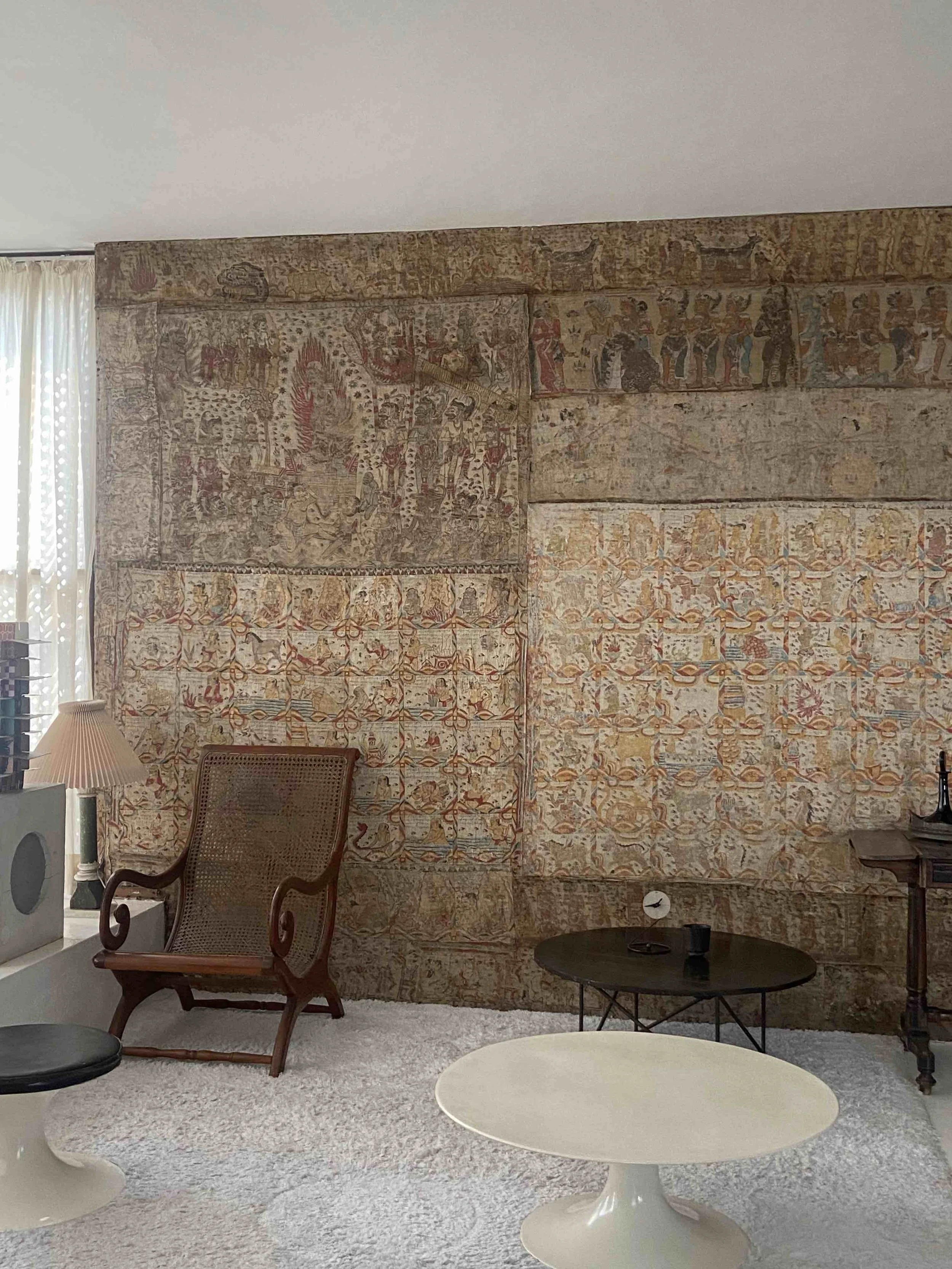
Bearing the silent warmth and nostalgia of an inherited keepsake, and an ideal departure from the otherwise metropolitan vibe of Colombo is House Number 11, Geoffery Bawa’s city residence where he lived in addition to Lunugana, his famed country estate. Bawa’s architectural and interior design nuances make the experience here all the more visceral, letting the onlooker be immersed in the artisanal vision and ethos of its maker. A 1934 Rolls-Royce Drophead Coupe greets the observer in the garage, marking the beginning of a memorable tour of Bawa’s tastefully designed and preserved home - a subtle fusion of Modernist features and vernacular traditions.
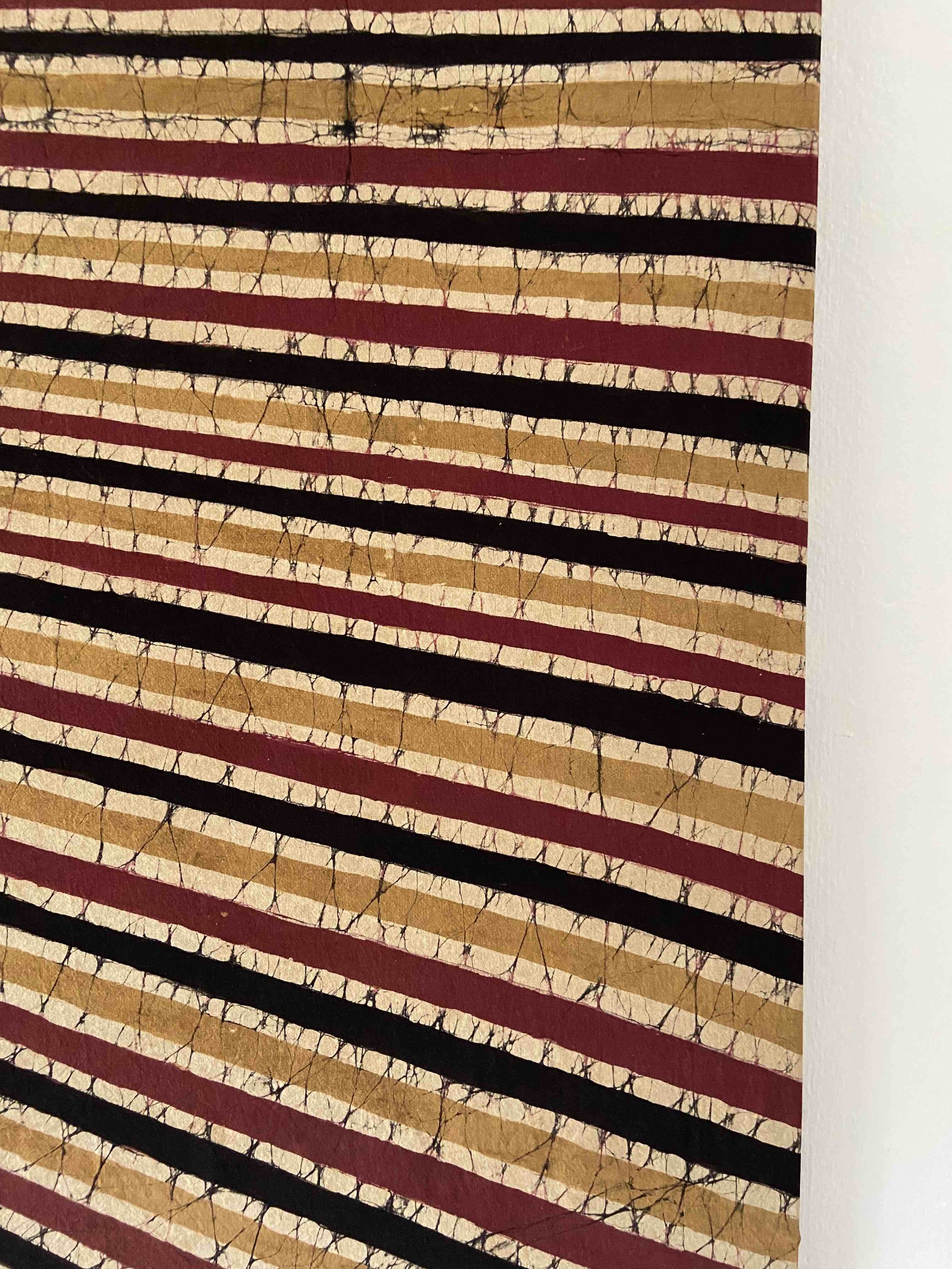
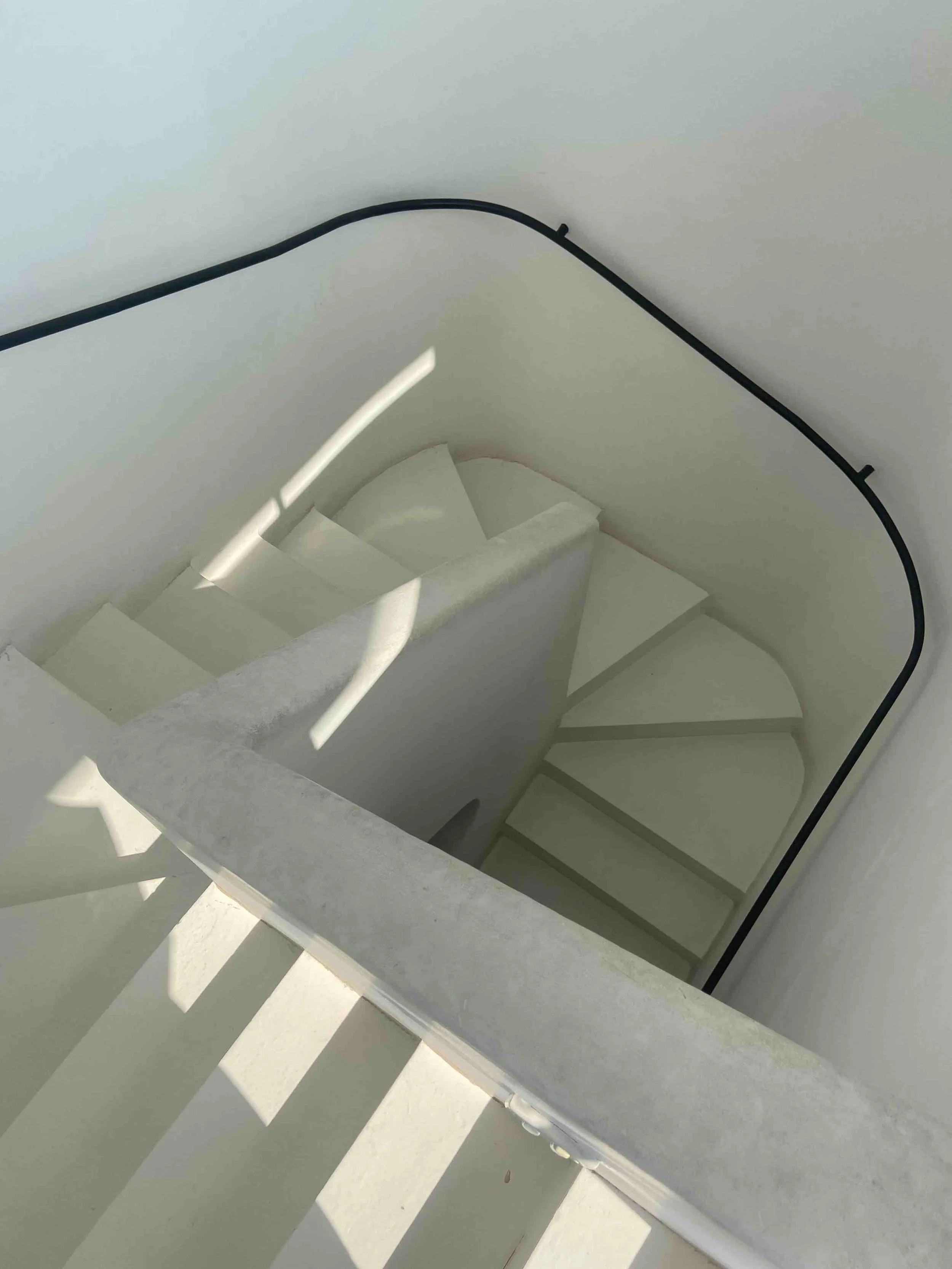
A narrow entryway leads into a broad living space, opening up a different world, a feeling that resembles the act of walking through Bawa’s imagination. His fascination with art is evident in the objects and artefacts from his private collection, particularly Ena de Silva’s batik print and the strategically placed sculptures of varying sizes and materials that altogether help build the arresting character of the place. The hints of green, the meticulously chosen colour palette, piles of books, and the placement of the study area next to a pond and the patio are all reminiscent of Bawa’s inquisitive, learned mind that was drawn to design relatively later as a profession despite him earning a former degree in law. The meticulous understanding of forms, spaces and light, the seamless merging of the exteriors into the interiors, the playfulness with which one is made to transition between the rooms, courtyard, winding stairs and the viewing deck, and the use of multiple skylights and pieces of furniture within the residence - collectively enhance the spatial experience of the home.
Well-inundated by the usage of white colour throughout the interiors, in House number 11, the functions switch between both permanent and temporary programs. Its adaptability and ease of shape-shifting - from being a home and a living museum – to becoming a hospitality stay, makes it stand out amongst the vast gamut of ‘touristy’ places that Sri Lanka is otherwise known for. Its timelessness is rooted in Bawa’s imaginativeness and ingenuity, their appropriate recognition and the efforts of the Geoffery Bawa Trust which has dedicated its lifetime to preserving and disseminating Bawa’s life and practice with remarkable sophistication and candour, not only in Sri Lanka but other countries too.
From Spaces To Places
Ironically, for an island geographically shaped like a teardrop, it only leaves one delighted and asking for more with its tropical ambience, pluralist aesthetics and the seamless blending of
contemporary and archaic characteristics whose origins span centuries, continents and cultures. Here, one cannot evade the fact that architecture, politics, culture, aesthetics and ecology are all entwined - constantly informing, and reinforcing one another. Galle and Bawa’s legacies remain visually imprinted like an artist’s consciously illustrated postcards in the mind, long after one has left them physically.
Perhaps, it is in the respecting, (re)imagining, and drawing of terrains, that the latent potentials of forms and spaces are rightfully tapped, thereby turning them into ‘places’. In the course of life, once characterised by new architectural forms and lived experiences, spaces are steadily imbued with a spirit – one that is invisible to the naked eye but forever lingers around in pursuit of being felt, layering the lives of inhabitants and visitors with new meanings and memories. These sacred synergies leave us pondering over the semblance that architecture bears with art and some provocative questions:-
Does the architect’s role get elevated to that of an artist when he/she sculpts land, forms, spaces and materials together?
Does design also embody the spirituality felt in art? Are places, theatres and we, performers?
Is architecture a medium of healing?