Beirut: A City Revealed
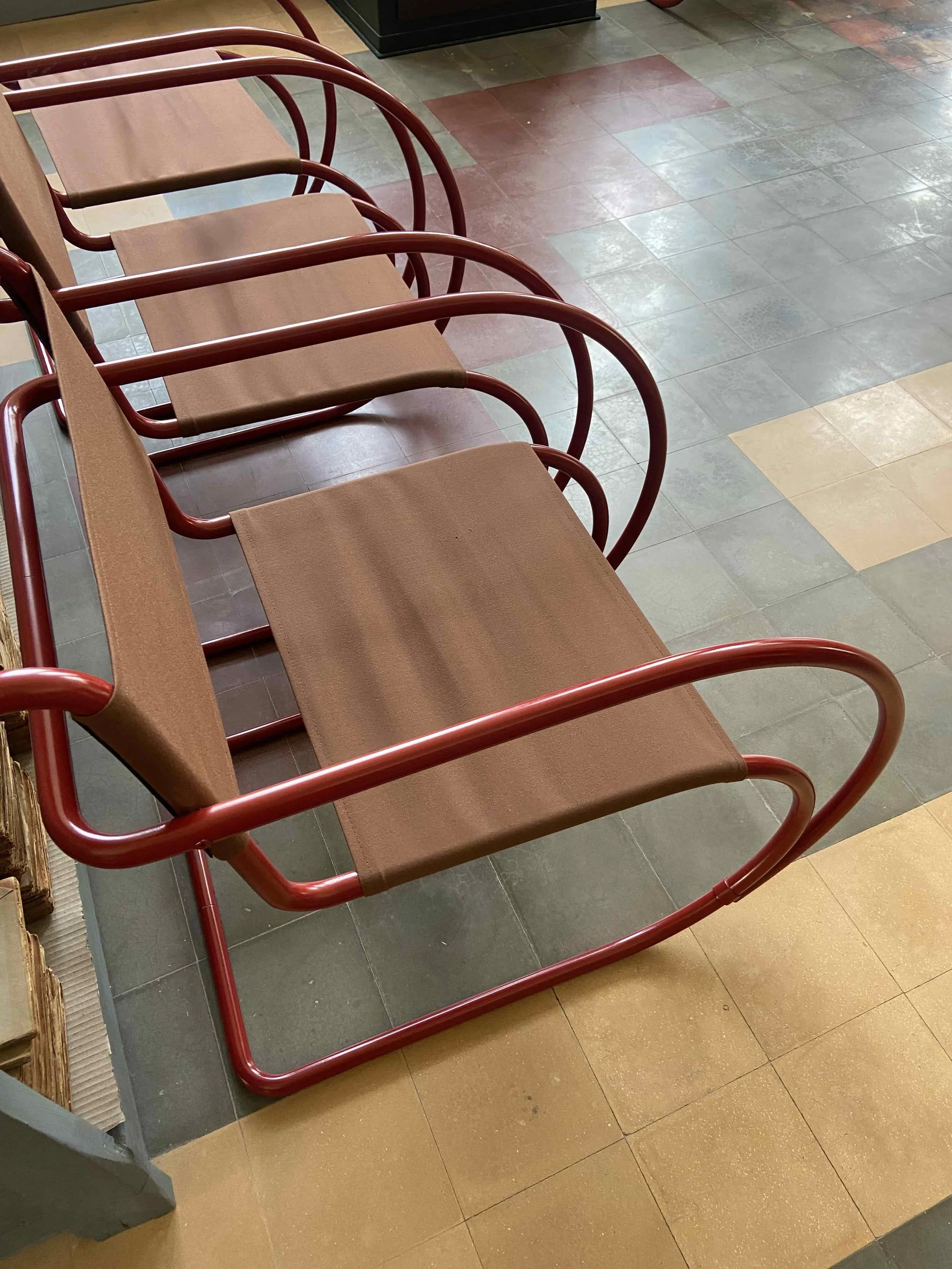

"My humanity is bound up in yours, for we can only be human together." - Desmond Tutu
Driving around in Beirut, and exchanging occasional smiles with the locals testies to the accommodative nature of its residents and the free-spirited vibe of the town that was once known as one of the most highly Westernized cities in the Arab Middle East up until 1975. The recent recognition of the modest, yet burgeoning design and crafts ecosystem by We Design Beirut (a four-day design fair) bears the potential to make it a liberator and a global disruptor. An earnest attempt to reclaim Lebanese identity and cultural heritage, the event has helped augment the city’s resilience, while reminding us of the universal humanity and the need to unitedly respond to the changing times. In a city whose landscape has always been challenged and recongured, Beirut’s arresting design scene, creative opportunities and synergistic potentials are all symbolic of its alternate, but often overlooked identity as a ‘design city’ situated at the crossroads between Europe and the Middle East.
Seeking Certainty in Uncertainty
We Design Beirut, an event curated across dierent architecturally and historically signicant venues in the city founded by Mariana Wehbe in May 2024, in collaboration with her partner– industrial designer Samer Alameen and and associate partners Bananamonkey, holds even greater relevance today, given the perennial absence of institutional patronage and support for the arts and culture sector in nations, particularly like Lebanon, that are still recovering from crises. By setting new benchmarks in the Global South, of how, with sophistication, grace and elan - entrepreneurship, hospitality, art, crafts, design and education can all be amalgamated for the welfare of the community, We Design Beirut helped re-animate some of the otherwise dreary streets and buildings of the town with a sense of vibrancy and agility. This brought alive a renewed vision and purpose for those living and practising here and refurbished the limitless collaborative potentials lurking in crafts and creativity.
A temporary intervention like this embodies and nourishes the hopes of several talented and curious artisans, designers, artists, collectors and curators who endeavour to nd beauty in the everyday through art, aesthetics and material engagements on a permanent basis. Powered by the rising inuence of social media platforms, a growing appreciation for the ‘handmade’ and the shared vision of the locals to see their lives in a new light, We Design Beirut ended up inspiring a diverse group of creatives to build new networks that can prove to be instrumental in promoting Lebanese culture and traditions and redening Lebanon’s stereotypical images in media and popular culture at the global scale.
Institutions as Cultural Conduits
Akin to other cities, the built forms and cultural landmarks in Beirut too, have been crucial for citizens in nurturing and sustaining a relationship with it and how one feels and longs for it. Historically, architecture and aesthetics have been used by humans as canvases to express and make sense of the world around them. Re-reading Beirut through its cultural landmarks enables the discovery of the region’s many hidden layers and how the arts and culture were once prominently celebrated here.
The Sursock Museum, for instance, honours the Lebanese collector, Nicolas Sursock’s commitment to the endorsement and promotion of art, and is a source of understanding of the longstanding associations that the region’s citizens have shared with the ne arts. Also, it was during We Design Beirut, that for the very rst time, the archaic Villa Audi Mosaic Museum (formerly the residence of an auent Lebanese family – the Sursocks), was opened to the public. Here, Babylon, an agency promoting designers in the Middle East and surrounding regions, curated an exhibition - Past Echoes: A Journey through Middle Eastern Product Design, while collectively mobilising the pre-existing collection of mosaics collected from around the world, paintings and contemporary design products and sculptures by local artists (some of which evoked Lebanese and Levantine heritage). The villa, thus, allowed the fusion of the past and the present with its elaborately designed ceilings, staircases and Roman columns further elevating the villa viscerally for visitors in a way that deed the logic of linear time.
Even the iconic Cinema Royal, a theatre built in the 1950s, served as the perfect venue for the event’s opening night and has also been intermittently engaged in multidisciplinary events aimed at encouraging cinema, drama, contemporary ballet, music and spoken word poetry. Such institutions, if wisely patronised and activated with programs in the future, can be instrumental in creating new ways of creating, seeing, and disseminating, thus helping revive Beirut’s perception as a design-rich destination and lling the crevices that prevent Lebanon from being seen as a culturally prosperous country.
Architecture as a Mode of Resistance
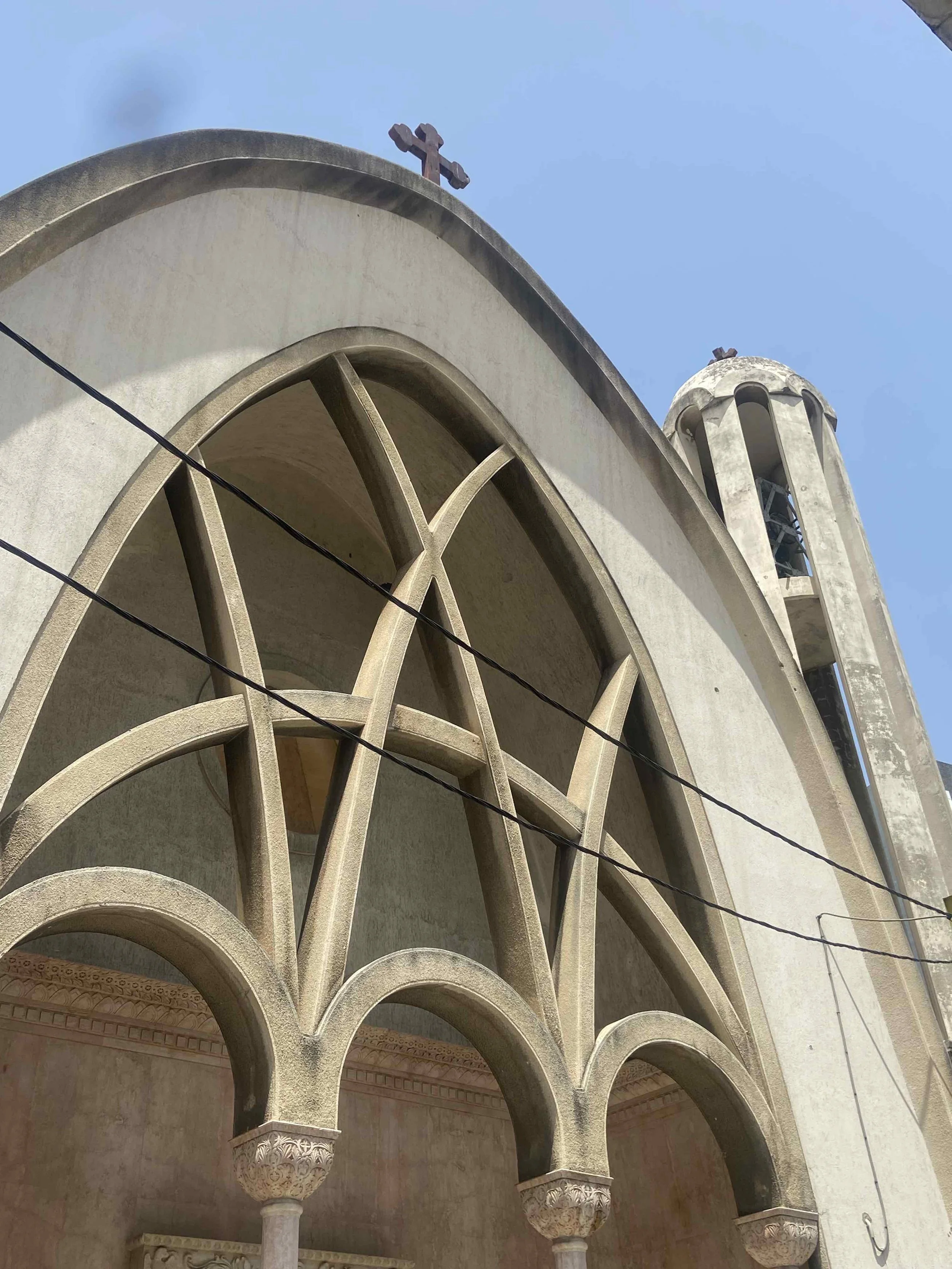
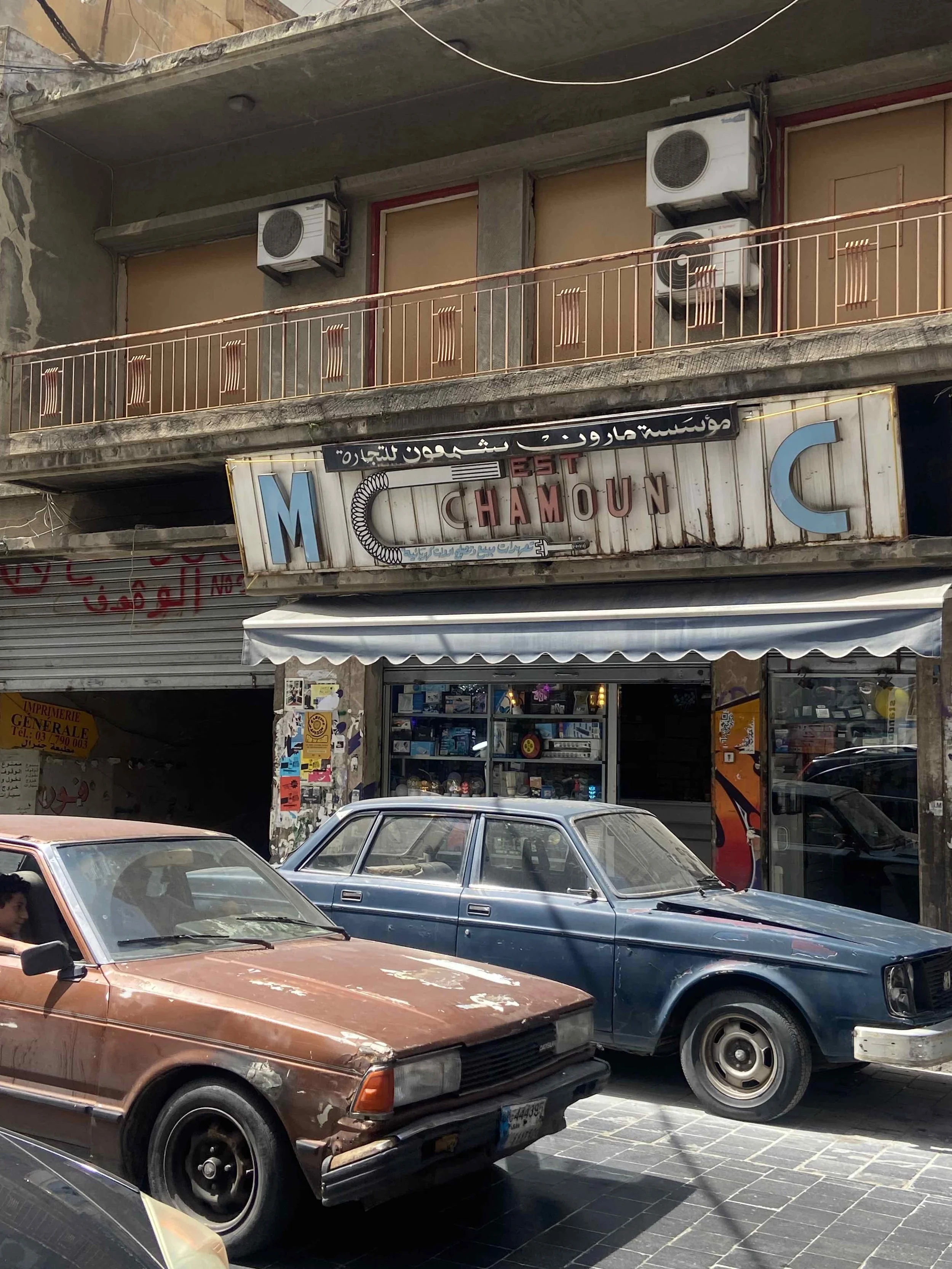
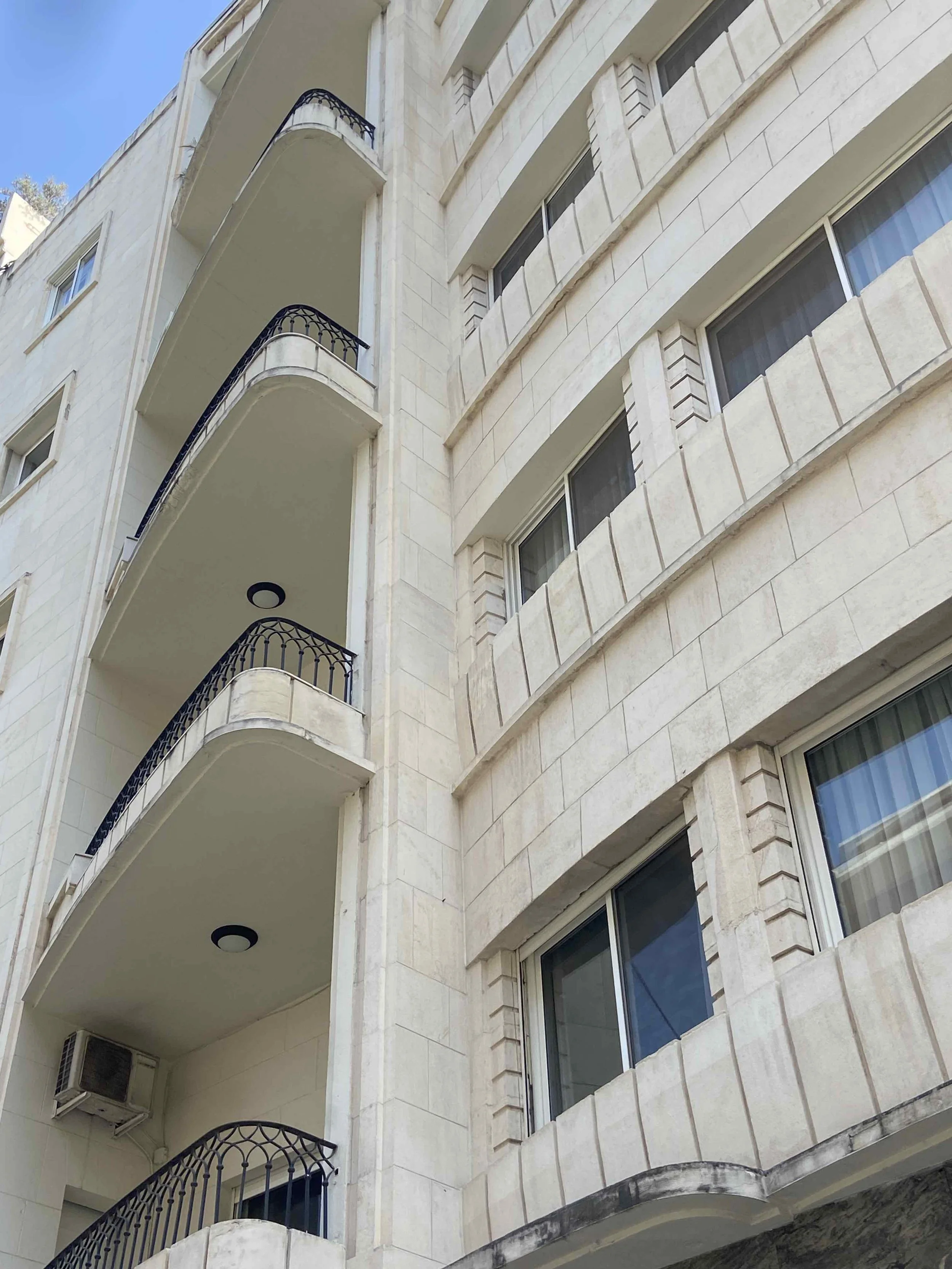
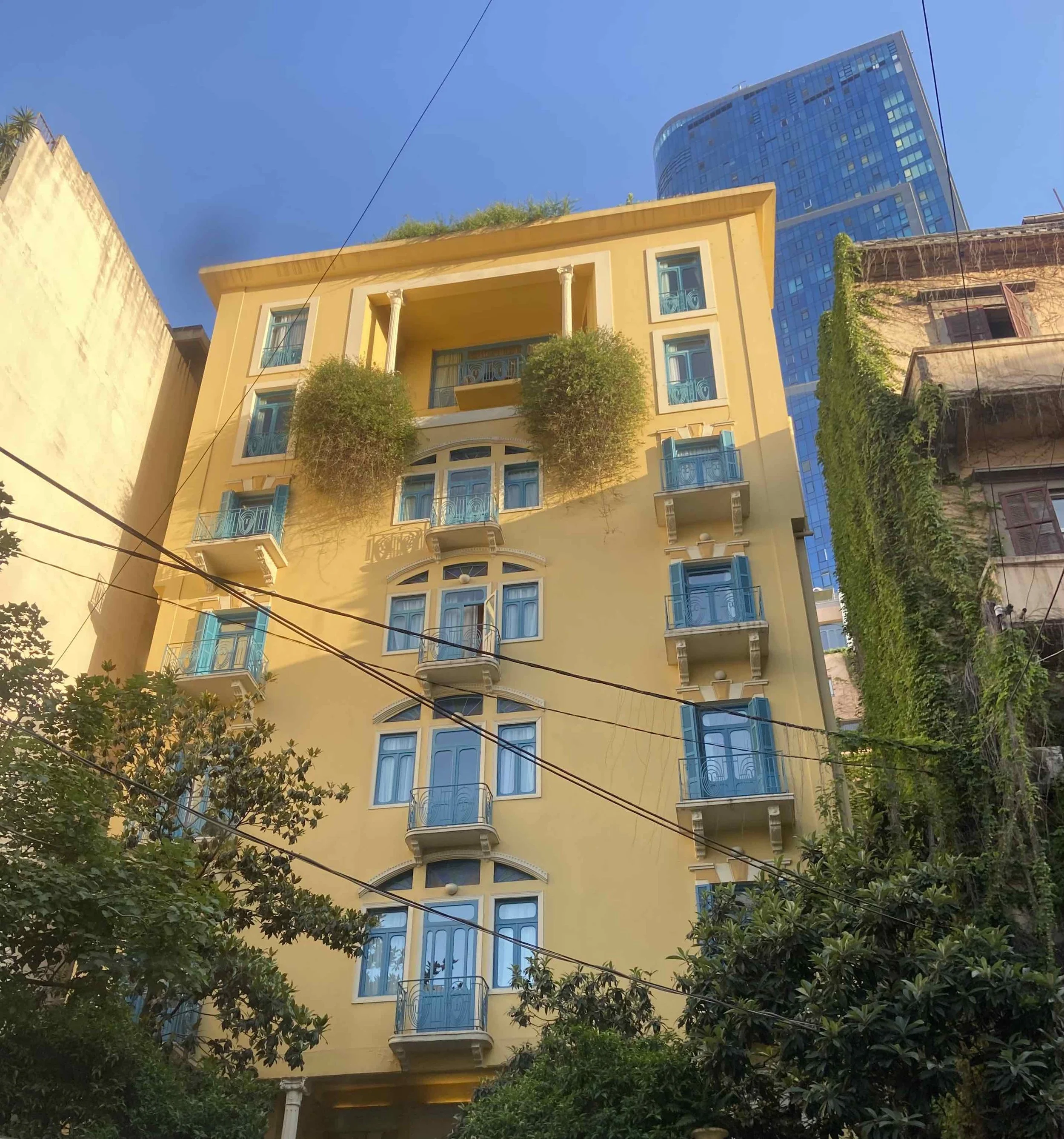
The rst impressions of Beirut underscore its heterogeneity and a rich, shared past. The typography seen across the facades on streets, local objects like printed souvenirs and the architecture - together create the perfect milieu for one to explore. Once occupying a dominating geopolitical and strategic role as a major port and commercial centre, Beirut has gracefully aged over the years and walking through its neighborhoods opens up windows into dierent time periods in its tumultuous yet fascinating history. It has frequently served as an experimental ground, making way for an eclectic mix of design styles like the Baroque, Renaissance, Brutalism, Modernism, Post-modernism and Islamic. Its architectural edices evoke both European and Middle-Eastern aesthetic features, particularly the lofty triple-arched Central Hall Homes that were built in varying forms for the emerging middle class during the mid-19th - mid-20th centuries - some of which still survive.
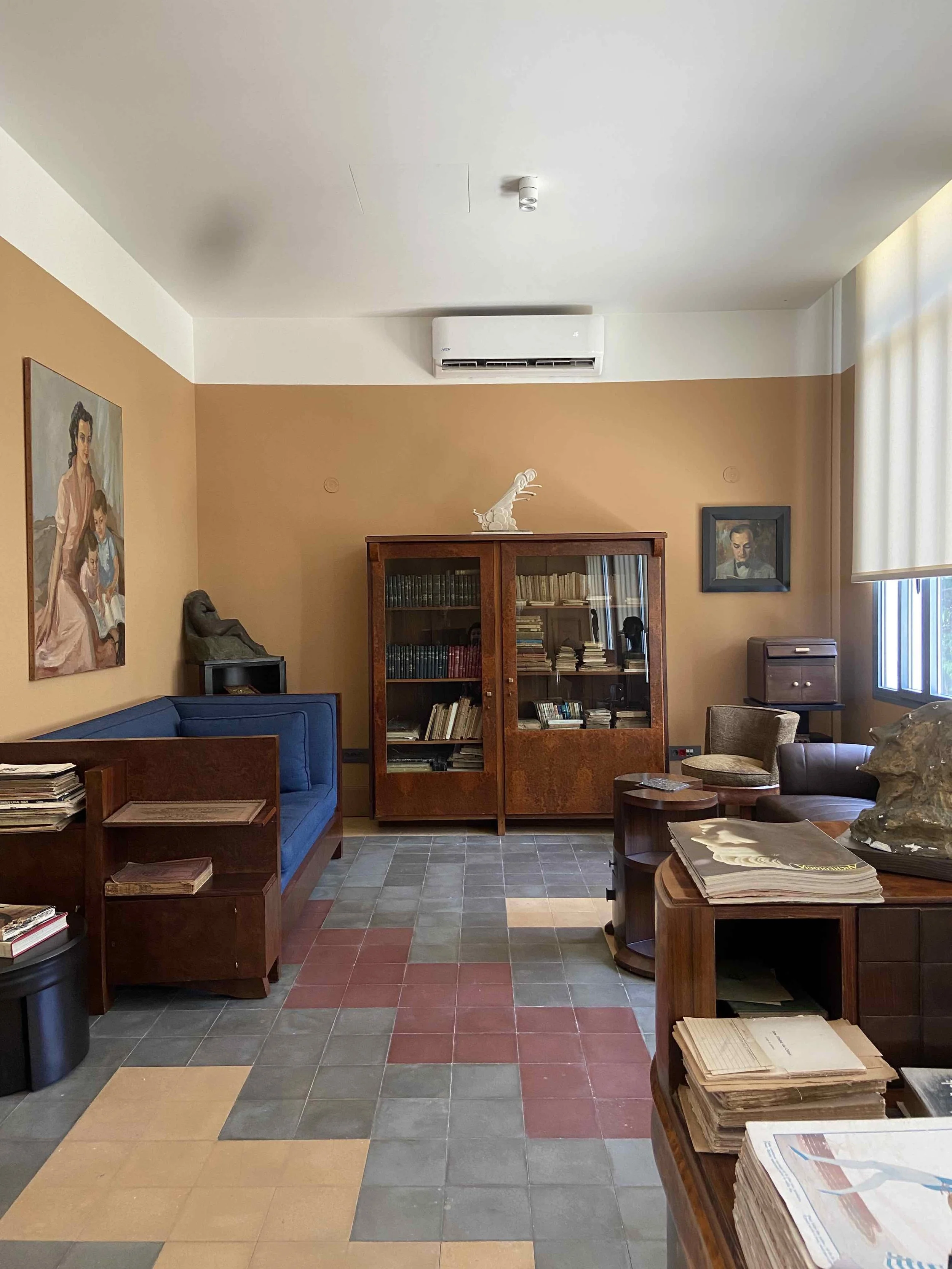
By attempting to preserve some of the damaged parts of the town, the Beirut Heritage Initiative (BHI) too, has contributed hope for the old to persist in a fast-advancing technological age along with Fondation Charles Corm, a non-prot organisation that was founded to promote and support Lebanon’s cultural and natural heritage in collaboration with the Saint-Joseph University. They have helped convert the Lebanese writer and entrepreneur, Charles Corm's 1920s family home into a multipurpose space where writers, artists, scholars and innovators are free to engage. His library and archives allow one to momentarily partake in the intellectual and cultural climate that prevailed in Lebanon during the rst half of the 20th century.
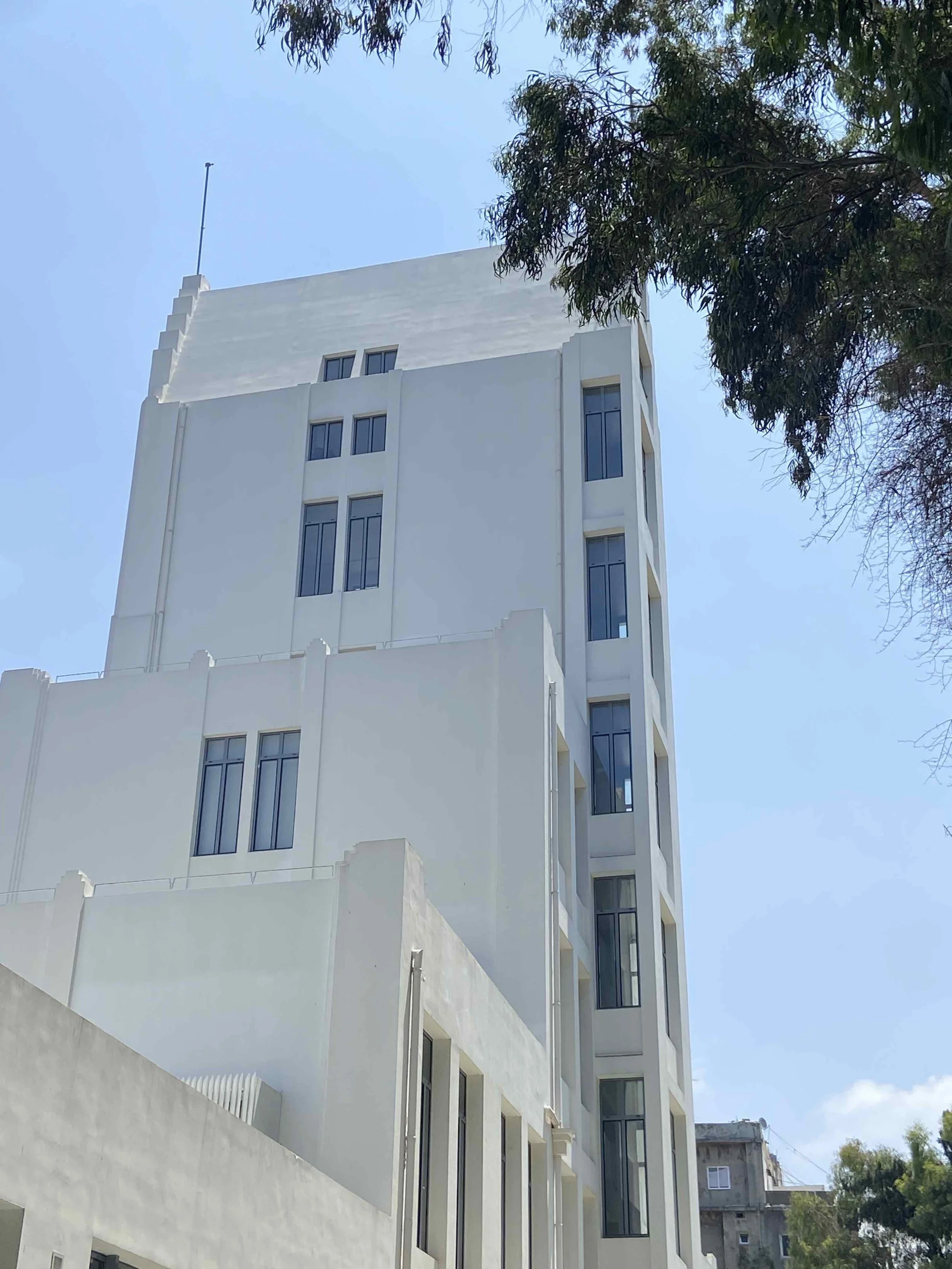
During the post-independence years, one of the many Modernist structures built to encapsulate the shifting cultural aspirations of the communities living here is the Interdesign building designed by Khalil Khouri. The radical, angular forms and aesthetics of this building, formerly left unused in the wake of prolonged instability, were briey resurrected with All Things Must(n’t) Pass, an exhibition by Bernard and Teymour Khoury about their late father and grandfather, Khalil Khoury’s life and practice during We Design Beirut, setting an example of how a city can assign its abandoned built forms new meanings, conjuring up new lenses to engage with citizens. Bernard, a co-founder of the Arab Center for Architecture, shares his father’s ingenuity and pathbreaking vision and is an acclaimed international architect with a diverse portfolio. Another abandoned site, the Abroyan Factory (a former 1940s textile factory) featured a Sustainability Hub to depict the material innovation and design talent brewing in Lebanon’s universities such as the American University of Beirut (AUB), Académie Libanaise des Beaux-Arts (ALBA), Lebanese American University (LAU), Holy Spirit University of Kaslik (USEK) and Université Saint-Joseph (USJ).
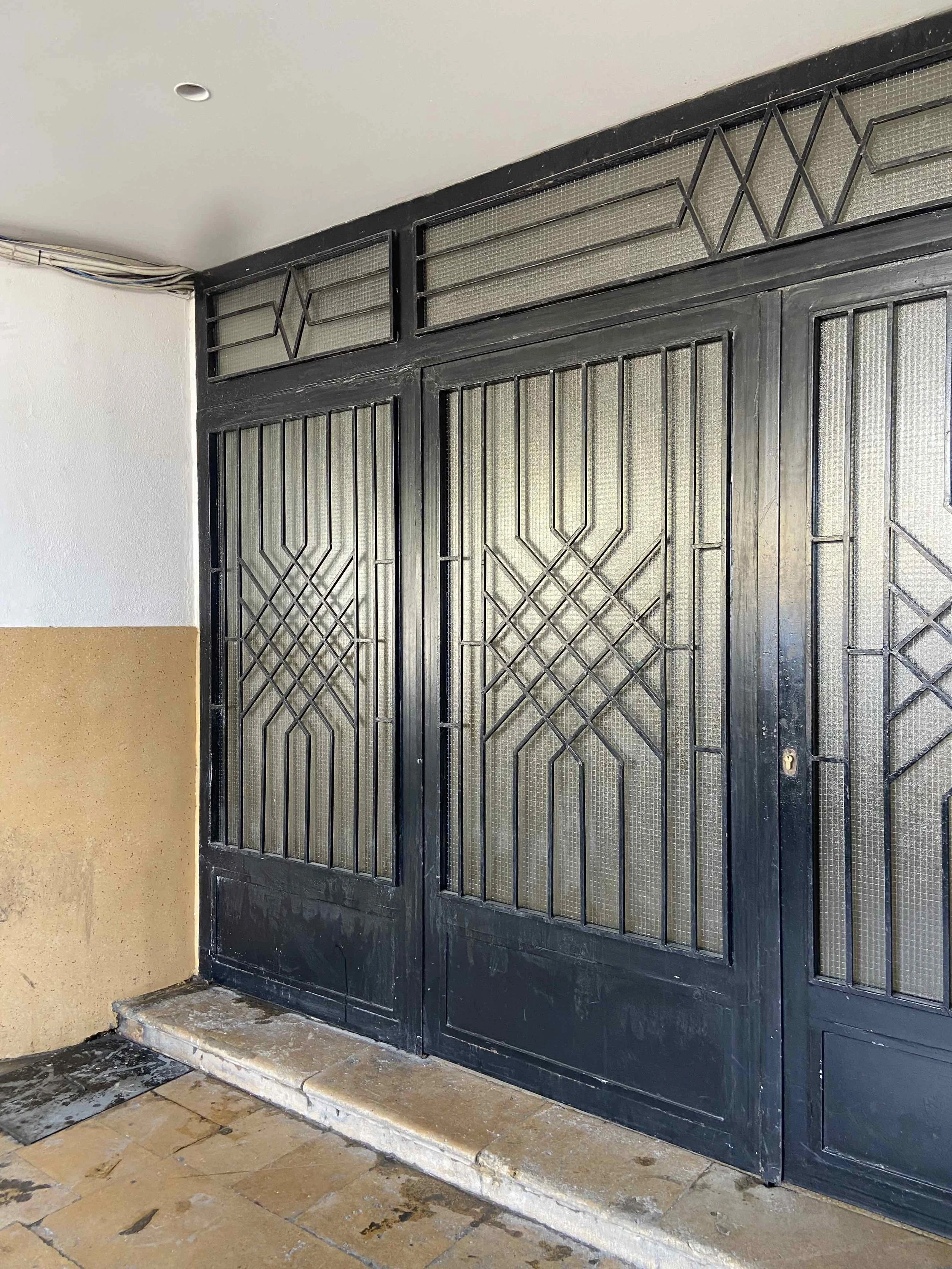
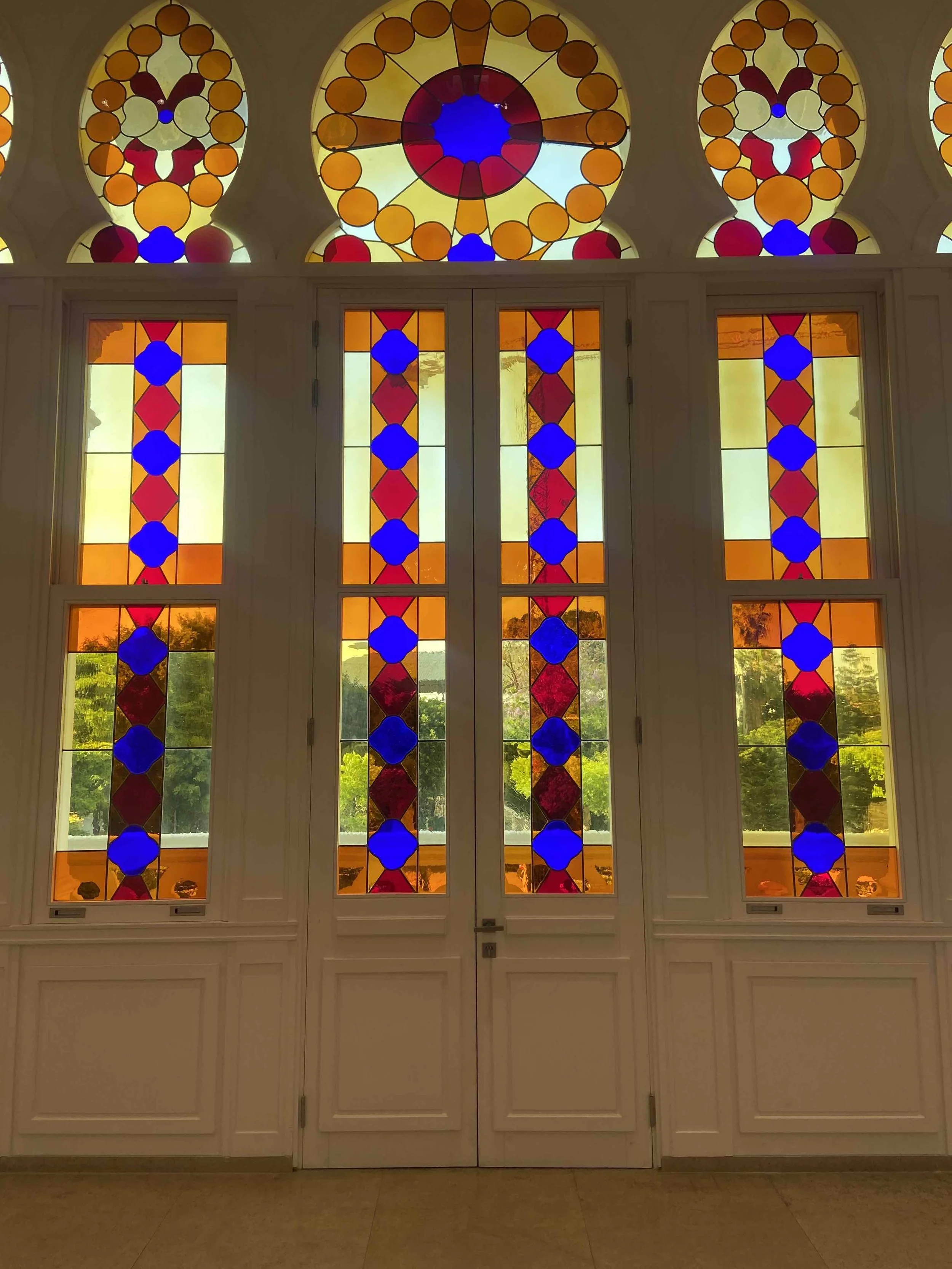
While drawing from the traditions from in and around the Mediterranean region, Beirut has recurringly witnessed migration, cross-cultural exchanges of forms, materials and aesthetics, and trends in technology and consumerism that have aected the everyday lifestyles of communities, leaving varying imprints on the built landscape - in the form of latticework facades (inspired by Islamic jalis), bare monochrome concrete surfaces, arches, Art Deco apartments, symmetrical building layouts and arches, and decorative gates, doors and windows. All of these attest to Beirut’s radiating, bygone yet cosmopolitan ambiance that awaits to be truly appreciated.
Beirut as a Creative Powerhouse
Similar to much of the streetscape around, most of Beirut’s crafts too, are rooted in legacy and tradition and represent the meticulous handling of a rich set of materials like glass, wood, stone, porcelain, clay and textile bers. Also, it is appreciable to see how these archaic qualities often fuse into/pave the way for contemporary forms to thrive alongside. Mundane and tactile engagements here are what creatives would want to register and build memories with - like the repetitive sounds of artisans carving wood and waves lashing at the shores of the Mediterranean Sea, coupled with the dense variety of forms, colours, tools and techniques seen across studios and workshops, that please the senses - letting one be absorbed in the visions of what Beirut once was and all that it is yet to become. The slow, instinctive and ephemeral joys that art evokes, the accidental juxtapositions and emotional relatability - all subtly remind observers of their own shared existence and most importantly - that design has forever been a level-playing field - one that opens up endless opportunities for experimentation and learning while allowing for our innate curiosities to nd a home.
Bokja, a Beirut-based design practice that celebrates diversity by crafting bespoke products through embroidery and textiles, ranging from furniture to fashion. As a contemporary design platform working with Lebanese and international glass and ceramic artists, the Pik’d Gallery graciously caters to prominent art collectors, with their state-of-the-art products and understanding of techniques.
In Achraeh district of Beirut, exhibiting a rare conceptualisation of forms is The Silly Spoon, a boutique selling contemporary tableware and home accessories, while oering customised table-setting services and redening the table as a living space with a consciously curated mix of international and locally crafted pieces. Collective Y, helmed by Rhea Younes produces bespoke projects and furniture pieces while sustaining a strong collaborative ethos. Studio Manda, a design practice, atelier and research laboratory for sculptural objects and bespoke furniture in limited editions, founded in 2015 by Georges Mohasseb, has fostered a transcontinental portfolio in a relatively short time.
Elevating design and crafts to a whole new level through digital fabrication are - experimental typography-based practices like Juzur - and - Post Industrial Crafts (PIC), which seeks to impact future generations through hyper-local, minimalist and sustainable design interventions designed mainly from recycled bres, to last a lifetime. Focusing on heritage preservation and environmental impact, Capsule, led by Ghady Azar, is working with the last generation of Lebanon’s glassblowers, and is actively trying to preserve age-old crafts and combat pollution by drawing attention to glass as a medium.
Stones by Rania Malli has made a mark for itself as a premier company dealing in the global marble trade and assigning contemporary relevance to an ancient medium like stone through interior and architectural design interventions. Adding to the existing design talent are another two key practices. Founded in 1926, Iwan Maktabi, a pioneering carpet design and manufacturing company producing traditional, modern and bespoke carpets and textile art in the Middle East and beyond - and - Studio Nada Debs, that is involved in harnessing the transcendental potentials of crafts and design through a wide array of interior design products and collections.
Beirut’s pulsating design scene here and the backdrop against which it has unfolded, show that it is layered with dual traits - the emotional and material, the fragile and the rm, the static and dynamic, and the living and the decaying. Central to nding balance, curiosity and innovation amidst these extremities are collectives and changemakers who have successfully fostered accessibility and inclusivity through their pursuits. PSLab oers context-sensitive lighting solutions and even hosted the photo exhibition ‘Vision from Beirut’ (by the much-admired architect Karim Nader and the Belgian photographer Julien Lanoo), which captured the city in ux, oscillating between the past and future through analogue lm photographs. The Ready Hand, on the other hand, seeks to build bridges between artisans and crafts’ enthusiasts. These promising initiatives are dicult to ignore amidst the larger narratives that dominate the region, urging us to uphold lesser-known creative practices in the long run, lest they are lost into oblivion.
Beirut, Arts and the World
In Lebanon, design is steadily and sporadically assuming the role of a unier, through Beirut’s creative community and socio-cultural programs like We Design Beirut. And, through this rst-of-its-kind event, Beirut’s fragile, yet evolving design and crafts ecosystem has been proudly unveiled to the rest of the world to take notice of. This recent congregation of a diverse group of homegrown and diasporic creative practitioners has nurtured possibilities of new networks and cross-cultural discourses to emerge amidst and beyond the Global South. Beirut’s transformation humbly reminds us of the healing powers of the arts – to keep imagining, creating, inspiring and enduring.
Such negotiations - between the temporal and the permanent - and the abstract and the physical, the collaborative spirit of the locals and the zeal to bring out the best from and for a city - all explicitly prove that places and cultures cannot be designed or revived by just sitting in comfy air-conditioned oces or through ‘modern’ technological interventions. They should instead be seen as a merging of both – the old and the new - the ‘soft’ and ‘hard’ facets of life while being rooted in intense eldwork, research and dialogue. It is only when art, solidarity and empathy are fused with creative and entrepreneurial acumen, that cities like Beirut can be sustained from a long-term perspective. And, for any place anywhere in the world, such gestures, rituals and notions of humanity are not too much to ask for. Are they?