
What is the Everyday Indian Aesthetics?
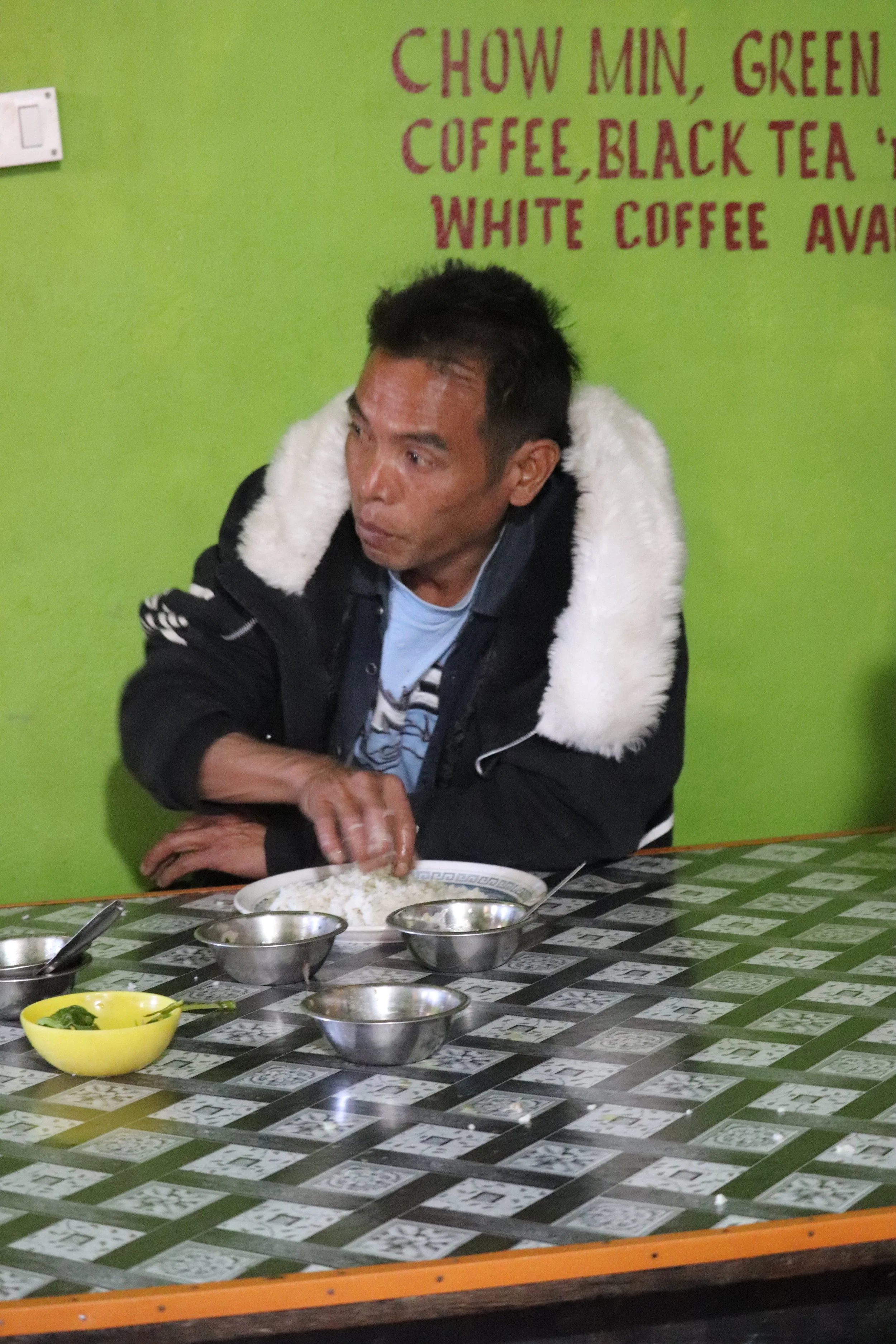
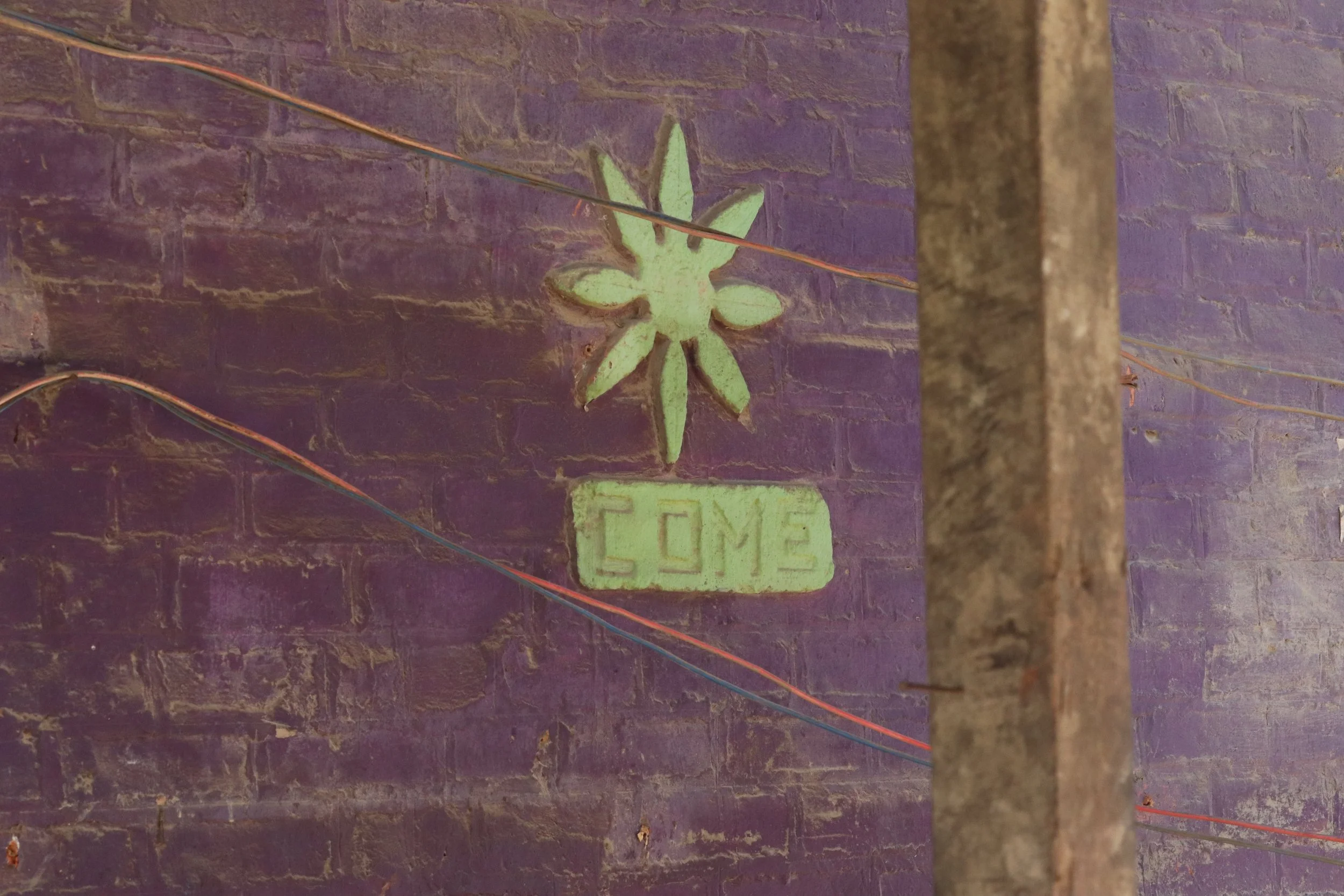
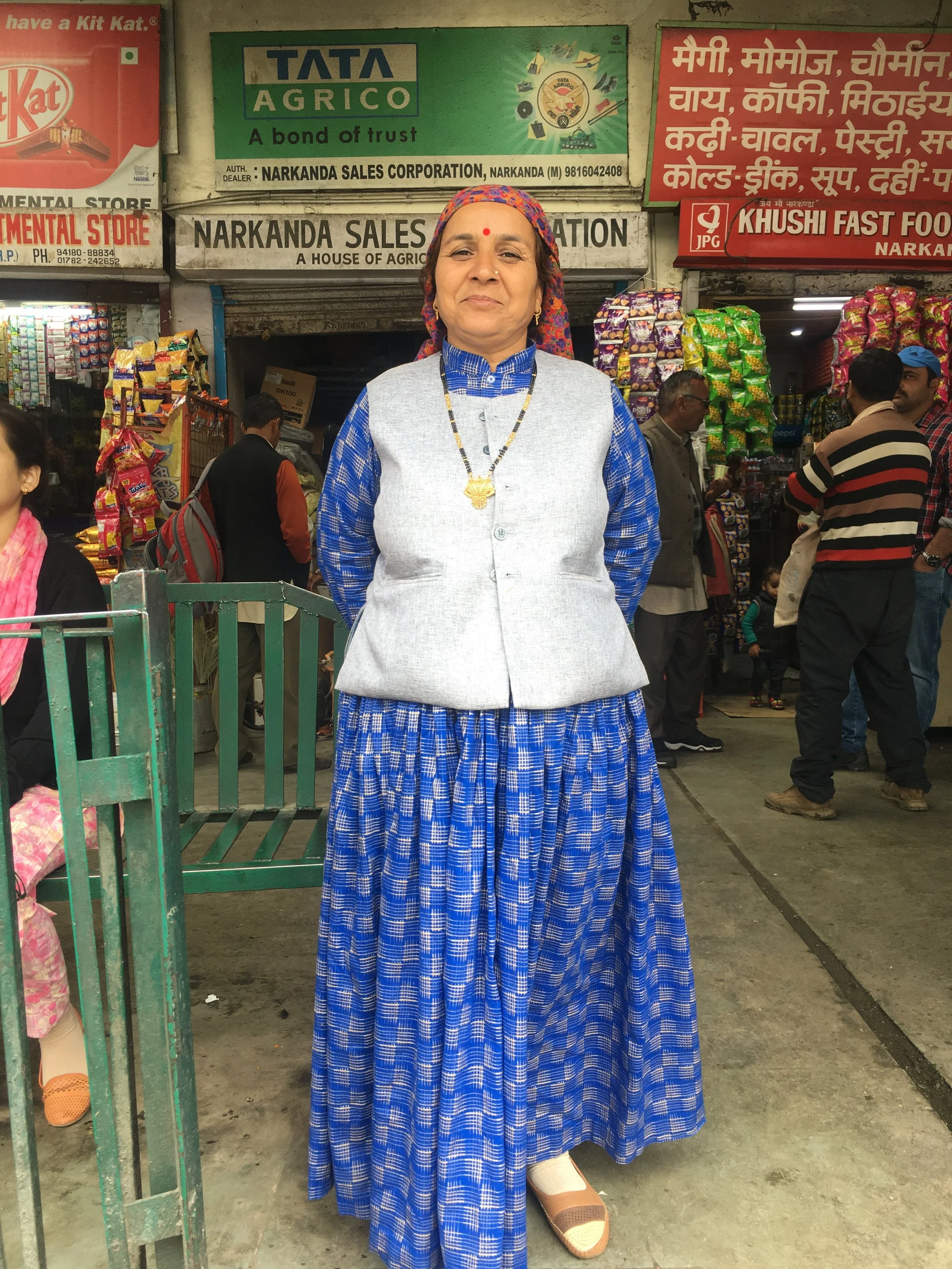
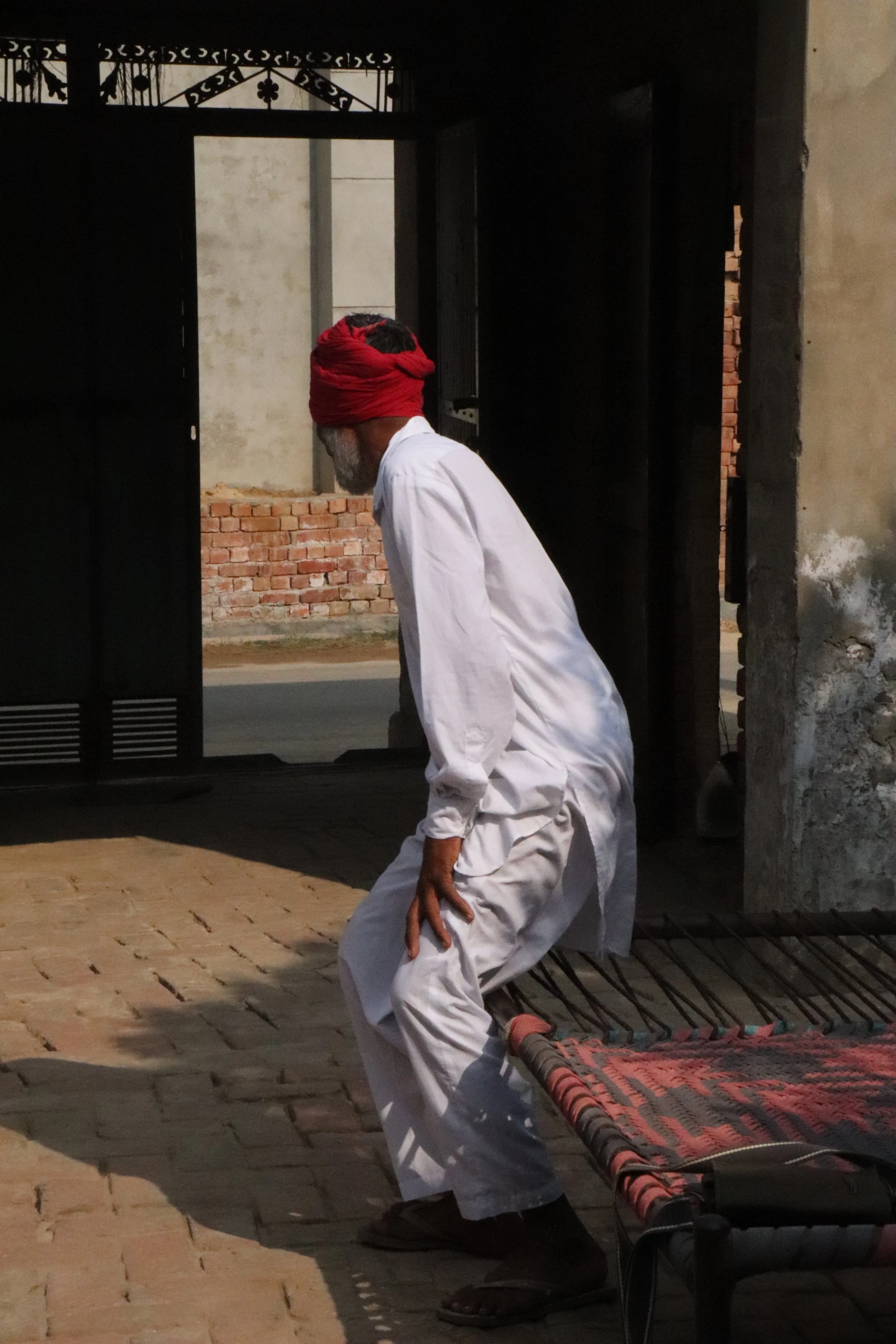
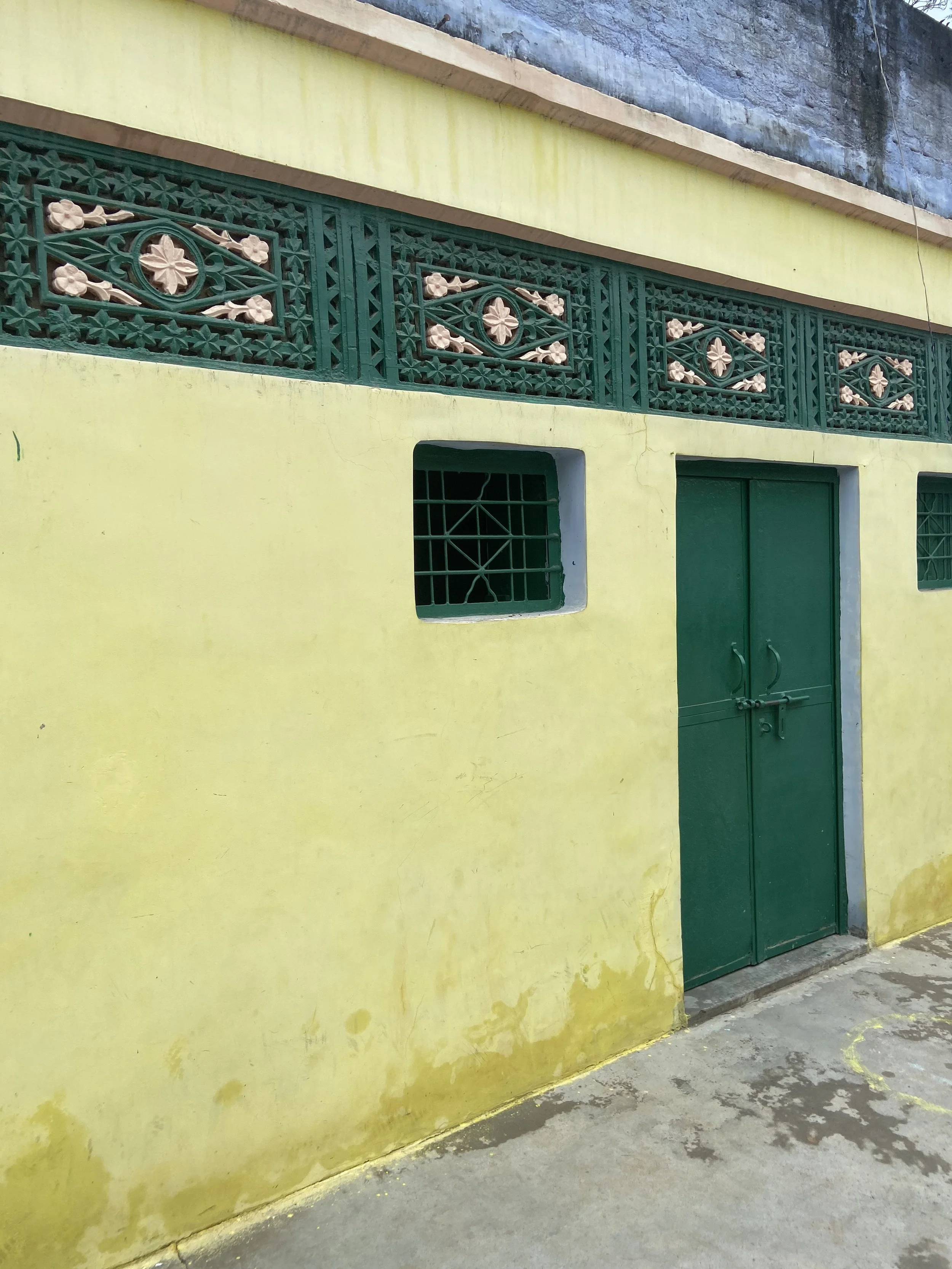
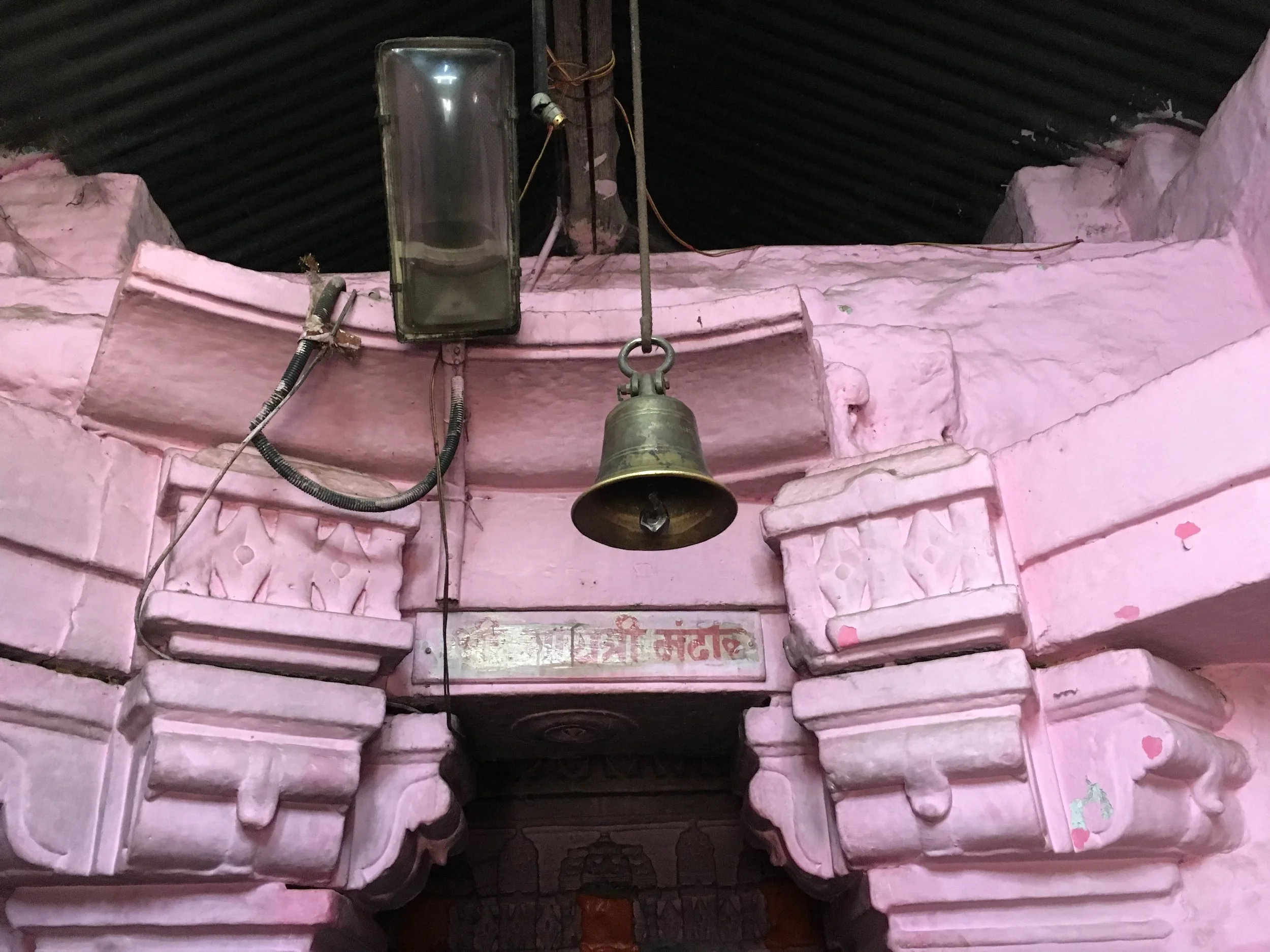
As I travel across India, themes emerge and patterns appear common across India’s geography. I peek into rural lifestyles of the common people, through everyday design seen in architecture, adornments, colours, textures, patterns, and typography. I encounter spontaneous design details, away from preconceived stereotypes. So what visual aesthetic is able to represent people and places as they are? Is there one aesthetic that captures India’s lived realities?
India’s design culture is rooted in functionality and daily needs of the people seen through everyday objects, practices and materiality of the country. Myriad colours, shapes, forms, and textures of this mainland reect this aesthetic. But is design universal? Do certain colours and patterns speak of community identities? Some of these anthropological questions arise. I further think, how does the global gaze on what Indian design stands for aect our perception of design from our own country? Does this language also shed light on connections to other cultures too, and how design has the capacity to document cultural exchange and hold the past in the present.
To dig deeper, I notice that Streets, markets and homes in India are lled with a multitude of objects that defy any denitive style or easy categorisation. They hold the material memory of a place, while the place inuences the making of every creation. A cornucopia of shapes and sizes emerge of all kinds; lines, both straight and angular; carvings and painted iconography mounted on walls; a range of kitchen utensils customised for local cuisine—in the curves of the lota (pot), the ubiquity of the plastic armchairs and the utility of the attache (suitcase)—lies the wonders of India.
Spiritual mantra and vastu yantra, hand-painted menus and directional signposts—everywhere one looks, from the living rooms to the shop fronts—a plethora of creative inspiration awaits the attention of onlookers. Type fonts and calligraphy, signage and listicles, engravings and notice boards, banners and bills, posters and pamphlets—these photographs aim to capture a semblance of the Indian graphic traditions through ordinary vignettes. Whether it’s the men’s saloons or the roadside dhabas, the written word and the drawn designs have no standardised technique, yet within the stylistic dissonance emerges a visual unity. India’s linguistic diversity is reected through the striking bright and bold coloured letters that catch the eyes of every passerby.
Adornment and Identity go hand in hand too. The body becomes a canvas—accessories and sartorial choices are markers of the self and the community in India. A particular piece of jewellery can symbolise a woman’s marital status while the drape, colours and cuts of draped cloth signify the wearer’s religion and regional origins. Everydayclothingcapturedintheseimagesdisplaysavarietyoffabricand patterns—monochromatic and tessellating, cheques and borders, shades of pastel or neon, embroidered and embellished—a concoction of customs and creativity. Unstitched textiles are common, with men draping turbans, lungees and dhotis, and women clothed in sarees, hijabs and odhanees. Anklets, jutees and toe rings adorn the feet, ears stacked with hoops and danglers, wrists decked with bangles and necks carry beads, pendants and chains.
Indian design has also evolved over the last few decades and today we see architecture everyday from the 1960s through 2000s in most cities along with some remains from the eighteenth and nineteenth century.
Space meets spirituality in the built world of India. Wrought iron grills with geometric designs accompany windows and doors. Ornate door frames with latch locks, knobs and knockers and oors with mosaic tiles of marble, stone and quartz are a familiar sight. Window panes of stained glasses, balconies with arches and pillars, sculptures of domes and spires, walls with oral leitmotifs and painted borders, decorative cornices, sloping roofs of terracotta tiles, courtyards and columns, staircases and stuccos are found across the country. The interiors in rural houses have charpoys, while city homes' seating arrangements include upholstered sofa sets to welcome guests.
Whether it’s Chandigarh or Chettinad—Indo-Islamic, Art Deco, Modernism or traditional vernacular architecture design—every structure tells a distinct story.
So what is the everyday Indian aesthetics? It’s the systematic display at many retailers in a bazaar, minimalistic borders and terrazzo ooring in a haveli combined with the oral decorative ones, it’s in between shades of eclectic and pastel colours, it’s the European inuenced Art Deco details along with retro grill designs, it’s the loud temple aesthetics, makeshift purposeful design, old handmade objects with new industrial objects, merging formal settings with informal, residential with commercial, it’s in use of natural materials, it’s in the traditions borrowed over generations, it’s in the many drapes, the multilingual typography styles, geometric symbols and motifs, and everything in between.
SHOP EVERYDAY INDIAN AESTHETIC by Sayali Goyal