Homage to a legacy institution: Unravelling the terrific Georgian Arts and Culture Center (GACC)
Learn about Georgia’s evolving identity through an organization dedicated to uplift and expose its craftspeople, through determined efforts and sectoral interventions
Vision and mission for social impact
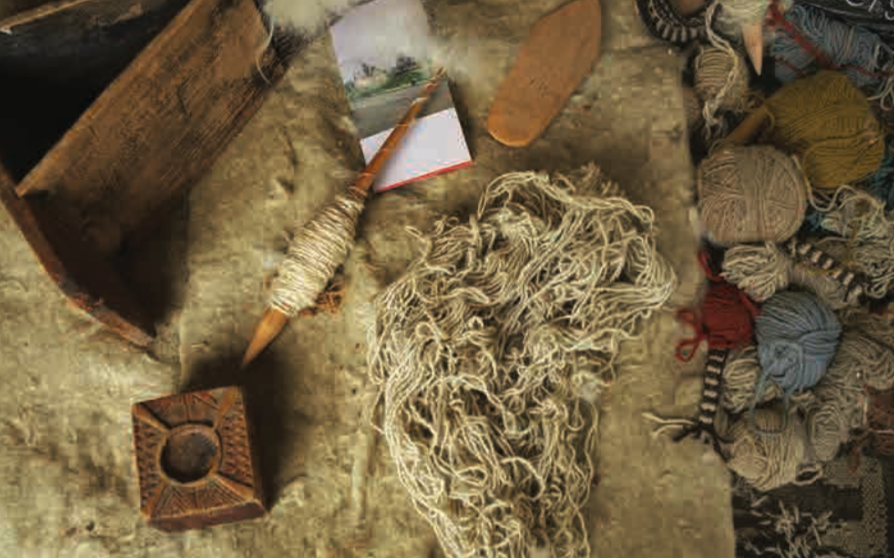
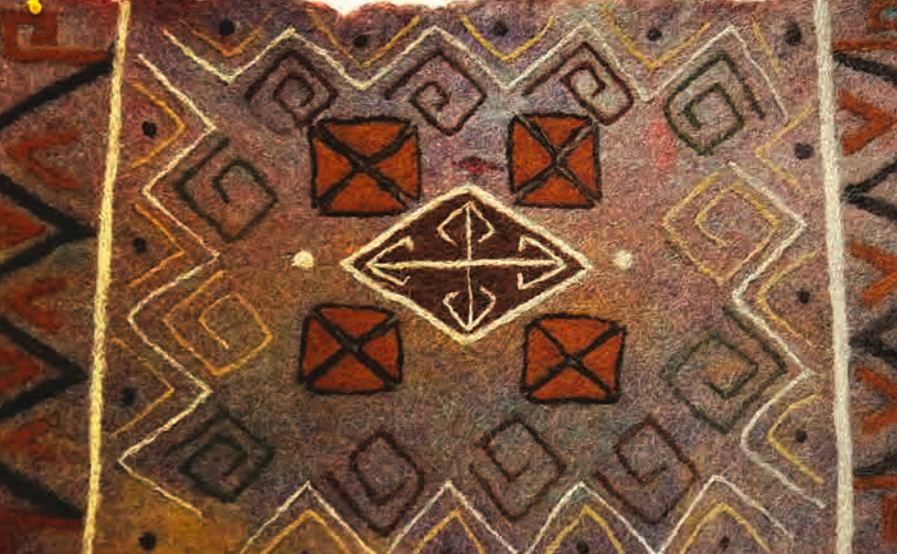
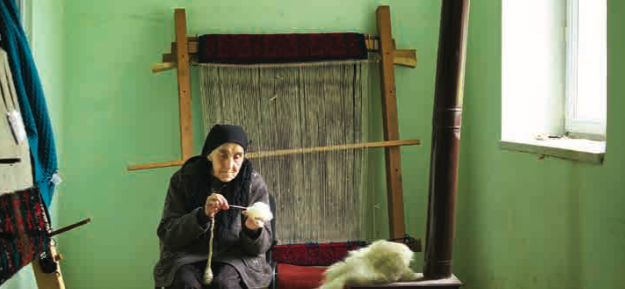
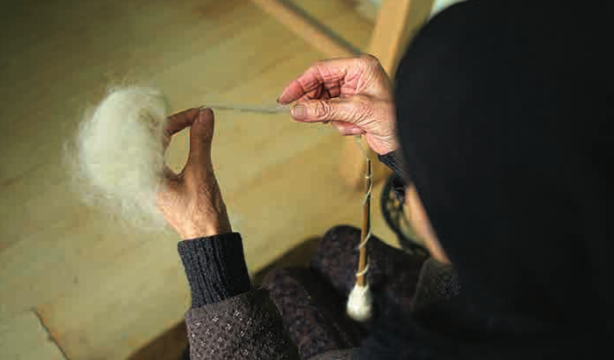
Georgian Arts and Culture Center was established in 1995 and since that time, served for the safeguarding and development of artistic crafts in Georgia. Through the several consecutive projects funded mainly by the EU programmes and USAID the center managed to achieve a significant positive shift in the sector. The intervention included sector studies, policy development, capacity building, and various activities aimed at ensuring the intergenerational transmission of traditional knowledge. For the Institutional development of the crafts sector, GACC founded diverse entities such as the Georgian Heritage Crafts Association, Social Enterprise Istoriali, and Tbilisi International Summit of Crafts and Design EthnoFest. GACC also actively supports the binding of crafts with the tourism sector and the development of creative tourism in Georgia, which may serve as an additional source of income for the artisans.
Along with mentioned activities GACC works for the safeguarding of crafts traditions. Being the accredited NGO to the UNESCO ICH Convention 2003, the center adheres to the guidelines set forth by the document, acknowledges the pivotal role of communities and works closely with ICH bearers all over the country.
Thanks to these efforts, awareness and appreciation of the crafts in Georgia have been significantly raised; craftsmen were included in a number of supportive programs and local crafts markets increased.
Georgian crafts in the growing global demand for indigenous crafts
It is true that the global demand for indigenous crafts is rising, but Georgia still is not benefiting from the trend. Georgian crafts are mainly marketed locally and appear on the international markets only occasionally, mainly through trade shows. Despite significant competition from the main craft-exporting countries such as Mexico, India,
Morocco and so on, I do believe that there is a niche for Georgia. The awareness of Georgian culture and traditions on the international level is still rather low. Although influenced by both Eastern and Western cultures, Georgian arts and crafts maintain their peculiar expressions and offer products which differ from those presented in the market. The international crafts market still needs to “discover” Georgia.
At the same time, being a small country with limited crafts production, Georgia can not compete on the mass product level. Its products are mainly limited editions and better fits the high-end niche products. Ceramics, cloisonne enamel, embroidery, weaving, woodcarving, and silverware products have potential in the international market although they need developing in order to match the requirements.
Challenges working with artisans
The main challenge of the Georgian crafts sector is the economic instability of the artisans. Due to the limited local market and no access to the international markets, many of them struggle to gain sufficient earnings from their craft and seek occupation in other sectors for their primary source of income. This badly affects the productivity of the sector as well as the safeguarding of local crafts traditions.
We hope that the improved institutional structure of the sector and emerging new sectoral organizations will positively affect these challenges, lead to the upscaling of crafts businesses, and increase the presence of Georgian crafts in the international market.
Another set of challenges is the development of new skills within the craftsmen. Languages, ICT tools and the like which gain more importance in the crafts sector are the weak points, especially for the elder artisans, preventing them from better visibility andonline marketing. The sectoral organizations are working to eliminate these shortcomings through training and technical assistance.
Material cultures, identity and evolution in the contemporary market
Material culture, including the material side of the Heritage Crafts, is an important legacy that determines Georgia’s identity. It is characterized on the one hand by the common expressions and on the other hand by the regional differences in the traditional architecture, garments, folklore traditions, cousins, and so on still present in Georgia and maintaining the diversity of its culture. But crafts as a part of intangible cultural heritage through the centuries was a living tradition that was changing following modern needs and requirements. This soul of change and development is still preserved in the sector. We witness the rethinking and modification of traditional forms and ornaments, and the introduction of new shapes. The process is intensified with the inflow of the younger generation in the crafts sector. It should be noted that these developments are not always successful or positive, but it is a natural process of development that we hope will lead to the further enrichment and development of Georgian crafts traditions.