
From Caucasus to Caspian Sea Notes on Carpet Symbology
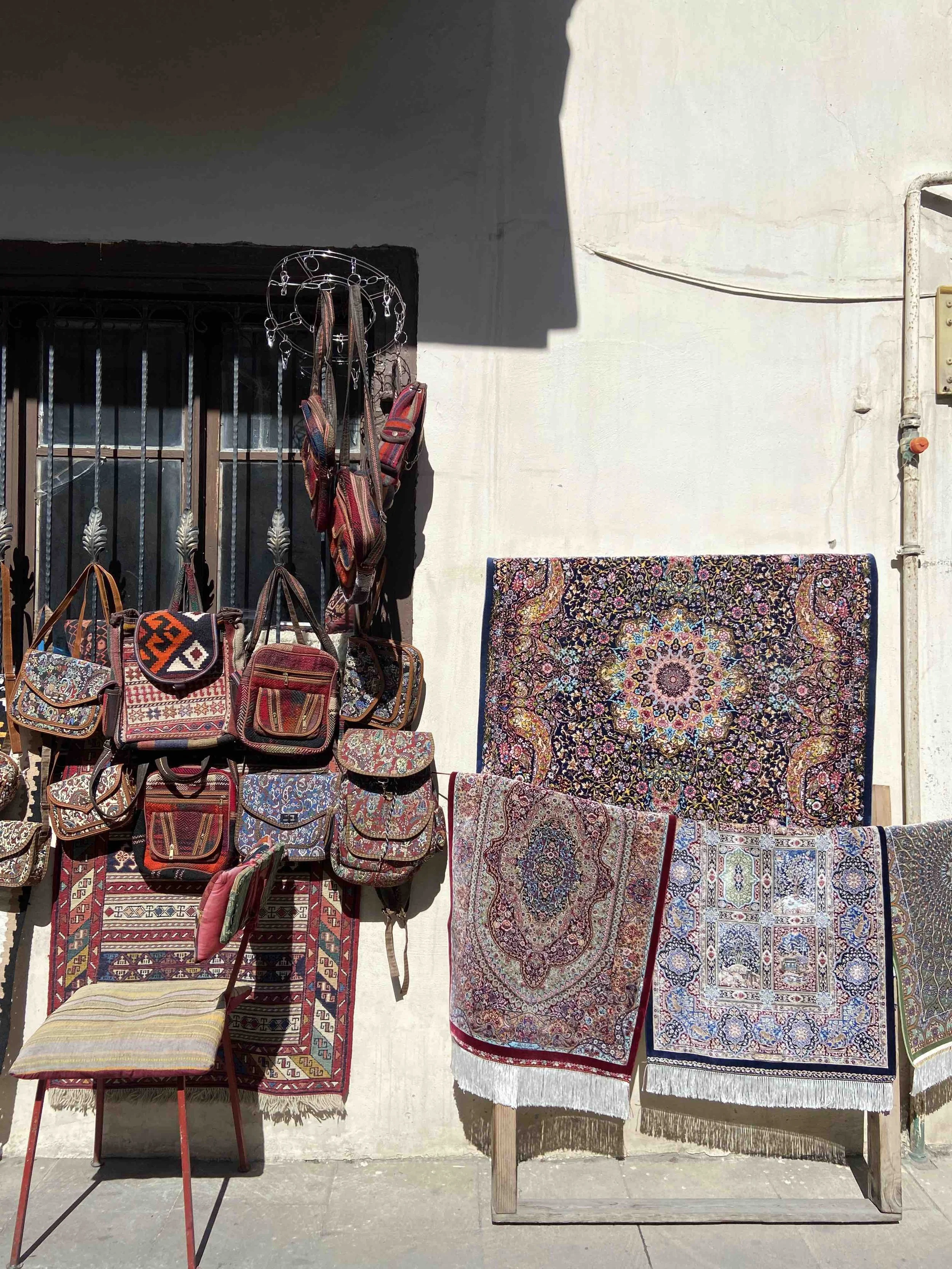
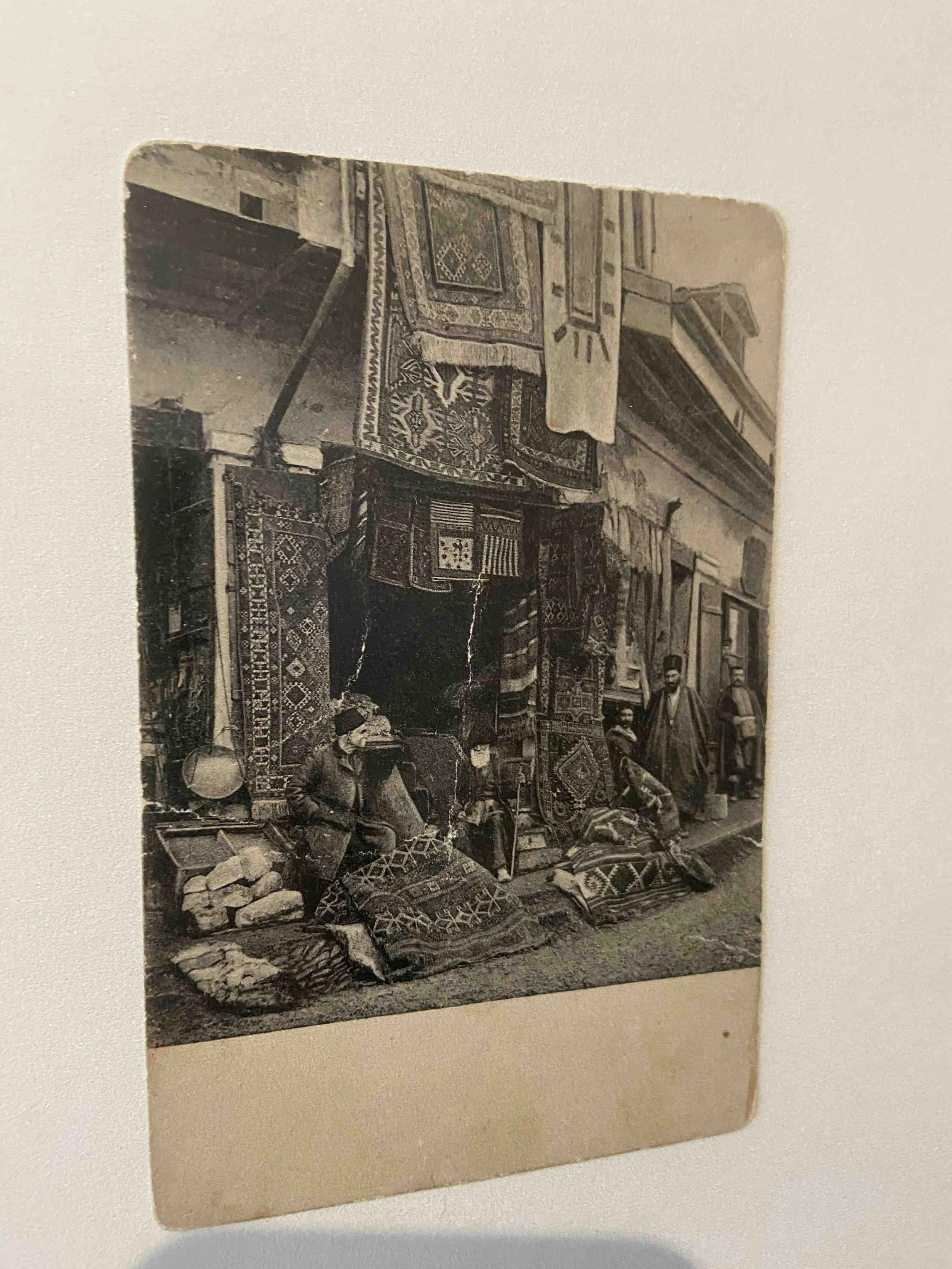
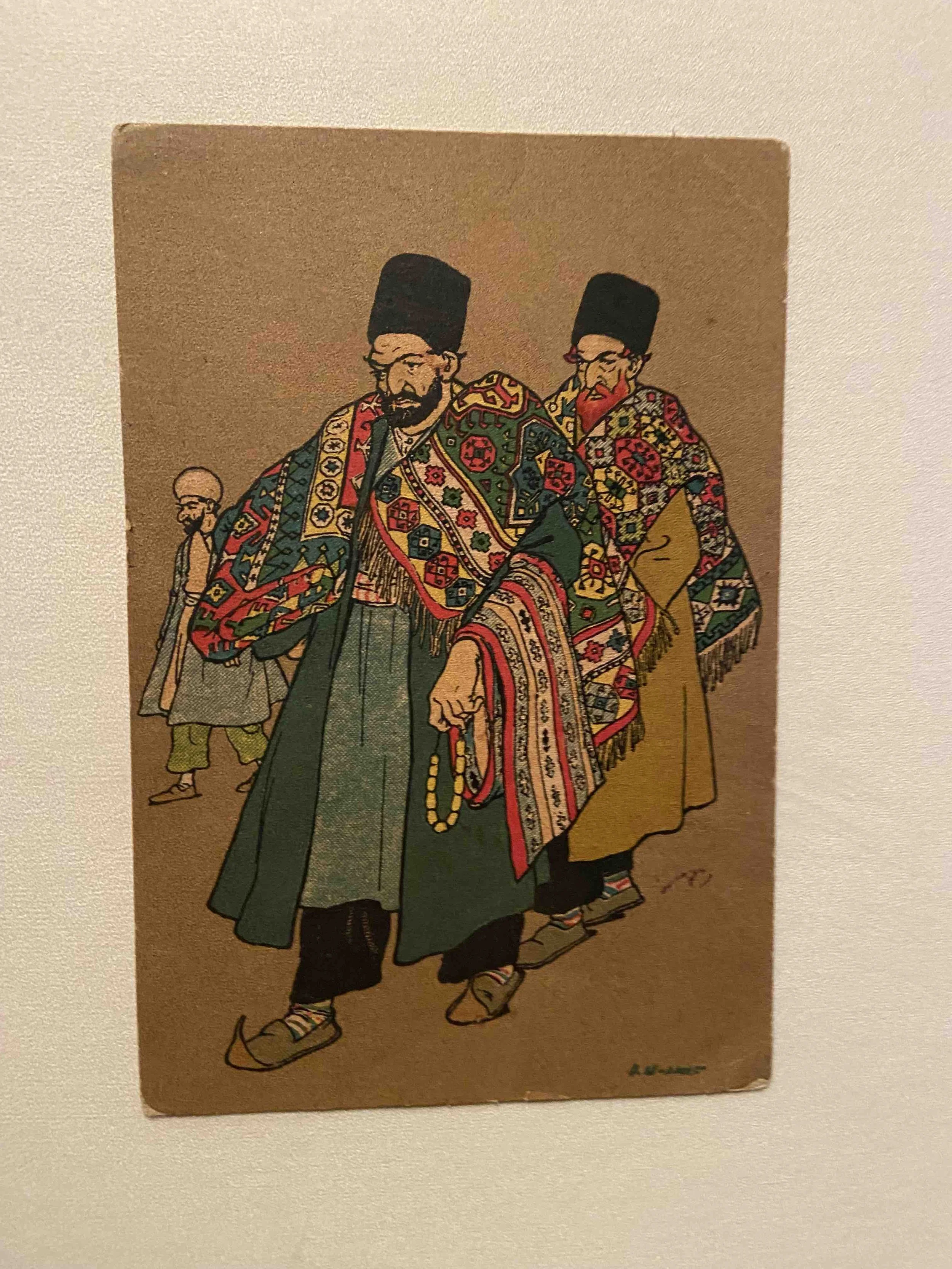

Traders from faraway lands,
Swap stories along the bazaars and caravans.
The spirits of the Silk Route,
Still roam these streets.
Merchants of memory, travellers in time,
The cosmos is rendered through an artist’s mind. Lost and found in the sights and sound,
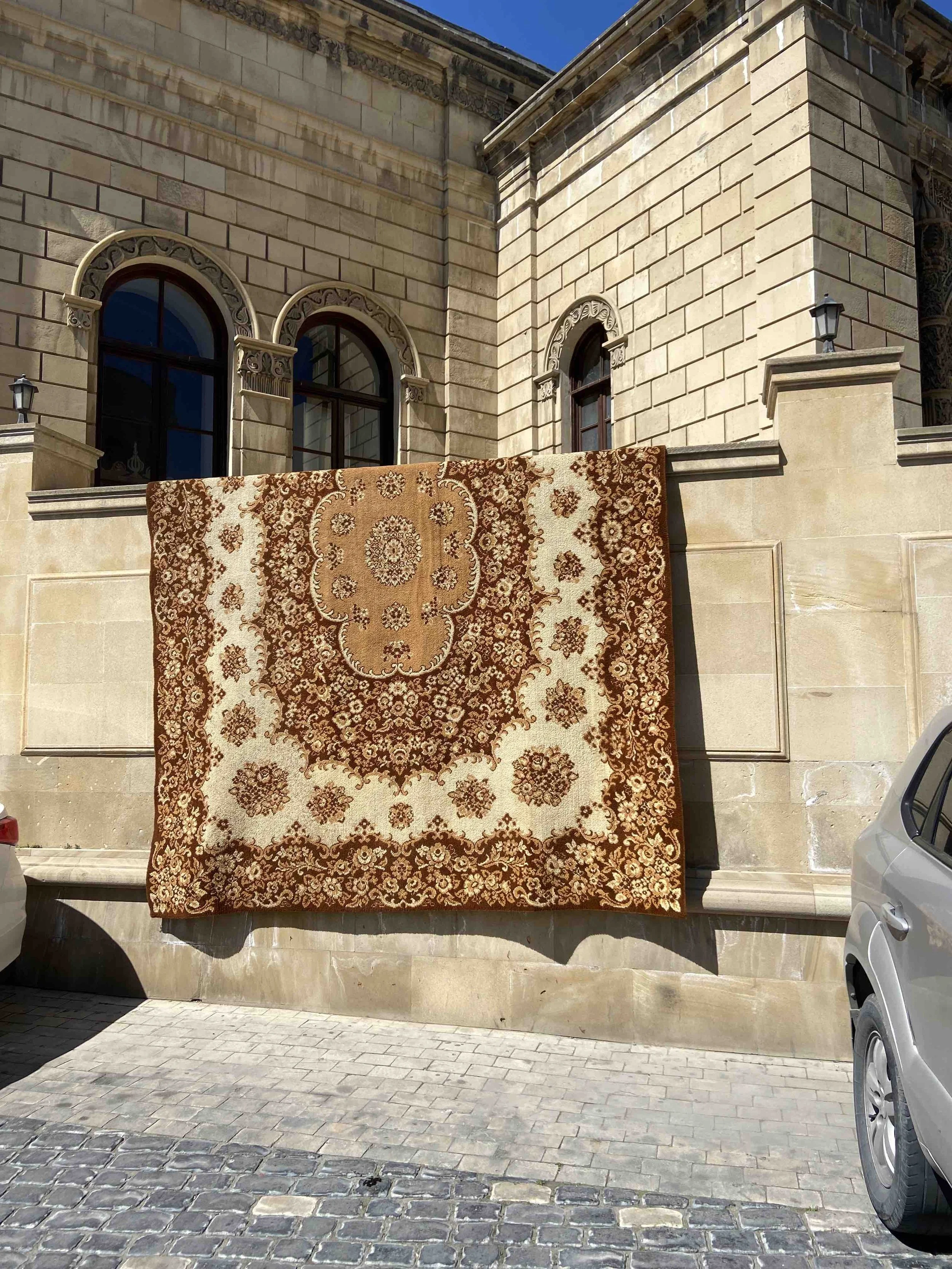
Carpets transform into divine canvases.
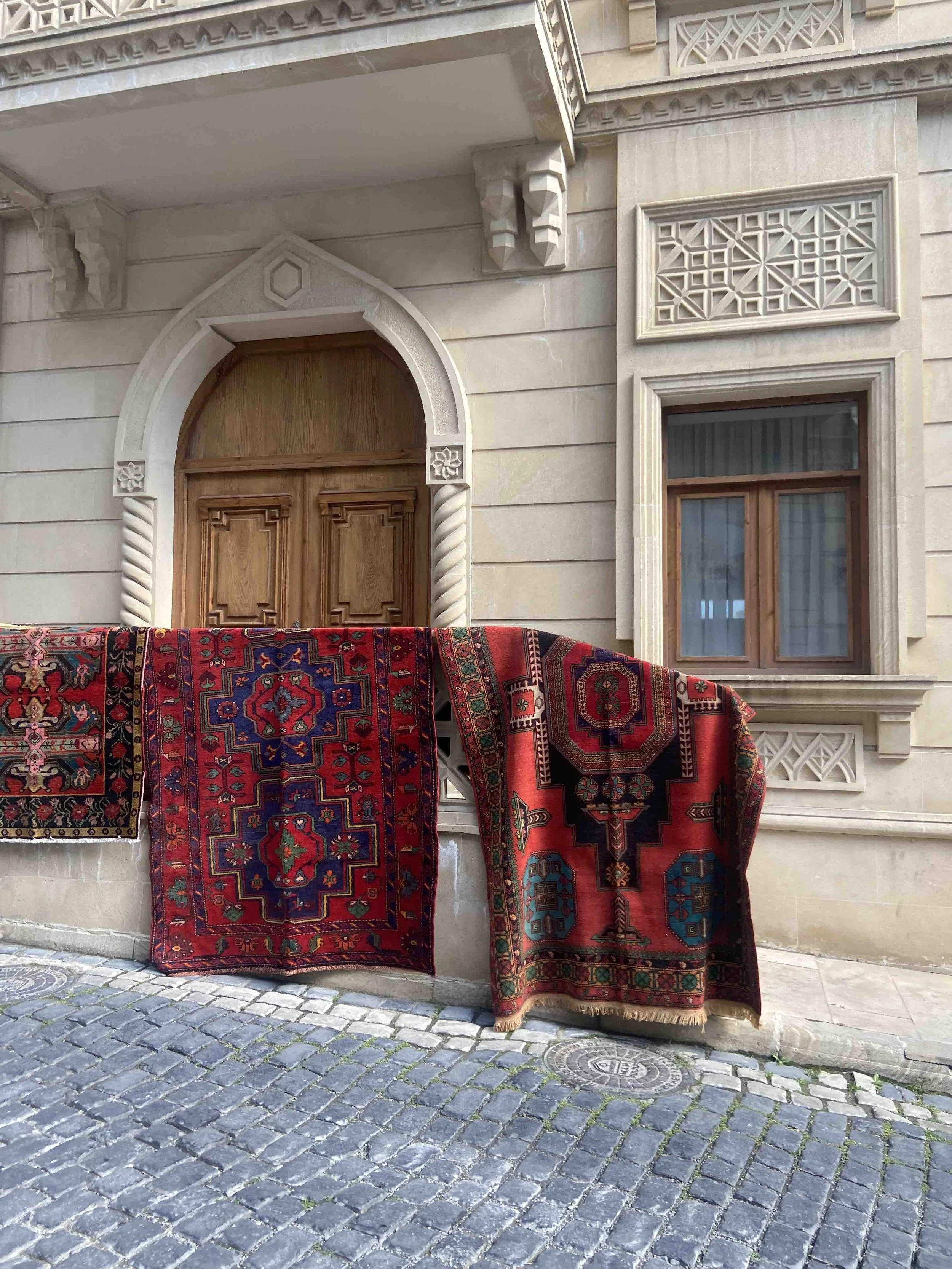
Woven wonders with symbols that traverses Borders and boundaries, customs and countries.
“Rugs are written pages. In their maze of design there is a symbolical language, the key of which in its ceaseless transmission through the centuries has unhappily been all but lost.” – J.K. Mumford, Oriental Rugs, New York, 1915.
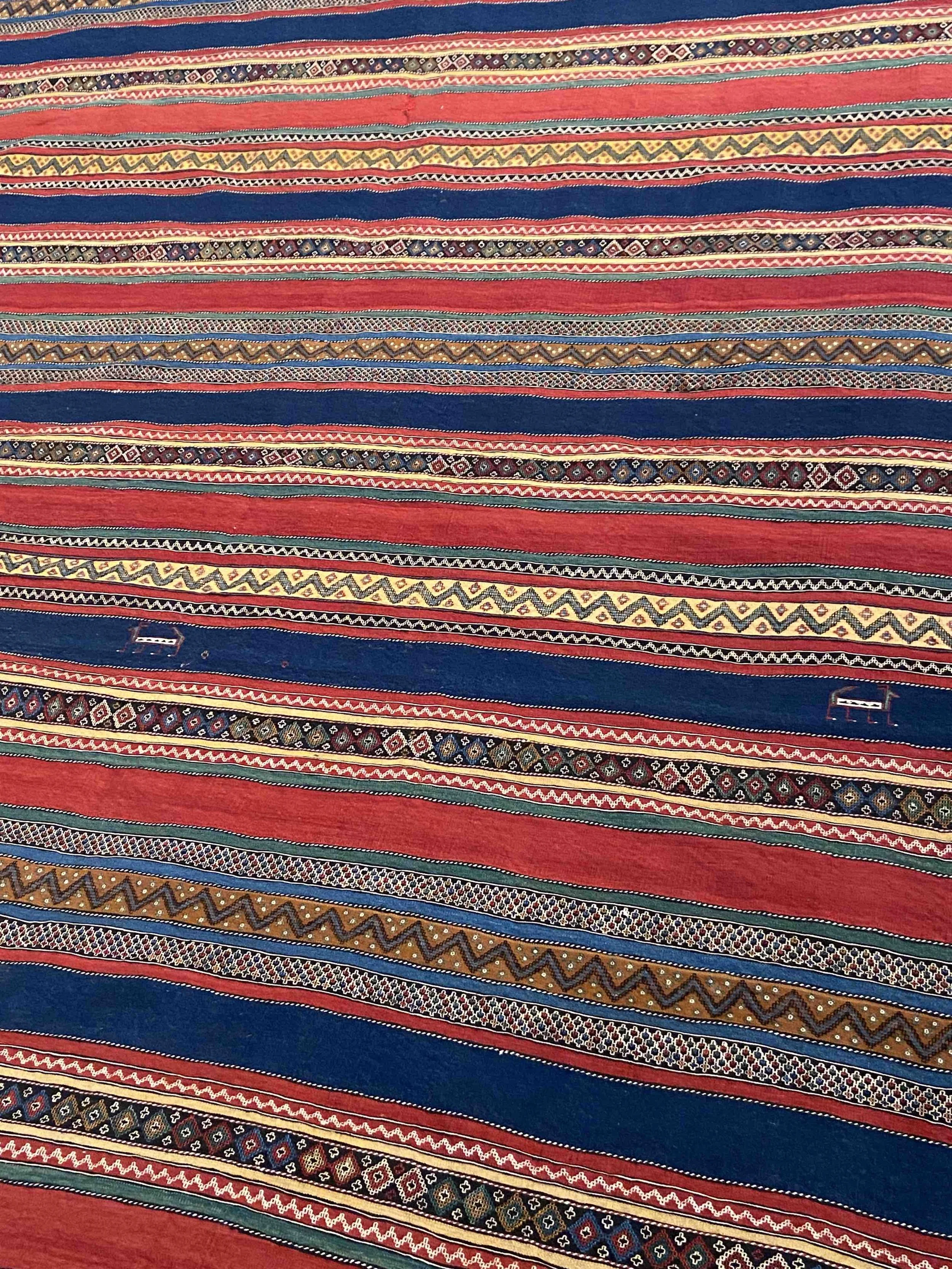
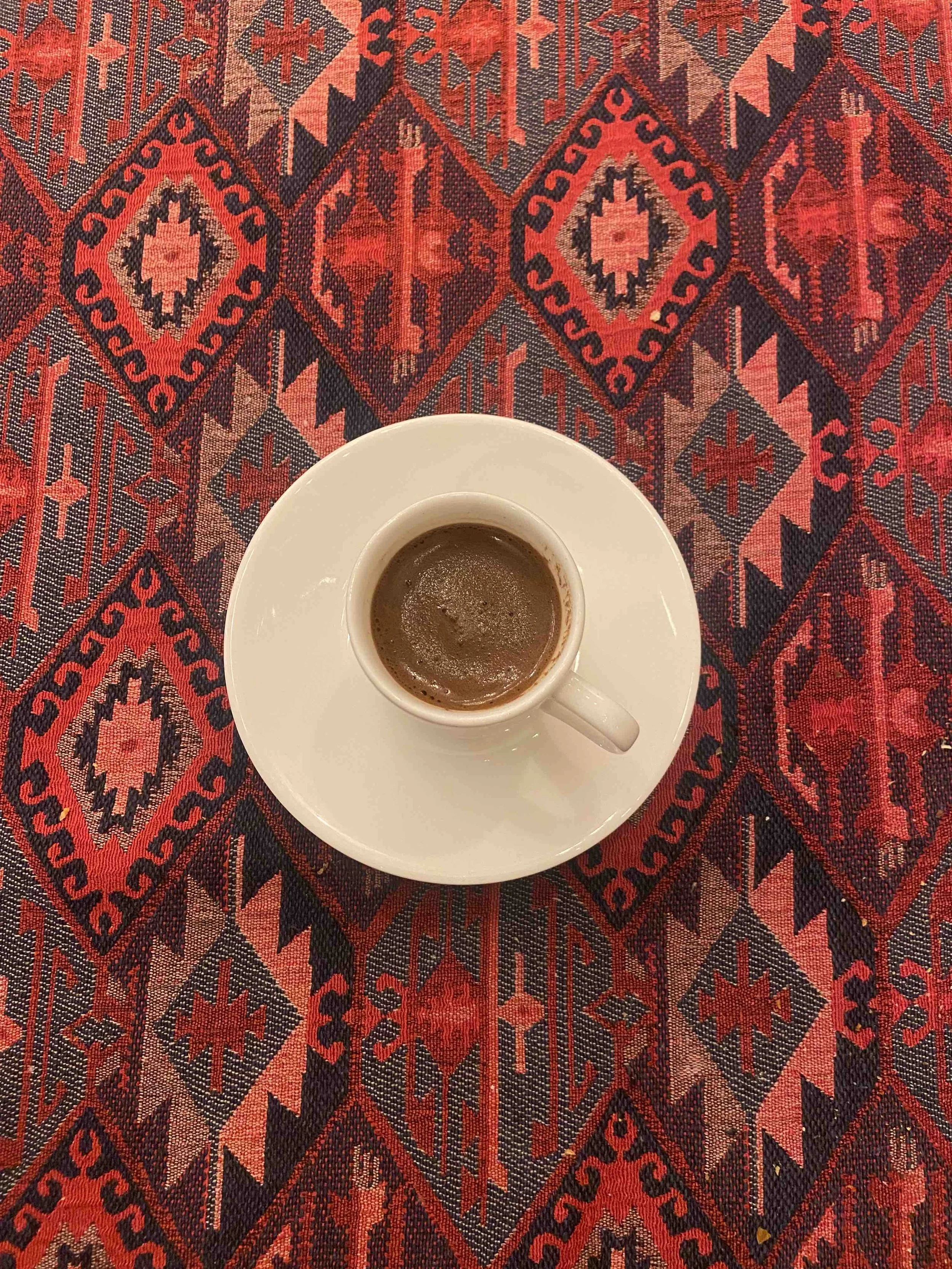
Carpets are one of the most curious creative endeavours in the history of human civilization. Famed for their utilitarian, practical and functional aspect as oor coverings and insulation for the cold winters, they are more than just a decorative item used in the domestic spaces. These objects embody a culture’s textile and visual history and traditions. They convey stories and relay identity of a place and its people, within its materiality are enclosed both the natural and metaphysical knowledge system of a culture.
Nowhere is this more evident than the transcontinental countries of Azerbaijan and Georgia, nestled between the heart of the majestic Caucasus Mountain and the Caspian Sea, we see the merging of the European and the Asian visual lexicon through the medium of a woven artwork. This region is renowned for its intricate art of rug weaving. Azerbaijan and Georgia, with their vibrant histories and rich cultural tapestries, have long been celebrated for their exquisite rugs. They are woven narratives, each thread telling a story of tradition, heritage, and artistry that spans centuries.
The history of rug weaving in Azerbaijan and Georgia dates back thousands of years, with roots deeply entrenched in the ancient civilizations that ourished in the region. These regional epicenters of Central Eurasia, were once a vibrant route for the Silk Route trade, playing the historical role as a commercial bridge between east and west.
Of Origins
Vladimir Mayakovsky, the Soviet Russian poet, playwright and artist, in an interview said, “I was born in the Caucasus, my father is a Cossack, my mother is Ukrainian. My mother tongue is Georgian. Thus, three cultures are united in me.”
His words, though expressing his individual story, also embody the synthesis of cultures, religions, and iconography of the society in this region.
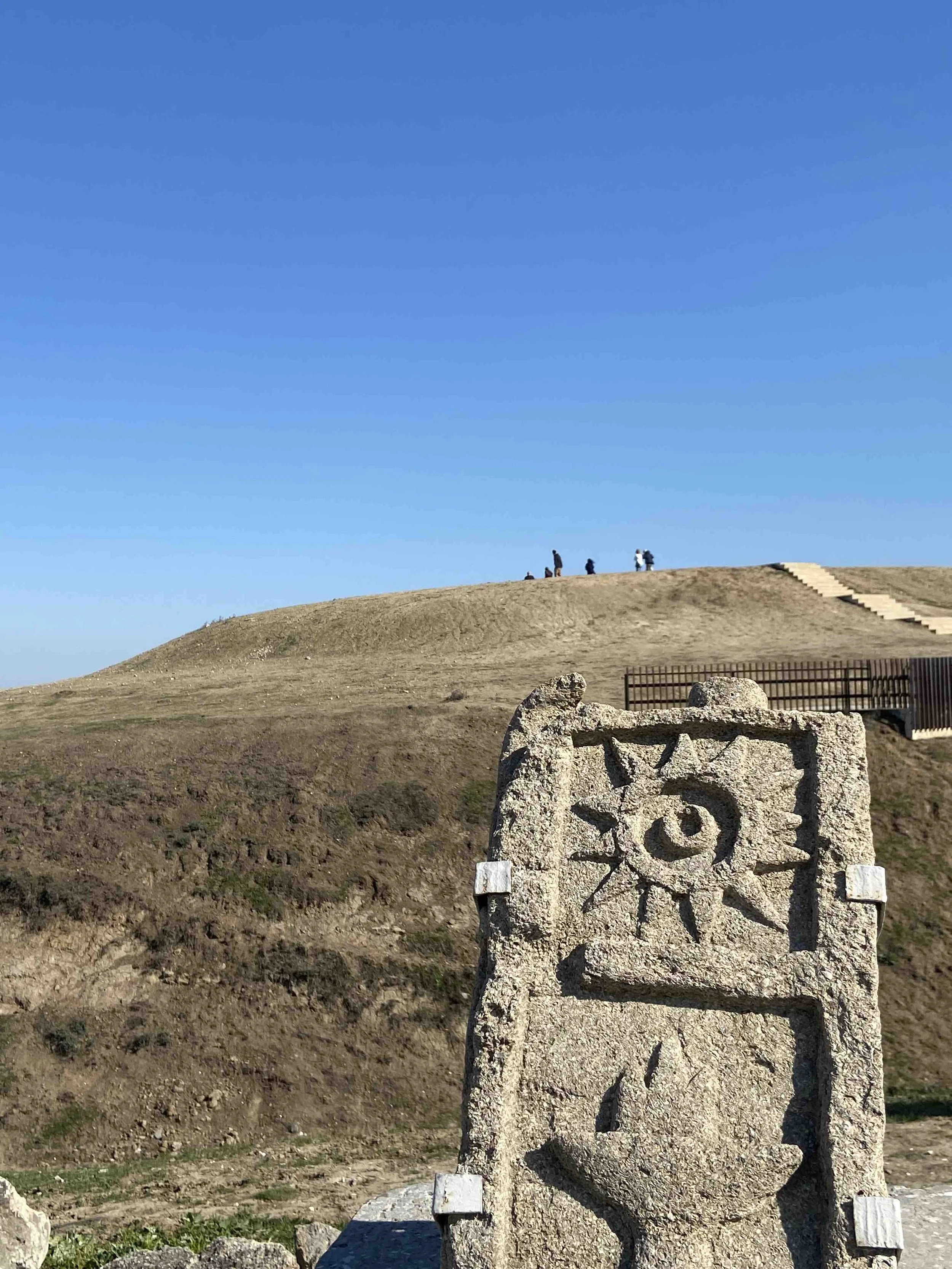
In eastern Georgia, Uplistsikhe (literally, “Lord’s Fortress”), a city on the banks of the River Kura, originated back in the late Bronze Age. This caravan trading post was once a seat of the Ottoman empire, this is one of the oldest human settlements. Its ancient cave clusters, strewn across its rocky terrain, the place exudes the functional art of rock cutting, that served as a space of political and religious importance in the pre-Christian era.
The medieval text The Georgian Chronicle, the Judeo-Christian myth of Kartlos, the eponymous founder of Uplistsikhe. Literary and other medieval musings of this region have left traces of pagan myths that still run through the region. The intrinsic human nature relying on symbols to communicate our relationship with the natural world, community and spiritual realms, come alive in the carpets of Georgia. This woven art form, which borrows its symbology from the myths and motifs appearing in the long history of this ancient land.
Georgian rugs, therefore, frequently incorporate crosses and other religious symbols — an ode to the country's deep-rooted Christian heritage. The combination of geometric shapes and ancient symbols often blend Christian symbols, subtly forging the region’s unique visual identity on the canvas of these carpets.
In Georgia, every home features handwoven rugs that reect the family’s taste and history, often commemorating signicant events such as births, weddings, and deaths. In Georgia, the tradition of rug weaving is deeply interwoven with the country's historical tapestry. Georgian rugs, especially those from the mountainous regions of Kakheti and Tusheti, are distinguished by their bold geometric designs and rich, earthy tones. The inuence of both Persian and Byzantine aesthetics can be seen in Georgian rugs, yet they retain a distinct style that speaks of the rugged landscapes and resilient spirit of the Georgian people.
Another city on the banks of Kura River, is Tbilisi, the capital of Georgia. At the crossroads between Asia and Europe, this city too, has seen the inux of many cultures, partly due to its proximity to the lucrative Silk Route. Its architecture reects the mix of medieval, neoclassical, Beaux Arts, Art Nouveau, Stalinist, and Modern styles— a testament to the city’s rich, vast and heterogenous history through the years.
Ancient Beginnings
The Kura River ows down Georgia to Azerbaijan, from Turkey, before entering the Caspian Sea. Perhaps, the river is bridging Turkish aesthetic inuence to the creative spirit of Caucasus.
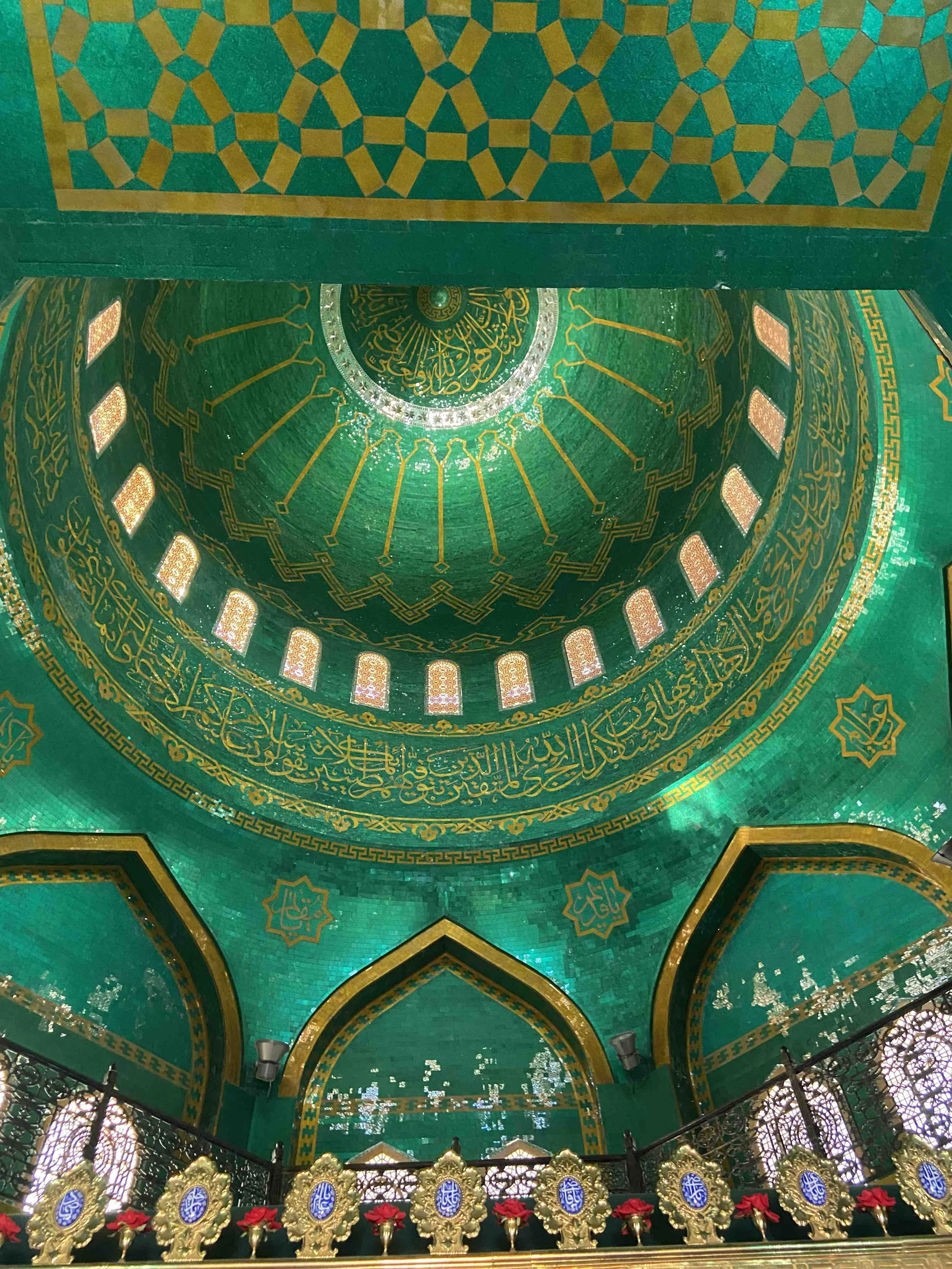
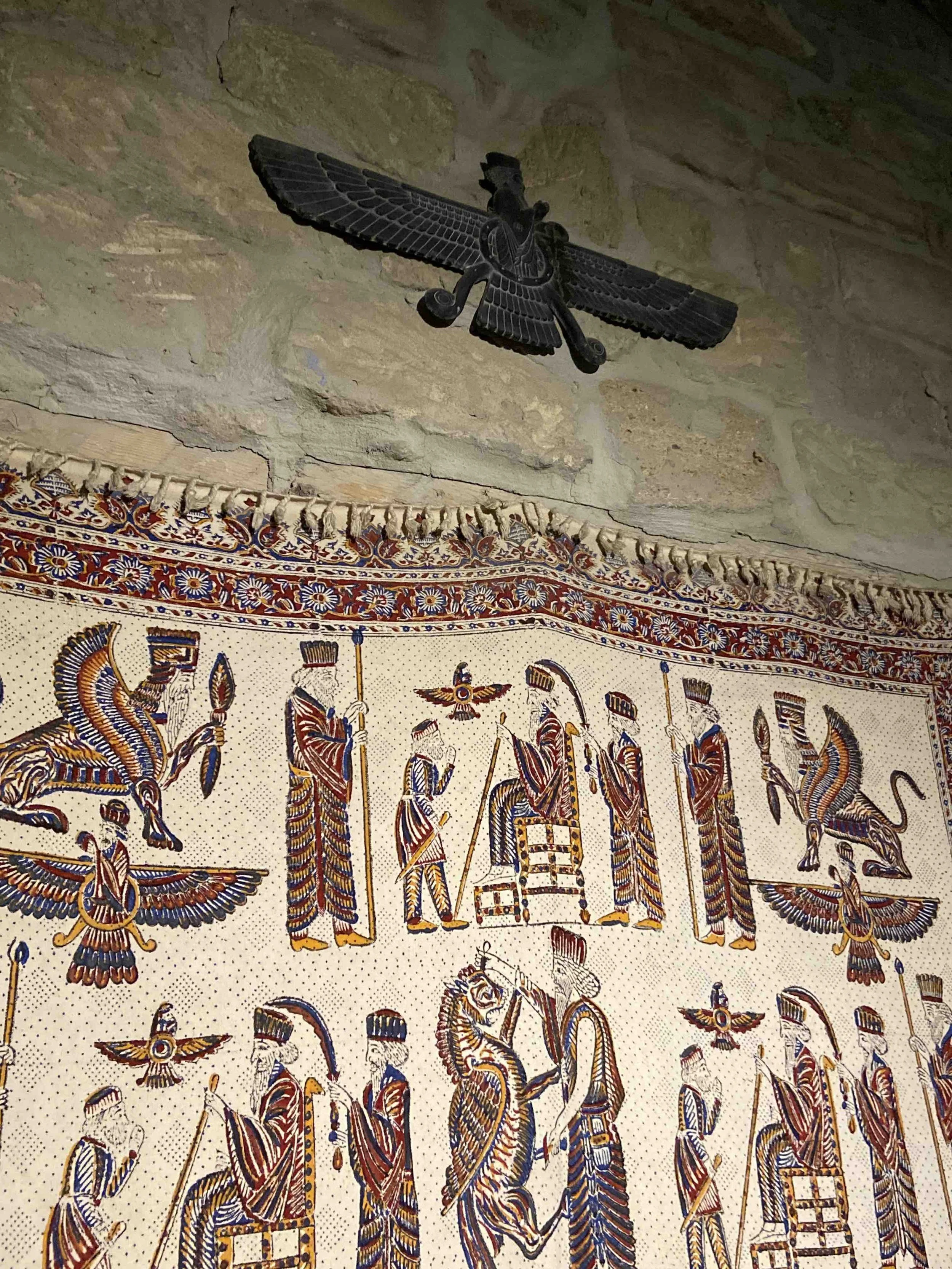
Azerbaijan’s capital, Baku, this city’s name has Persian roots denoting “city of winds.” Flourishing commerce in the region meant the conuence of cultures from around the world. Its connection to the Indian subcontinent relays the presence of a syncretic fraternity amidst the This implies the inclusive and syncretic nature of the region, where members of all religious could nd a place for worship, The Ateshgah of Baku, a temple for worship for Sikh, Hindu, and Zoroastrian traders is a symbol of past transborder relations. How connected are we in the modern world, in the age of social media connectivity, when religious dierences
only beget unrest, violence and mayhem. The symbolic relevance of such monuments shall always remain sacred.
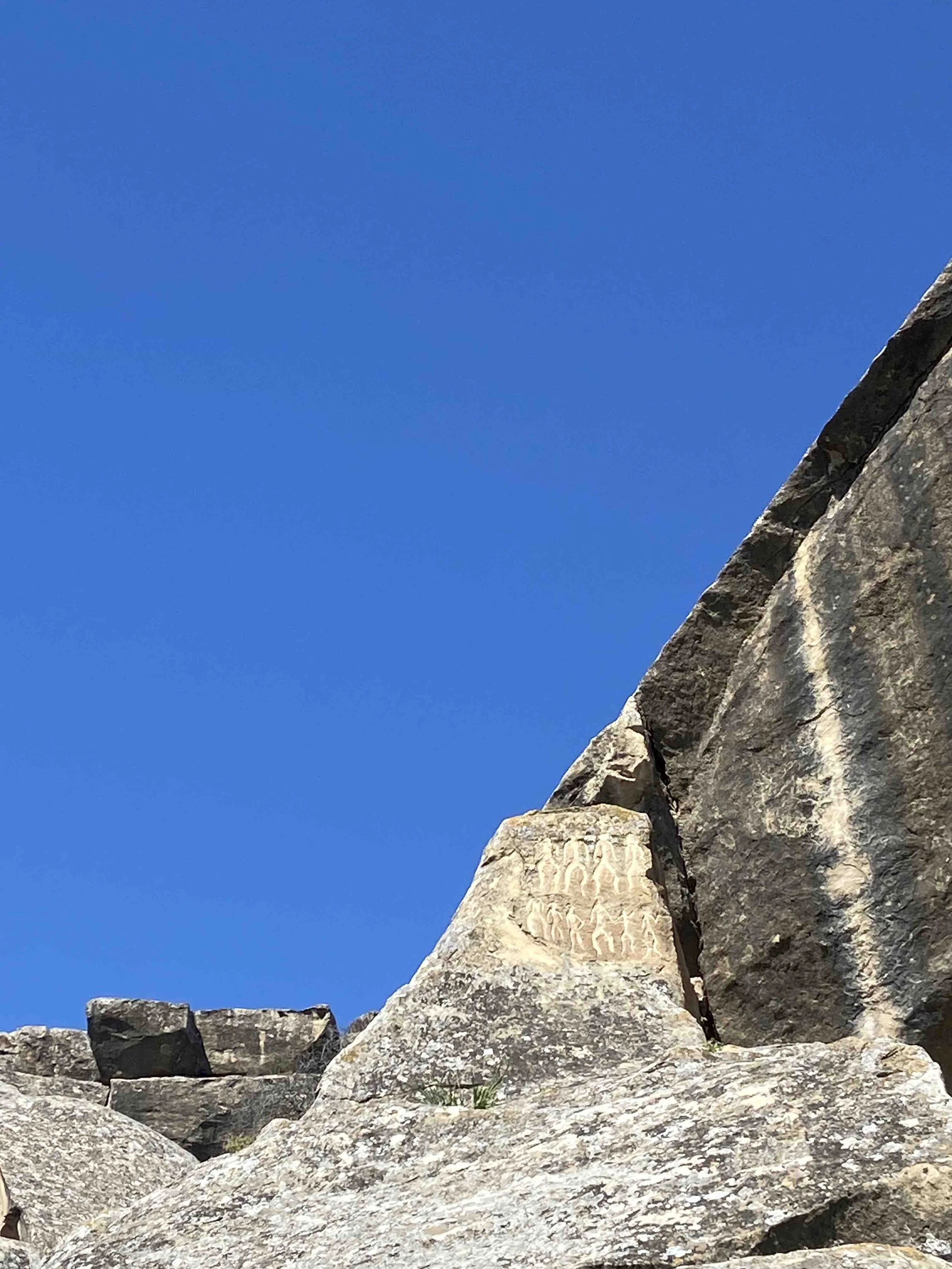
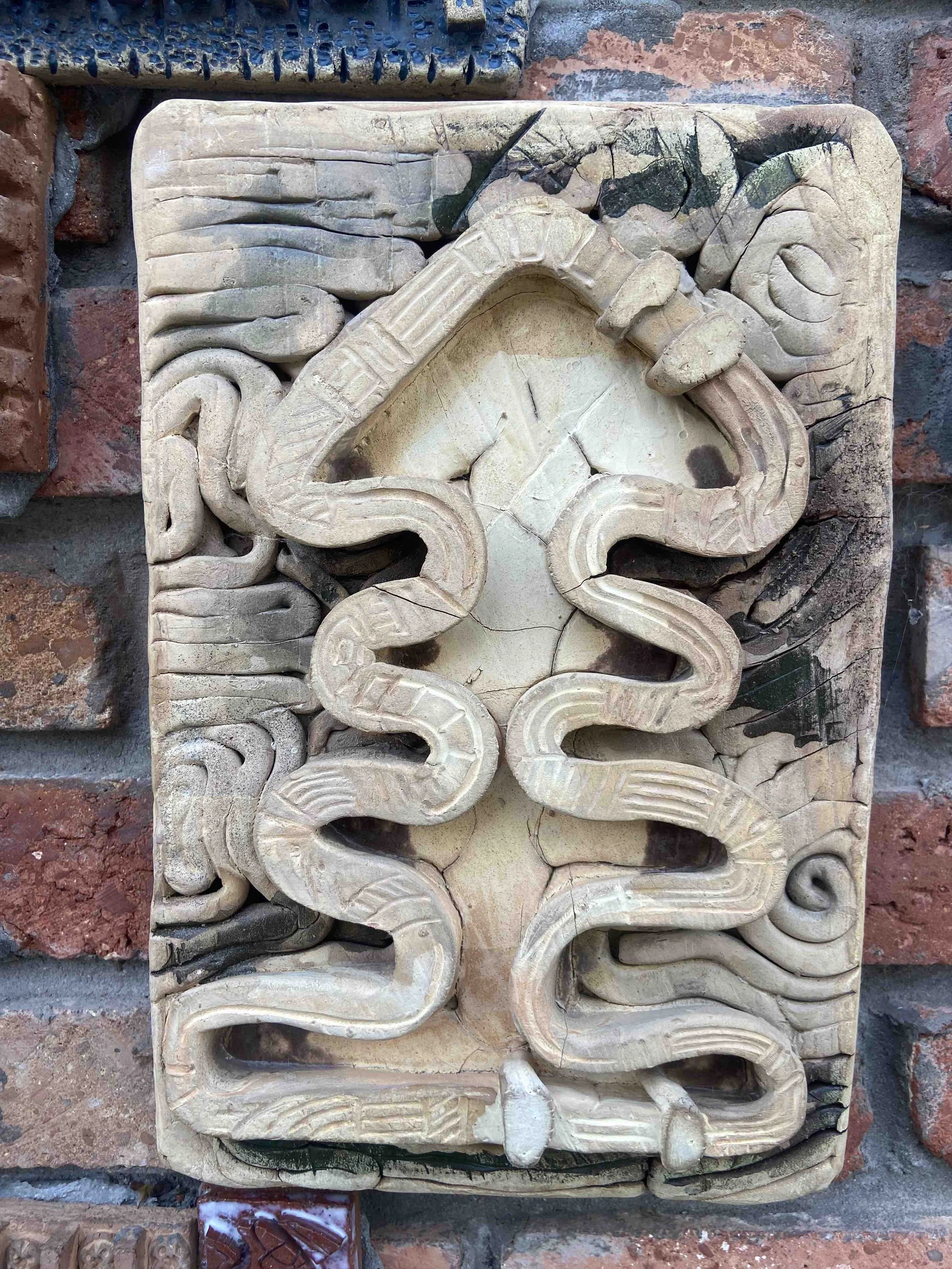
The archaeological ndings 400 miles from Baku, amidst the ruins of Gobustan, gave us the tangible link to human civilization's rst attempt at creating music and art. Inspired by the surrounding landscape—a striking tapestry of arid plains, rocky outcrops, and rolling hills— rock carvings of Gobustan provide a fascinating glimpse into the lives of its prehistoric human inhabitants. Relics like petroglyphs depict scenes of daily life, including hunting, dancing, and communal gatherings, as well as animals such as deer, goats, and wild bulls. The carvings also include symbolic and abstract motifs, reecting the spiritual and cultural beliefs of the ancient inhabitants.
The rugs of Azerbaijan almost seem like an extension of this traditional talent of its people who wanted to weave symbols. On rocks and textile, a common visual language emerges. Here, every motif is a microcosm of memories. inherited from the remnants of the past carved on the rocks of Gobustan. After all, archaeological ndings suggest that the practice of weaving dates as far back as the Bronze Age, with fragments of rugs discovered in burial sites, attesting to the early mastery and importance of this craft.
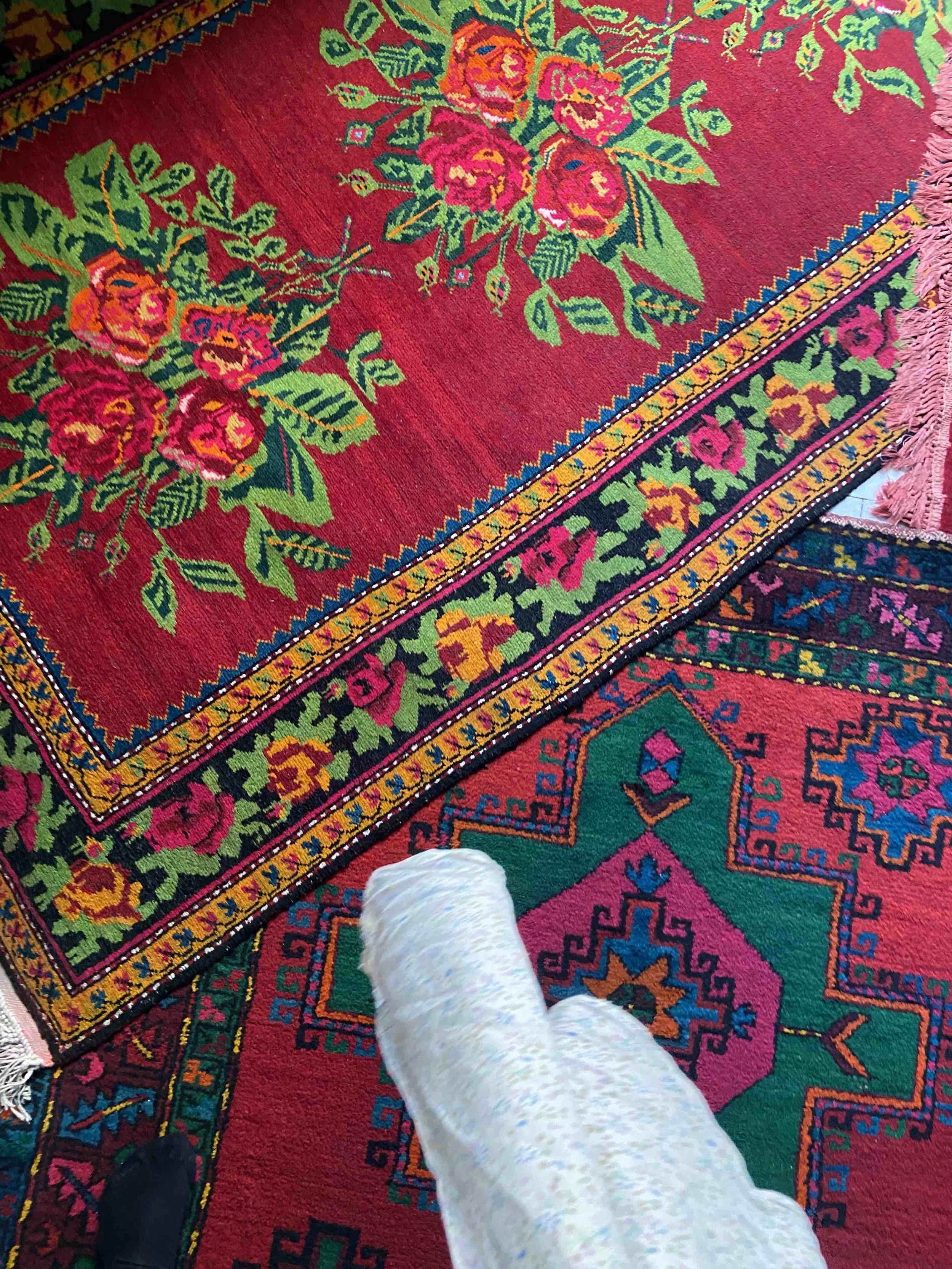
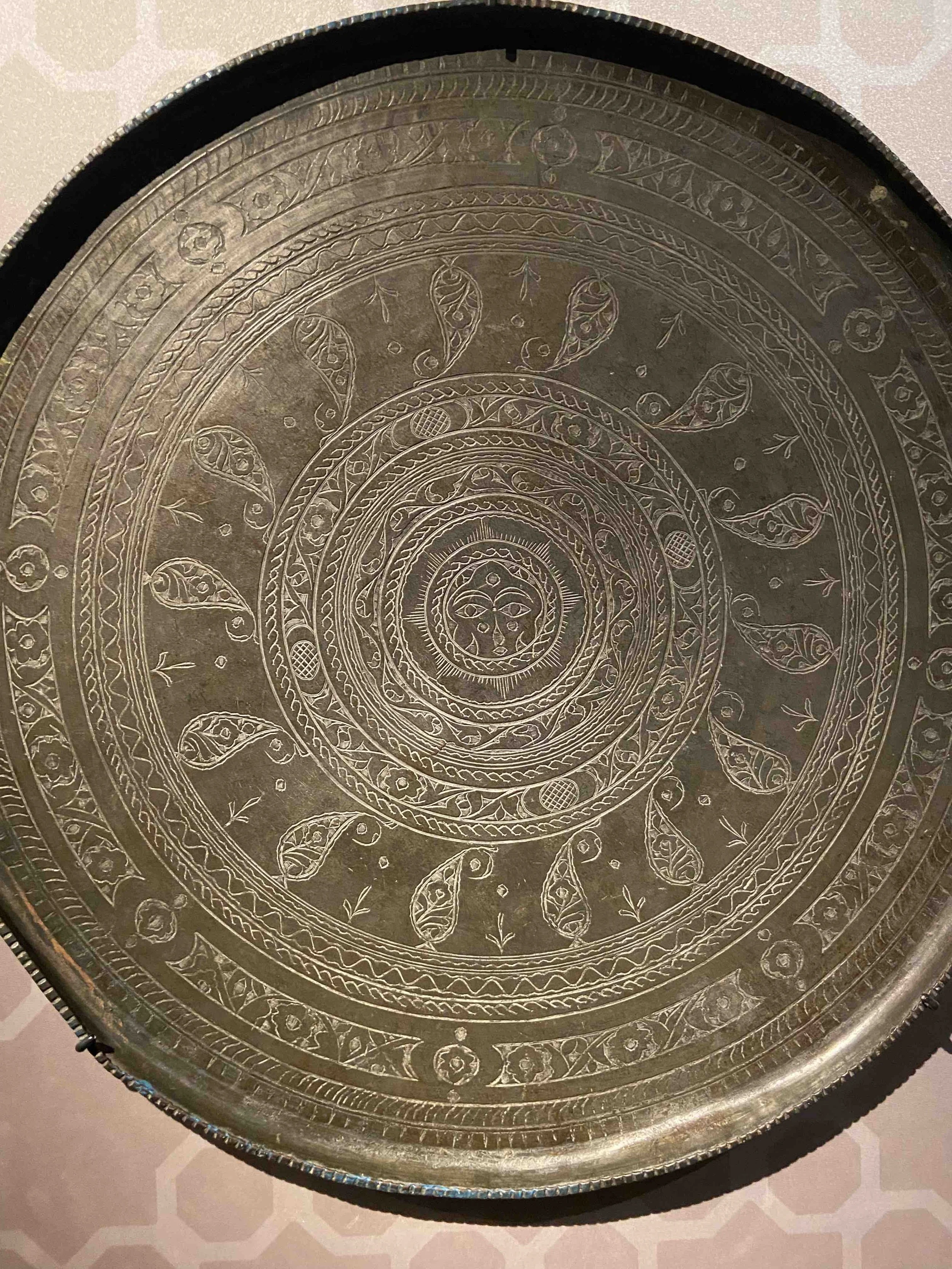
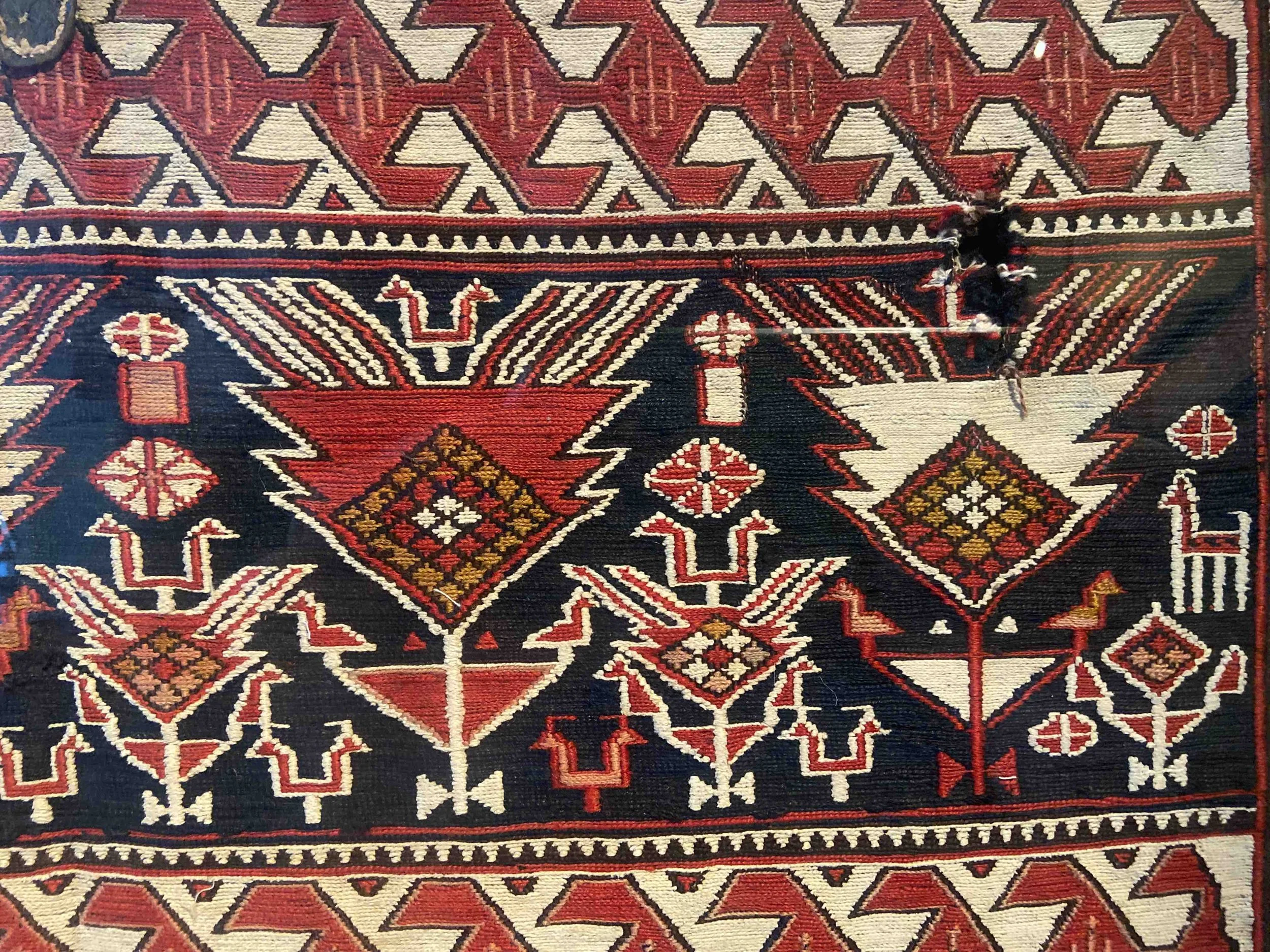
Azerbaijani rugs often feature motifs that represent fertility, protection, and the natural world. The famous Boteh, a paisley-like symbol, is thought to represent a leaf, a ame, or even a teardrop which evoked the cyclical nature of life and the eternal human spirit. The Azerbaijani rugs, particularly those from regions like Karabakh, Ganja, and Shirvan, became known for their vivid colors, intricate patterns, and symbolic motifs, each reecting the unique identity and folklore of the local communities.
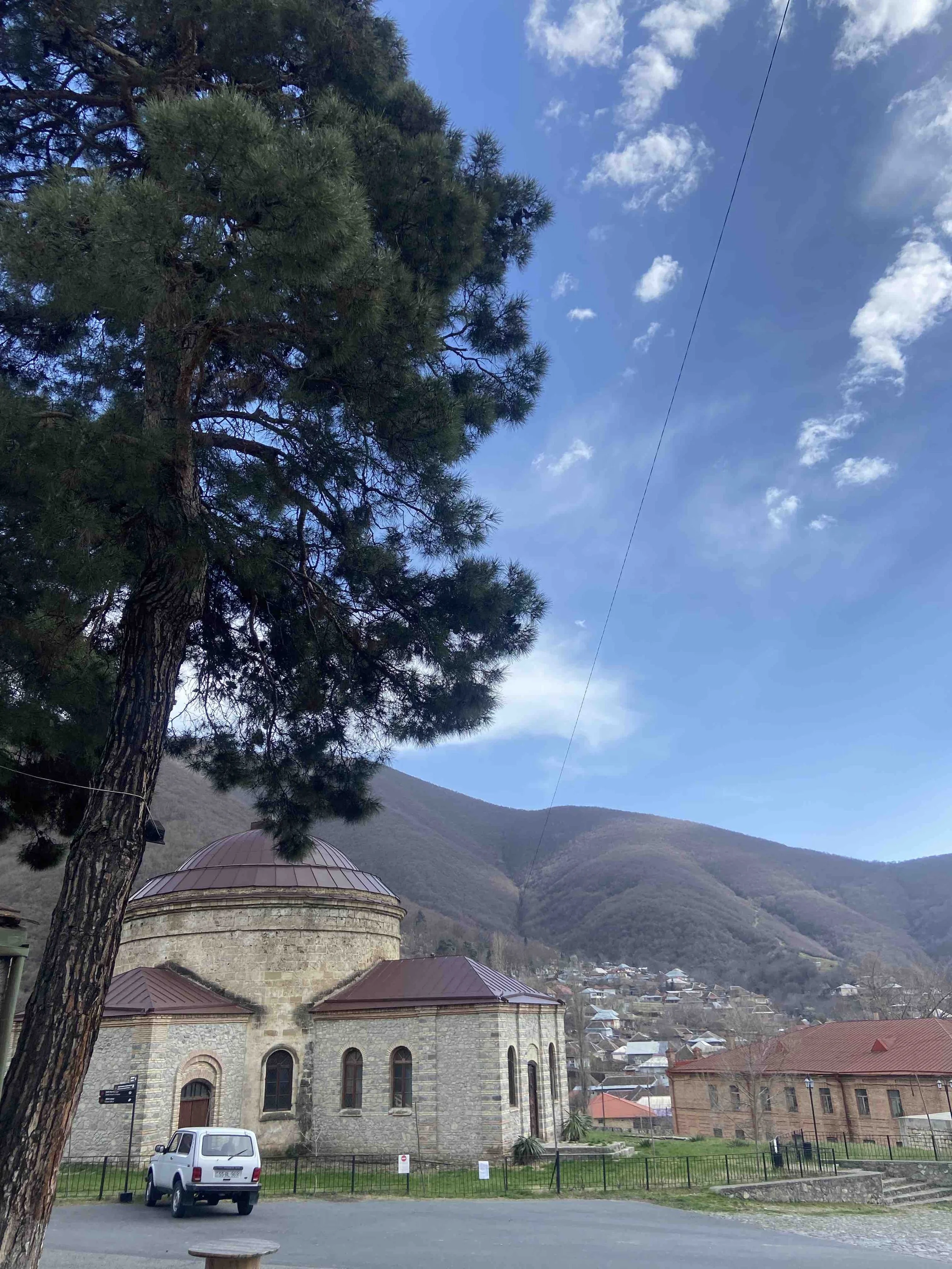
South of the Greater Caucasus, lies the city of Shekhi, once a signicant trading centre along the Silk Route, linking Dagestan,Russia to the trading routes of northern Caucasus. The city is a montage of a series of diverse socio-cultural inuences through its 2700 years history. From the modern Soviet rule during the twentieth century to the Byzantine and Persian inuences of antiquity and the era of Ottoman rule.
Decoding Symbol
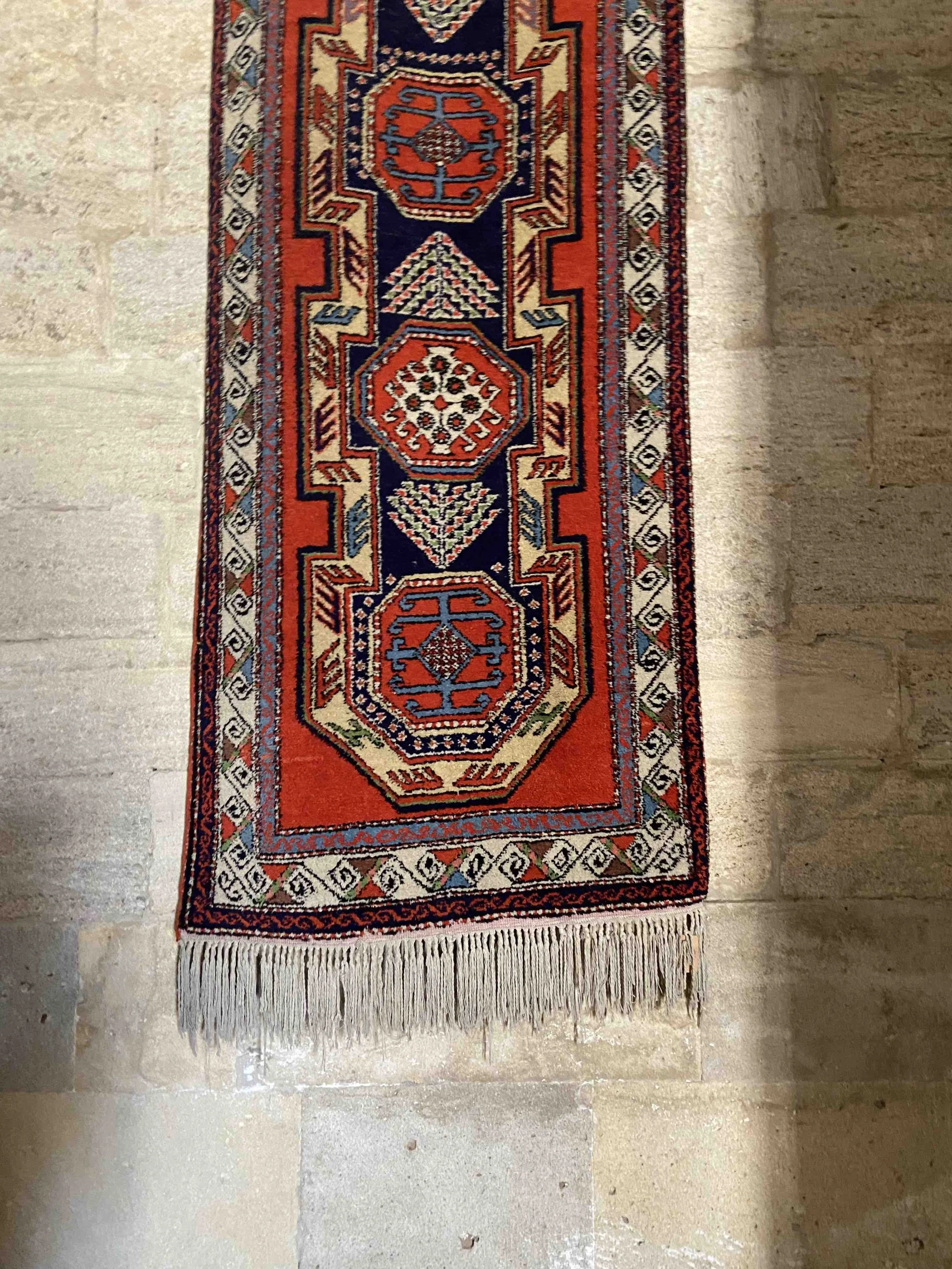
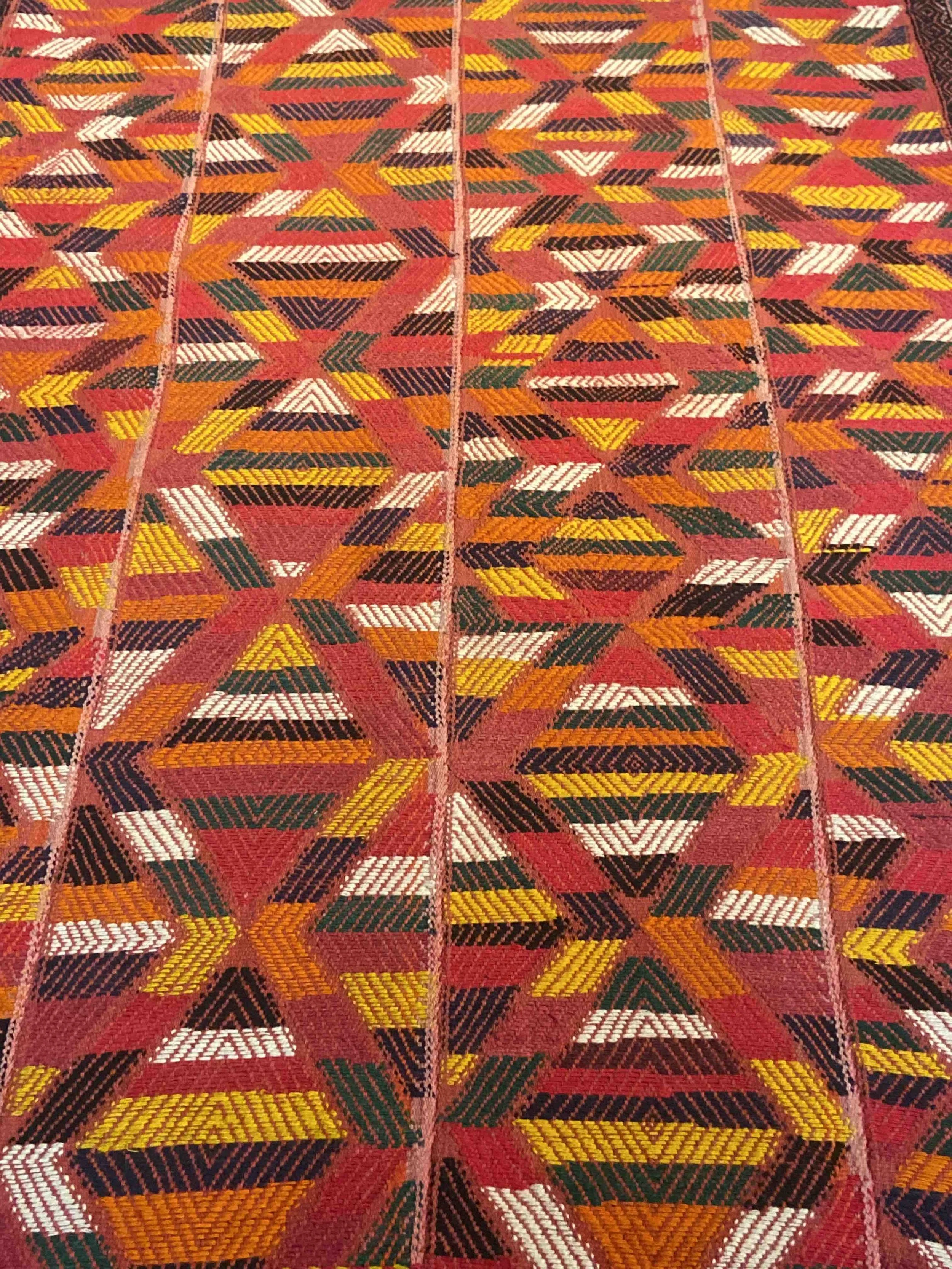
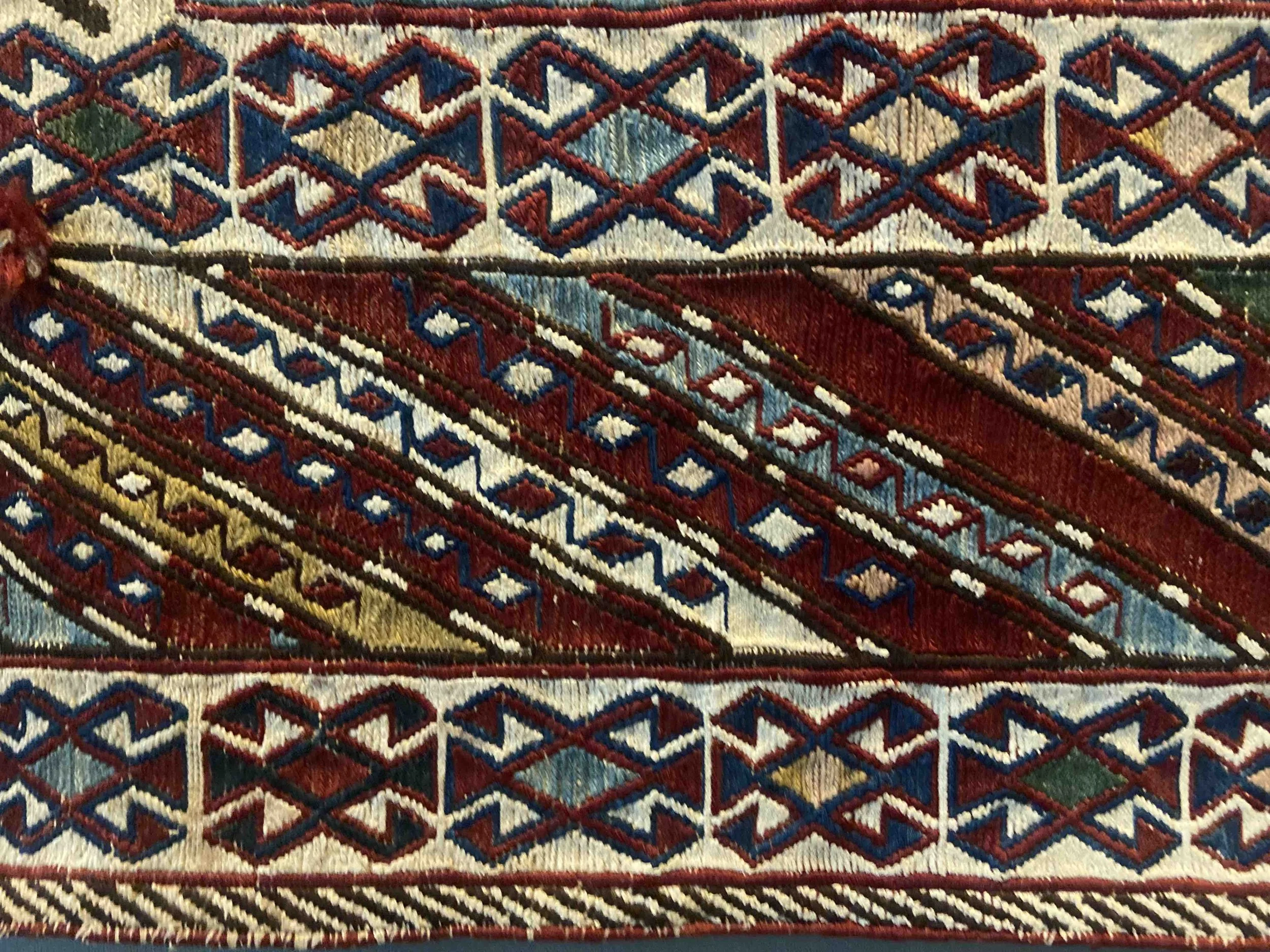
In Azerbaijan and Georgia, the art of rug making was signicantly inuenced by the diverse cultures that were exchanged between communities as traders traversed the Silk Road. This bustling trade routes brought not only goods but also artistic inspiration from Persia, Anatolia, and beyond. Typical geometric shapes such as diamonds, squares, lattices, crosses, and stripes are prevalent in antique Caucasian rugs. Geometric representations of animals are also frequently seen. For instance, a stylized shape of gazelle or camel is a common sight.
The boteh symbolizes the potential for growth and regeneration, inspiring Caucasian tribespeople with its message of abundance even in harsh conditions. Often, it encloses a mature plant, representing the idea that the whole exists within the part. Few important symbols in antique Caucasian rugs and their rich cultural and spiritual signicance include: the Rosette, symbolizing the elevated potential of cultivated beauty. The “S" motif, the Star of Wisdom or the eight-pointed star symbolizes, historically associated with King Solomon's quest for enlightenment and the Wheel of Life or the Tree of Life which is also prevalent in numerous other cultural iconographies. Finally, the crenelated fence motif which is usually found in the innermost and outermost borders of antique Caucasian rugs.
Mistakenly categorized as Oriental due to Turkish merchants, Caucasian rugs stand out for their vibrant colors, symbols, and ne wool. But what is most striking about these rugs is the hidden messages that were
carried by the design elements weaving within the carpet-canvas. Elements of re, earth, water and wind were included, along with iconography connected to planetary bodies, anked by wide borders running along the four corners, that looked like bands of distinct shapes and patterns guarding the balanced dance of meanings held within.
The history of rugs in Azerbaijan and Georgia is a testament to the enduring power of art and tradition. Each rug, with its unique patterns and colors, serves as a tangible link to a history that can be touched, admired, and cherished. As these ancient crafts continue to thrive in the modern world, they remind us of the rich cultural heritage that binds us all, weaving together the stories of our shared humanity and of the universal human trait to express creatively.