
Palekh to Gzhel via Suzdal, a journey through Russian arts

Remembering Russian Roots
The slower, deeper sensory engagements in the folk arts and native cultures, reveal how visual and material connections help make sense of the world around us. In the Russian countryside, amidst birch, pine and oak trees, lilac flowers swinging in the breeze, and tranquil rivers - one is reintroduced to nature’s abundance and rawness that are otherwise suppressed and undervalued in urban chaos. Russia, having lived through several political eras has inherited a rich and layered aesthetic vocabulary. Here, while moving in and out of cities and villages, one realises that the practice of the arts is closely integrated into the everyday lives of the inhabitants, spread across micro and macro scales and cannot be viewed in isolation.
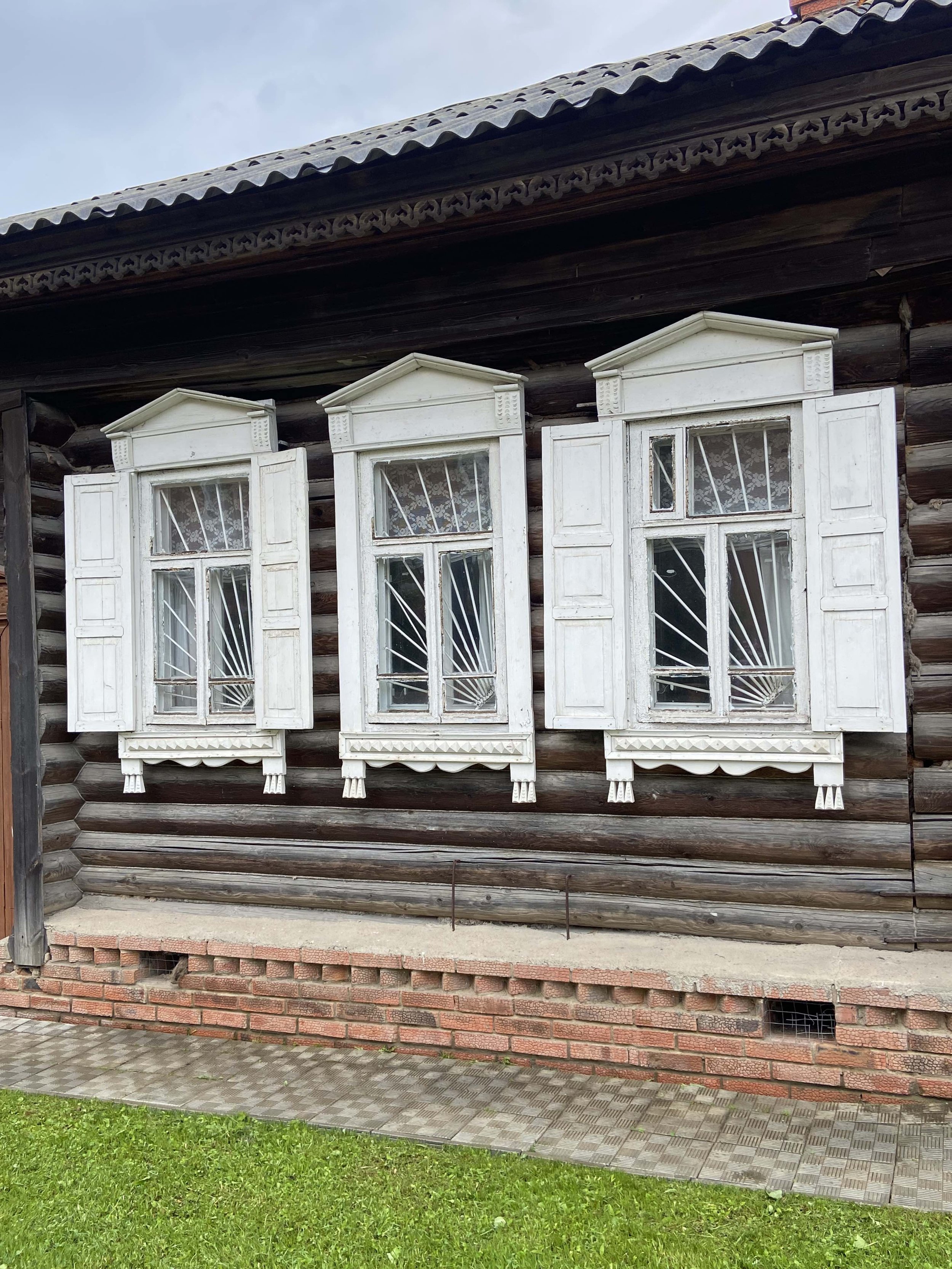
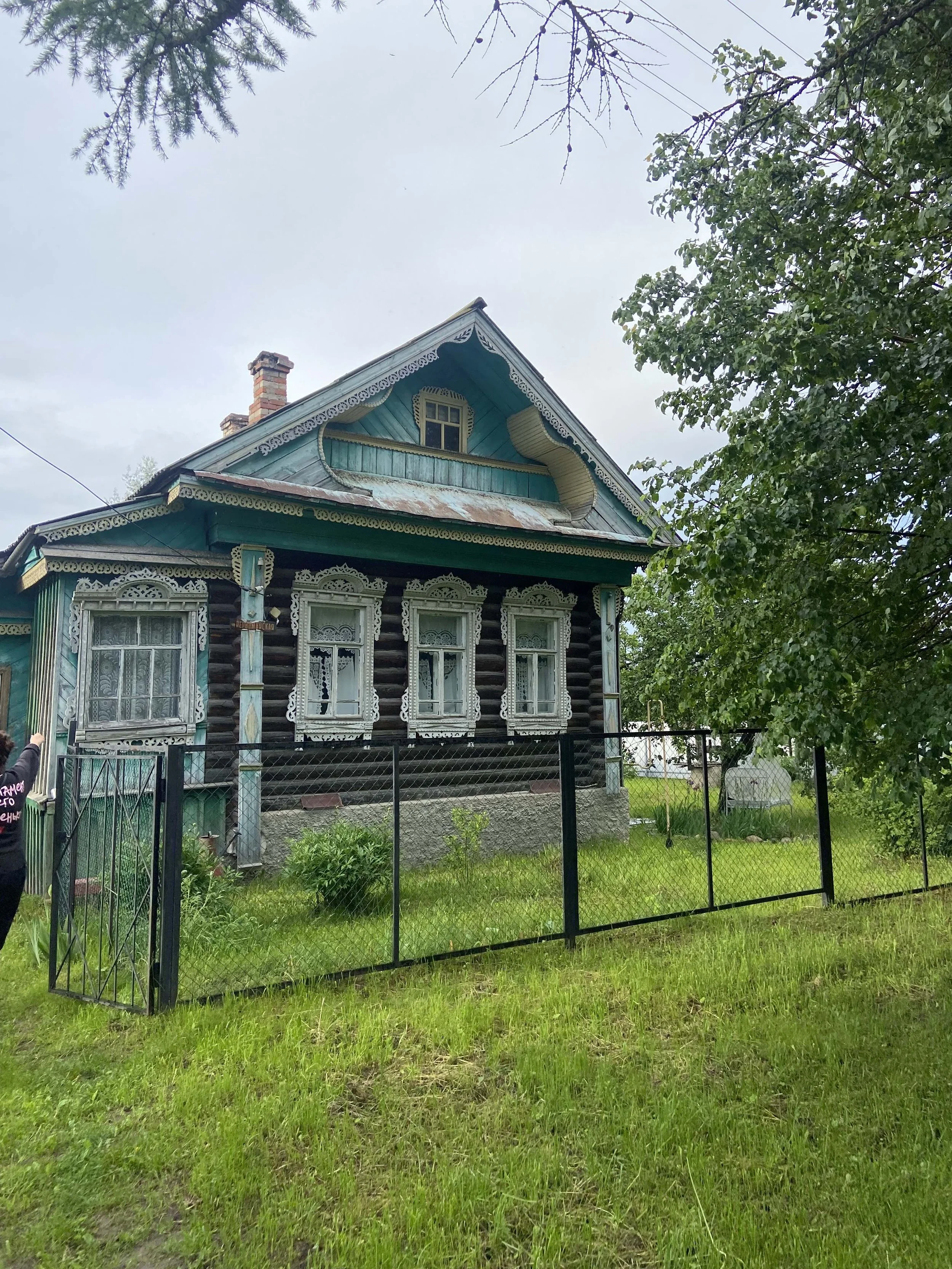
Driving along the fields in Russia, some of the key visual elements of this artistic and aesthetic vocabulary are introduced in the form of colourful Izbahs. A precursor to the diversity seen across the country, these wooden houses perfectly blend into the landscapes of Palekh, Gzhel and Suzdal. These wooden houses are noticeable by their extravagant window designs and are equipped with steaming devices that are also used for cooking and heating (especially during chilling winters) and are characteristic of Russian folk life. With a chimney and a single large family room for the entire family to sleep together, Izbahs embody the familiarity and comfort felt in ancestral homes.
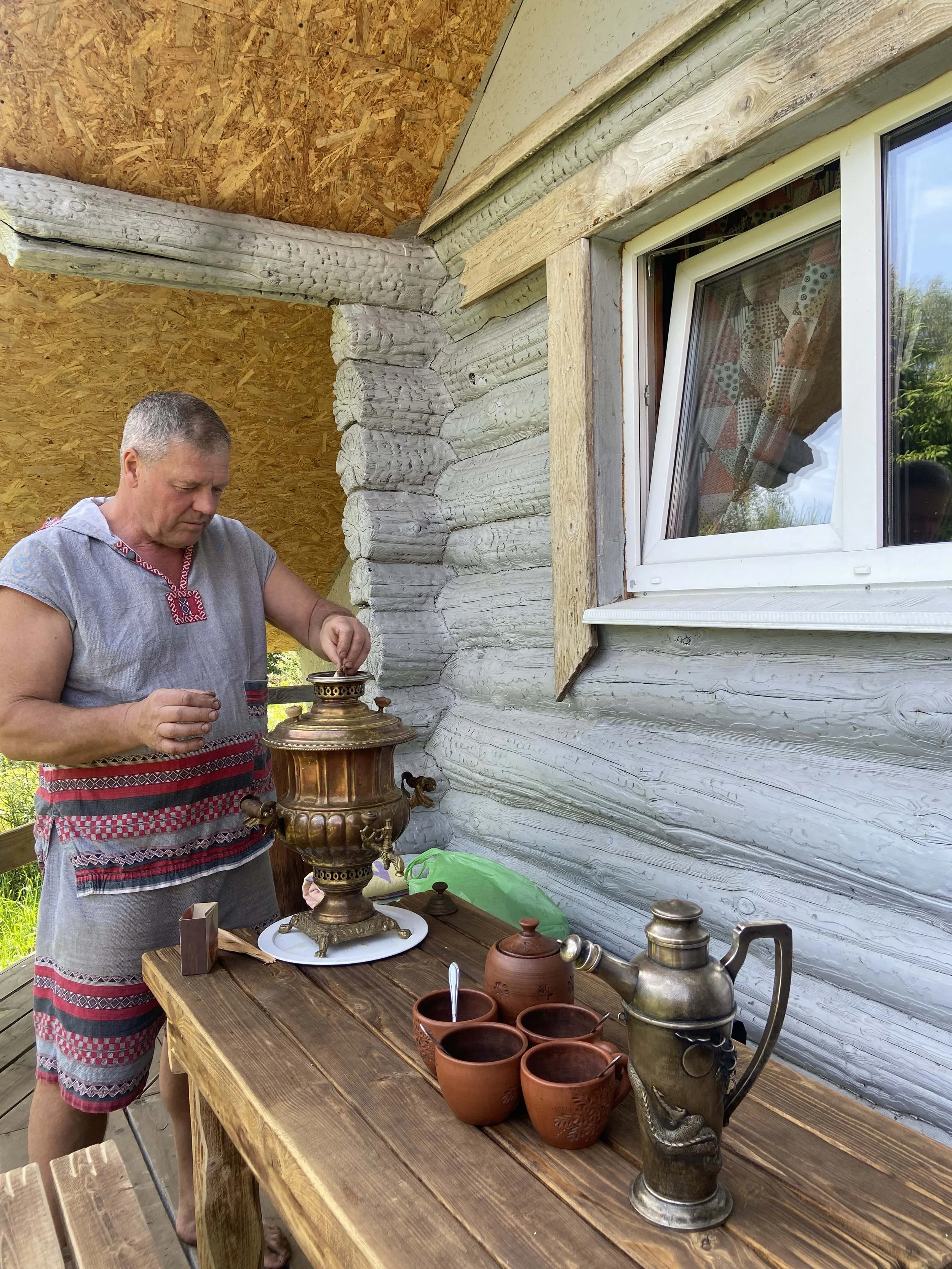
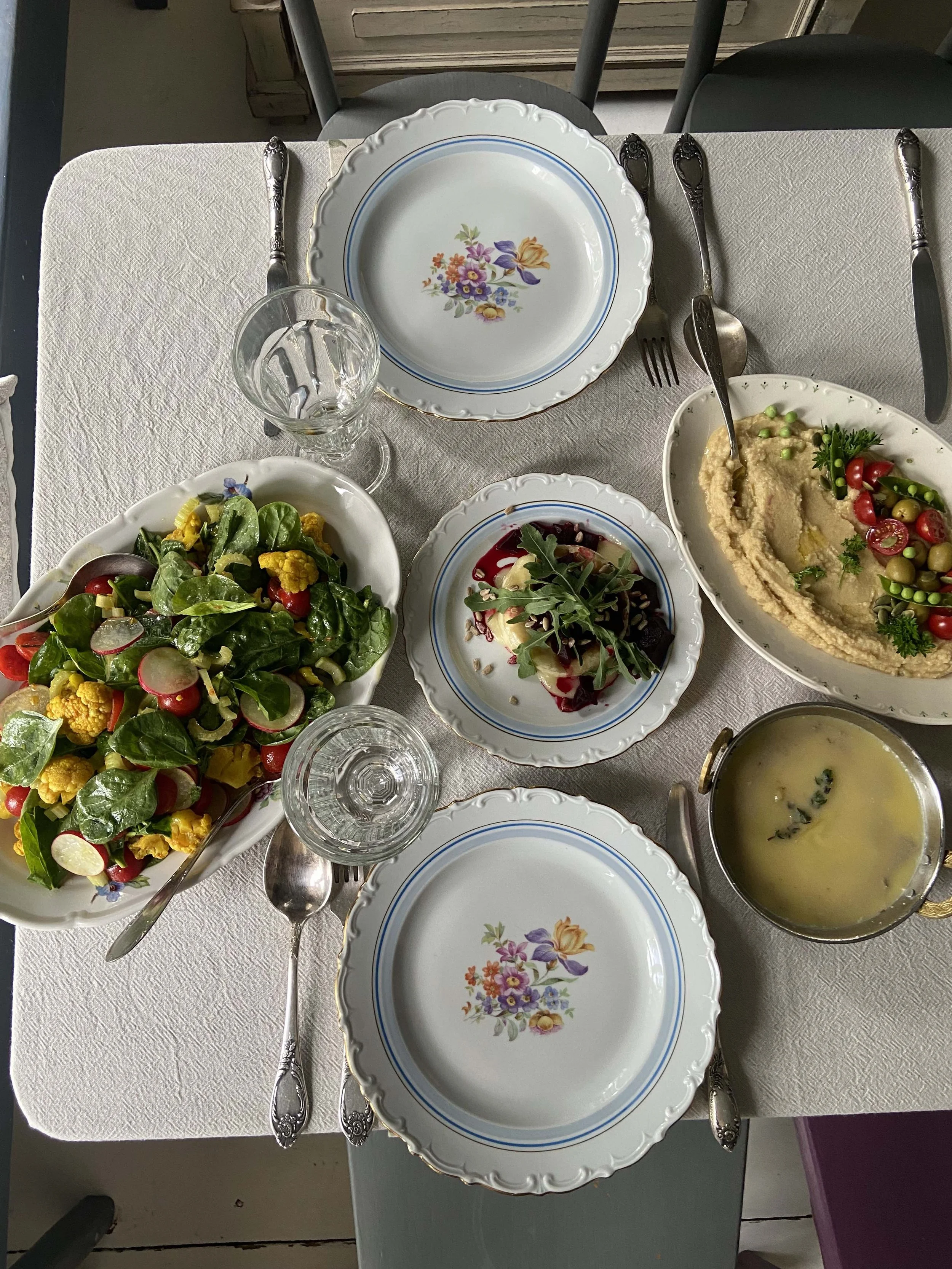
Izbahs are just one of the many instances of the thoughtful interconnectedness fostered between objects, rituals and institutions in Russian culture. Through these rooted synergies, one can learn about the perceptions and ideals about beauty and joy that prevailed in the past and their evolving meanings in the present. Also, Russia’s trade histories and cultural congruity with Central Asia, the Middle East and India are evident in its elaborate tea rituals that feature silver samovars, which heavily borrow from Ottoman aesthetics. Brick ovens for baking bread, and local pots, pans and ladles – flamboyant yet resourceful equipment and homewares, lend Russian kitchens and cuisines their distinctiveness. This material and utilitarian consciousness can only be fostered through deep rigour, practice and preservation perfected over time.
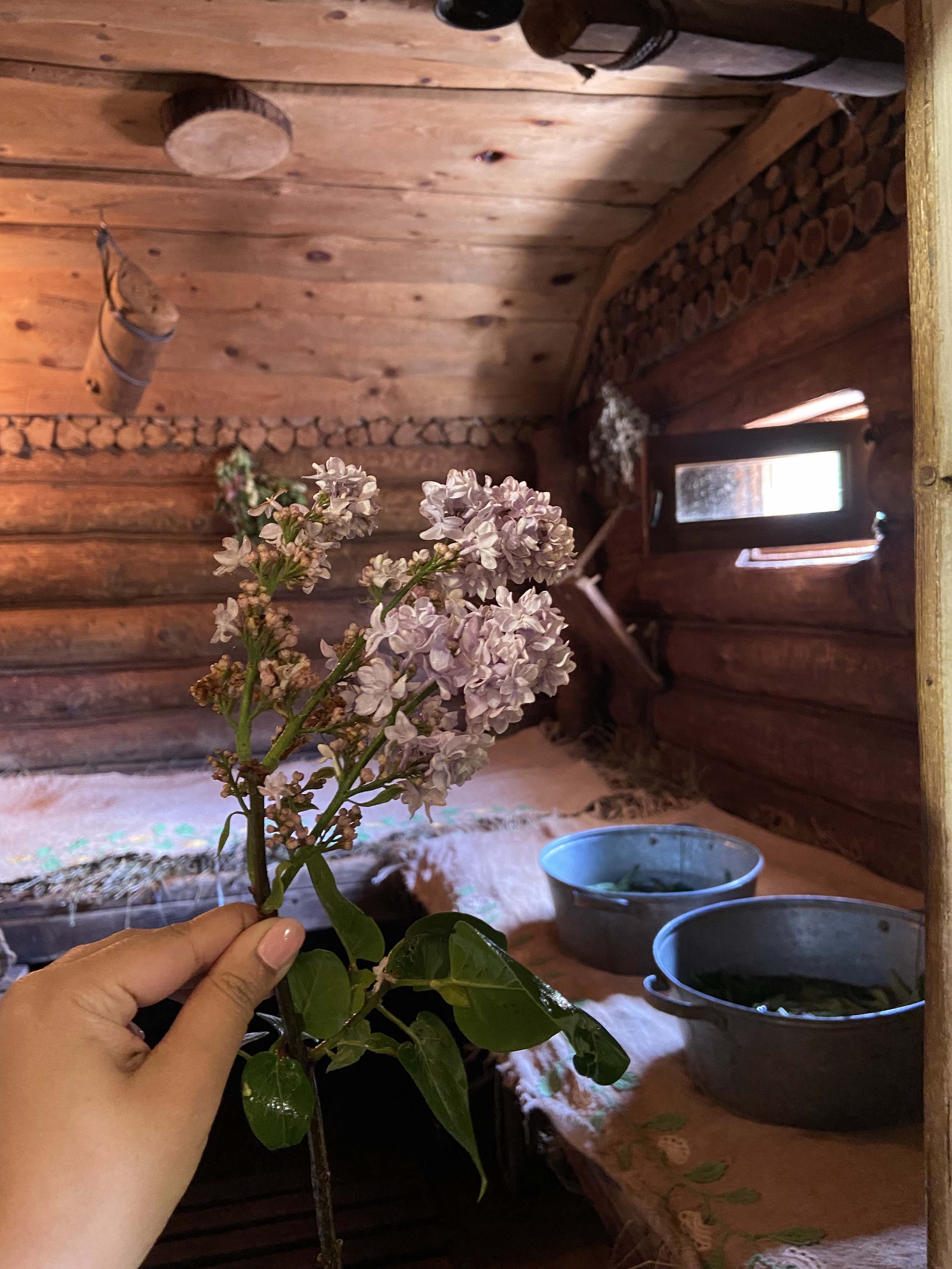
A notable feature of village life in Suzdal is the ritual of banya, a traditional private sauna experience arranged in a wooden room that traces its origin to around 440 B.C. Numerous references to banyas in Russian folklore, across songs, paintings, proverbs and poems emphasize how they have been used to connect and heal together. The steam, accompanied by birch and oak leaves, and flowers helps foster an acute healing effect. Public banyas can still be found in cities and private banyas are seen in Russian dachas (holiday homes).
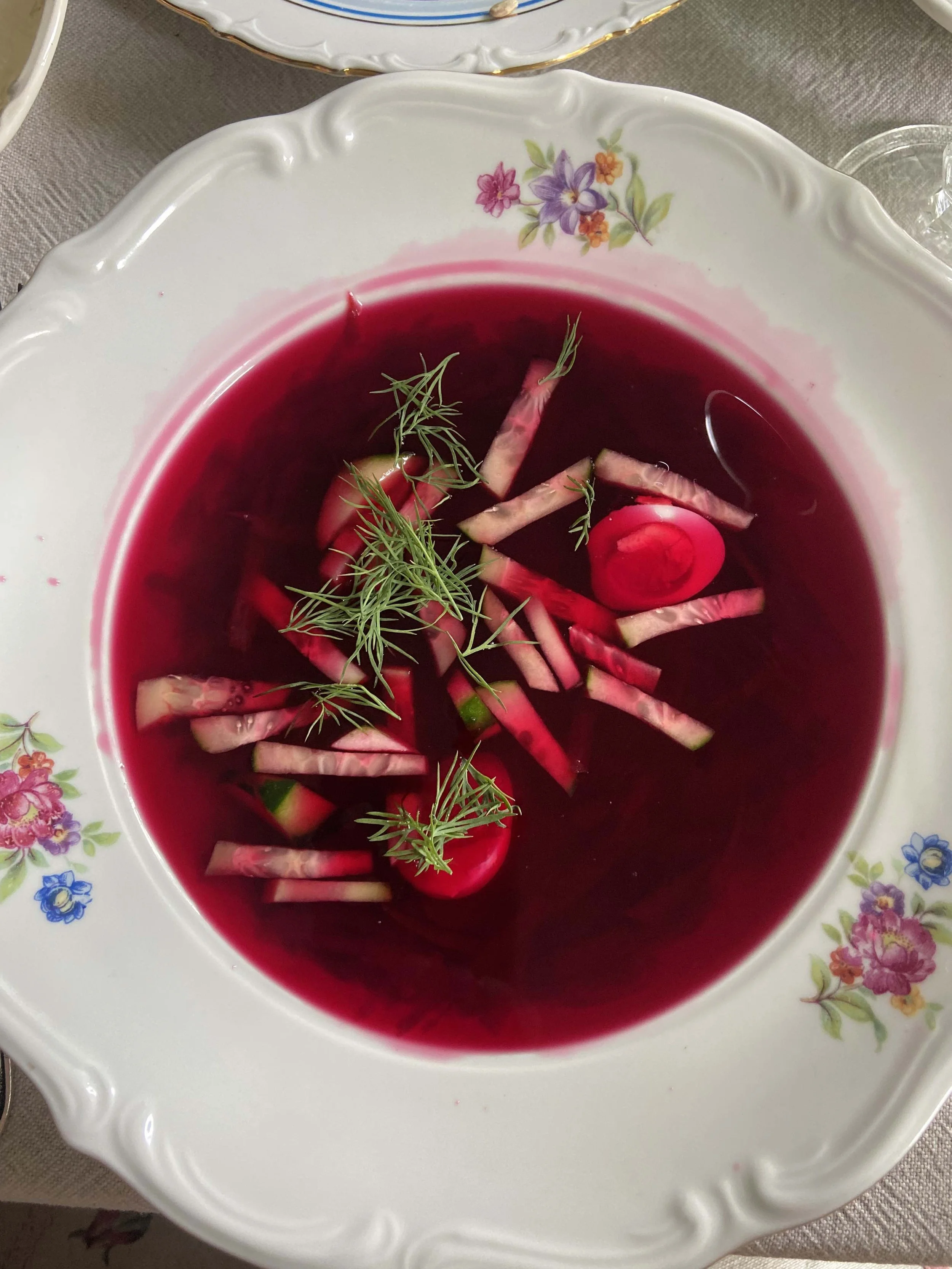
Along with architecture, food cultures too, are also central to community-building and sustenance. Evoking the homely care of grandmothers in native homes, the hot borcha beetroot soup perfectly complements the banya bathing ritual and is one of the key gustatory delights here.
Among other breakfast dishes are Blini pancakes, chicken cutlets and potatoes, vareniki potato dumplings, Cerniki cutlets and Russian pea salad. Cherry vodka and fermented beverages like the kvass and medovukha, (a light alcoholic drink like mead, made from ginger and honey) and cold summer soup are all distinct features of the regional palate. Piroshkis (pastries with savoury or sweet fillings), sized appropriately to be eaten with hands, and buckwheat or grechnevaya kasha (cereal porridge) for their relative ease of preparation, are both commonly consumed in Russian households.

Religious and Fine Arts
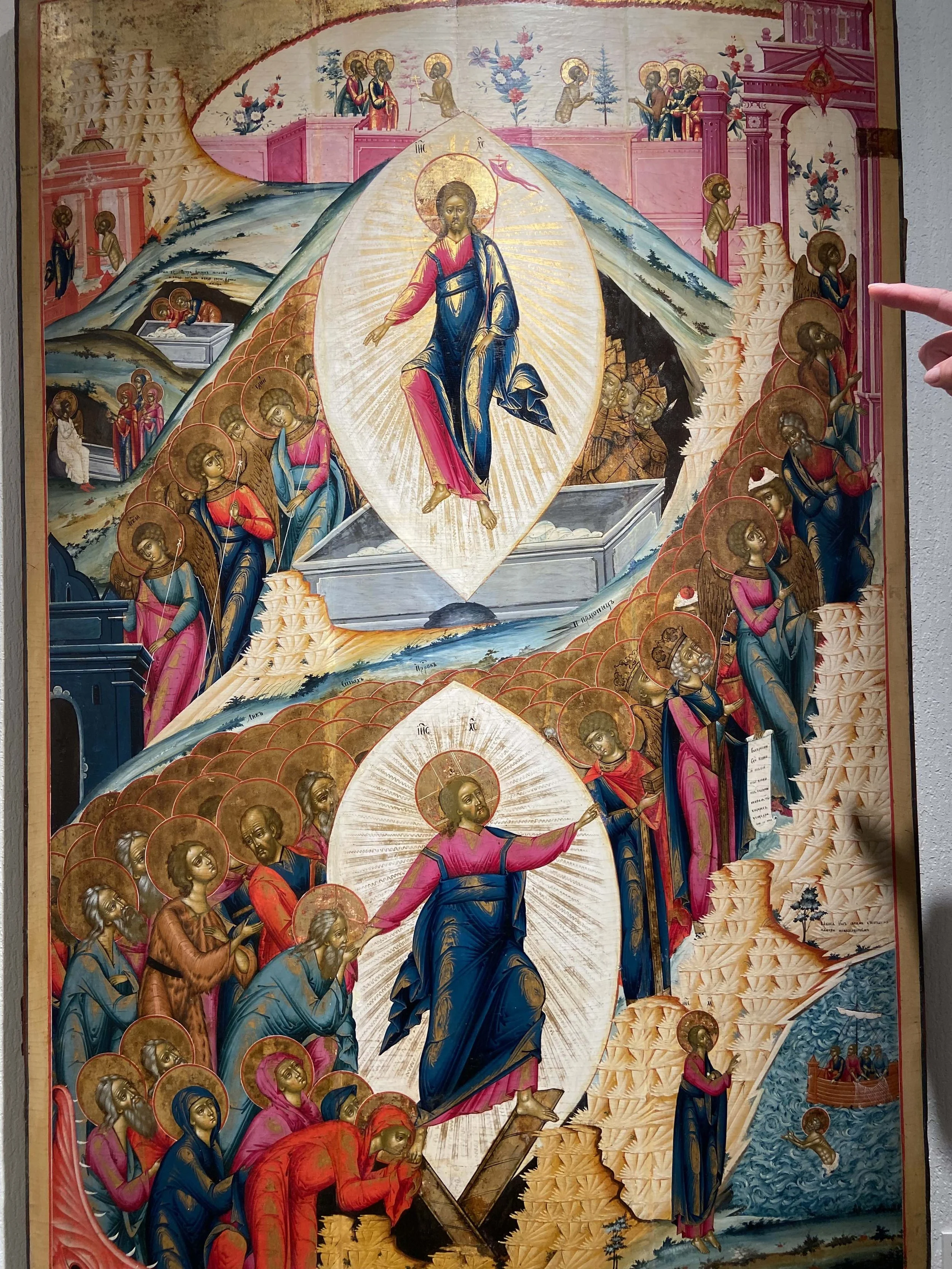
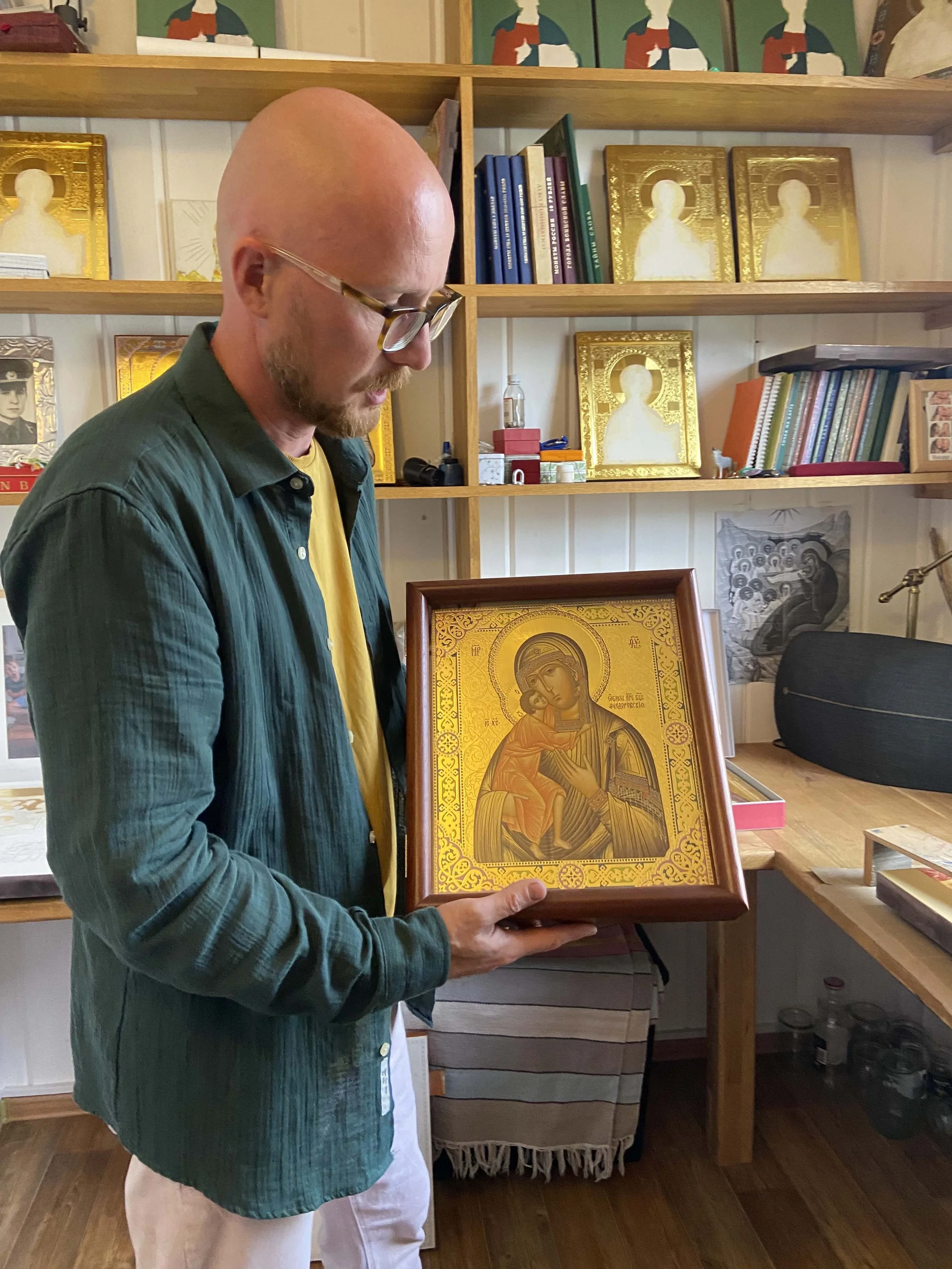
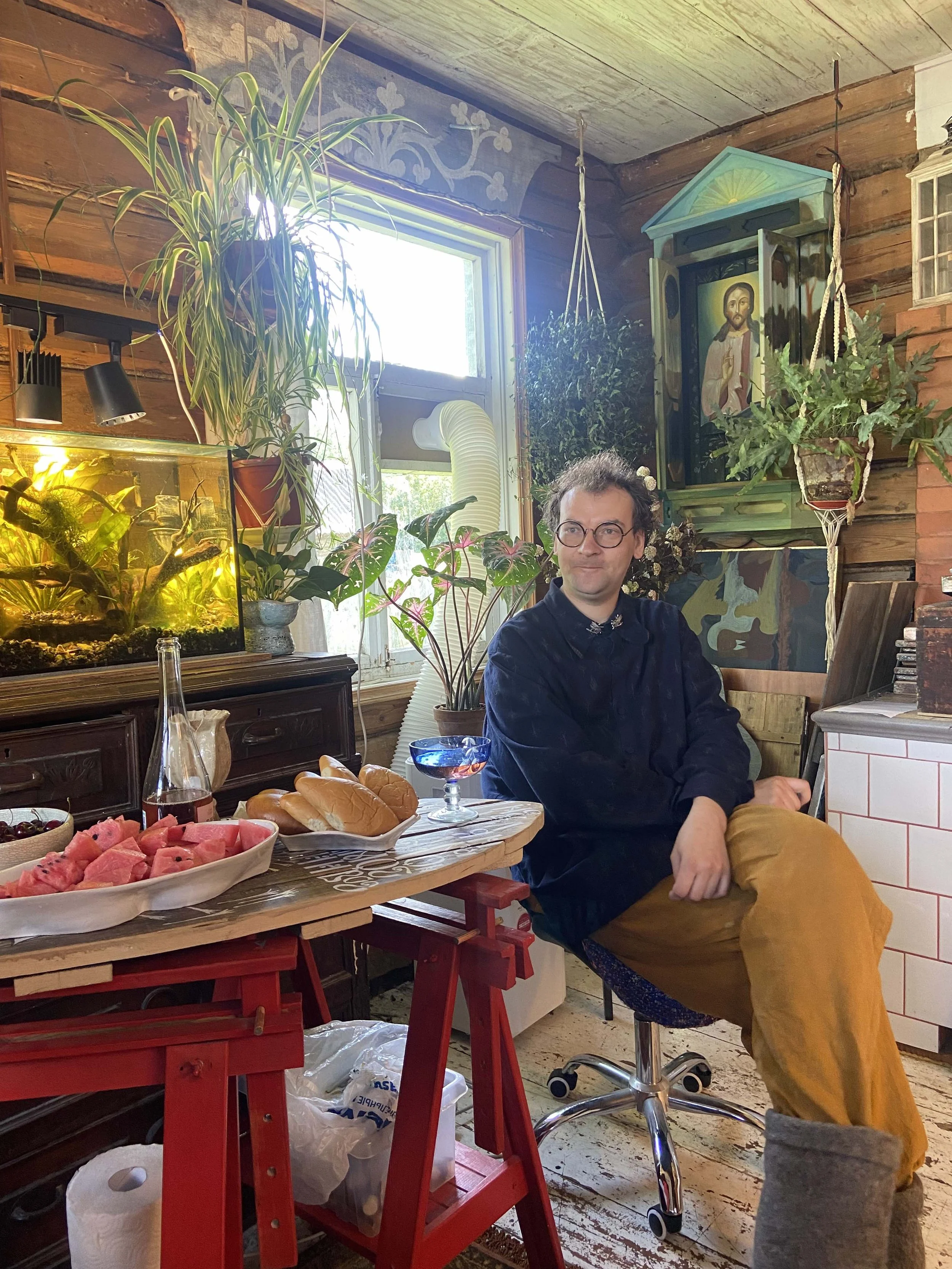
The icons, murals and frescoes in Russian churches are representative of how religious art practices enhance the sensorial experience during worship. Typically made as paintings on wood, Russian icons are usually small, though larger in churches and monasteries. Seen hanging in some religious homes too, their makers didn’t seek individual fame through them but rather considered themselves as God’s servants. Icon painting witnessed a decline in the 19th and early 20th centuries due to the arrival of machine lithography on paper and tin, which assured better production ease and quantity.
Today Palekh sees contemporary artists with their distinct ethos, keeping alive these age-old practices like Mikhail Myshkov, an icon painter and founder of the Veruju Project, a collective restoring orthodox church frescoes, Sasha and Natasha Kurkin, travelling artists inspired by traditional fairytales and combining it with palekh miniature styles and Yar Pikulev, a surrealist who makes vivid illustrations using traditional Palekh painting style.
The Eastern Orthodox mural paintings on the interior walls of the Assumption Cathedral in Vladimir are a rare, fine example of Russian mural art. Also, expansive cathedral frescoes dating back to the 16th-century, with their immaculate compositions and Biblical themes were painted to narrate earthly and celestial themes like the Day of Judgement and the concepts of hell and heaven to visitors.
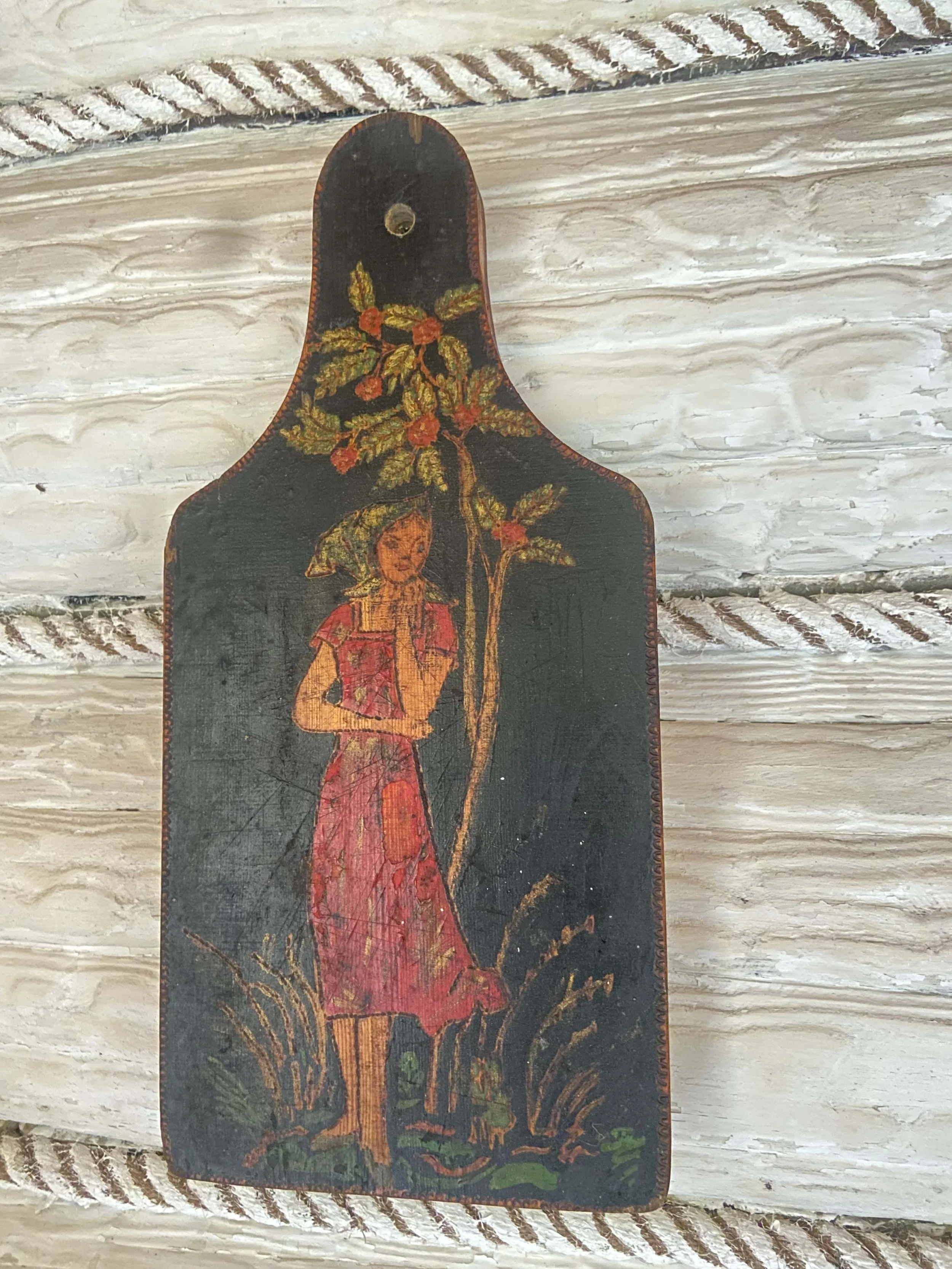
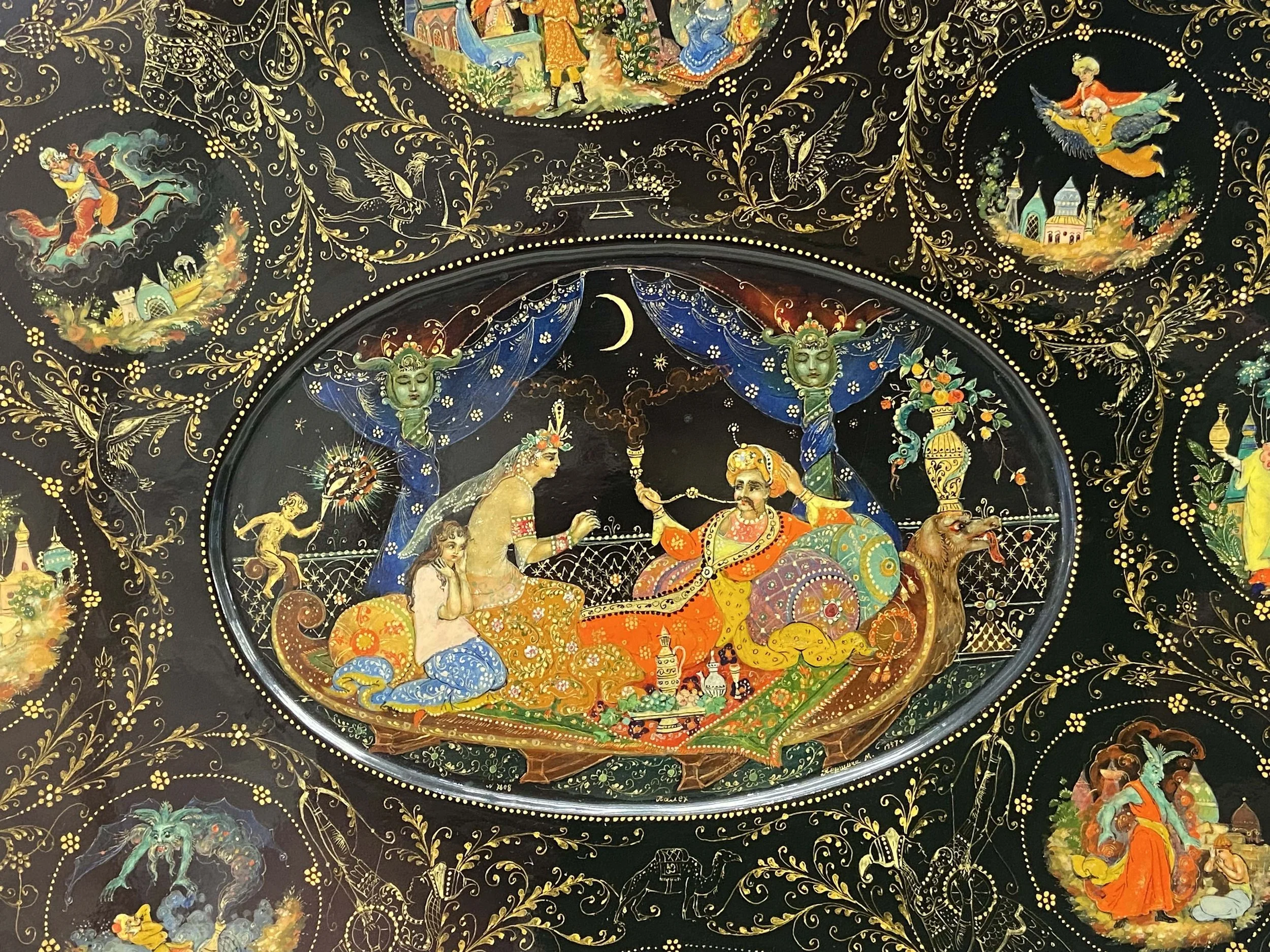
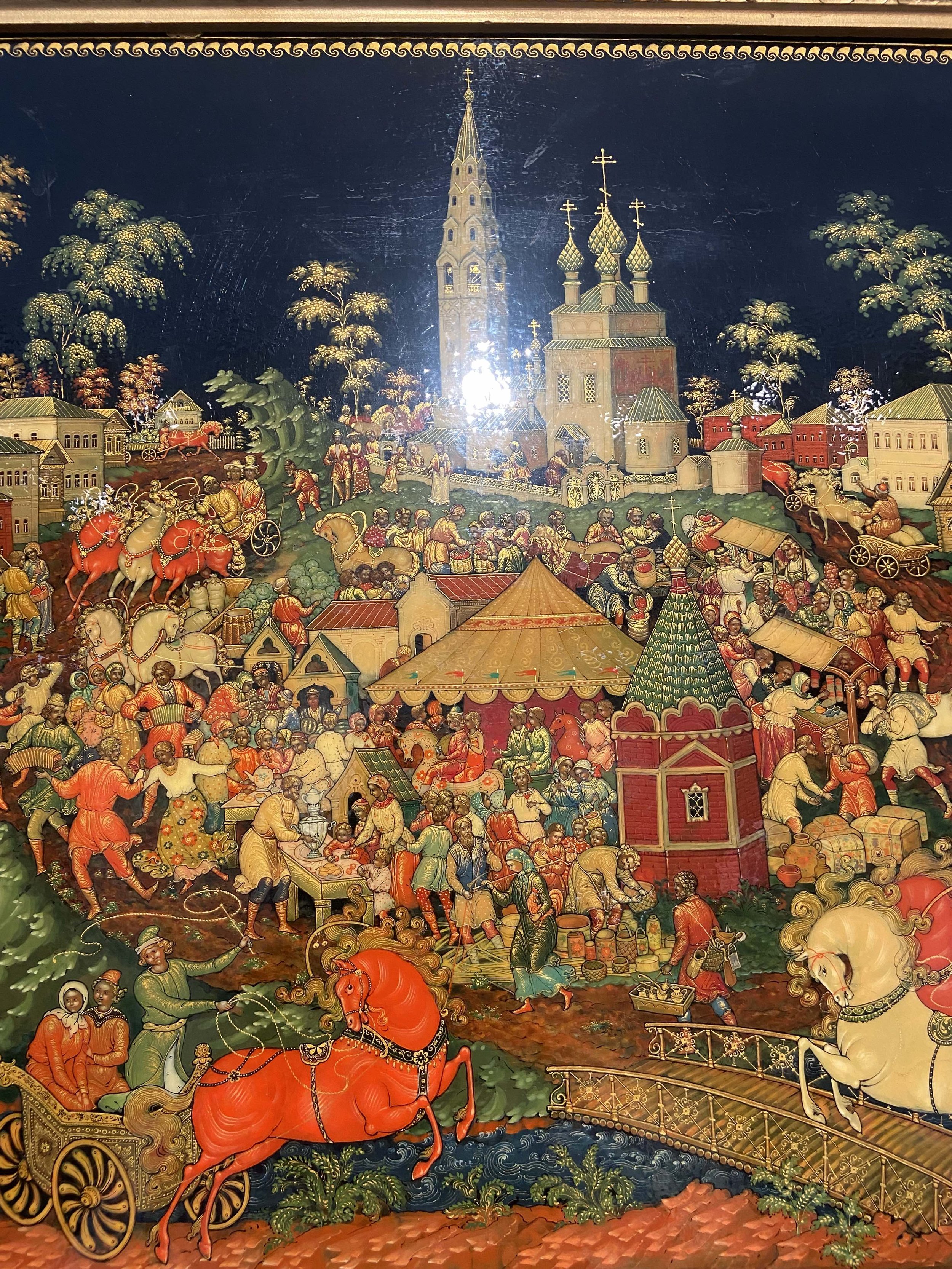
In Palekh, an urban centre known for Russian mural painting and iconography from the 19th century and miniatures produced in the form of papier- mâché boxes, Palekh miniatures can be found across elaborate church interiors, artist studios, mansions, the Palekh Art School and the State Museum of Palekh Art. Borrowing aesthetic influences from Germany, Japan and Russian fairytales, this style is chiefly defined by the usage of golden borders on saints’ clothes, miniature figures with elongated bodies, patterns of flora and fauna, and border scenes – subtly emphasising the ‘light’ within us. Later, Palekh lacquer boxes began to be made, making the Palekh school adaptable over time. Having prospered during the royal era, it later faced decline due to the impact of the Russian Revolution and has recently been restored. Olga Kolygina, a Russian lacquer artist’s works, acquired in private collections in Europe, reveal the demand elicited by original Palekh artworks across borders.
Royal Patronage
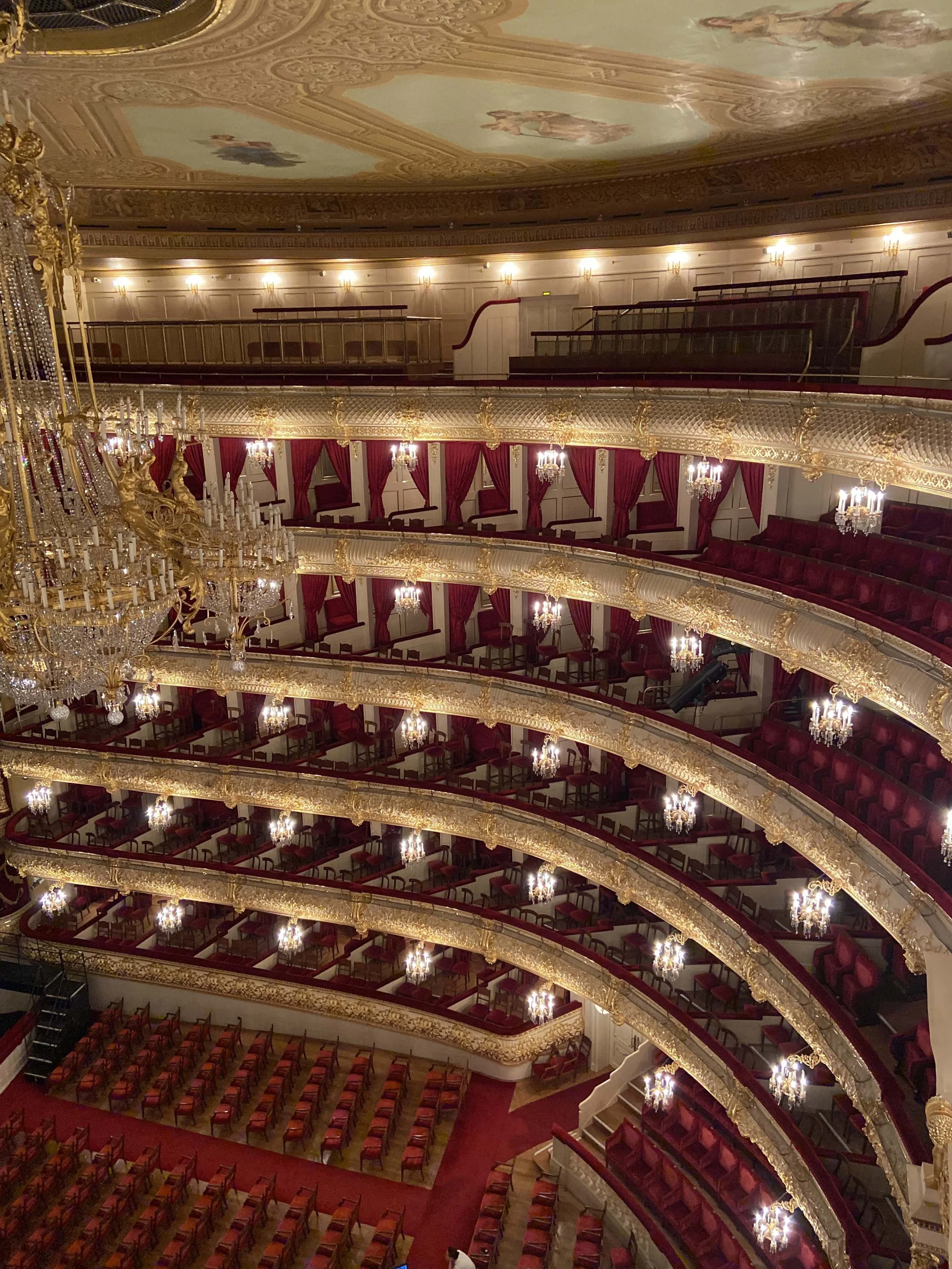
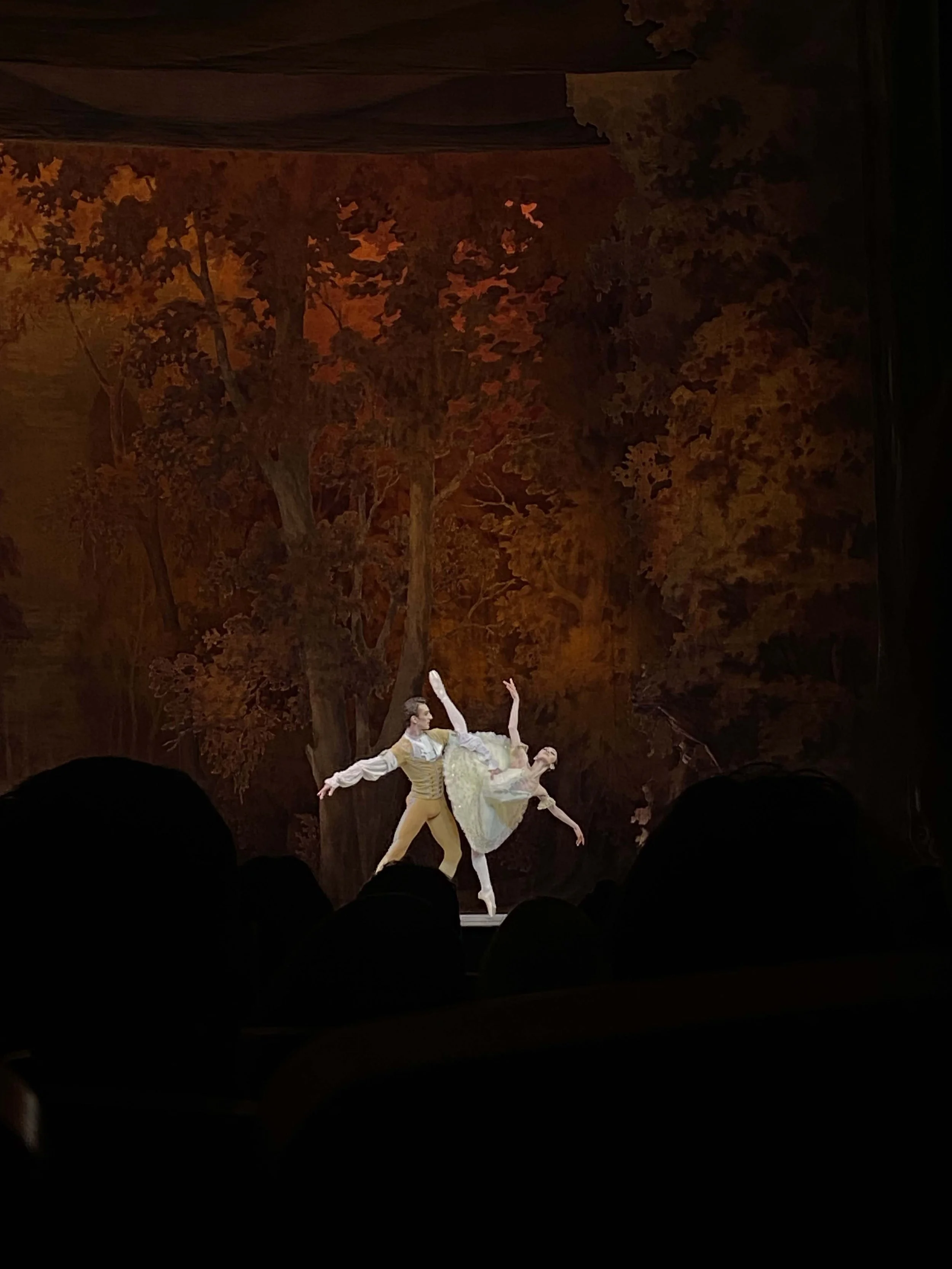
The Pushkin Museum in Moscow, with its extensive collection of paintings, sculptures, drawings, applied works, photographs, and other objects, along with the Ludwig Museum at the Russian Museum in St. Petersburg further underscore the importance of patronage, custodianship and care for the arts. Also, generously seen across St. Petersburg, once the centre of the Russian Empire - the Russian Decorative Arts or the Royal Arts, are believed to have drawn influences from the Western European artistic traditions, particularly the French baroque palaces and impressionist paintings. In 2004, Victor Vekselberg, a prominent art collector and an active patron of arts bought nine Easter Eggs (one of which was the very first Fabergé Egg, commissioned in 1885 by Tsar Alexander III for his wife) from the Malcolm Forbes collection in a private sale and later opened the Fabergé Museum by acquiring the 18th-century Shuvalov palace of the Forbes family. These eggs were commissioned by Karl Gustavovich Fabergé, a Russian jeweller renowned for producing Easter eggs with precious metals and gemstones and hand-painted porcelain homewares for the elite. At the macro scale, in the Bolshoi Ballet and Opera Theatre in Moscow, which dates back to the Imperialist rule that preceded the Russian Revolution in 1917, the relevance of performative arts, particularly ballet and opera performances is profoundly elevated by its maximalist interiors.
Soviet Era Arts
In the wake of the Russian Revolution in 1917, the U.S.S.R emerged out of the need for an egalitarian society that was against capitalism. It was during these years, through the process of Soviet Industrialization, that the Soviet Union transformed from a largely agrarian state to an industrial one. Against the backdrop of communism and a large working-class population, folk arts that were initially patronised by kings during imperial rule gradually blended into factory-style production.
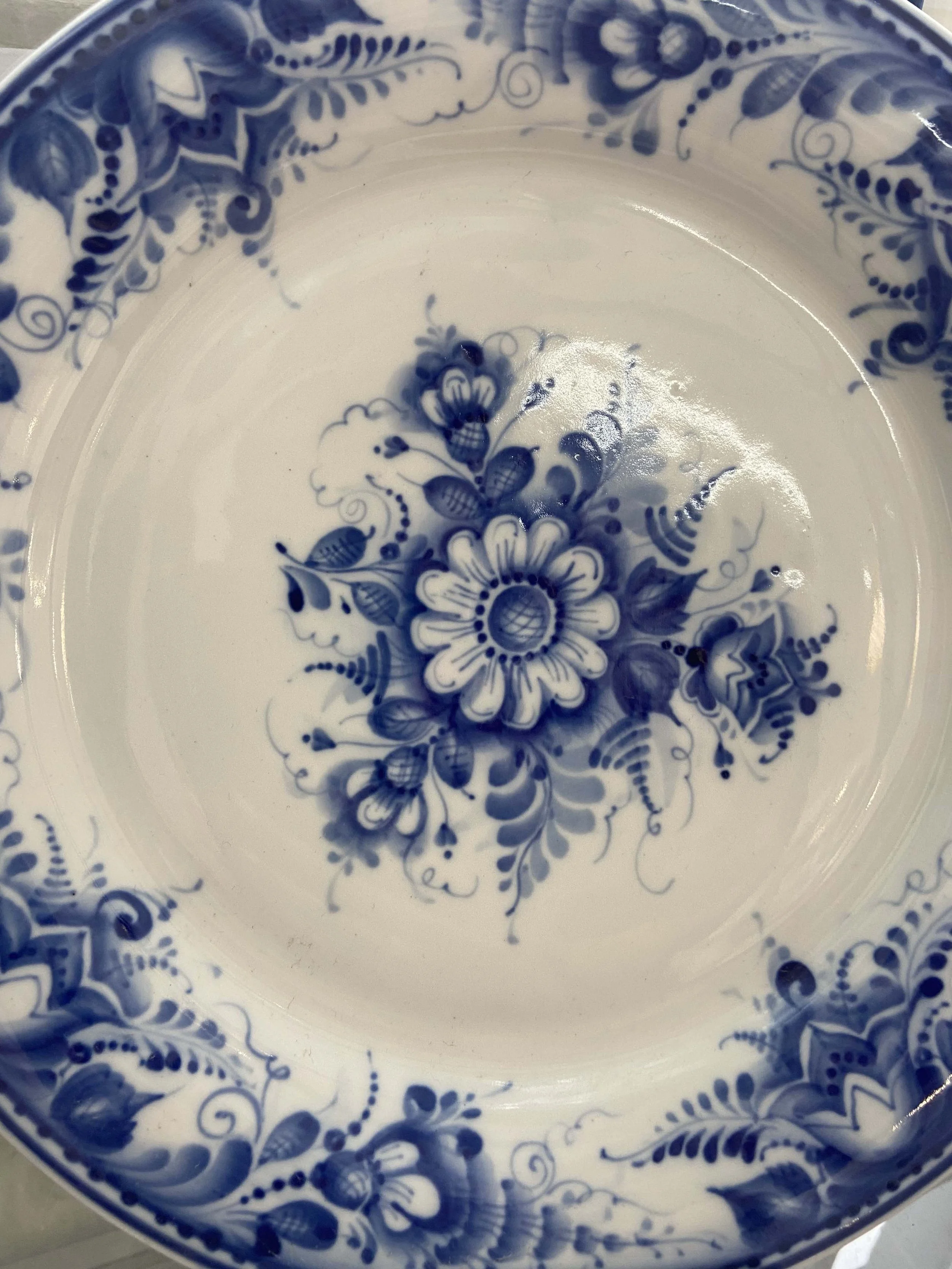
In Gzhel, a peculiar blue-on-white ceramic production style that proliferated during these years is still practised. Following the popularity of porcelain crafts in China and Japan in the 1940s, white clay began to be imported into Russia and factories soon emerged. Seeing the abundance of this new material growing in 1944, and the affordability of working with cobalt oxide (that lends the blue colour), Gzhel pottery gained prominence as a follow-up to the red clay pottery. Even the local architecture and socio-cultural structures absorbed some of these shifts, and nearly every house had kilns and sent children to universities to learn the craft. Designs comprising floral and folk life symbols are common and the final pieces are dipped in potassium pink liquid to test for cracks.
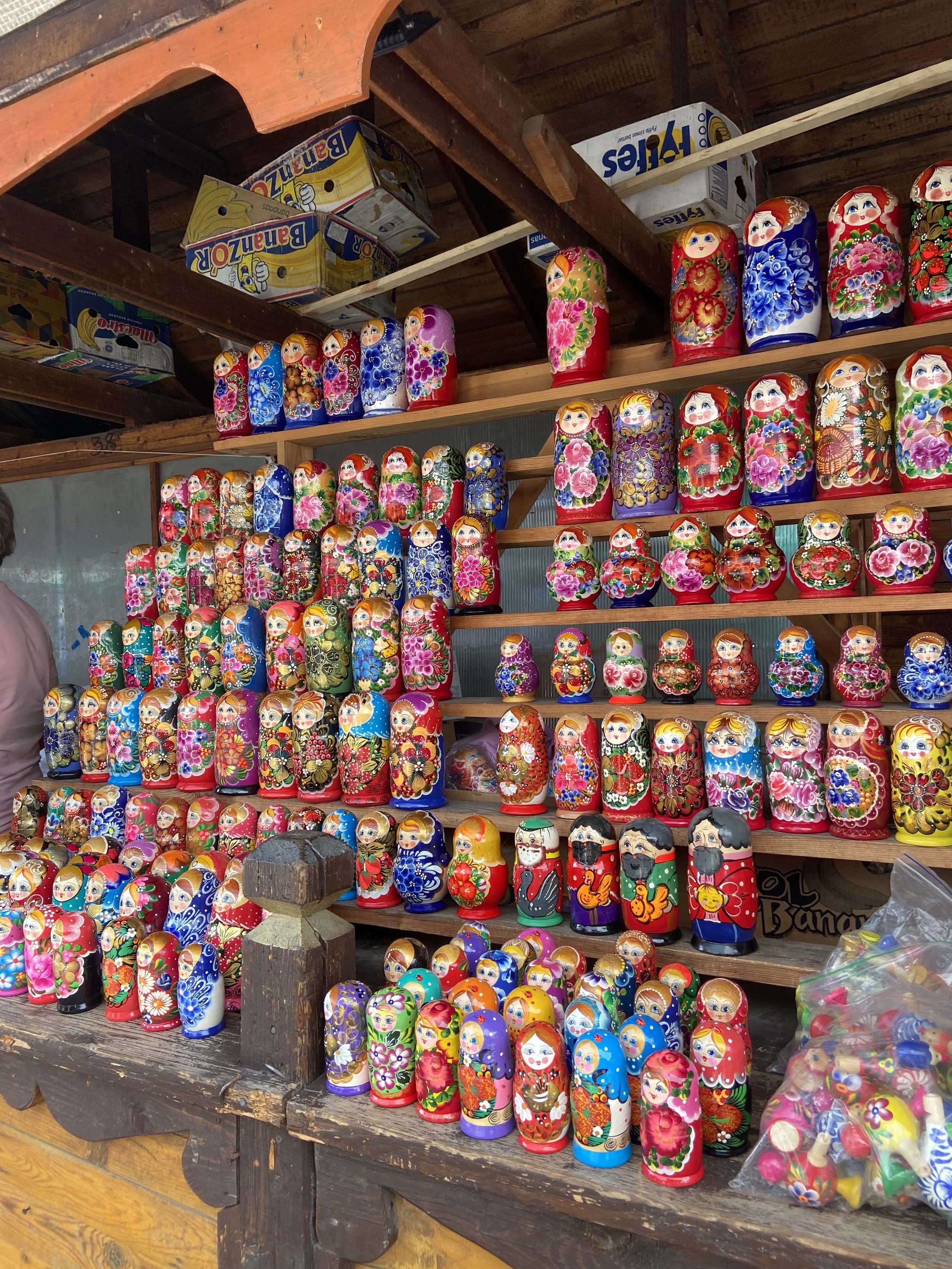
Another popular Russian symbol is that of the Matryoushka Dolls. Around the 1900s, struck by poverty, women in their leisure time, made toys as lindel wood was available in bulk. Perhaps, bearing semblance to the concept of chakras and the symbolism of the mandala in Asian cultures, these dolls were once owned by every child in the U.S.S.R. They are usually made as a set of seven dolls of varying sizes that are revealed, as one begins unpacking the largest doll. They derive their name from Matroyna (an elderly Russian woman) and are carved out of linden wood and birch wood, and painted with locally available synthetic pigments, although earlier natural colours were used. Even Russian leaders’ images and local everyday occupations are often found painted on some of these dolls. Easily identified by their rounded tops, rose-tinted cheeks, and tied scarves, these dolls are globally marketed as the nation’s souvenirs and workshops are conducted by professionals for those interested in learning Matryoushka doll painting.
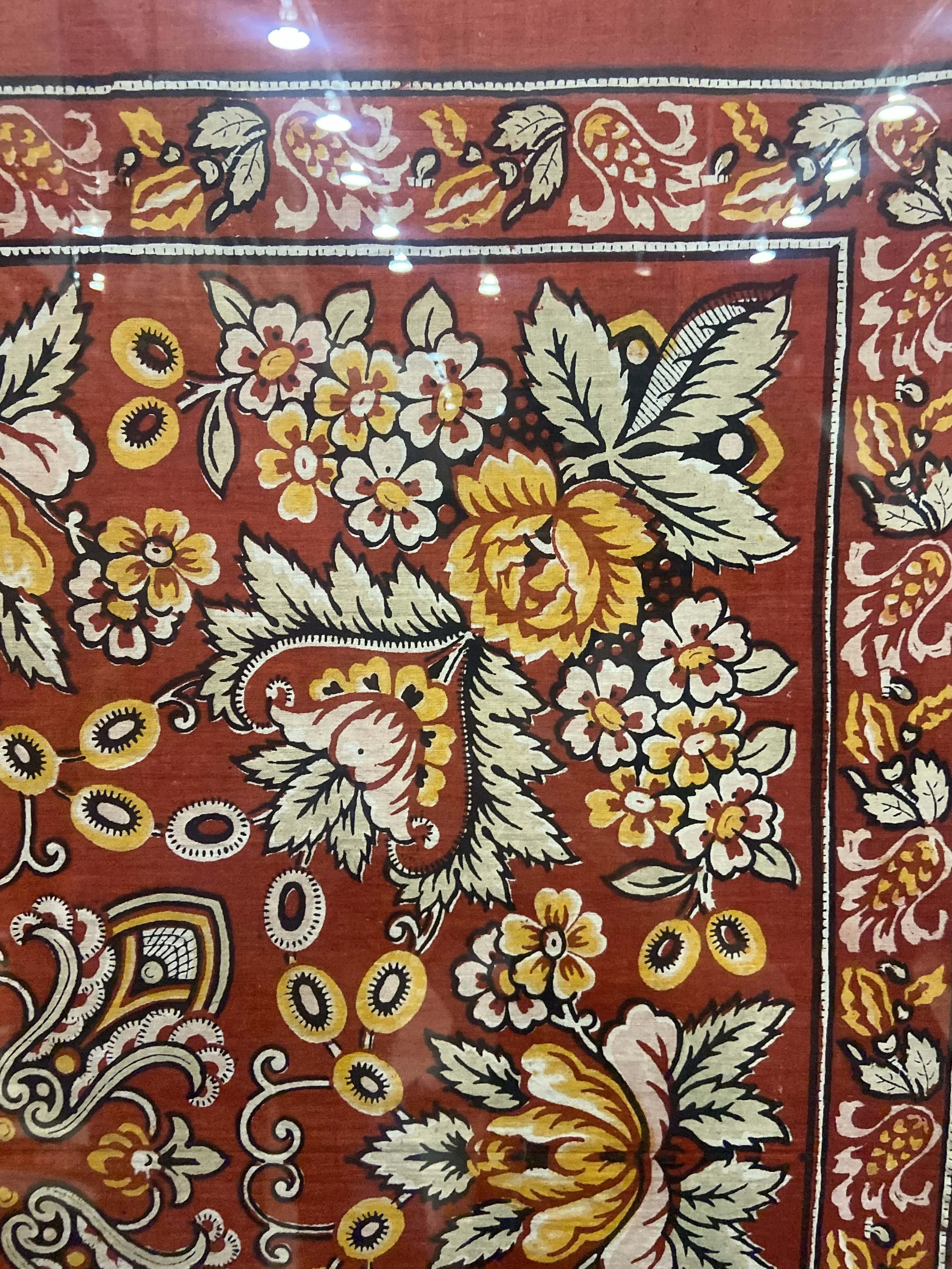
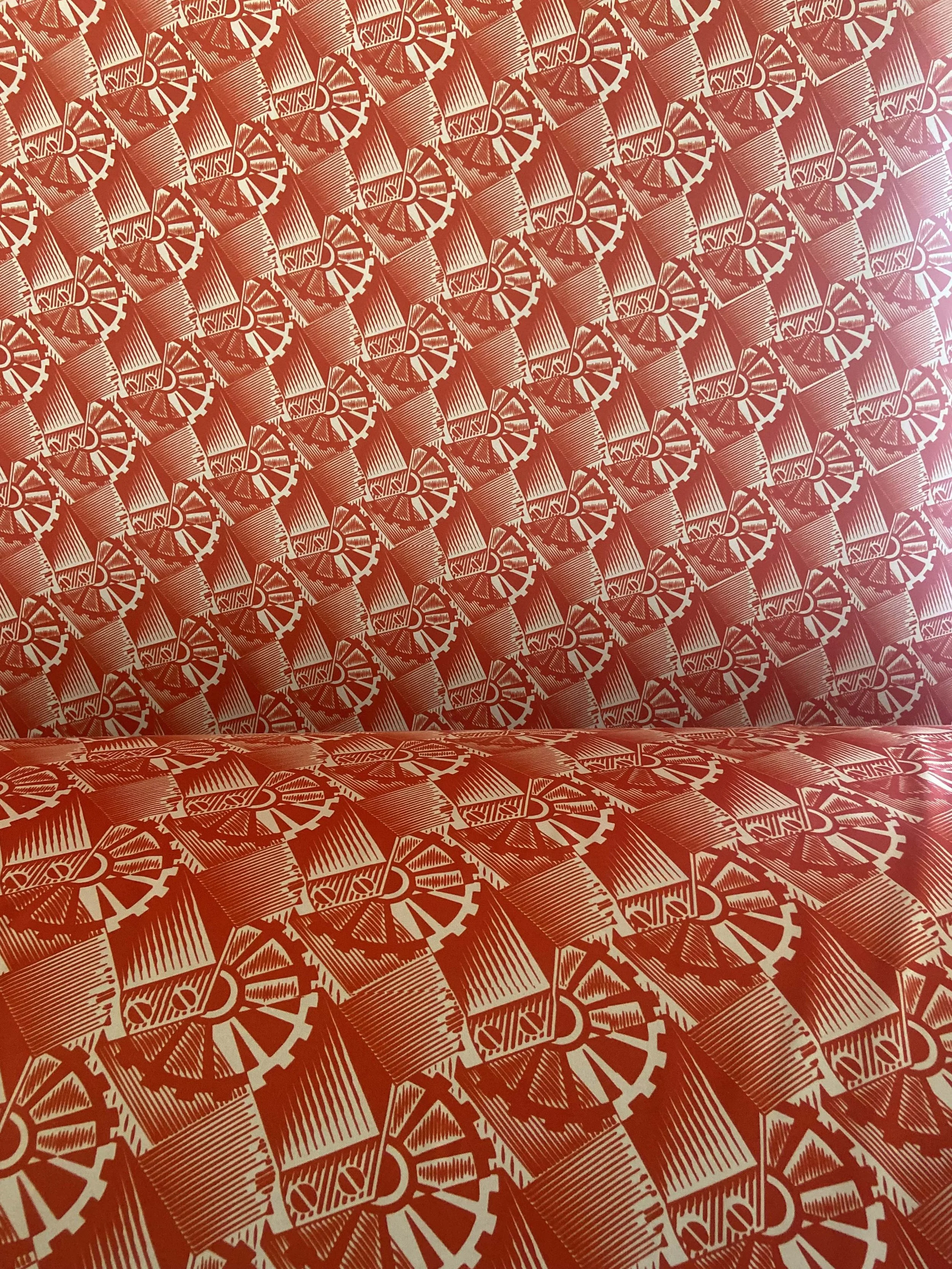
In the wake of rising industrialisation, Ivanovo (a city in Moscow’s northeast) saw the trade of Chintz textiles expanding and factories being set up. Homes became smaller and devoid of typical kitchens as women clocked in long hours in factories. Imported goods - linen from Belarus, French chintz, Persian paisley motifs, Turkish silk fabrics – and – locally made crocheted and laced dresses and 18th century floral-hand-block-printed bright red and blue dresses made in small workshops along with looms and fabric sample albums - all preserved at the Ivanovo Calico Museum – help consolidate a picture of the material expressions in textiles, once commonplace here. Ivanovo, once known as the ‘Russian Manchester’, witnessed remarkable textile production during the Soviet era, particularly of cotton which was cheaper than linen. Fabrics often reflected the community’s lived experiences with patterns of factories, tractors, aeroplanes, the star and sickle, and fitness incorporated alongside designs that were marked by repetitive, Utopian and Constructivist features, capturing the aspirational transition in life and society.
Contemporary Interventions
Suzdal’s cultural terrain has also seen the emergence of the Myra Centre, a participatory space where artists, musicians and directors organize exhibitions and concerts, stage plays, and conduct research and educational programs.
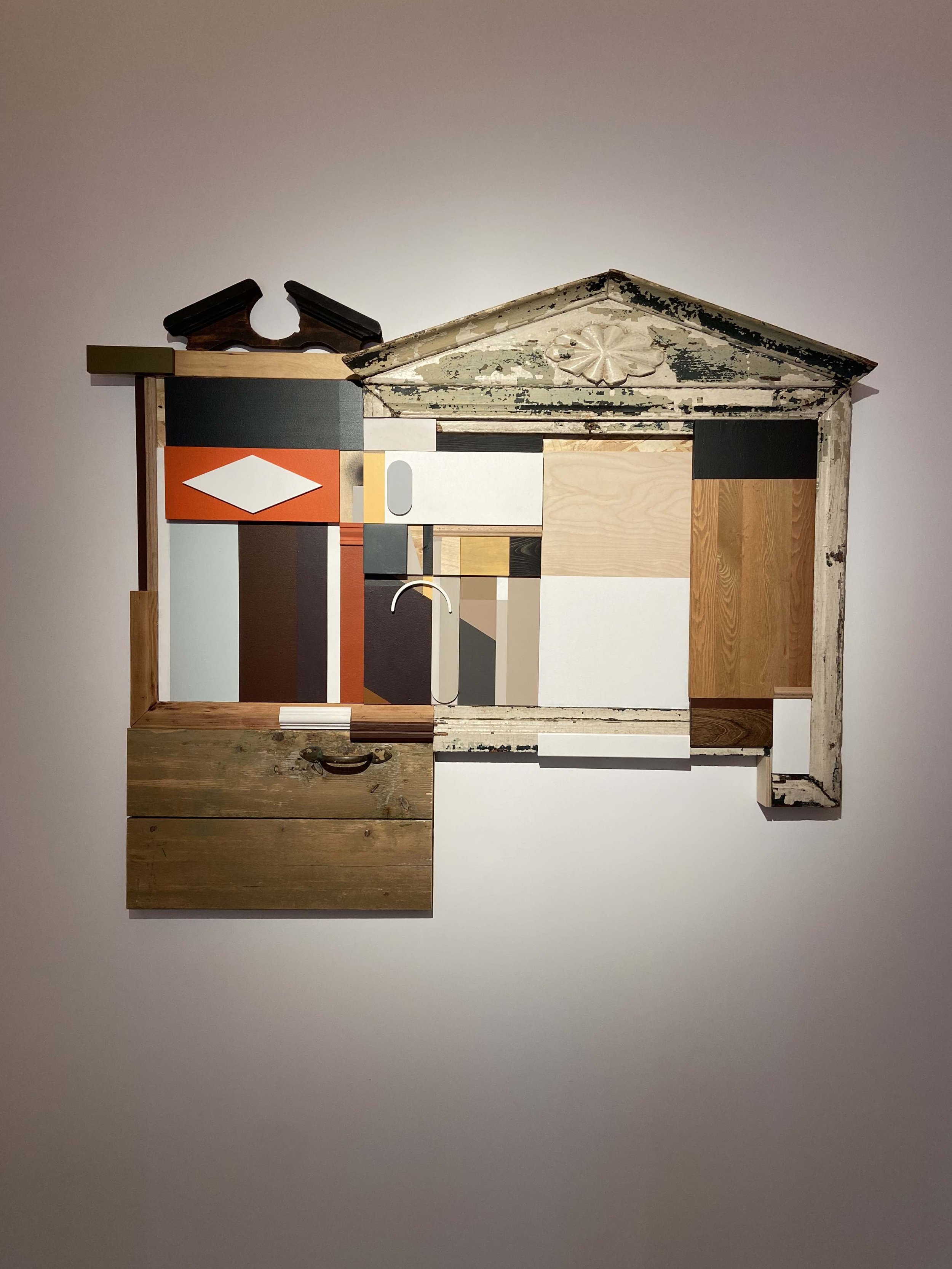
Alongside the folk arts, contemporary cultural institutions have contributed to the current Russian cultural zeitgeist. Established in Moscow in 2009, the V–A–C Foundation seeks to reimagine the mechanisms for the production of art and knowledge by collaboratively exploring new cultural territories with artists through cross-disciplinary projects and challenging conventional hierarchies. The Fligel Center for Contemporary Culture is an institution working to develop and promote contemporary art in the Vladimir region through monthly exhibitions, and emerging Russian art and literature.
Historically, the nurturing of our senses via folk practices and our proximity to nature, have helped establish a sense of identity and community – the very essence of our being. At a time when we are gravitating towards technologies and algorithms, these idyllic places, deliberate traditions and their shifting meanings remind us of the liberating and transformative powers embedded in art, design, imagination and creation. They make us wonder how nations, places and societies can also be viewed through the lens of their folk visual and material cultures if we look beyond our fast-paced, modular lives where hustle and glamour reign supreme. While art can never be condensed and reduced to locations, time-periods and categories, as they are ever-expanding in their scope, form, function and composition, they still embody relevant lessons about how one can develop a balance between the natural and the mechanical.