
Worlds Within a World | Russian Architecture and its many layers
In Russia, across tapering religious buildings, onion-shaped domes, historical edifices overlooking the Neva River and the flamboyant subterranean metro stations in Moscow - the sky, earth and water seem to converge, linking its landscapes with an all-encompassing architectural heterogeneity. The way in which St. Petersburg’s overwhelming and imposing styles permeate into Moscow’s restrained, graceful aesthetics and the archaic charms of Vladimir and Suzdal, underscores Russia’s vast geography and the borders it shares with Scandinavia, Central Asia, the Middle East and Eastern Europe that have allowed it to emerge as a melting pot of diverse design styles and cultures.
Having witnessed different artistic and socio-cultural movements, industrialisation, economic shifts and political regimes, Russian architectural aesthetics, encapsulate a range of features – reflected in the maximalism of the Orthodox churches, the compactness of kommunalkas (communal apartments), the decorativeness of Art Nouveau and Baroque styles, the minimalism of Brutalism, the union of art and technology advocated in Constructivism, and symbolic sculptures scattered across its public places. The vision of its leaders, artists, and architects and the trans-cultural exchange of labour, ideas, resources and education have all contributed to making Russia, a living testament to the role of politics and power in shaping society, its built environment and national consciousness. With associations to the legacies of Tsar Peter and his wife Catherine, Lenin, Stalin and Pushkin, Russian architecture can rightly be considered an expansive macrocosm composed of several microcosms, each with its own unique features.
The Ambition and Ambivalence in St. Petersburg and Its Suburbs
Founded by Peter, the Great in 1703, St. Petersburg, a city on the banks of River Neva, was built with the intent of competing with great European cities of its time. With the ambition of transitioning from Byzantine-influenced Russian architecture to a European-themed architecture and lifestyle, St. Peterburg’s palaces, cathedrals, bridges and extensive canal network influences from Venice and Amsterdam, earning the city, its epithet - ‘Venice of the North’.
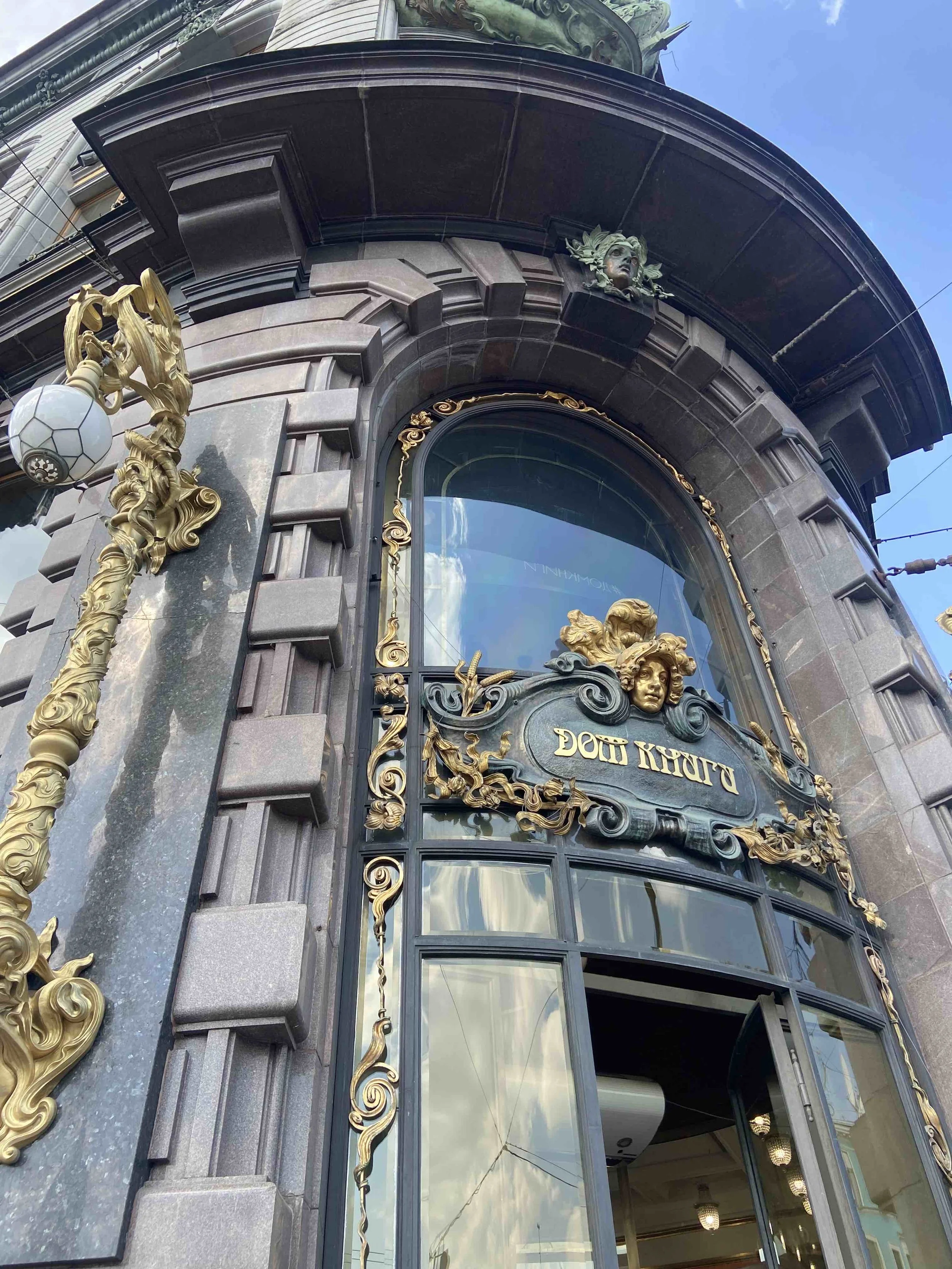
A kaleidoscope of architectural design styles, most prominently, Petrine Baroque and Russian Neoclassicism, this city prompts one to observe the aesthetic resemblance with Versailles and other classical features. These tangible shifts were often accompanied by socio-linguistic shifts too, with writers like Alexander Pushkin introducing French words into the Russian literary canon and many noble families speaking French in the 19th century, thus pursuing and inheriting ambivalent identities, in the hope of fostering a sense of belonging with the West.
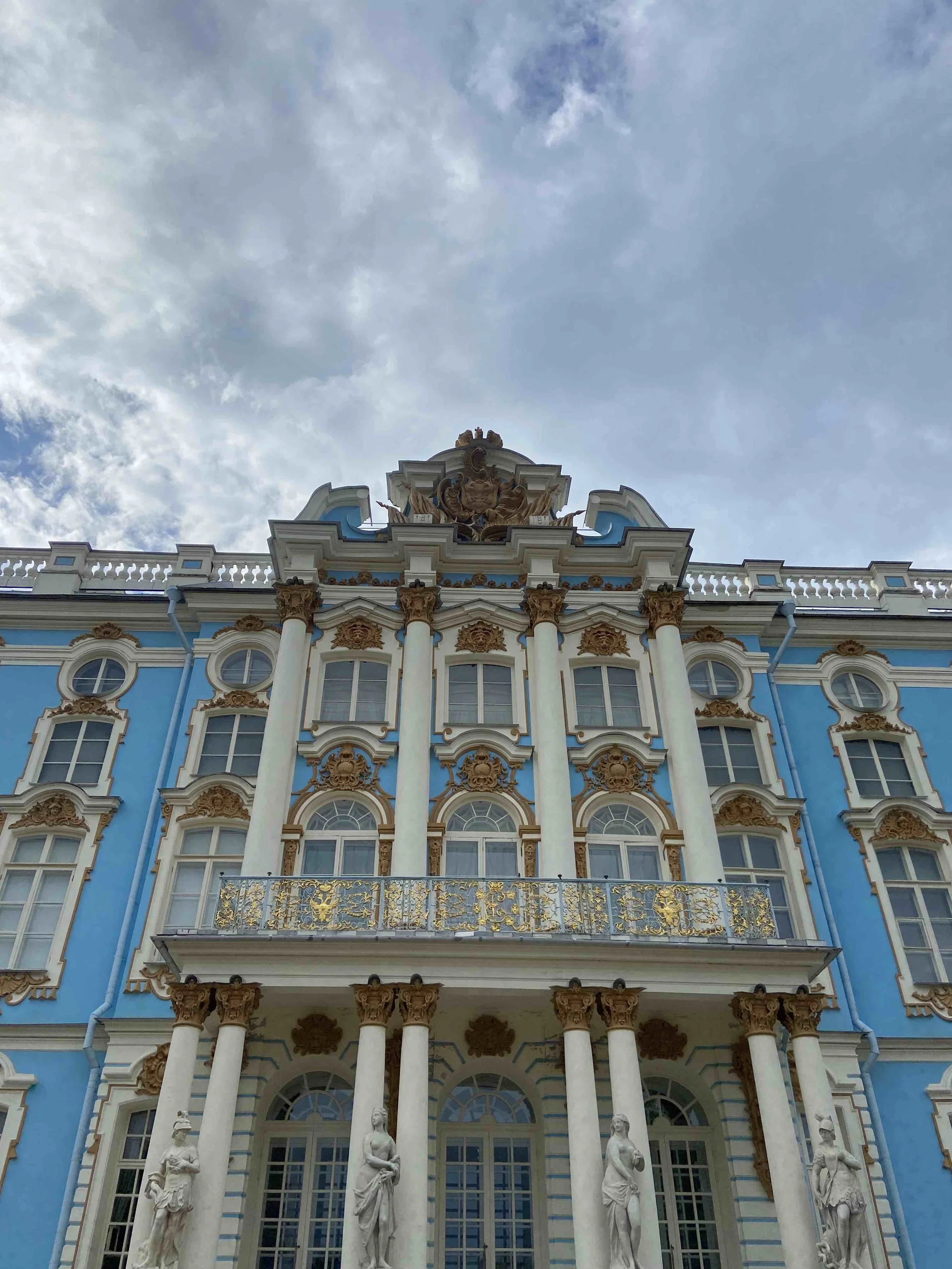
In the suburbs, the Catherine Palace in Pushkin and the Peterhof Palace, exhibit stark parallels to The Palace of Versailles in France. The former, with its prolific interiors and bright, turquoise façade punctuated by golden decorative features and white columns is an outcome of several reconstructions with the final design being helmed by the Italian architect, Francesco Bartholomeo Rastrelli who also designed the Winter Palace in St. Petersburg, overlooking the Neva riverfront in the north and the Palace Square in the South with its glorious presence.
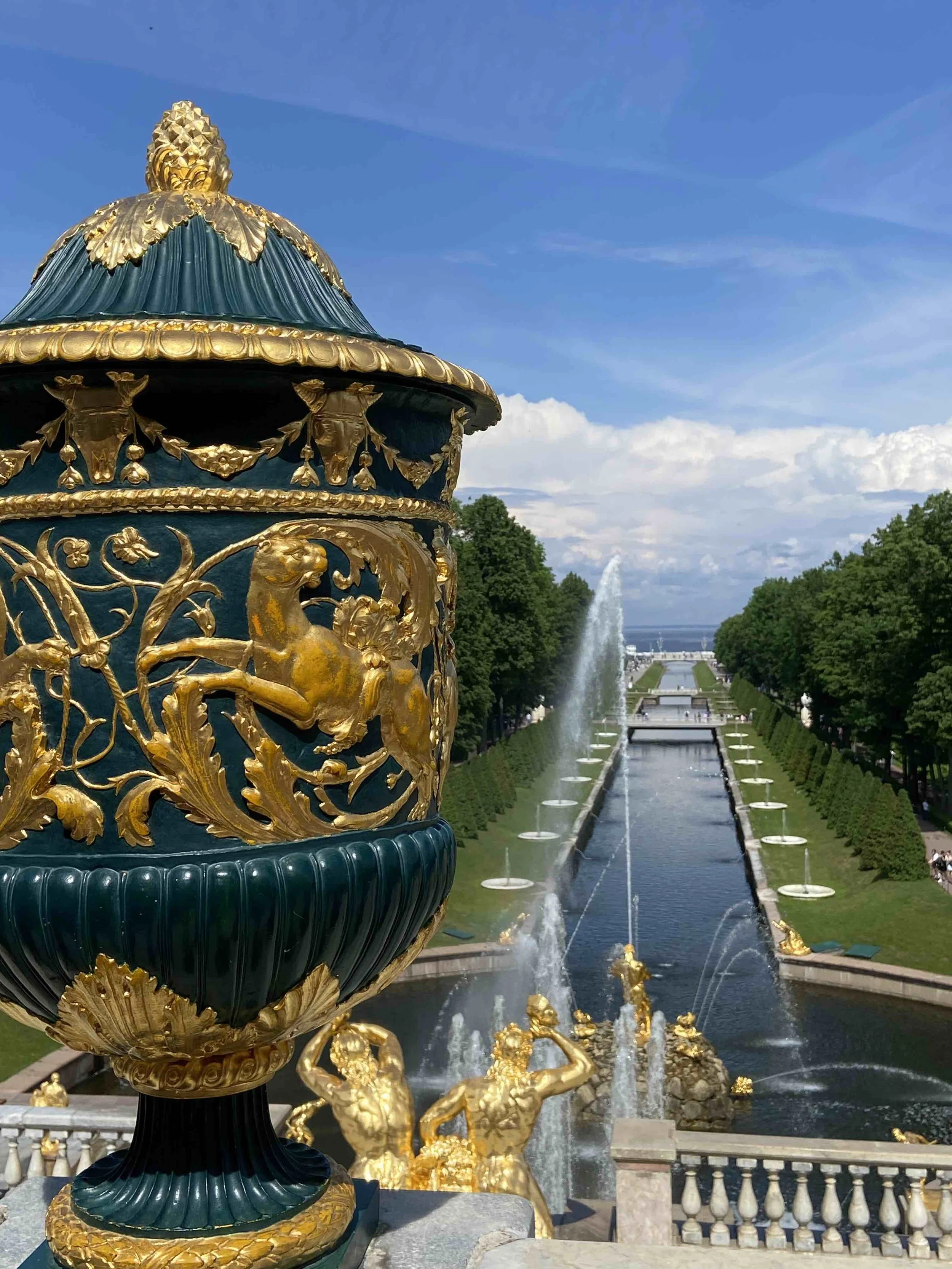
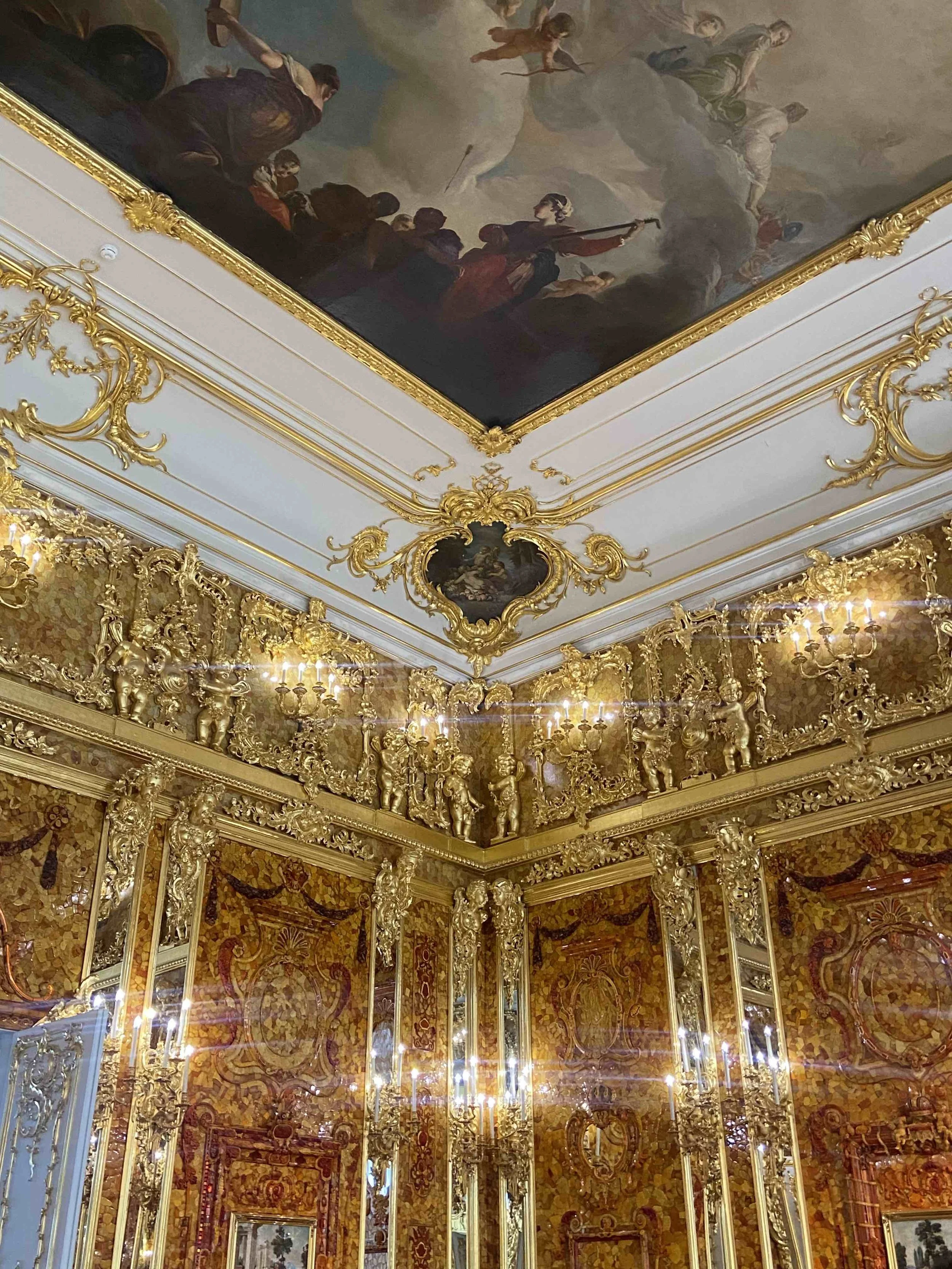
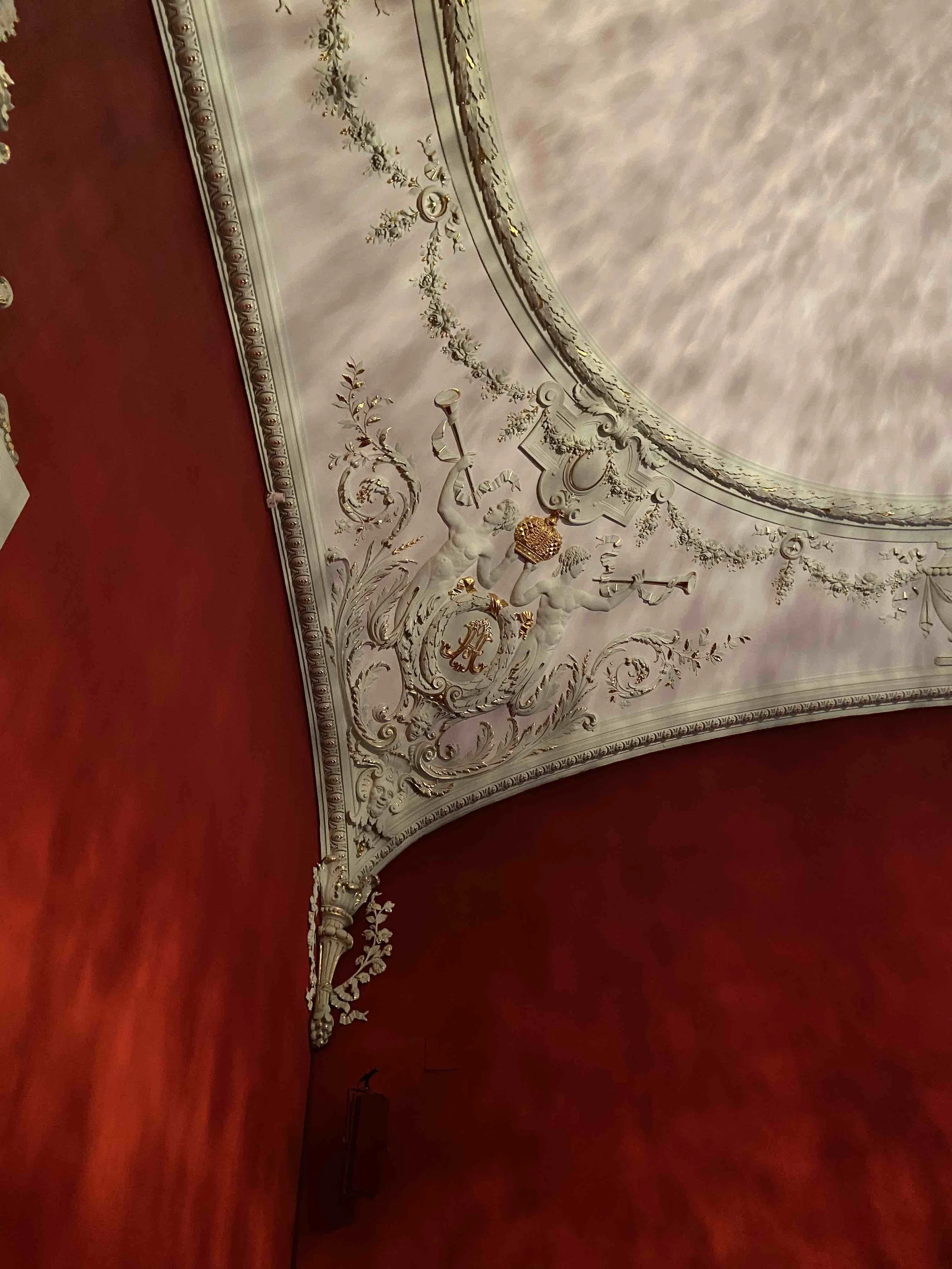
Rastrelli’s other design, the Peterhof Palace, is notable for its water cascade with bas-reliefs, bronze sculptures and fountains, a French-style garden and opulent interior decoration. The use of gilding, mirrors, paintings, suspended symmetrical arches with plafond paintings and parquet wooden floors – all conjure up an awe-inspiring vocabulary highlighting the wealth and prosperity enjoyed by the elite in Imperial Russia. The palace now serves as a museum of history and art with an impressive collection of fabrics, exhibits, paintings, ceramics, furniture and Russian rulers’ personal belongings.
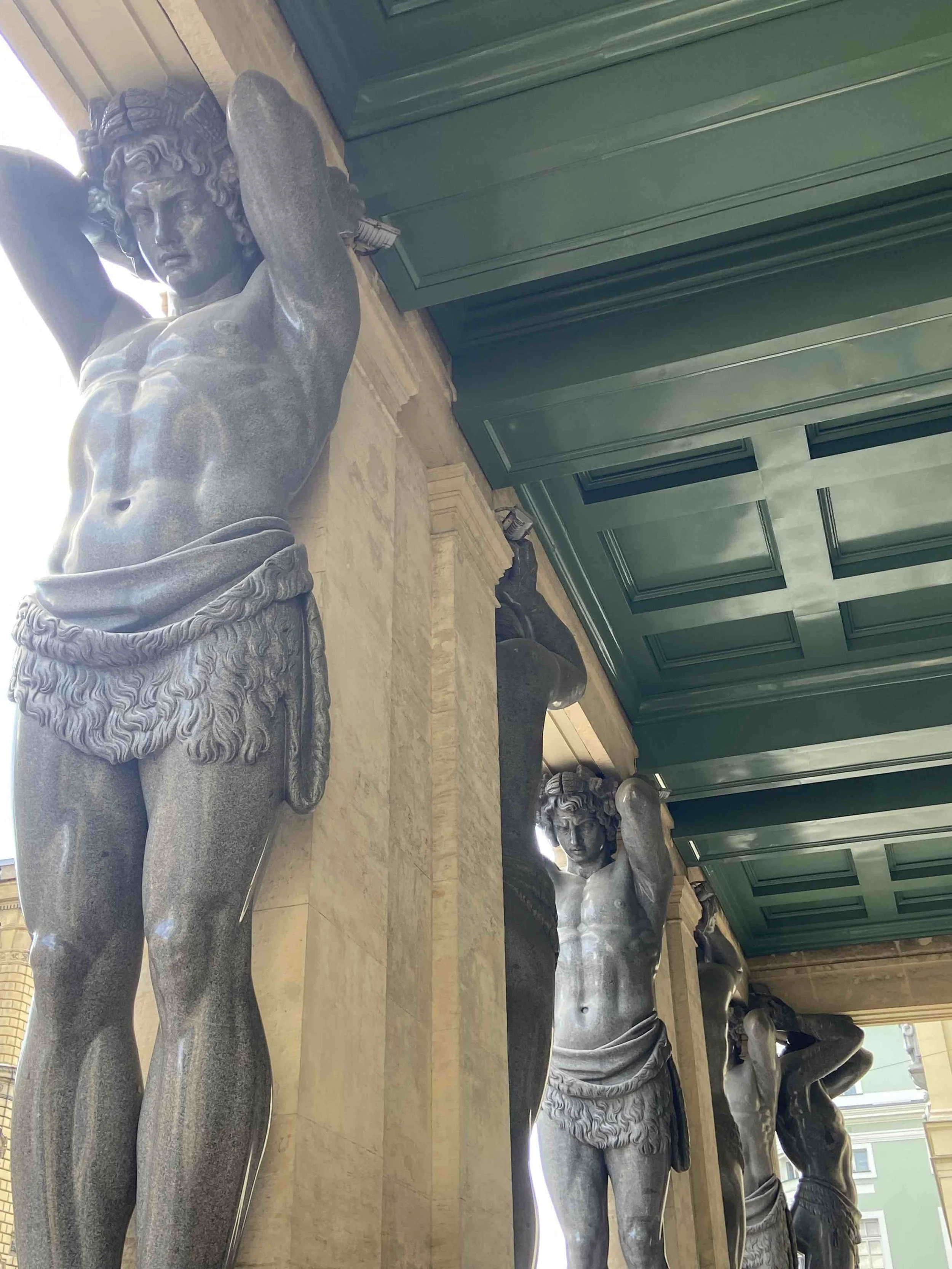
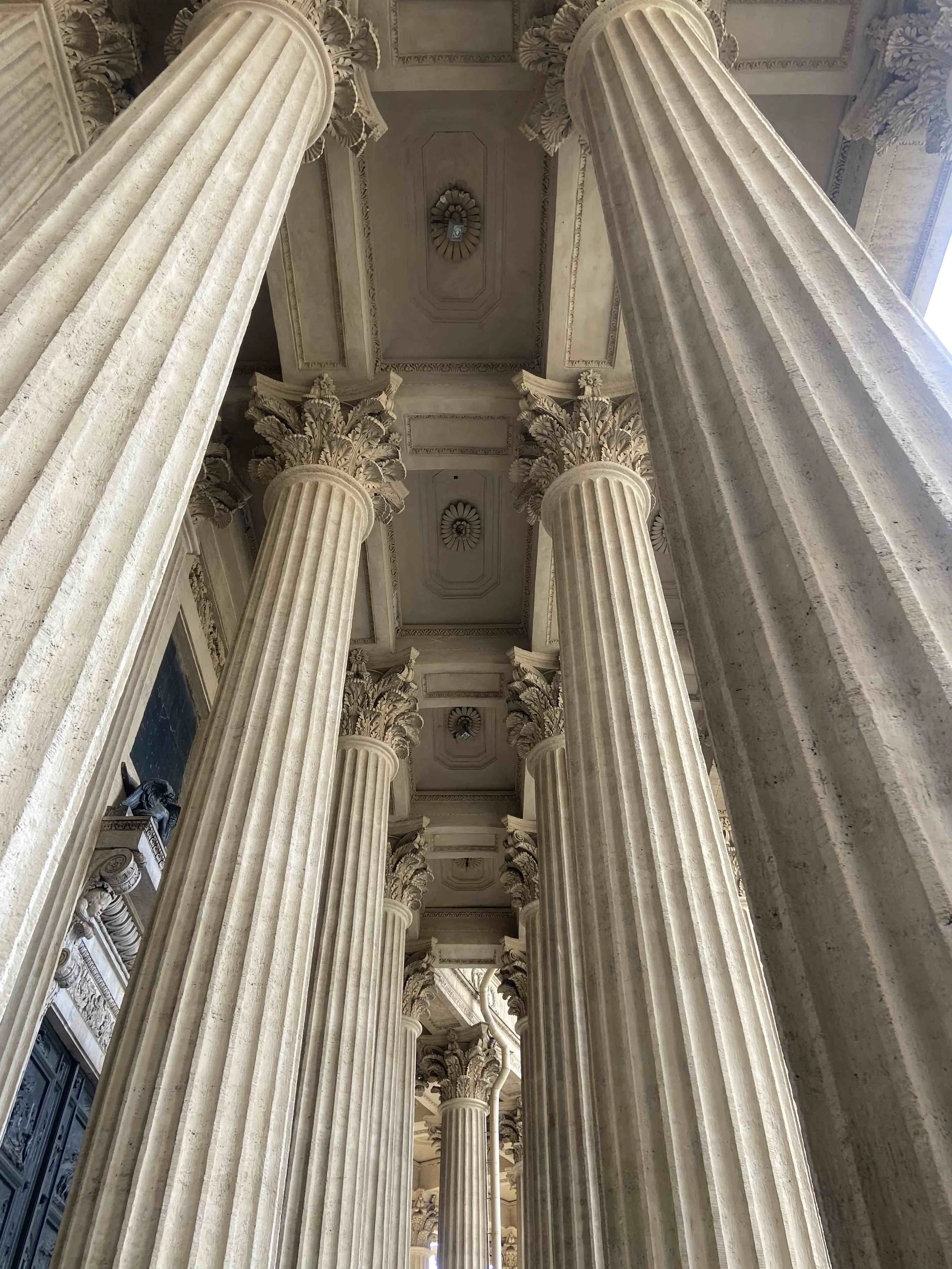
The Marble Palace, one of the finest early Neo-classical buildings in St. Petersburg was also originally designed by an Italian architect, Antonio Rinaldi, and having passed through many hands, is now owned by the State Russian Museum. The vertical and colossal emphasis in the design of the golden-iron-domed St. Isaac's Cathedral (the largest in the city) and the Kazan Cathedral, evoke similarities with Rome’s St. Peter’s Basilica. Also scattered across the city, are Greek mythological references such as The Atlas, seen in important administrative buildings as male figures being used as column-supports.

The Might and Minimalism of Moscow
Wandering through Russia’s capital city elicits a sense of feminine grace and elegance, also referred to by Leo Tolstoy in his famed book, War and Peace –
Every Russian looking at Moscow feels her to be a mother; every foreigner who sees her, even if ignorant of her significance as the mother city, must feel her feminine character.
The Muscovite cultural ethos is spread across institutions like the Bolshoi Theatre, located at the Teatralnaya (Theatre) Square, one of Moscow’s central squares - whose iconic Neo-classical façade, alluring gilt mouldings, white lights, stucco arabesques and velvet draperies - all enrich the temporal and performative aspects of the space. Walking past the medieval architecture of the Red Square and Kremlin (a fortified complex and the political heart of Moscow), one cannot escape beholding the quintessential St. Basil's Cathedral and its perplexing, vibrant domes and redbrick towers. The Mausoleum of Lenin on Red Square, inspired perhaps by pyramidal forms in foreign cultures, and the Alexander Gardens, an old public park, further enhance Moscow’s urban design.
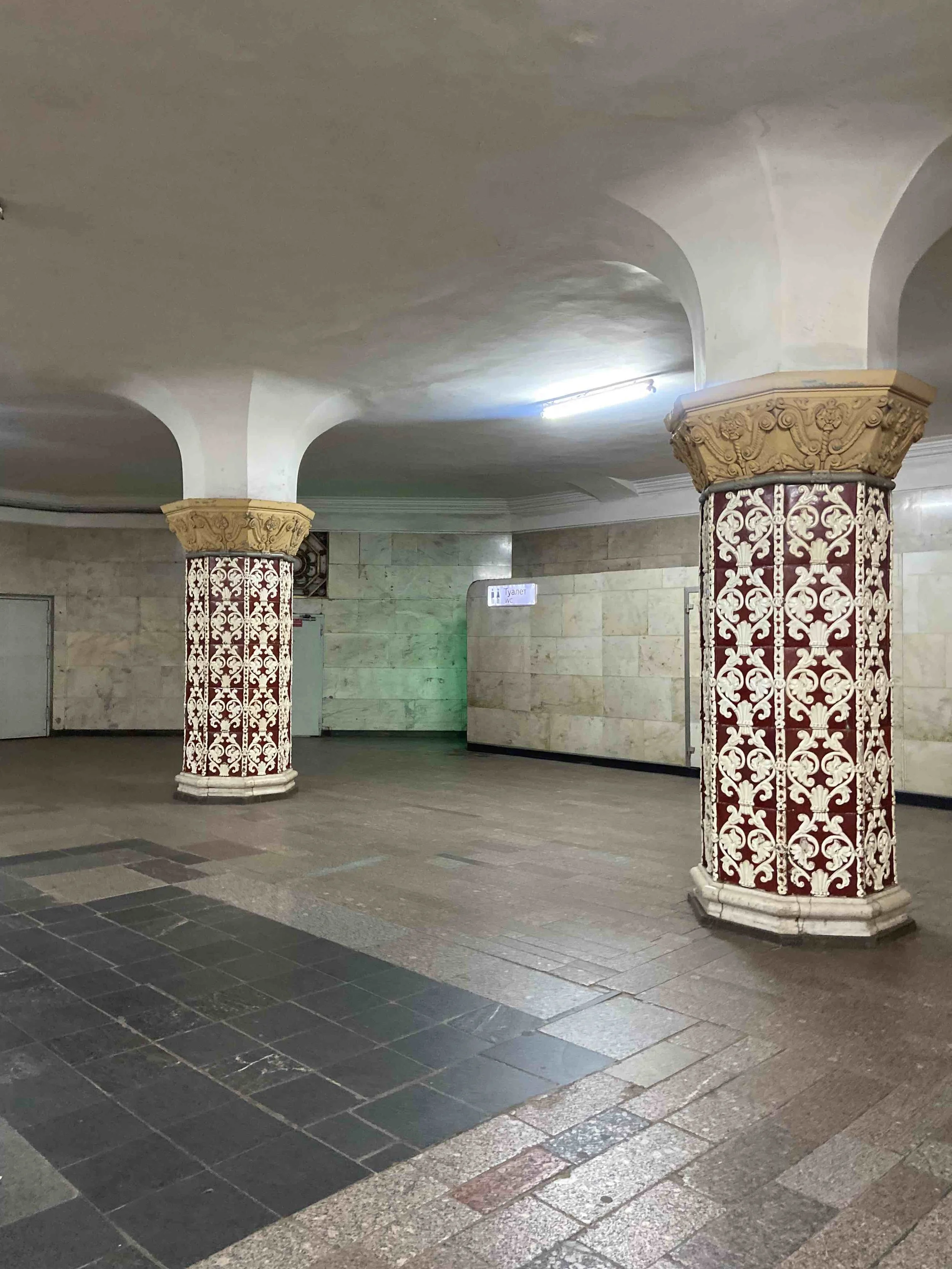
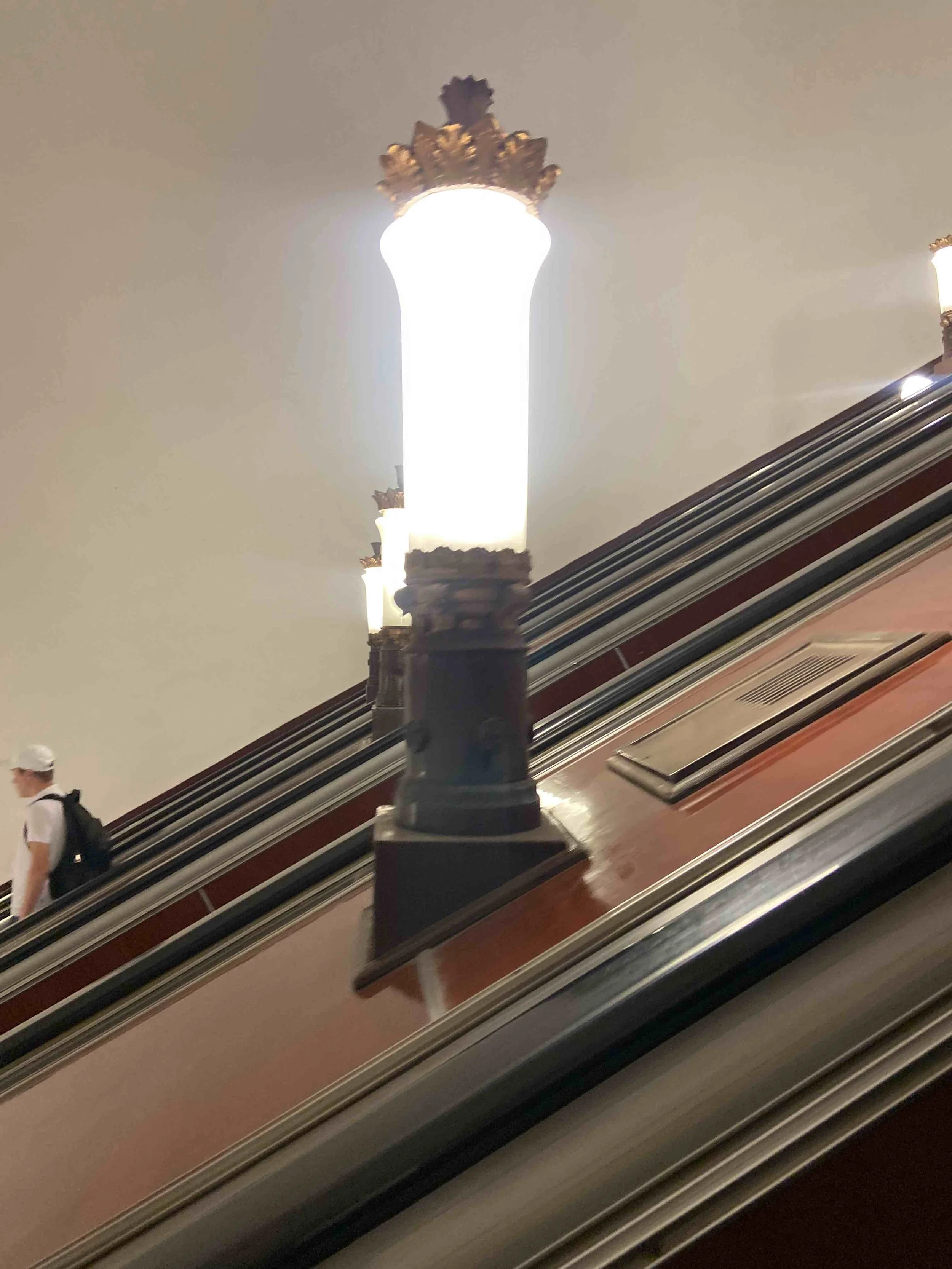
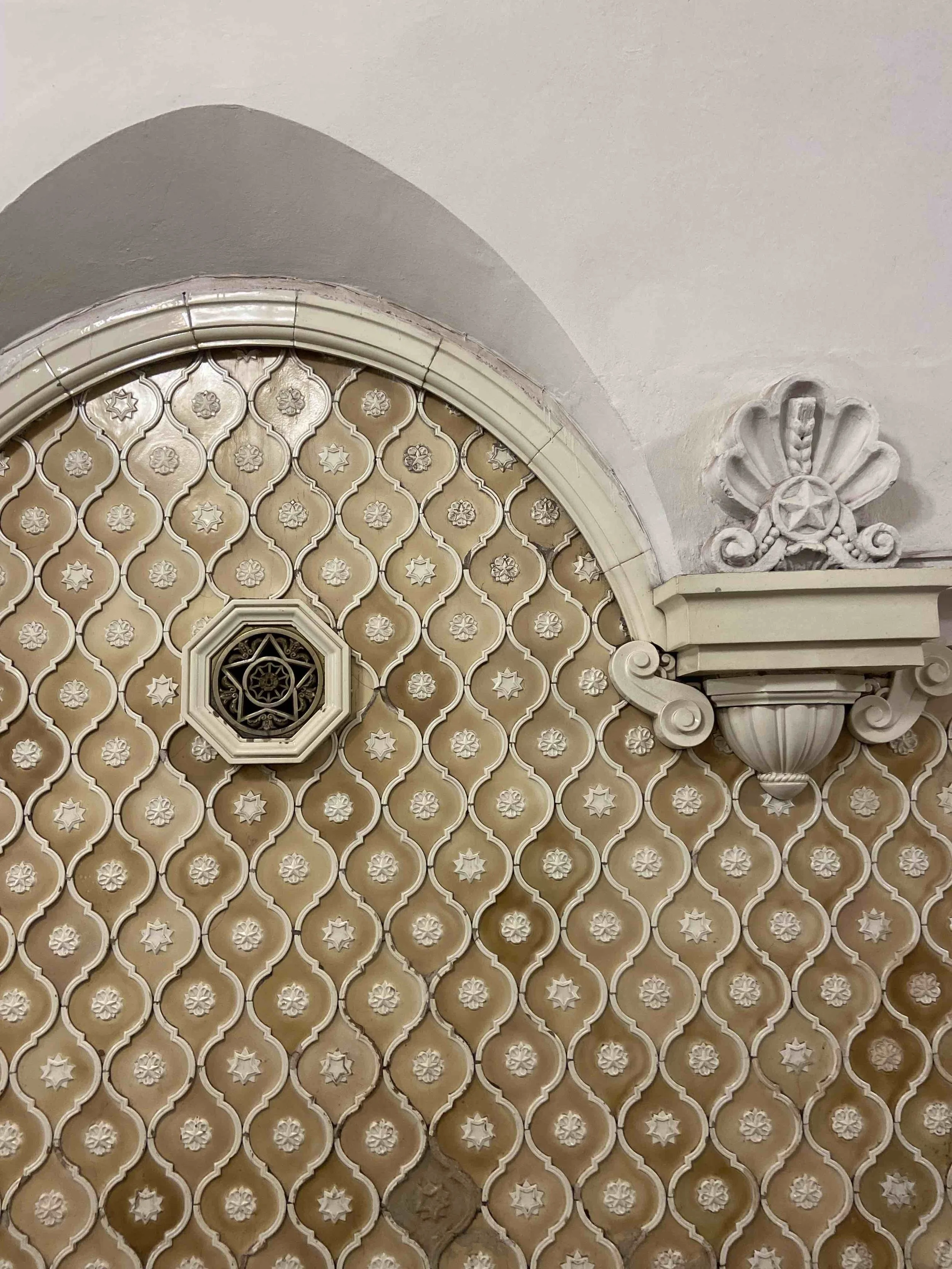
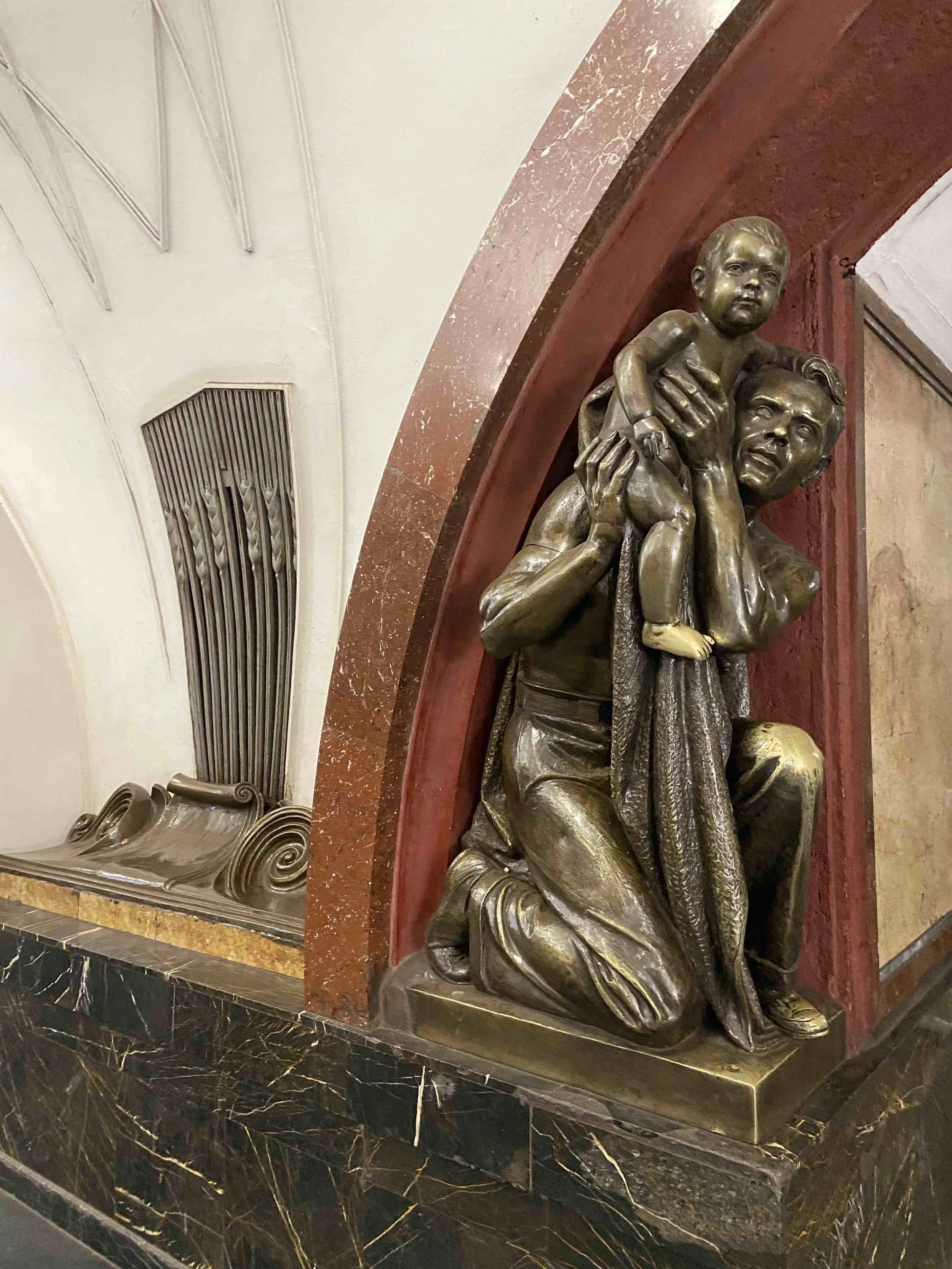
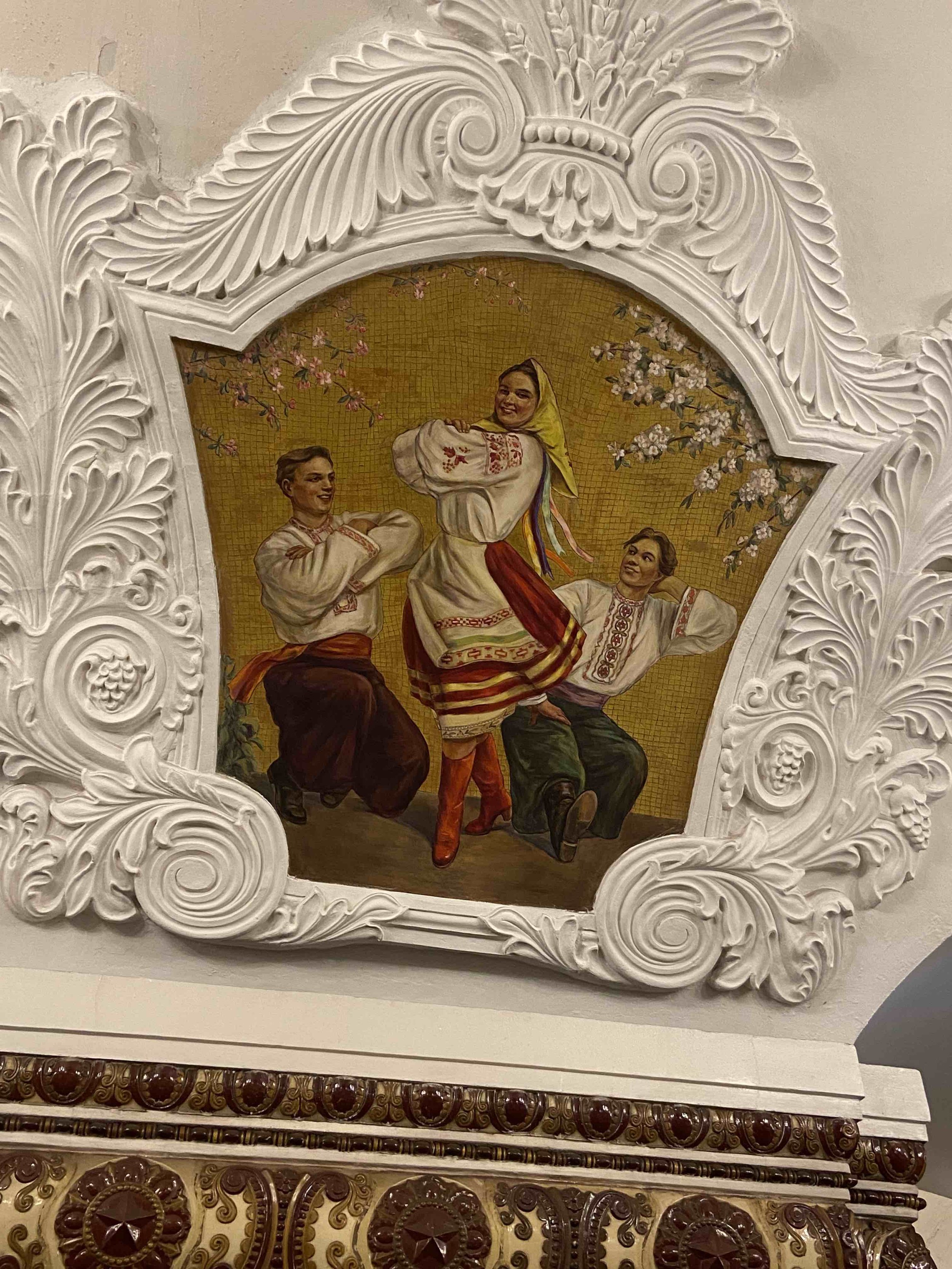
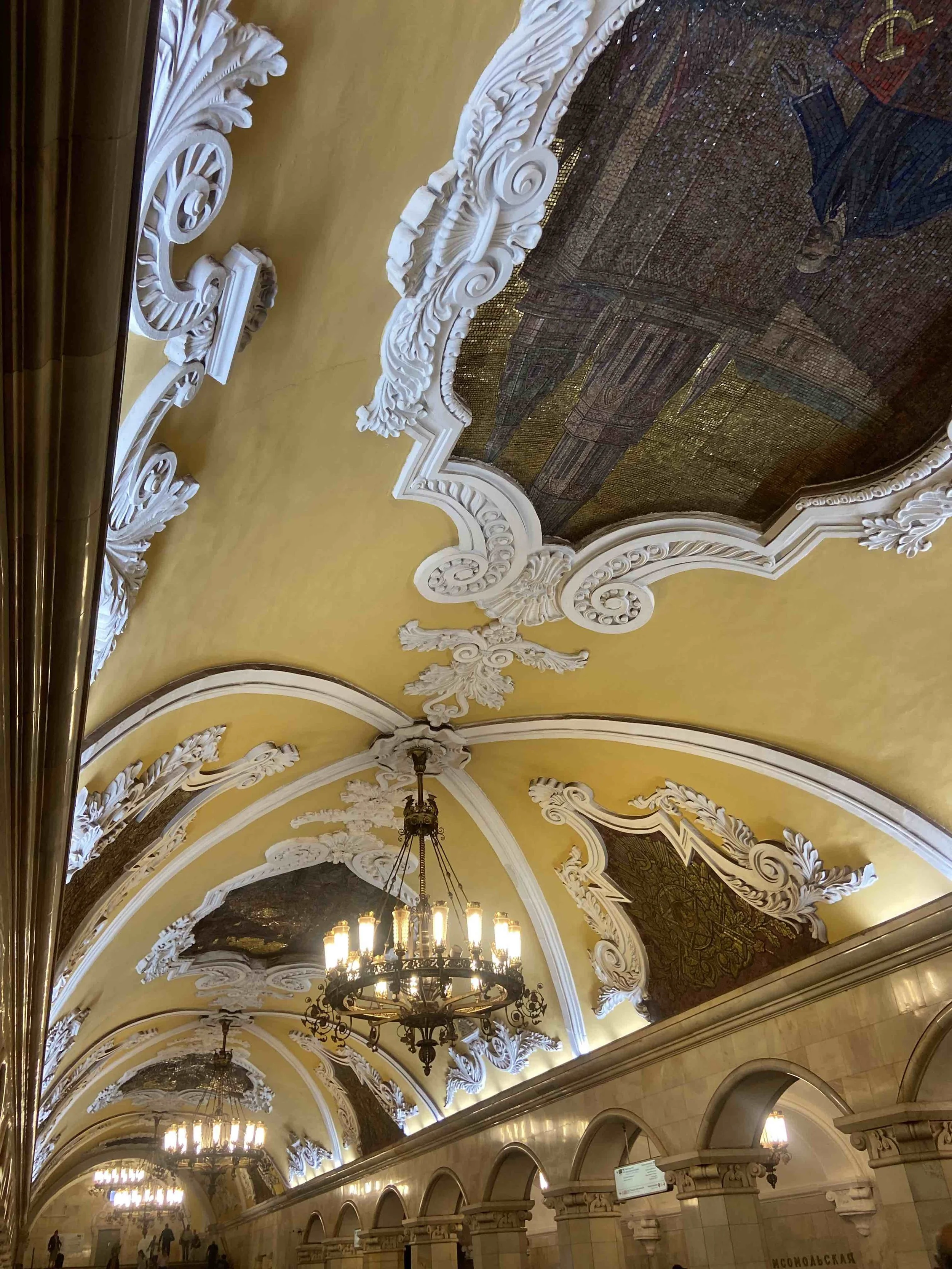
Post 1917, when the USSR sought to convert an economically backward nation into a leading industrial power, to communicate the outcomes of the Socialist vision, Moscow’s underground metro stations were planned with an assortment of elements ranging from the Soviet Era, Art Nouveau, Neo-classical and Imperial Baroque styles and often juxtapositions or experimental combinations of some of these – adding another dimension to Moscow’s multi-layered experience. Porcelain figurines, bronze sculptures depicting the communist party ethos of factory workers, peasants and soldiers, folk-art-inspired porcelain details, and colourful stained glasswork, make the Metro network seem like a palatial museum.
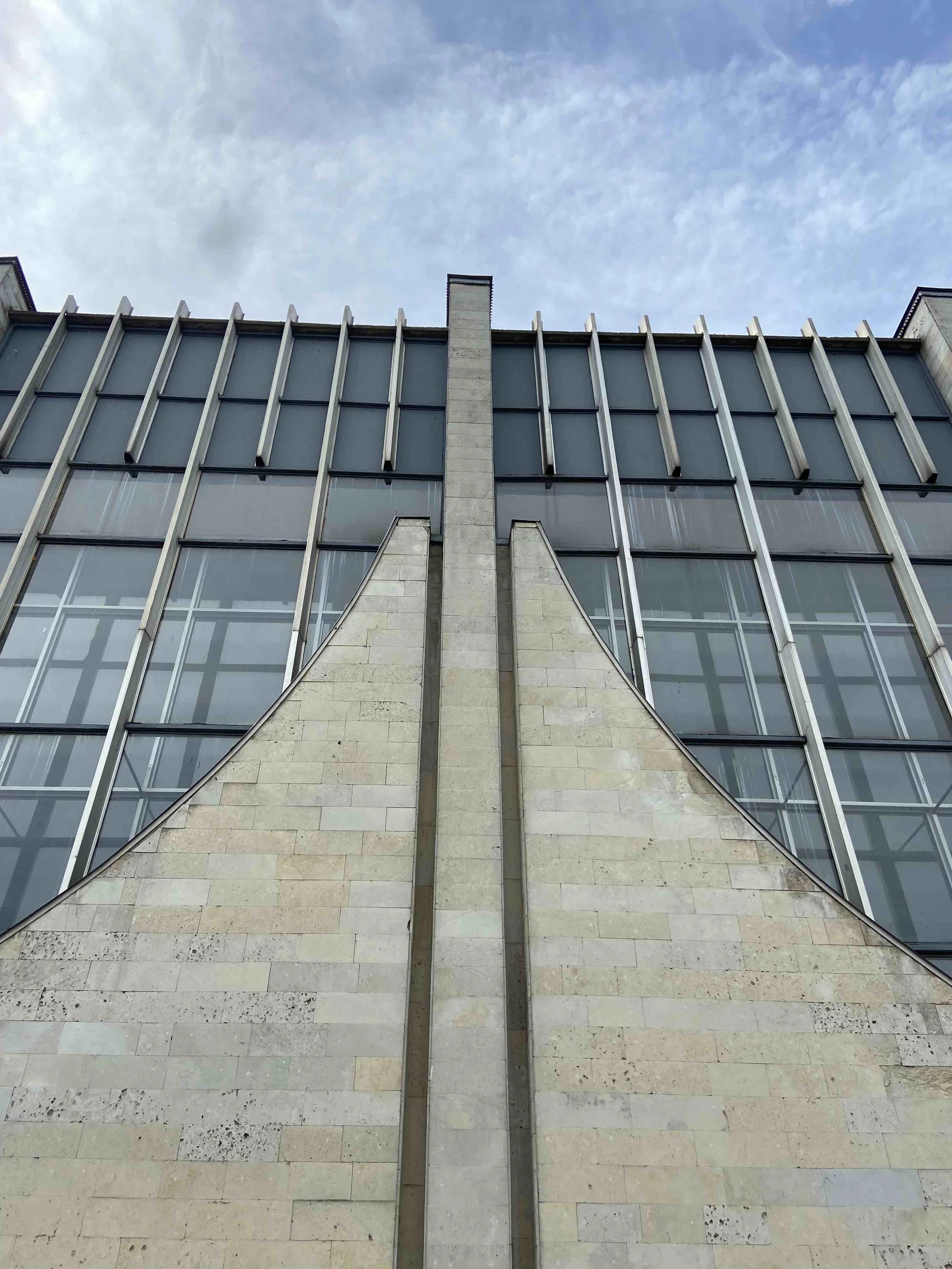
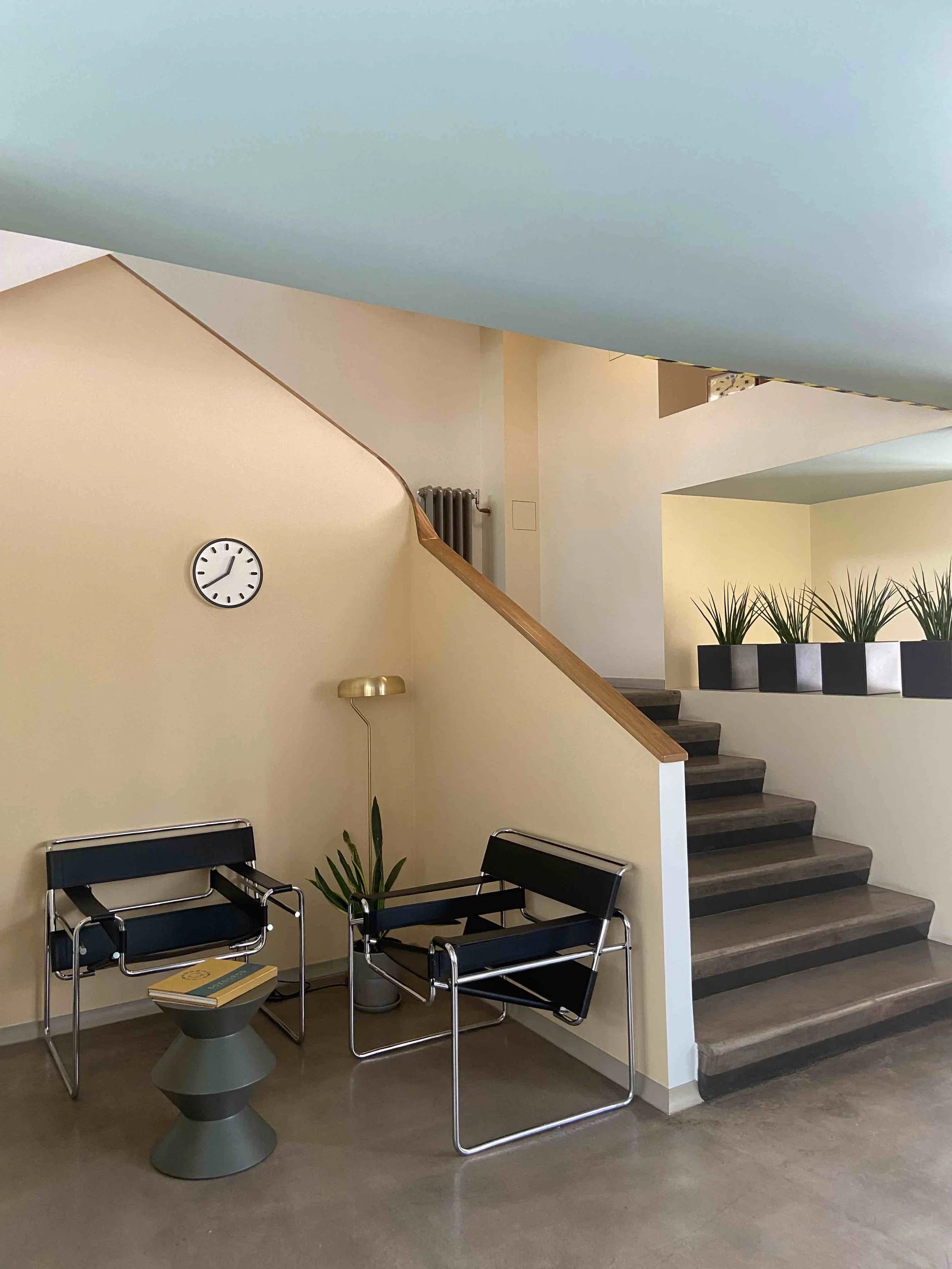
Moscow’s might and minimalism also borrow from Constructivist, Brutalist and Art Nouveau styles that gained popularity when Russia was transitioning from the Imperial Era to the Soviet Era and witnessed a fusion of art, architecture and technology. At the Zotov Centre (formerly a bread factory), named after Vasily Zotov who organised the mass construction of bread factories in Moscow, one is introduced to the elements of Constructivism that flourished in the 1920s, when the society was attempting to break free from the clutches of the ruling elite and art and architecture had to reflect industrial society and reject decorative features. The artist’s role was to be re-imagined as that of an engineer and art was sought to be used as a revolutionary tool in the service of the community.
These years were marked by the usage of sparse, geometric forms and through various mediums like paintings, posters and textiles, a new visual language was evolved, being easily reproducible through compasses and rulers. The visual and material culture took a sharp turn with materials like metal, wood and glass being re-evaluated to check possibilities for mass production. The Bakhmetevsky Bus Garage, once a public bus garage and now the Jewish Museum and Tolerance Center - designed in 1926 by the architect, Konstantin Melnikov and the engineer, Vladimir Shukhov, and the Rusakov Workers’ Club with its angular and cantilevered forms - are both emblematic of how architectural aesthetics reflected the growing industrial ethos and experimentation.
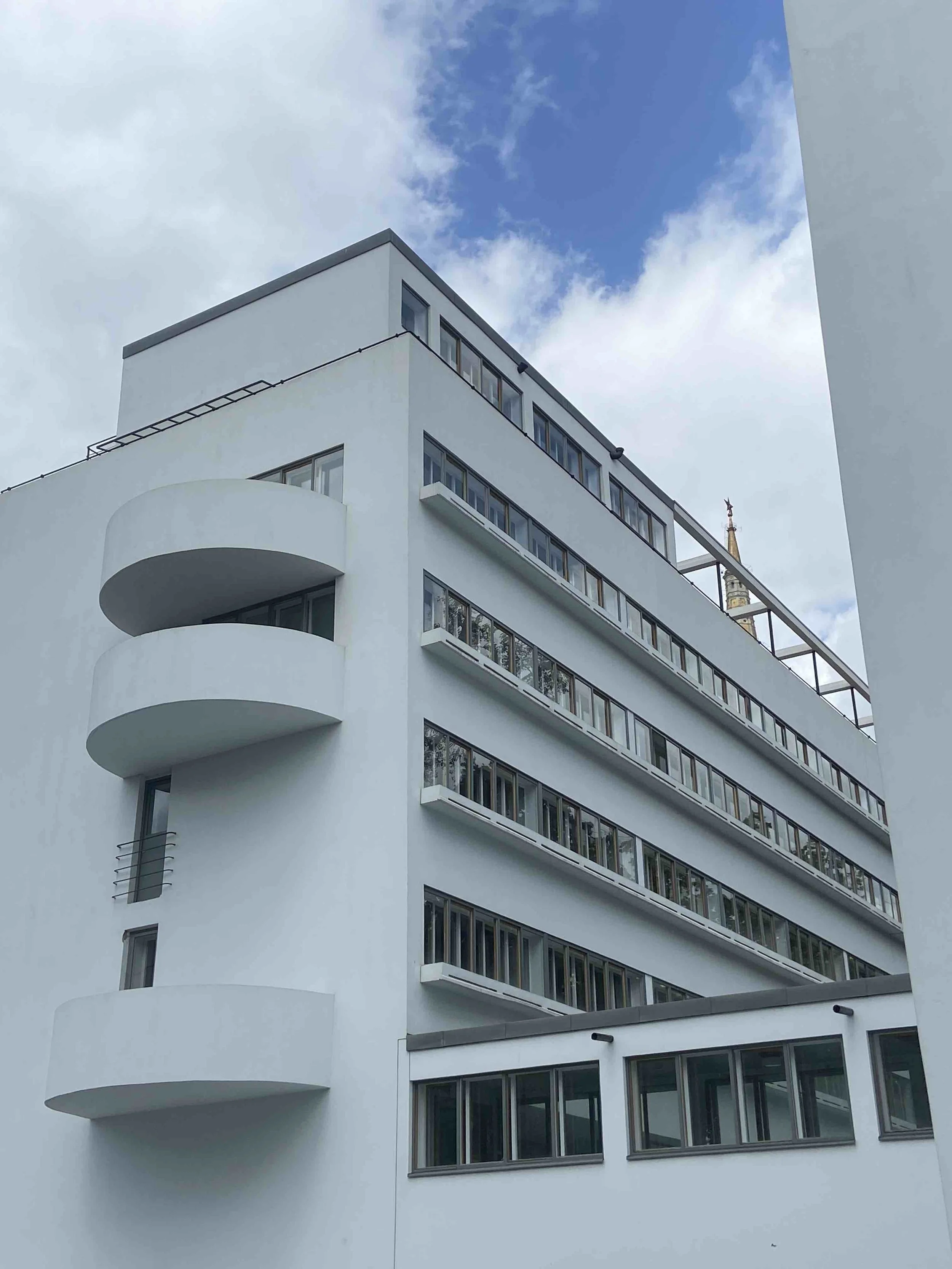
Another design style seen in Moscow’s architecture is Brutalism. The Tsentrosoyuz House, which now houses the Federal Statistics Agency’s office, and the Narkomfin House, made by Moisei Yakovlevich Ginzburg in 1929 - both mirror Le Corbusier's key principles: ribbon windows, curtain-wall façade, pilotis, free floor plan and flat roof. The latter, whose structure was designed to enhance communal living was built at a time when women were drifting from traditional roles and integrating into the workforce, and communal facilities such as kitchens, crèches, and laundries were thus included in building layouts, nurturing a socialist lifestyle and promoting feminist thought.
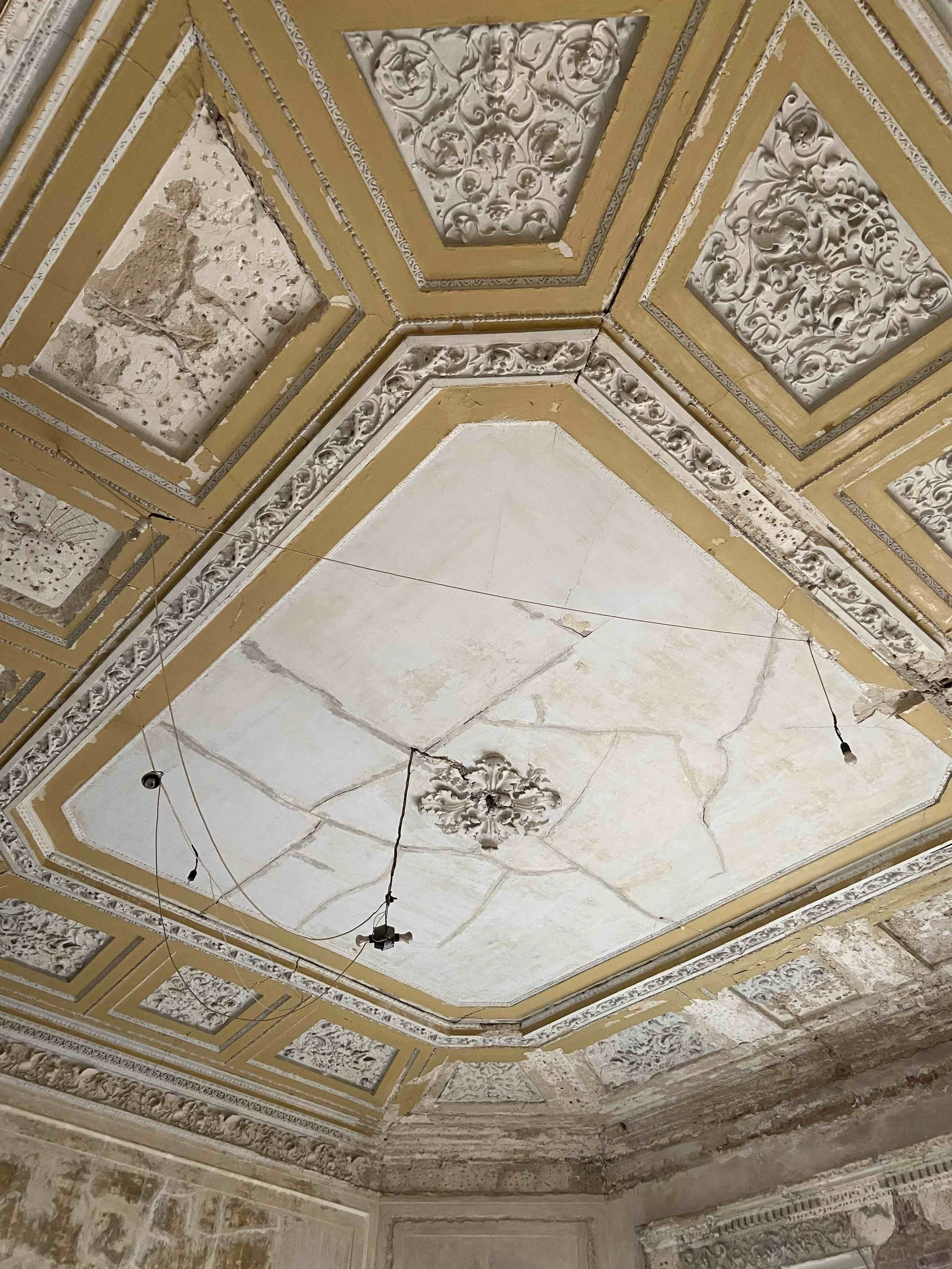
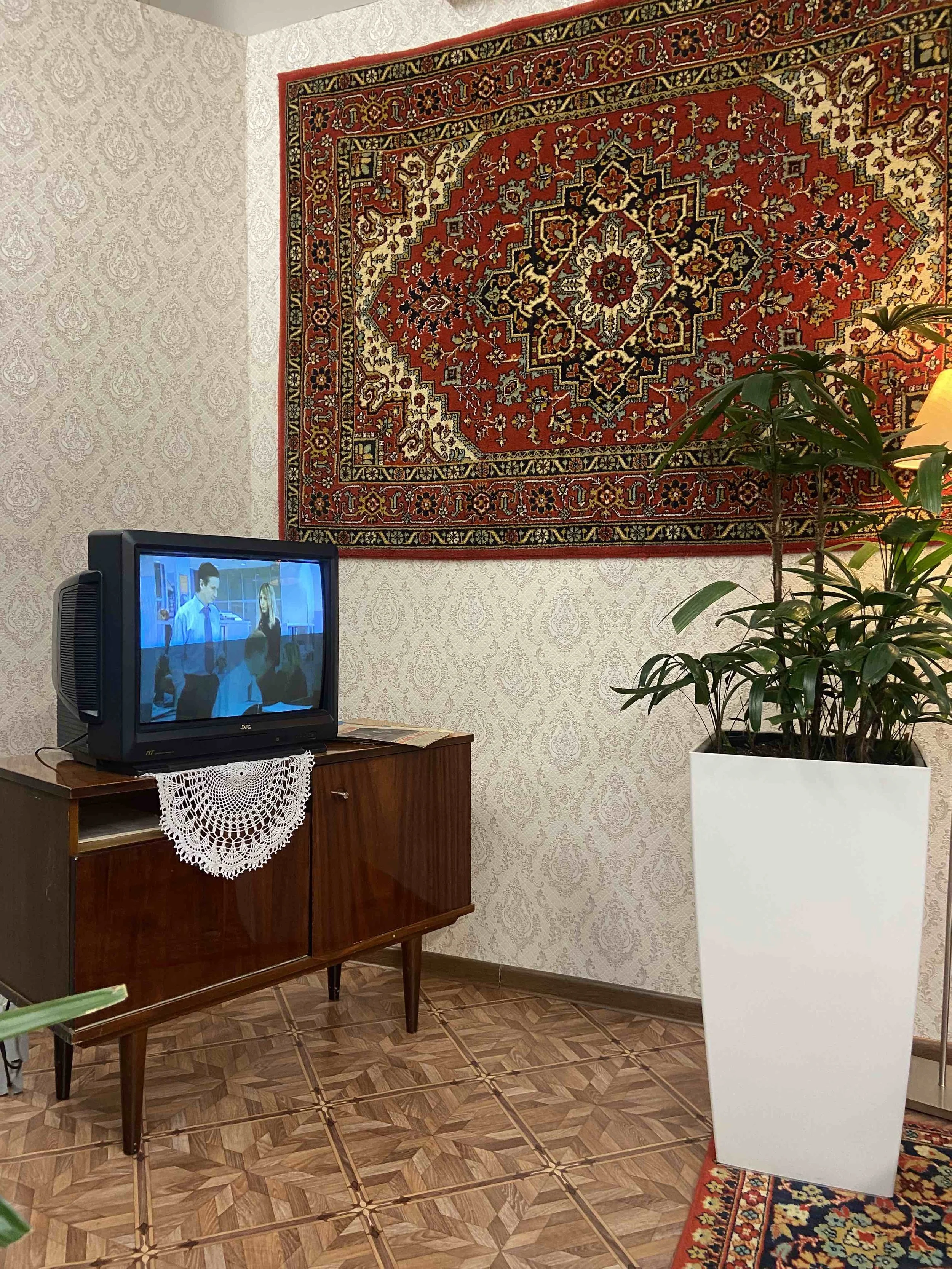
The kommunalkas or communal apartment blocks that emerged in Russia and Ukraine when the USSR faced an acute housing crisis are another crucial part of Russia’s architecture. Peasants and farmers who had given up their peaceful countryside village homes, flocked to them, sharing kitchens, laundries, bathrooms and toilets and slept together in single cramped rooms, while endlessly toiling in factories and adjusting to the new urban way of life, replete with conflict and commotion. Although many kommunalkas faded away after the introduction of reforms after Stalin's death, some of them are still in use in Moscow and St. Petersburg, while deteriorating and standing at the cusp of demolition and redevelopment. Remnants of the Soviet Era are even now seen in some of Moscow’s building interiors wherein carpets are still hung on walls to eliminate sounds emanating from the thin walls, alongside aesthetic wallpapers and minimalist furniture.
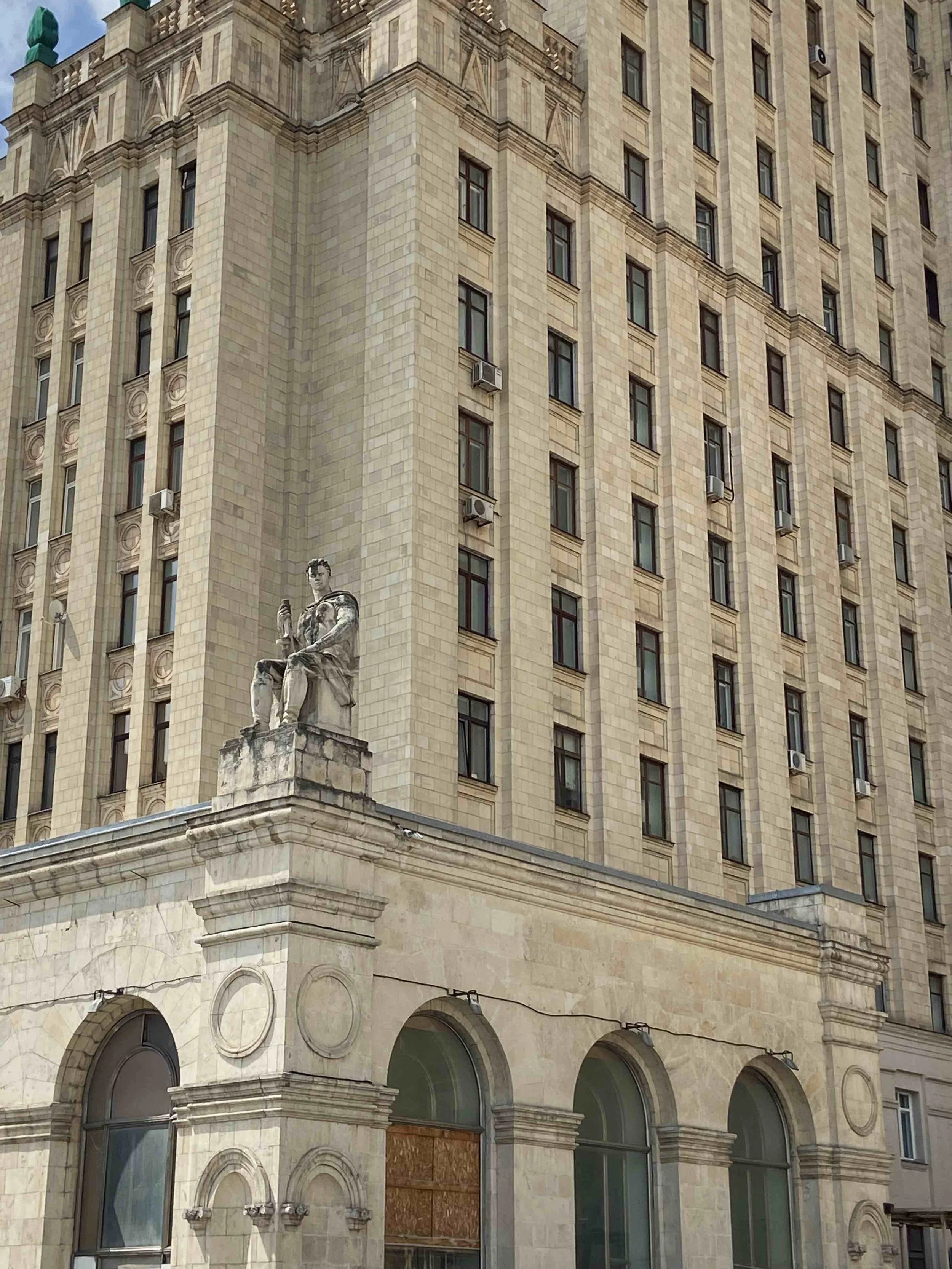
Moscow’s vibrant architectural palette also comprises buildings designed in the Art Nouveau style by Fyodor Schechtel - the Levenson Printshop, Zinaida Morozava House and the Gorky Museum, also known as the Ryabouchinsky House, which is now dedicated to the life and work of the popular Russian writer, Maxim Gorky. The set of seven skyscrapers - the Seven Sisters in Moscow, built during the 1940s and 1950s is another indispensable structure, built in the Stalinist style wherein Russian Baroque and Gothic styles fuse with Neo-classical elements and technological inputs sourced from New York’s skyscrapers.
The Slow Charm of Vladimir-Suzdal
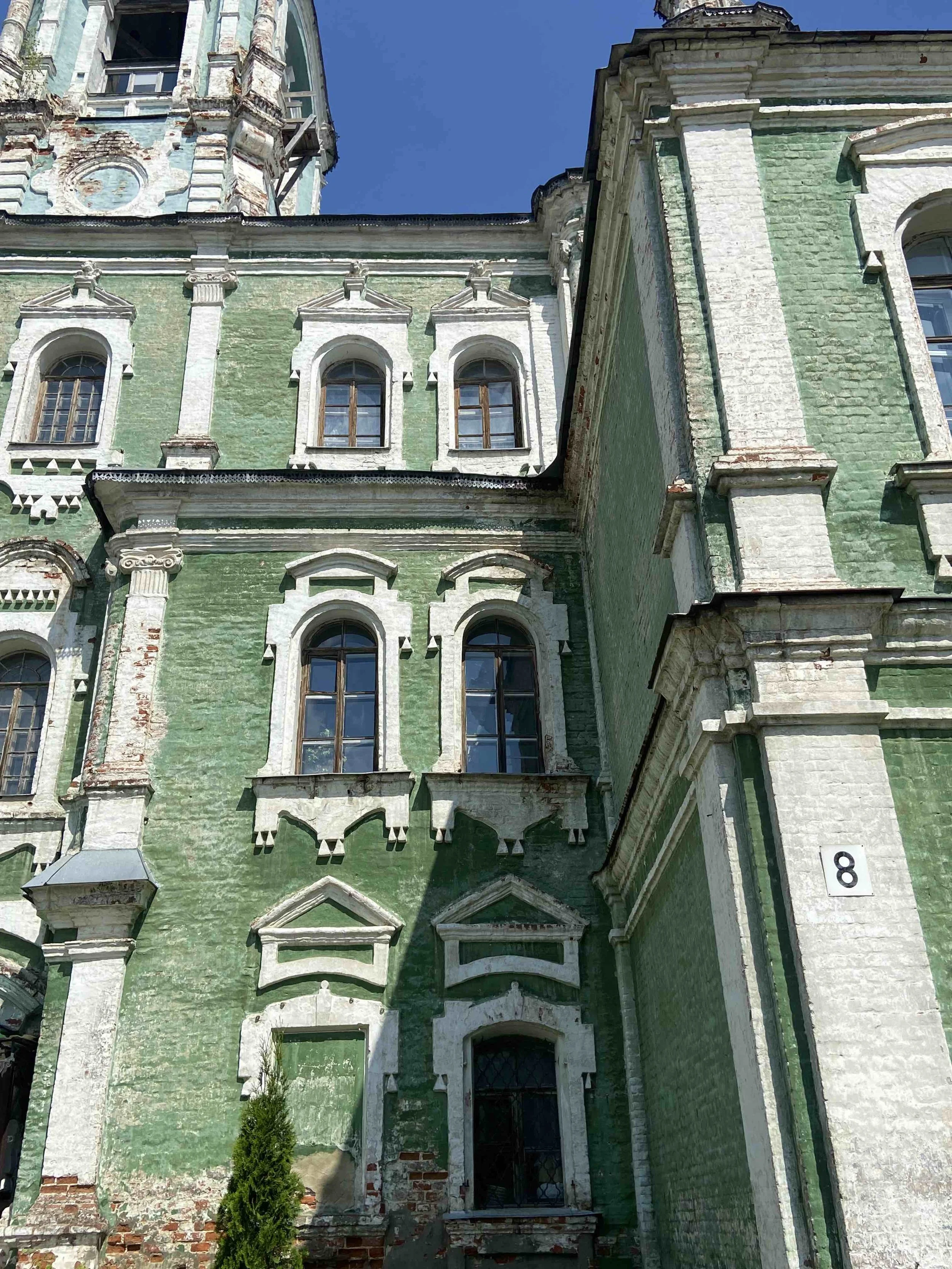
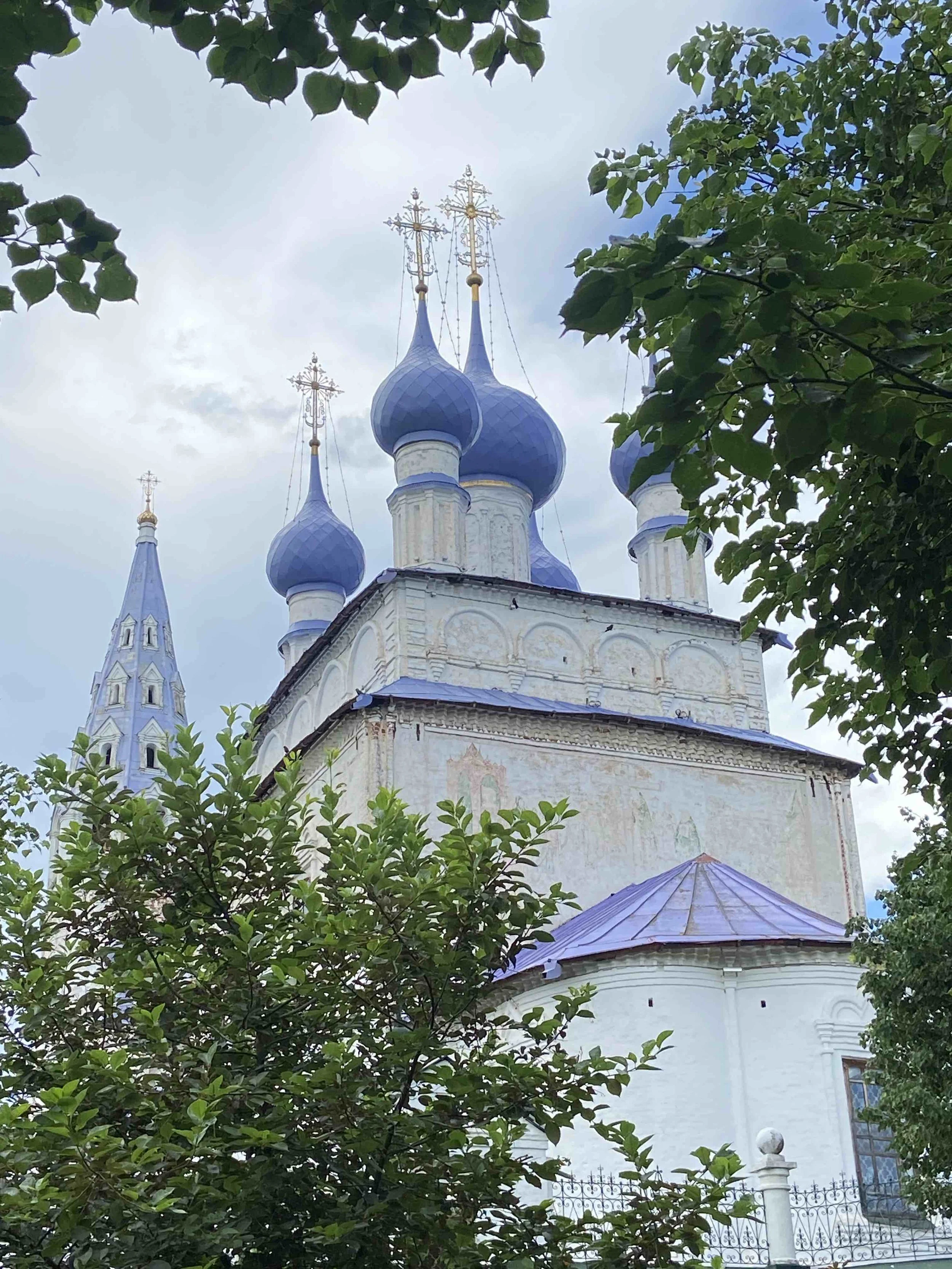
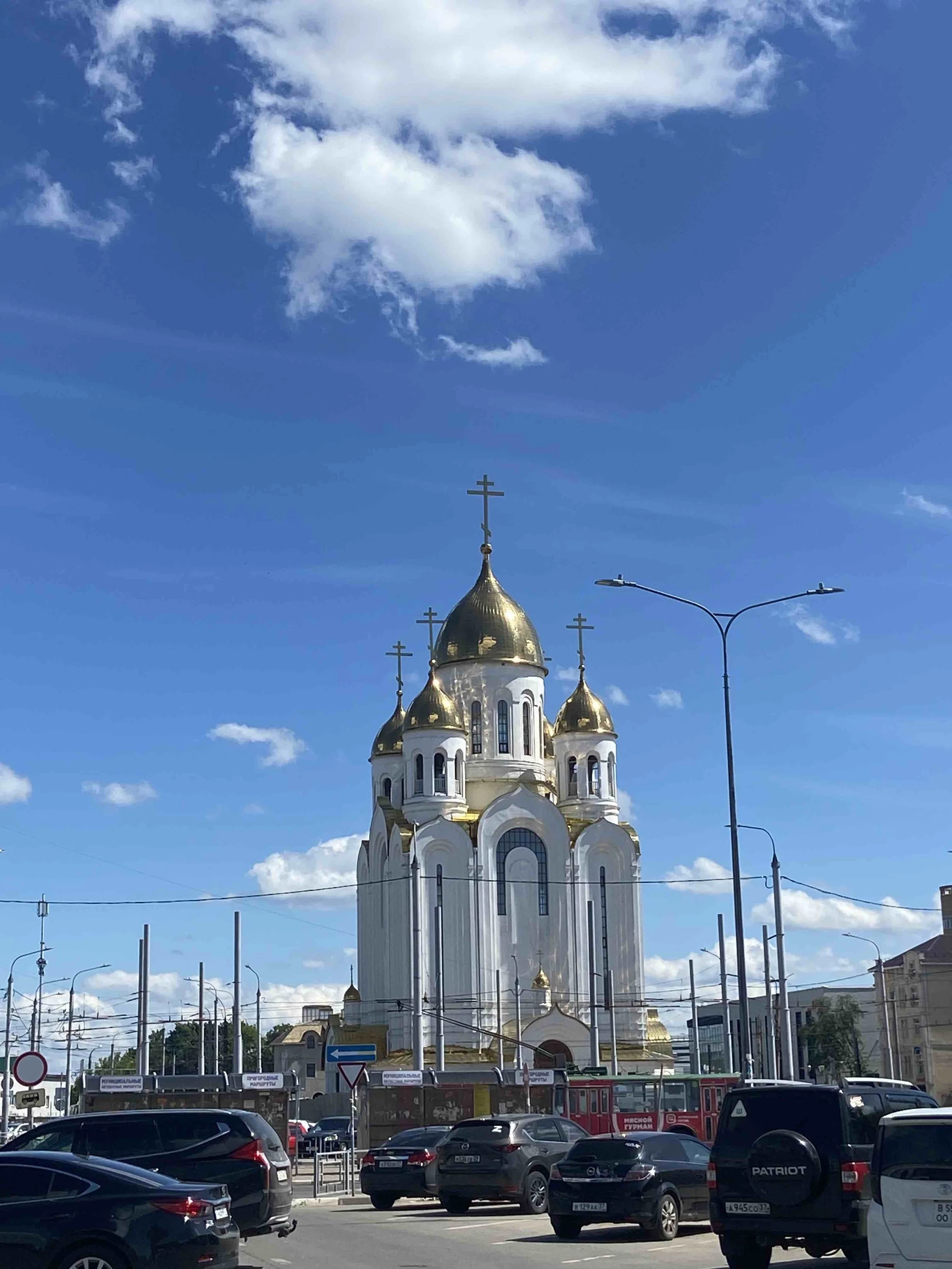
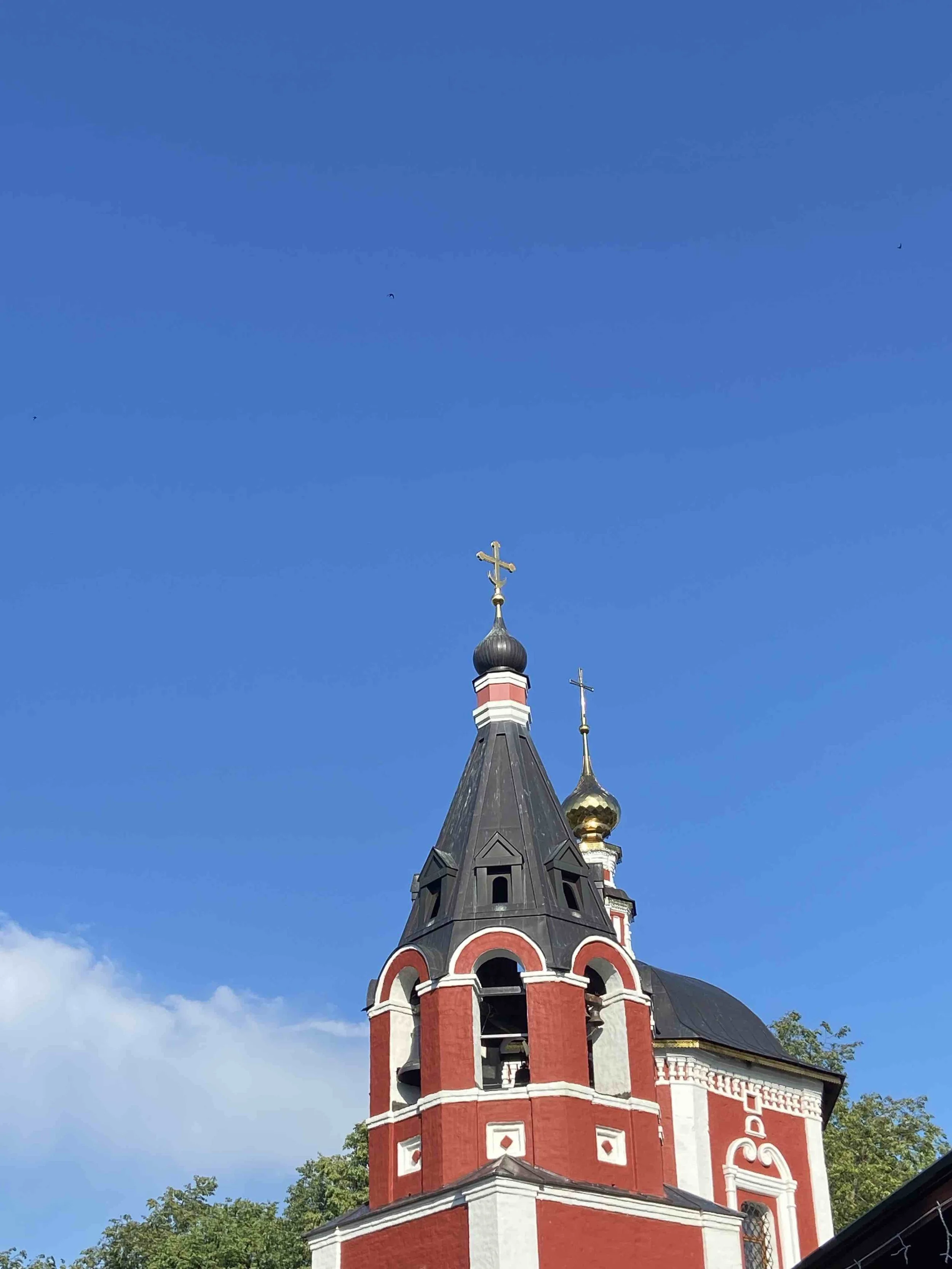
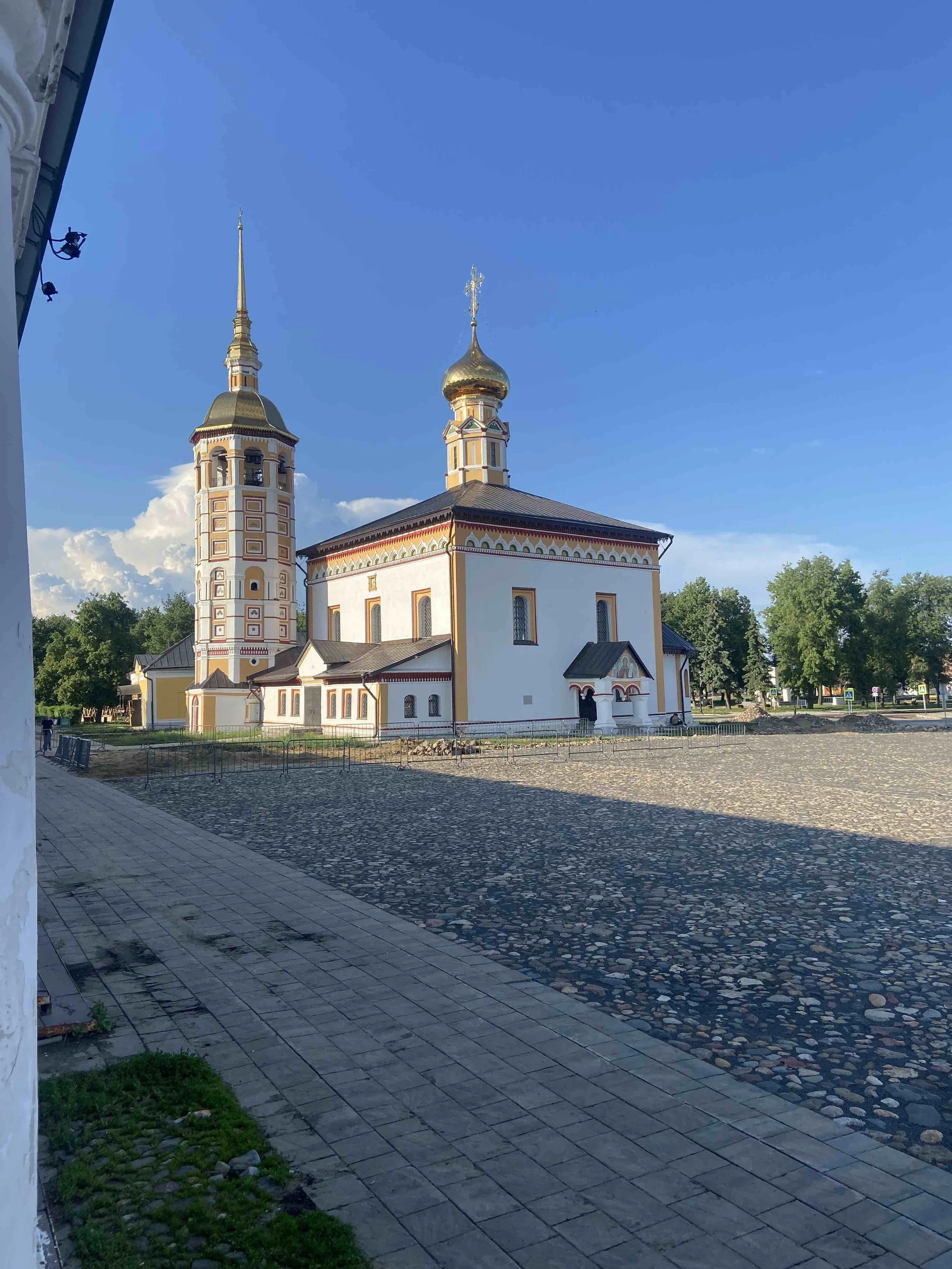
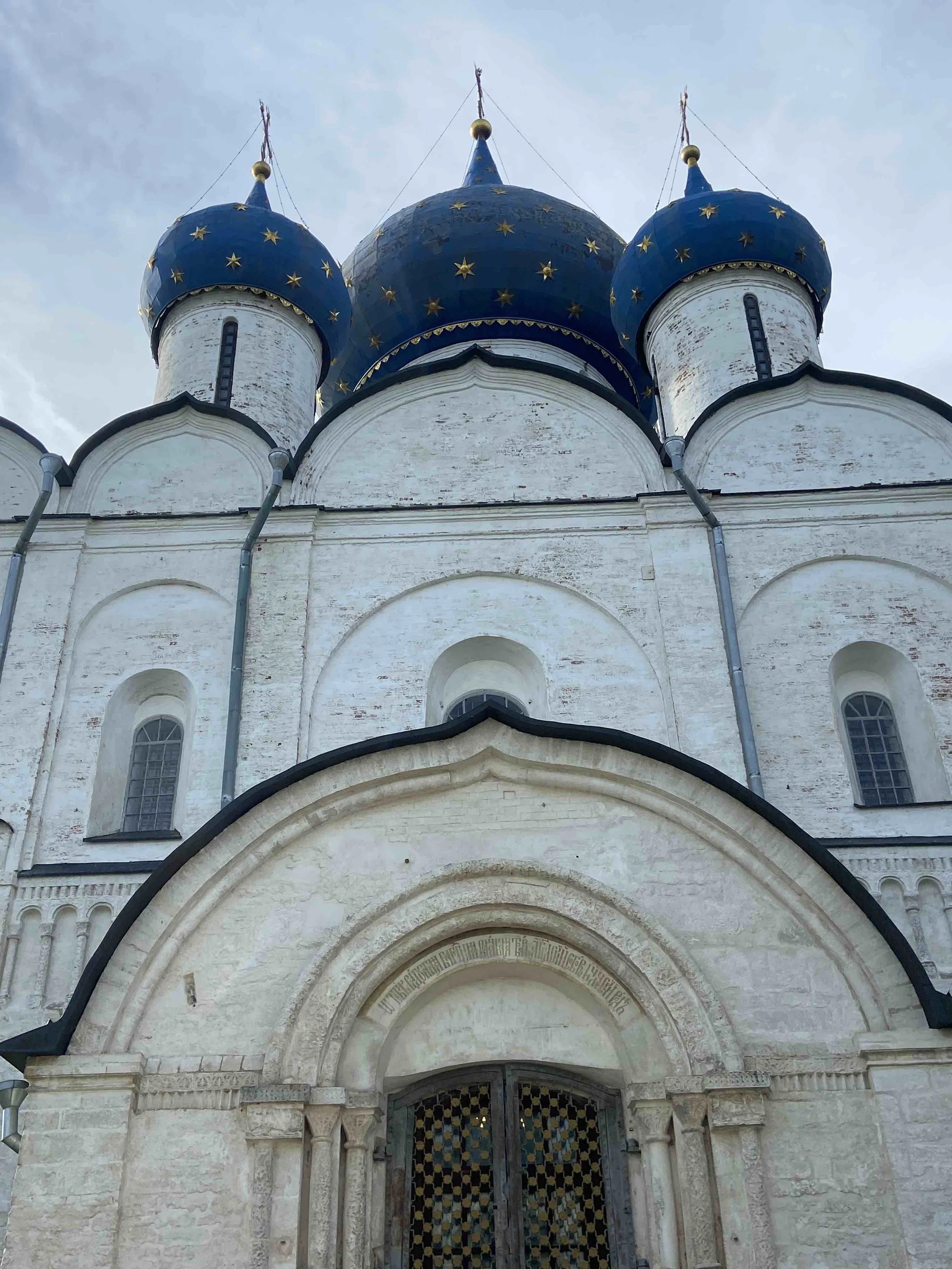
As one drives past green fields in the countryside towards Suzdal, a city in the northeast of Moscow, its serene and primitive vibe makes for an intriguing discovery. While spotting monasteries, cathedrals with golden onion-shaped domes rising into the clear skies, it becomes clear that Russia’s past still lingers in its present. The Dmitrievsky Cathedral, with its carved limestone decorations and the Church of the Intercession on the Nerl, dating back to medieval times, with their white facades and lightness show how the architecture of Vladimir-Suzdal embodies the genius of their architects who wanted to establish harmony between their buildings and the landscape.
Throughout Russia, it is evident that its architecture and society have experienced a wide range of shifts in the ebbs and flows of time, leading to distinct styles being enmeshed alongside and often within each other. From the spiritual icons of Andrei Rublev to the Constructivist innovations of Vladimir Tatlin, the legacy of Russia's artists and architects is a testament to the resilience of human labour, creativity and vision. Russia suitably shows how cross-cultural exchanges of knowledge, ideas and aesthetics lend places, their identity, specificity and character. Its experience manifests that it is a country that has been defined by extremes – of abundance and erasure, ambivalence and certainty, and conformity and individuality – a world with many worlds floating within it.