Travelling through Time, Trade Routes and Traditions
Time is a gulf that separates me and you–
From the seas and the skies, I borrow blue,
And paint our dreams and desires a distant hue.
Civilisations rise and fall, kingdoms come and go,
It is written. For now, let’s seek the language of lovers,
From the empire of Nabataea to the land of Pharaohs.
Time is a gulf that separates mine and yours.
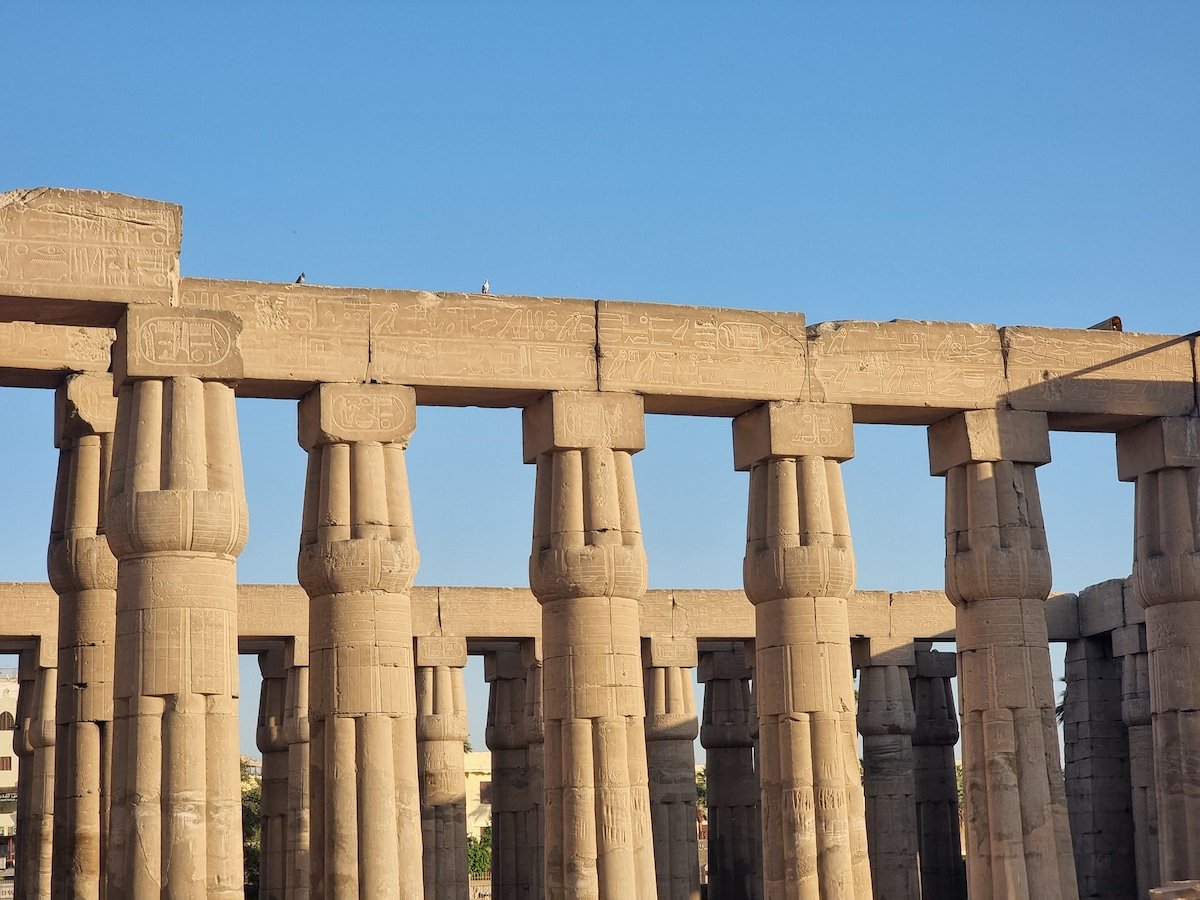
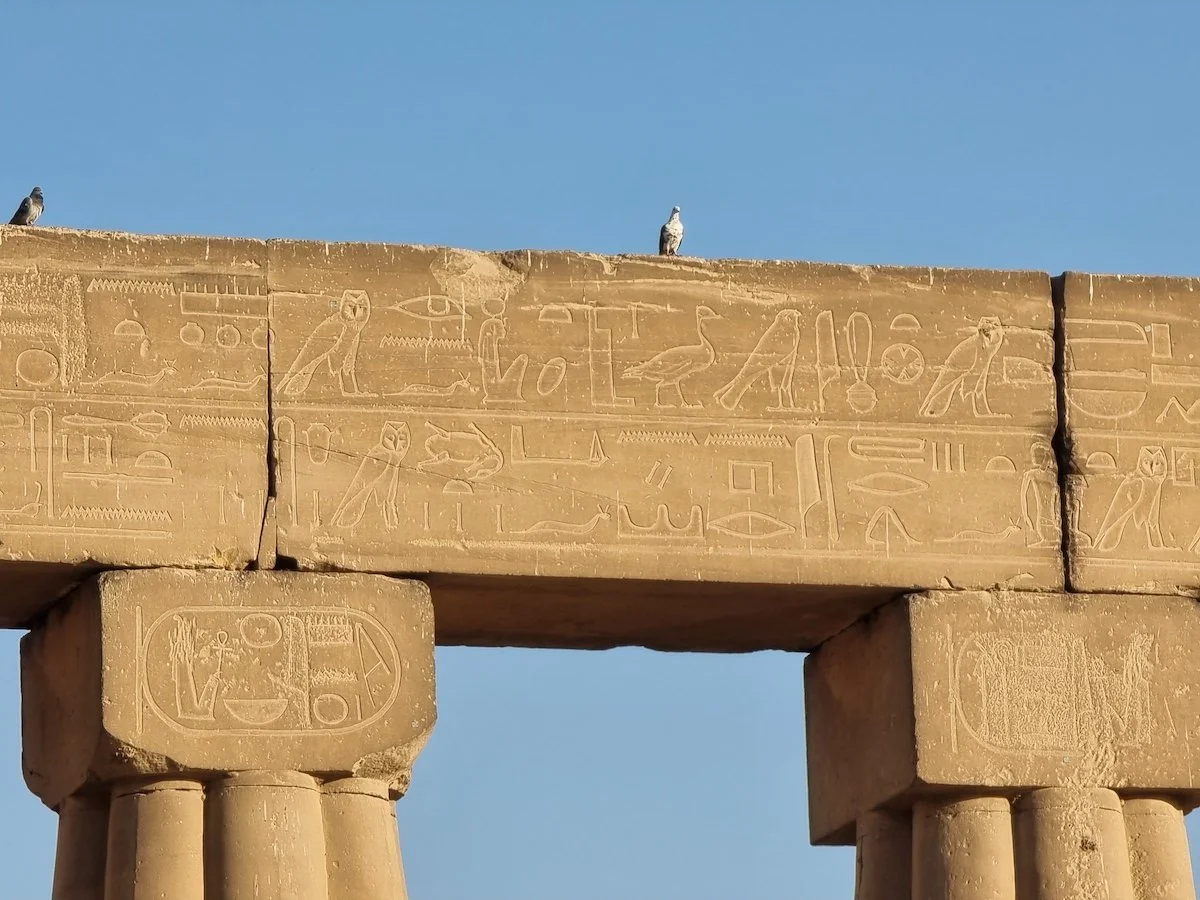
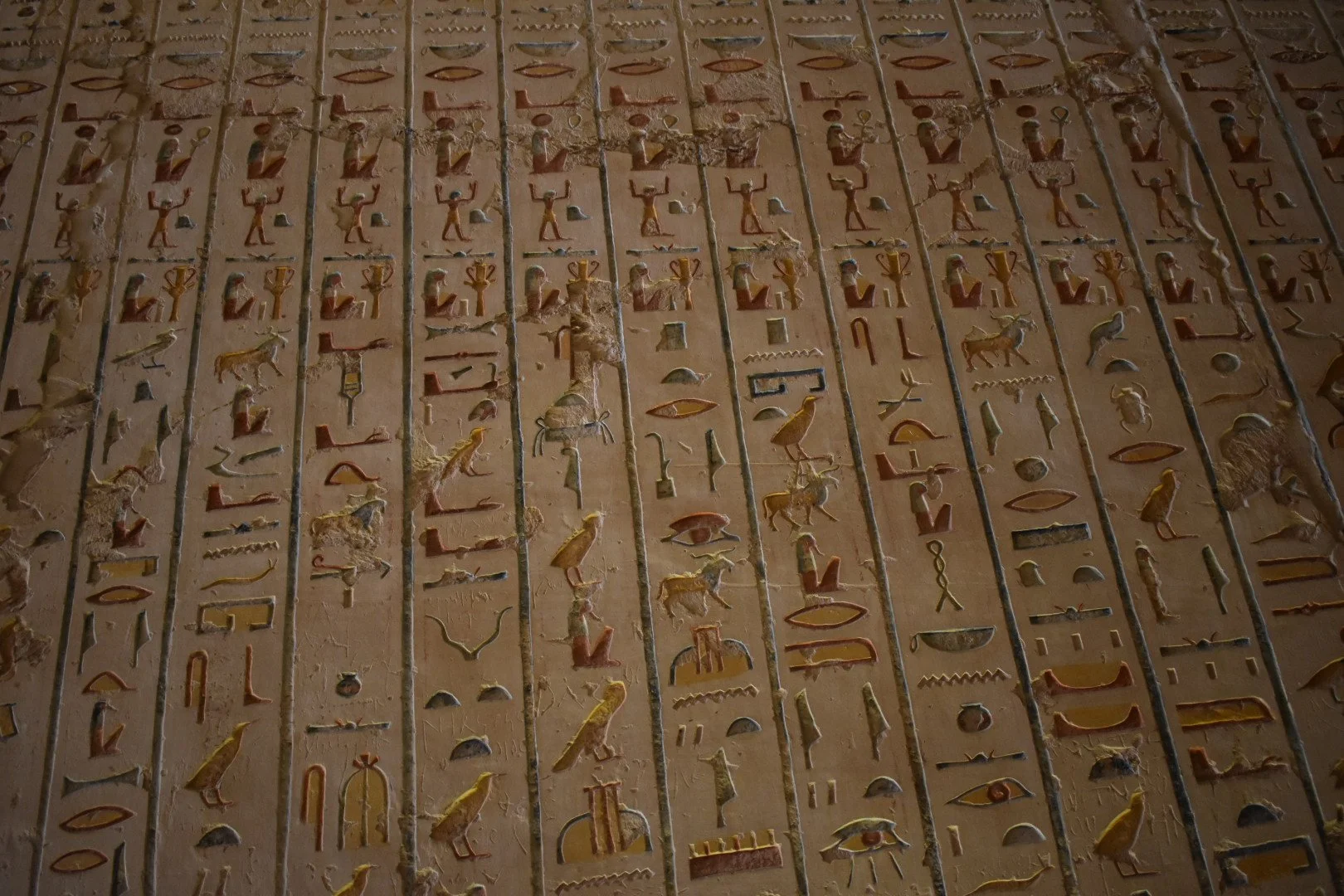
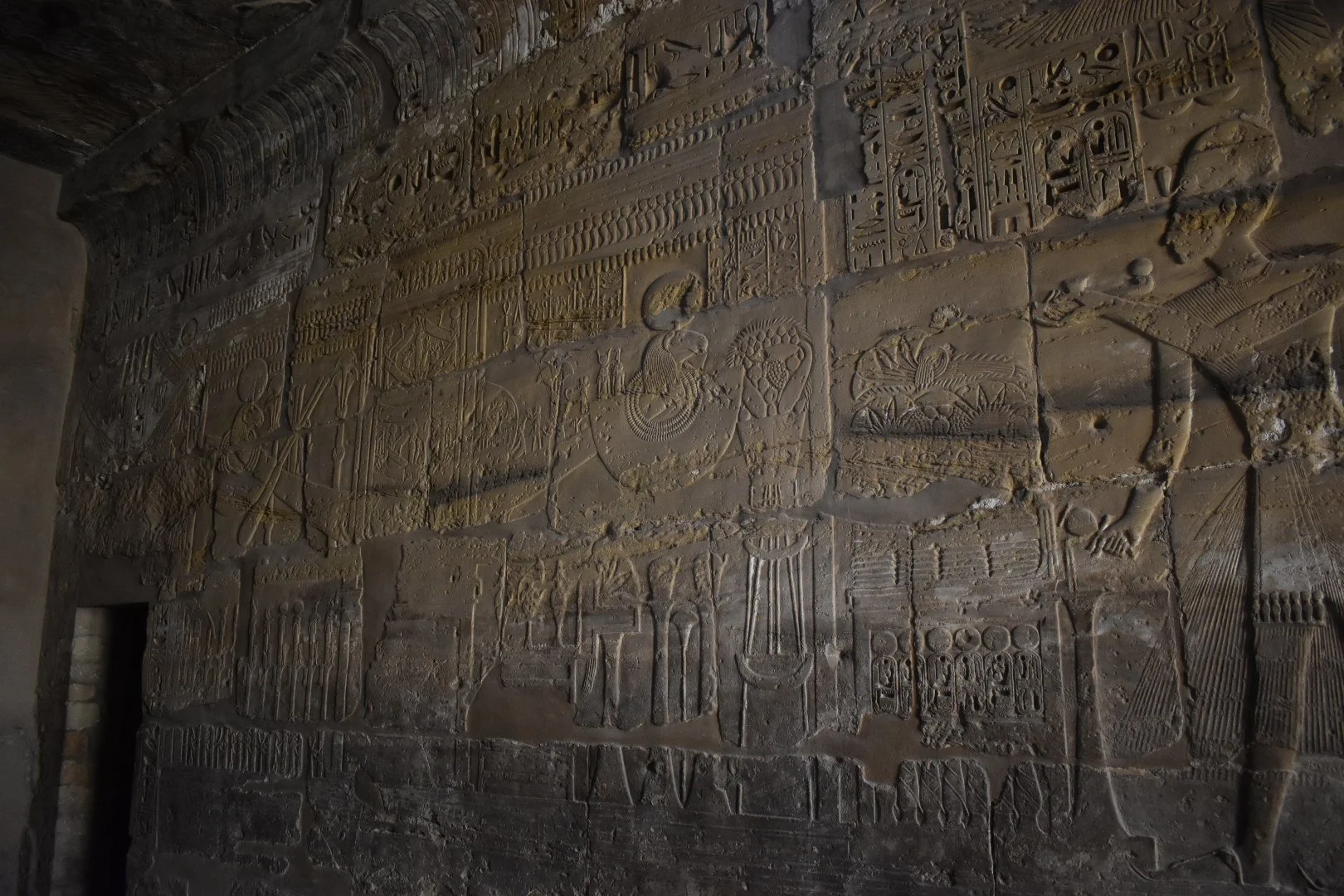
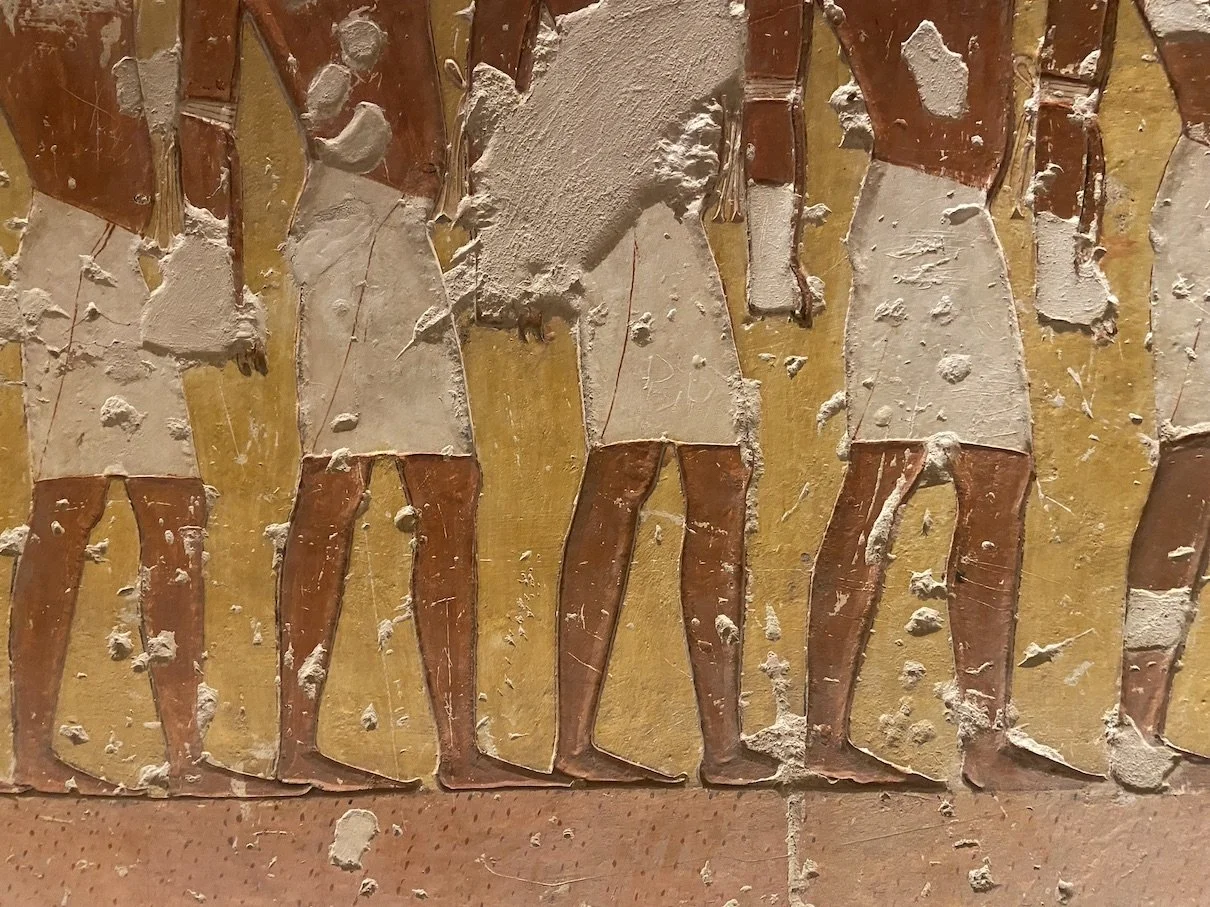
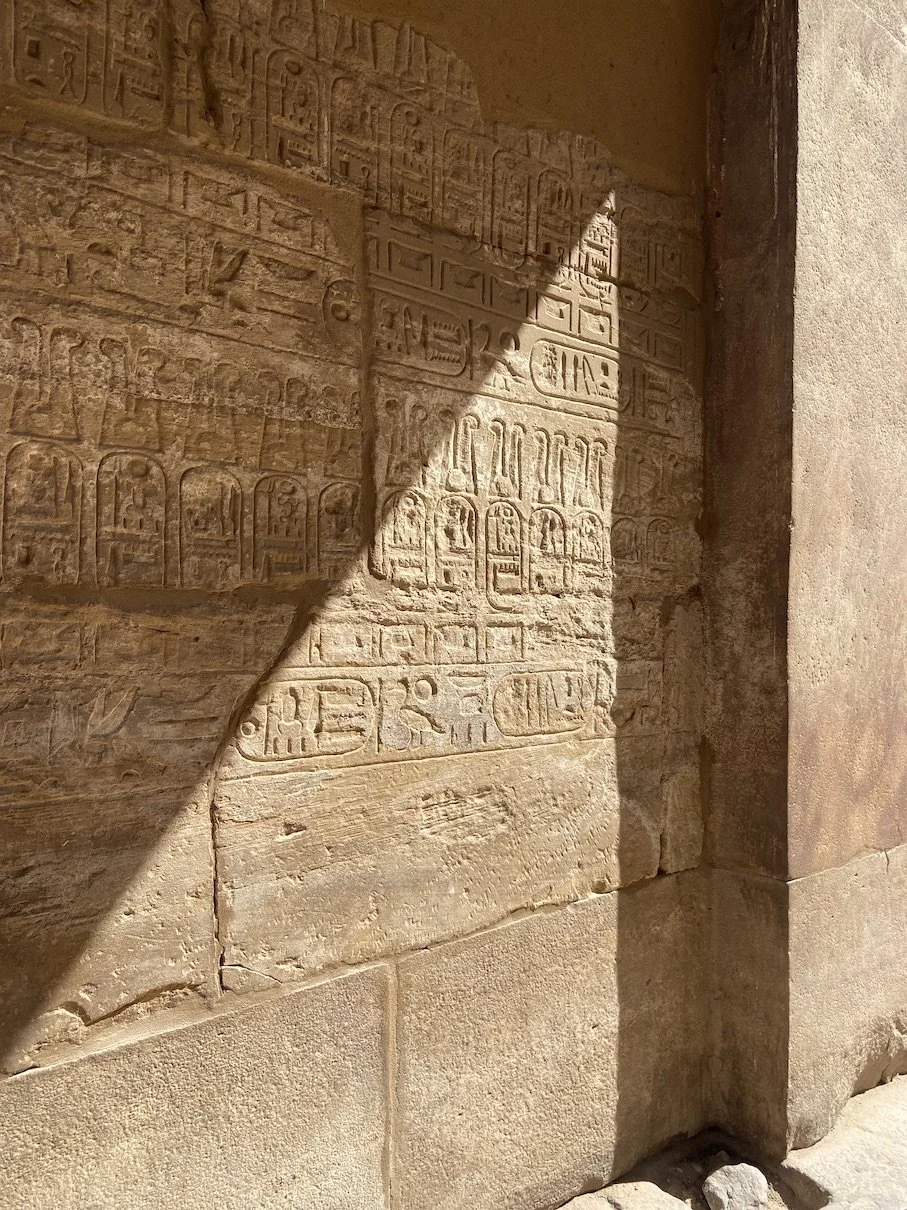
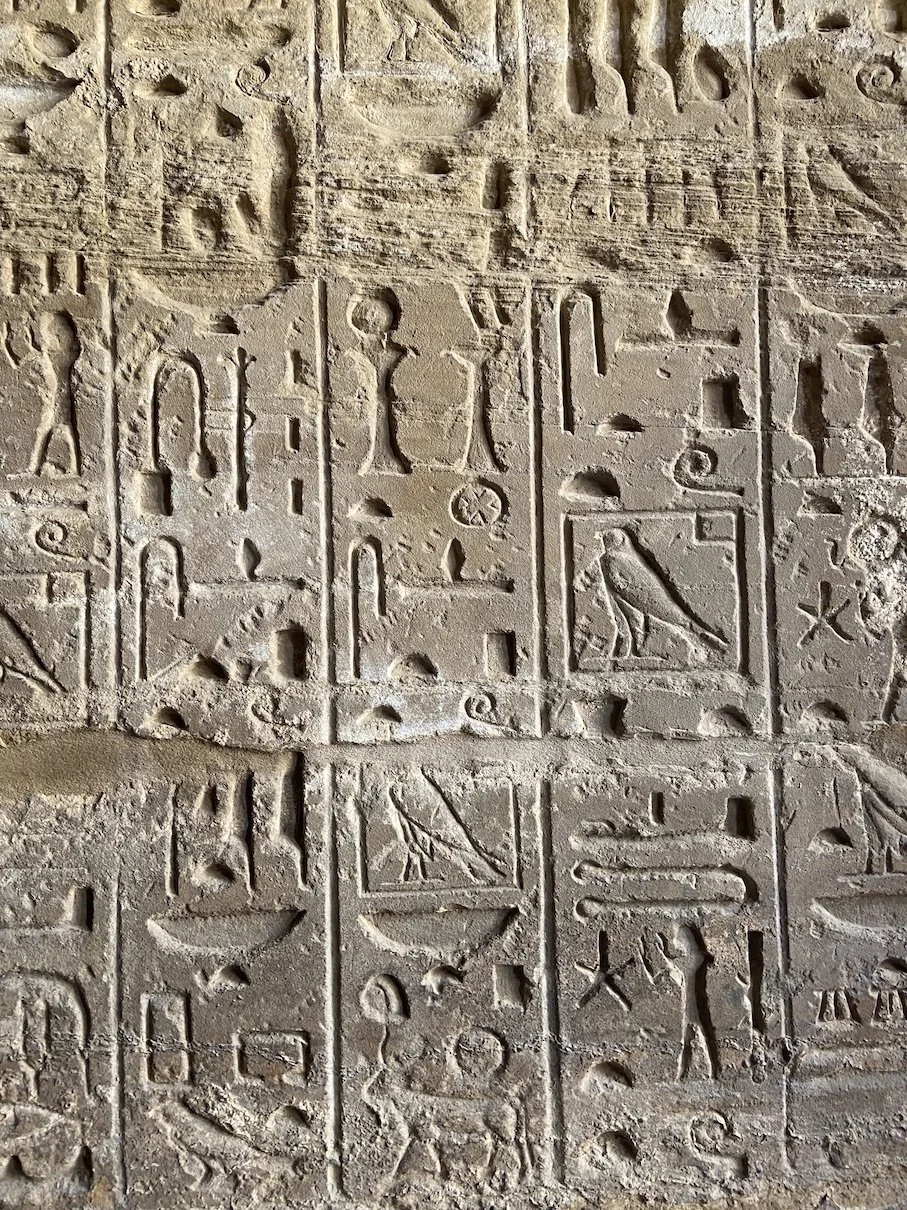
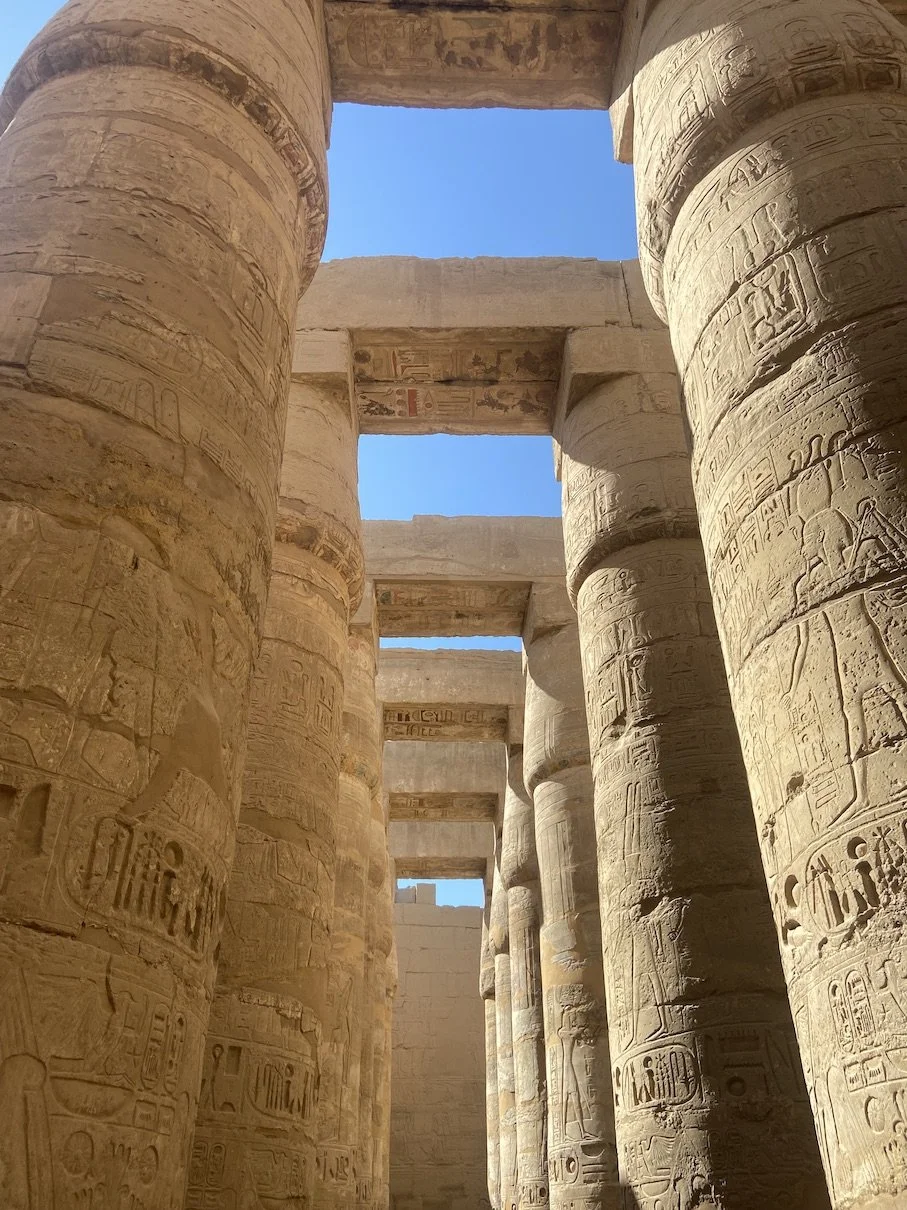
Travellers who love to trundle around the pages of history, flipping through bygone eras, and sifting for stories and secrets can also evolve into spiritual seekers who traverse across cultures, looking for connections between the essence of a place and the humanity that binds us all. The azaan heard while walking in the bustling market of a faraway land can remind you of the muezzin in your hometown whose calls for prayers were embedded in the everyday of your childhood. The roads that you take today can lead you to caverns of history, tracing hieroglyphics carved on rock walls — a sojourn through ancient traditions to face the future and prize the present.
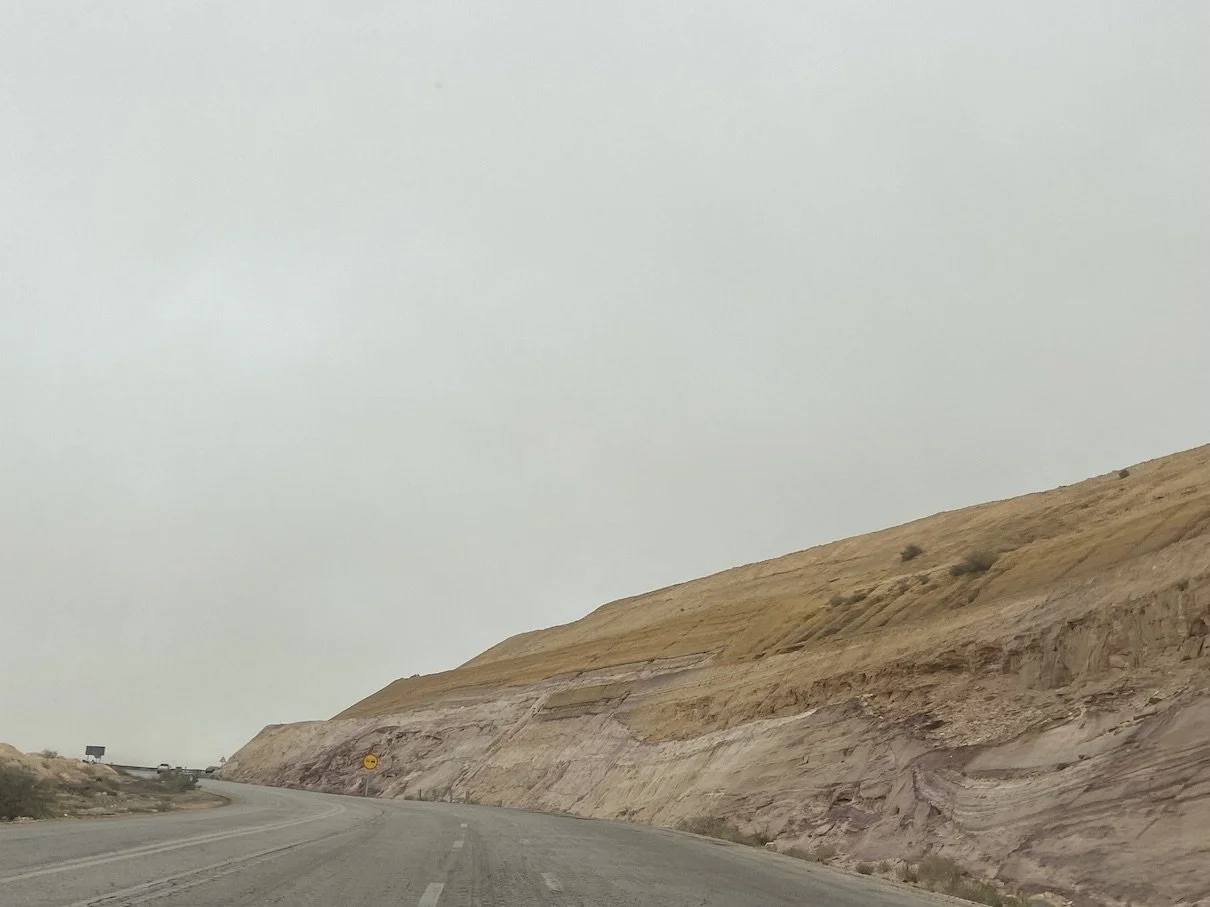
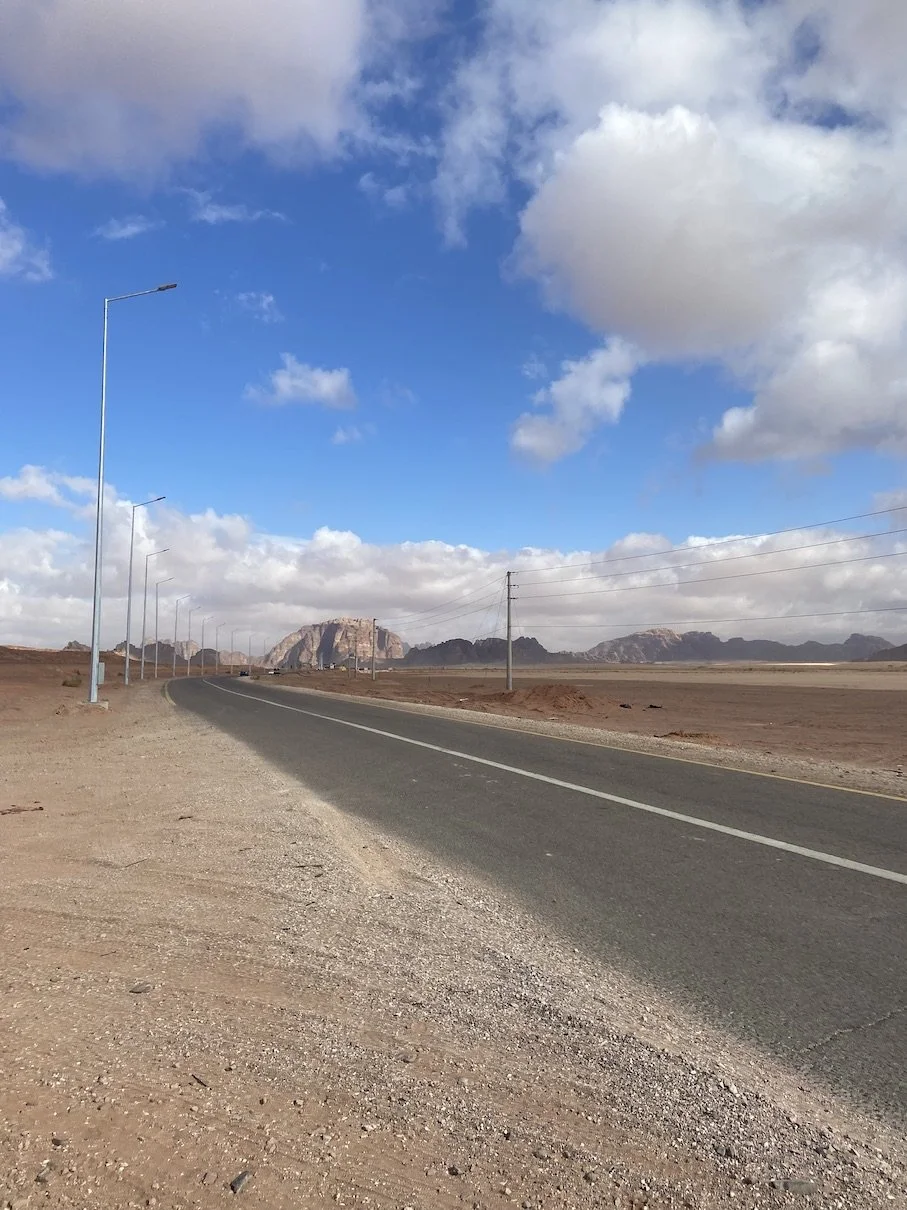
The roads taken by travellers and traders keep coming back in cultural conversation, one such route was a trade route called the King’s Highway. Driving through the highway, crossing through surreal wadis, the mind wanders back to the time when the route was ruled by caravans and camels.
The King’s Highway
Known by other names such as the Darb ar-Raseef (paved road), Via Regia and Derech HaMelech, many wars were fought over the control of this route. Pilgrims and kings, traders and travellers, soldiers and storytellers, have lit campfires to drive away the silent darkness of the night and borne the glaring sun on their backs through the brightest of the days.
Considered the oldest continuously used communication route, it was used by Christian pilgrims during the Byzantine era and Muslim pilgrims after Islamic Conquest. The route is mentioned in the Book of Numbers, a significant text in the Hebrew Bible and the Jewish Torah. It ran from the north-eastern district of present-day Cairo, through the Highways 15 and 35 in modern Jordan, and finally to Damascus, the “City of Jasmine” in Syria and its river Euphrates.
It is believed that Moses saw the Promised Land from this road and so pilgrims came to find his burial site. They also come in search of the place by the river Jordan, where Jesus was baptized. Somewhere along the ruins, Salome performed her lethal dance and demanded John the Baptists’ beheading.
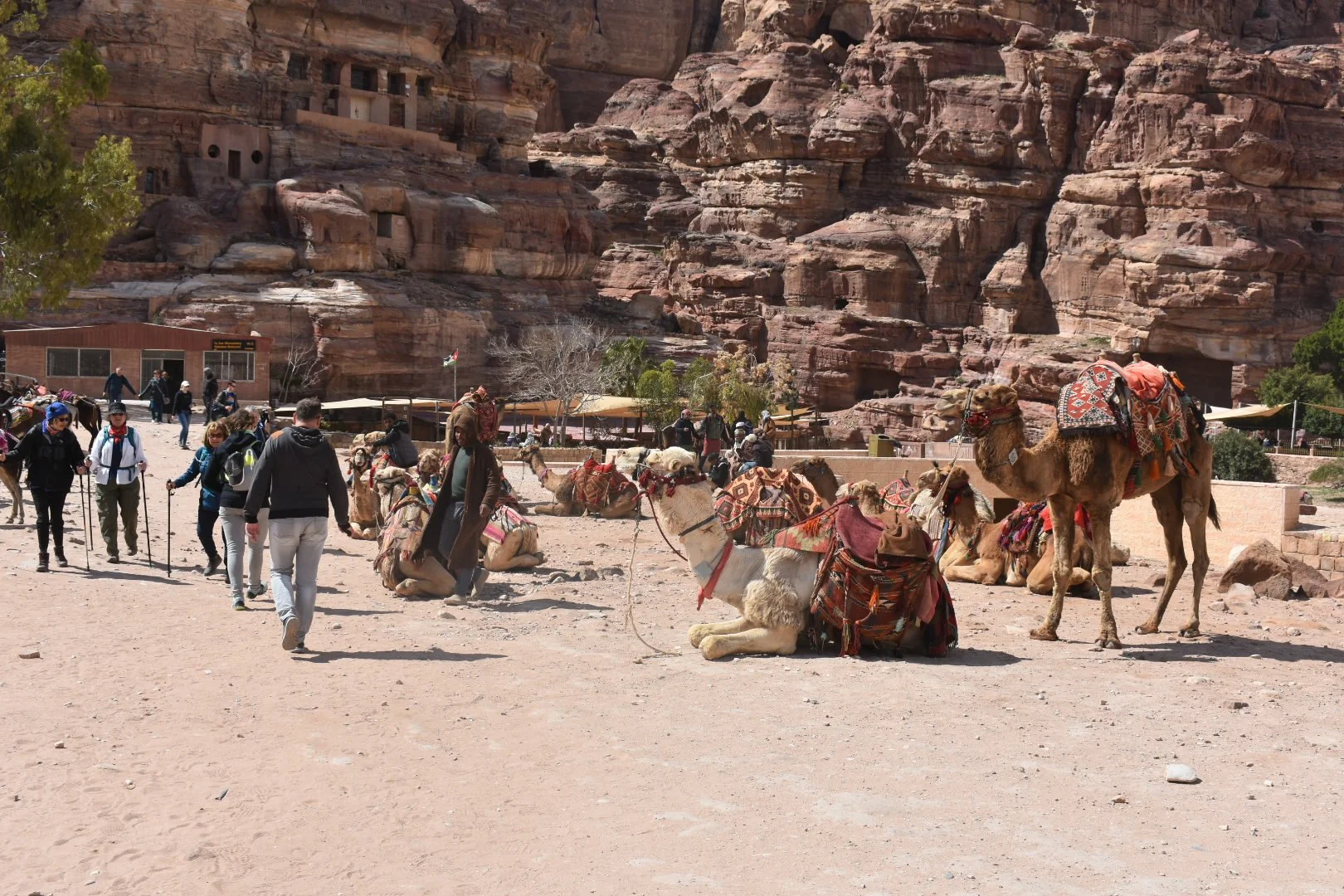
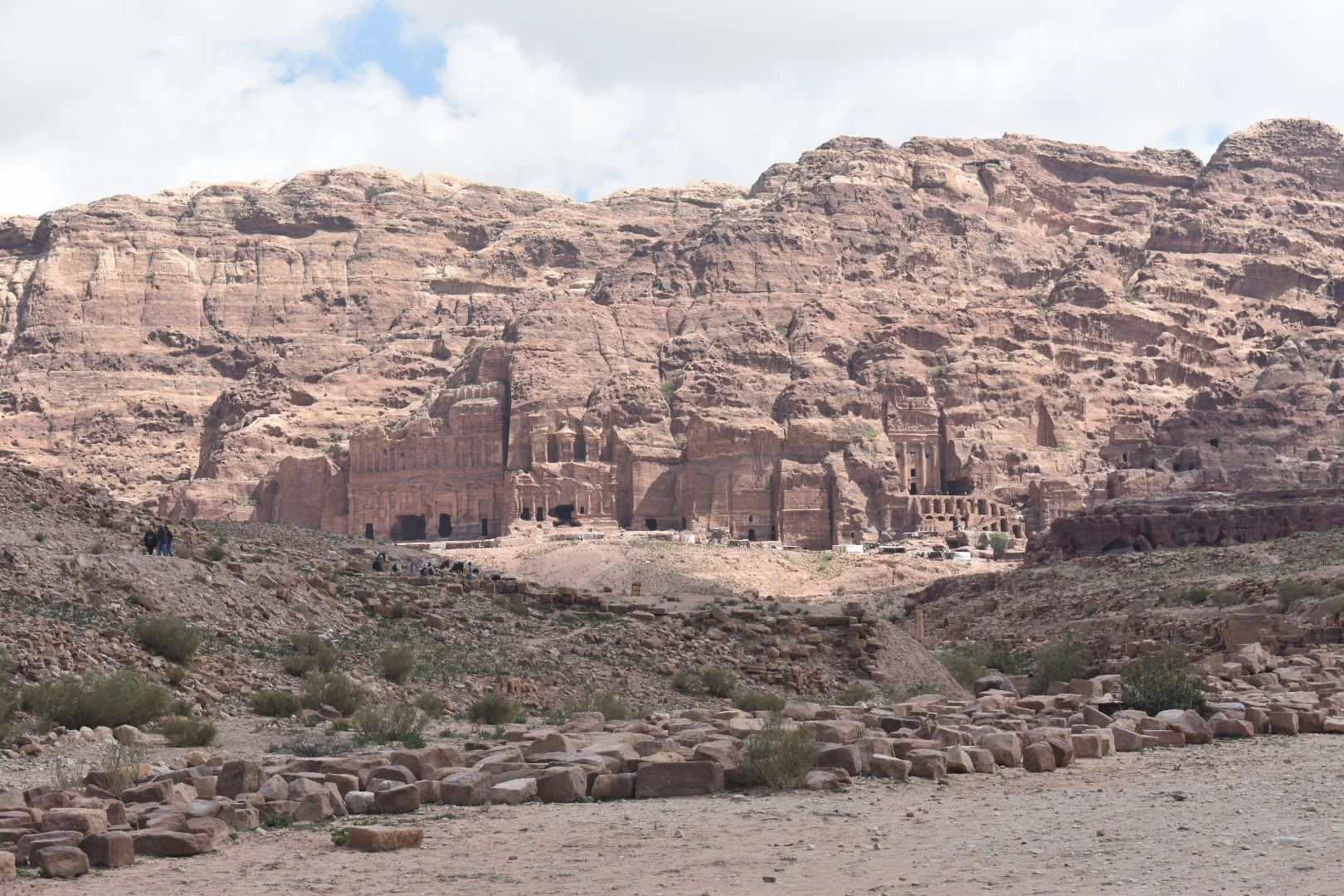
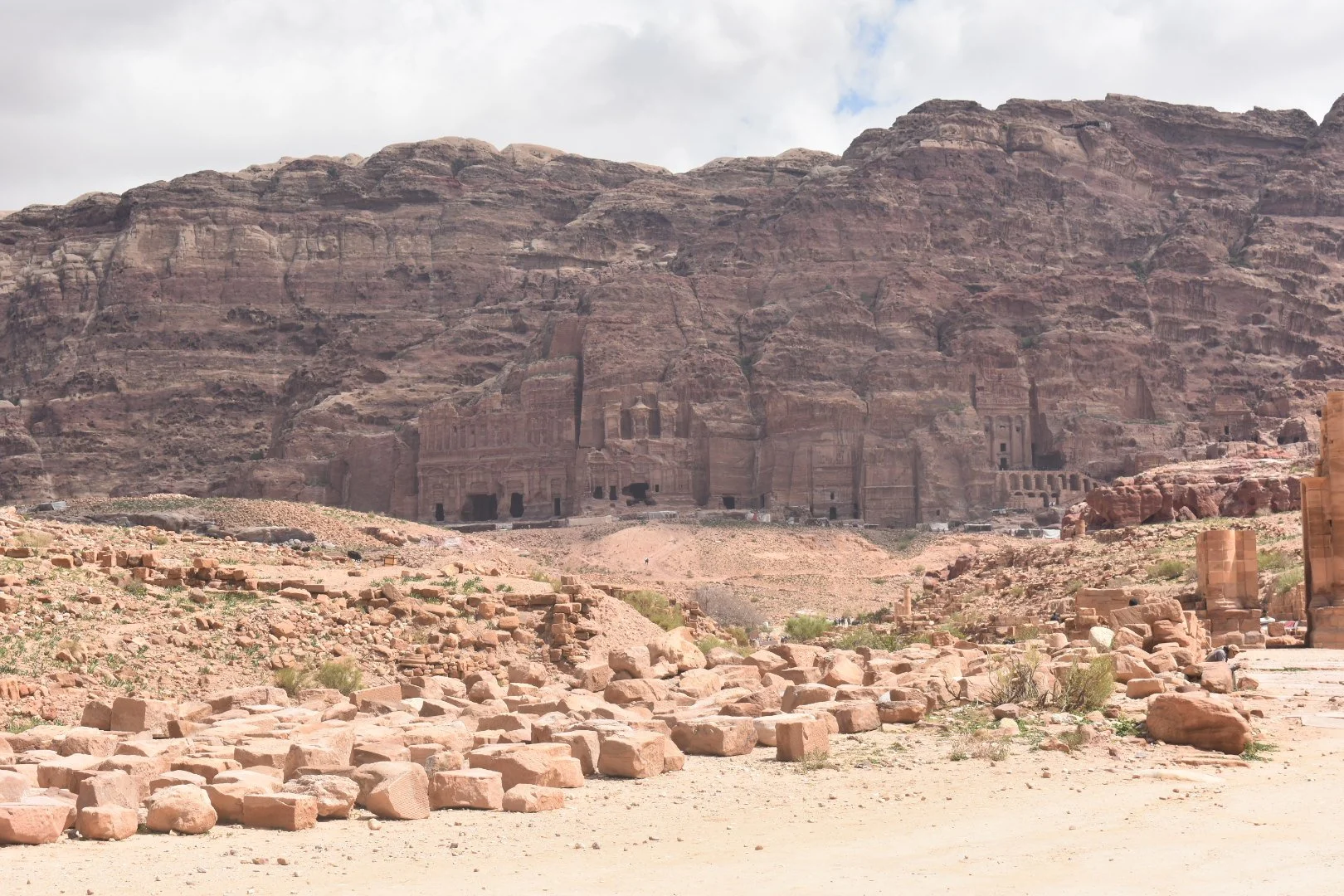
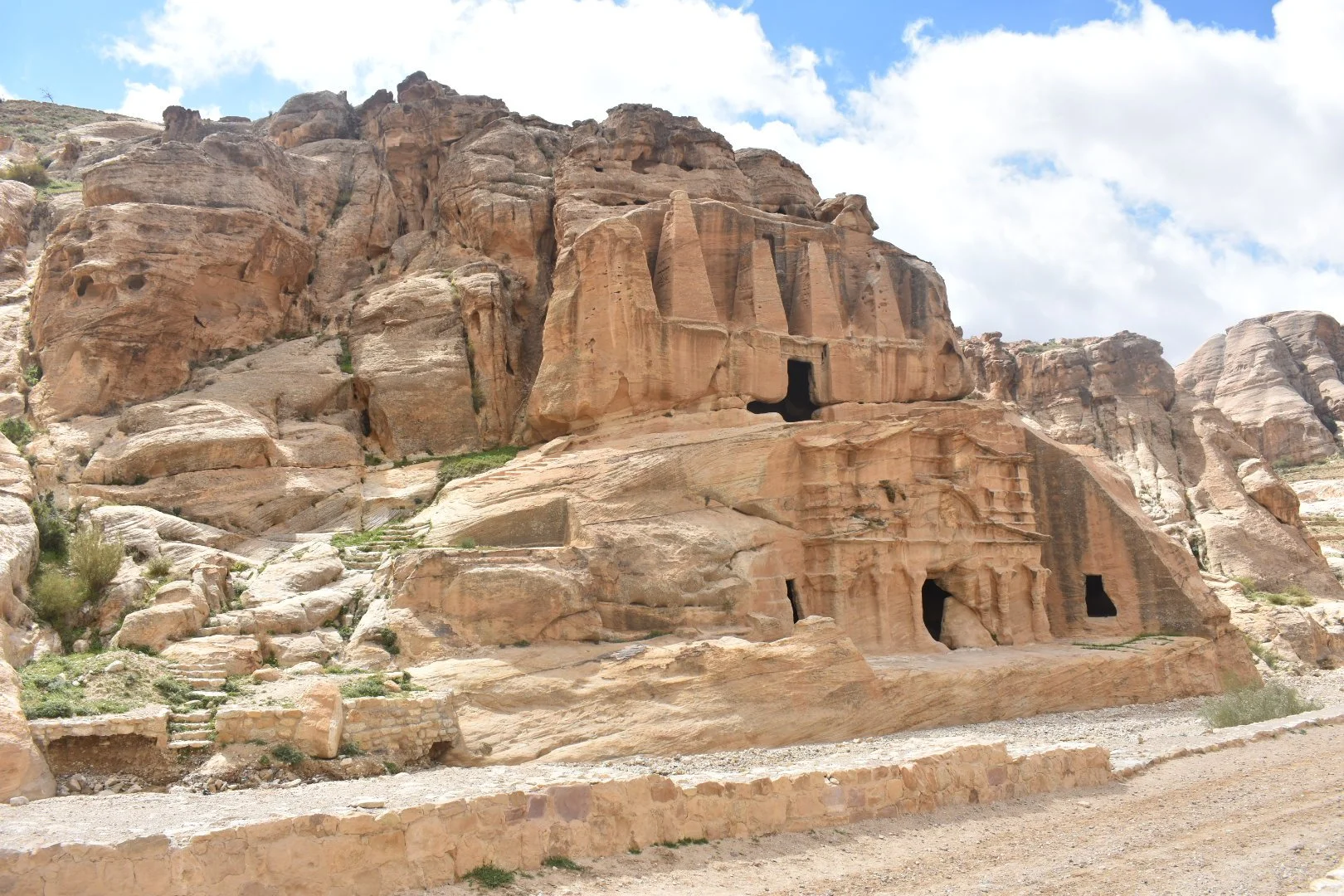
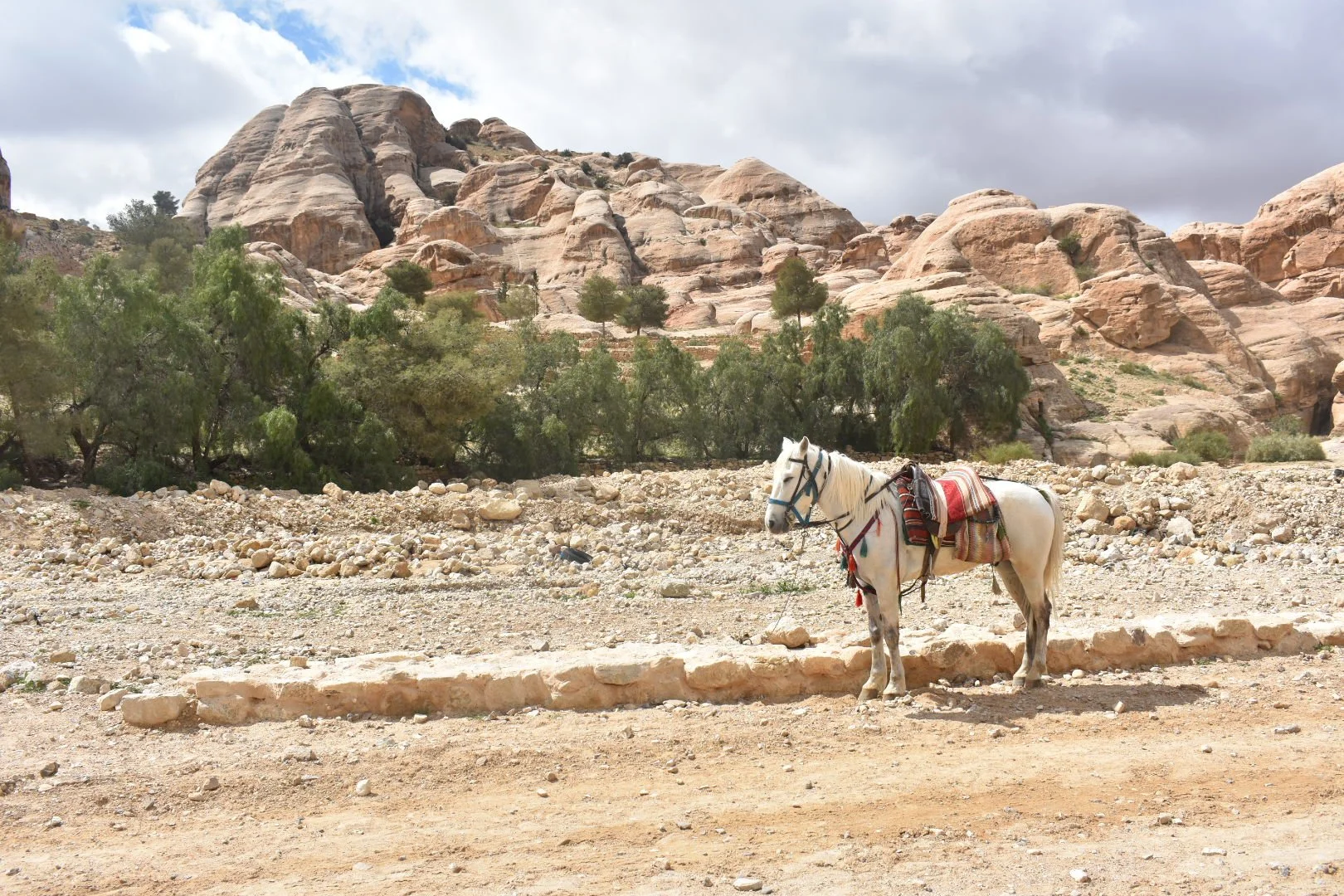
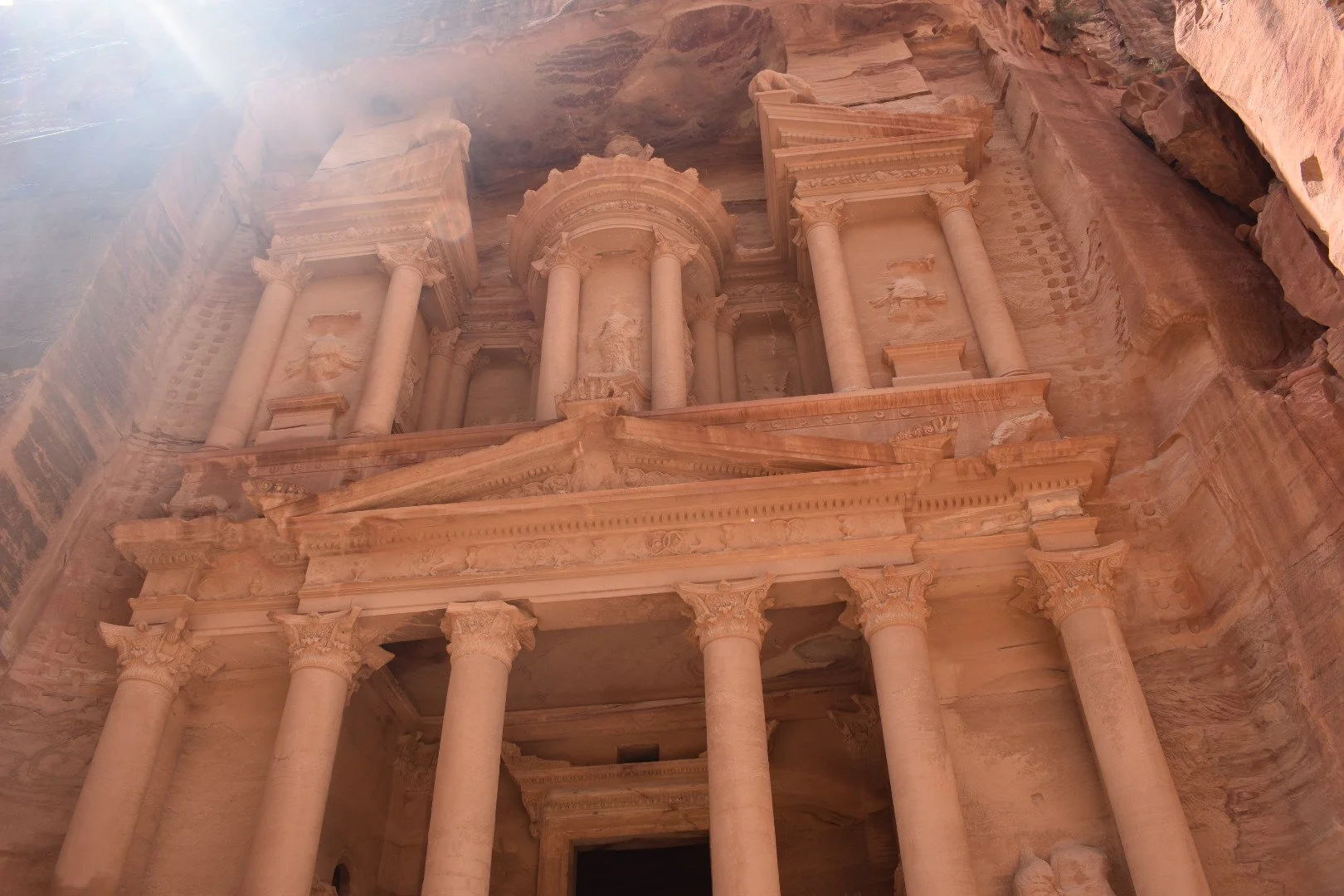
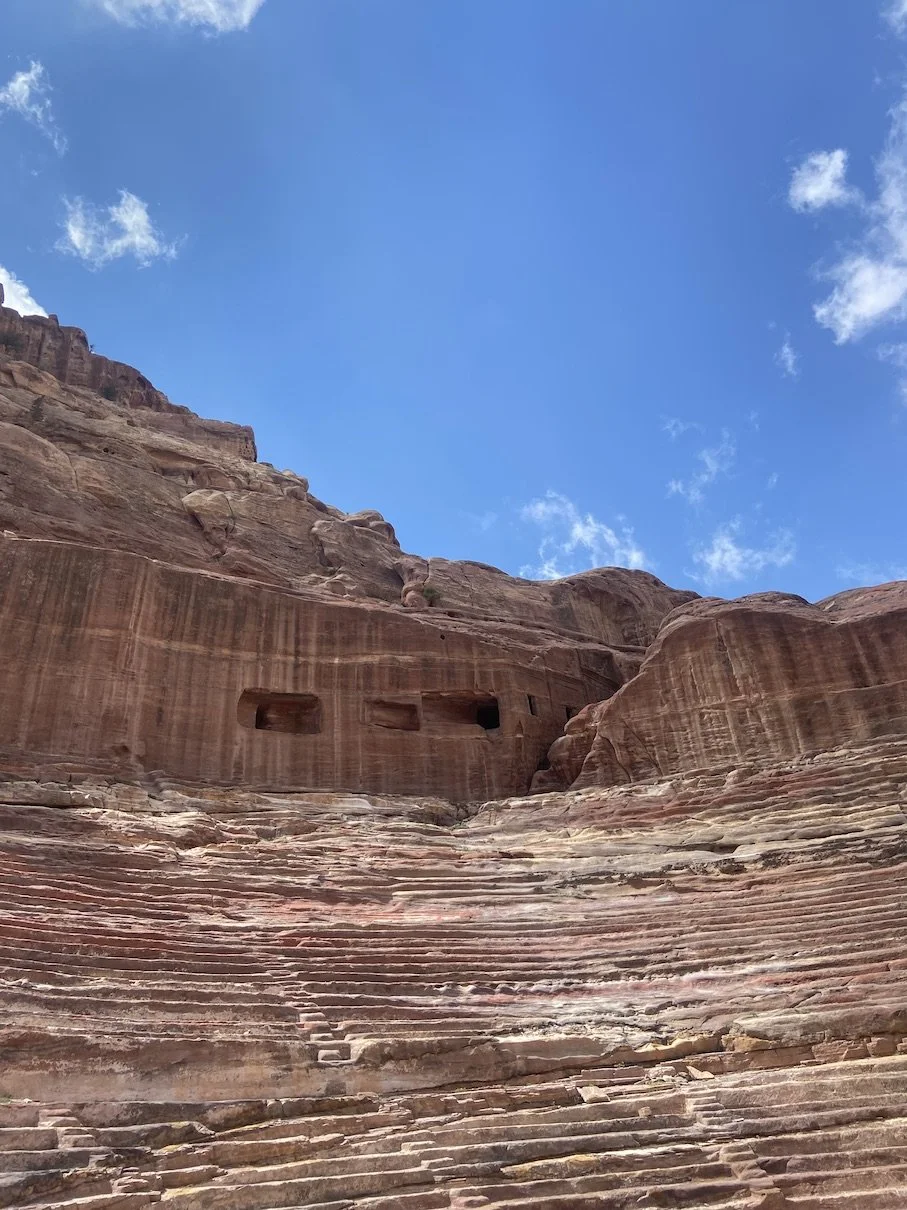
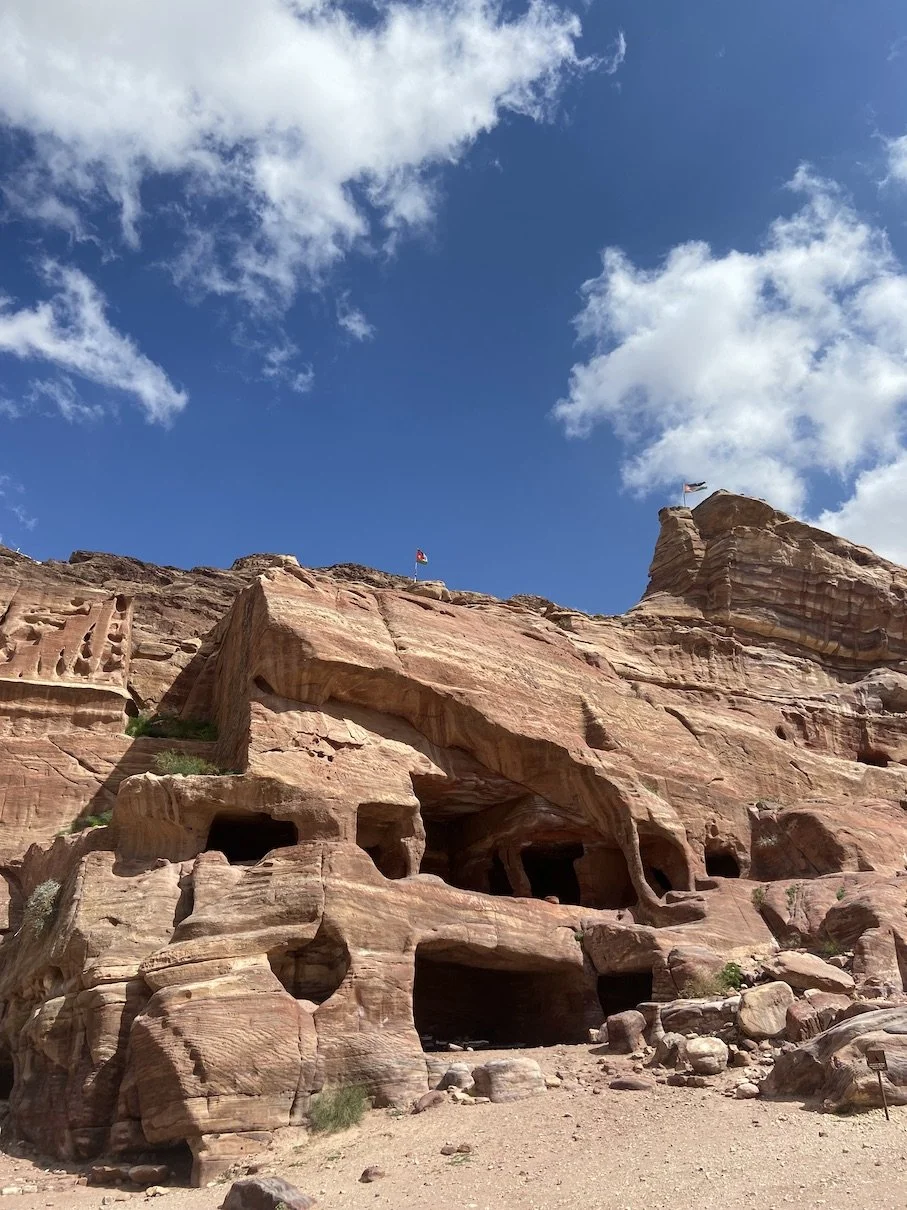
Nobody knows who the original king was after whom the road was named. Yet, this path was being used by ancient states like the Moab, Edom, Ammon and Aramaean for trade. Later, as Nabataean rule came to power with its capital in modern- day Petra, famous for its rock-cut architecture today, they thrived in the barren deserts and controlled the commercial routes.
The King’s Highway was a conduit of luxury goods before falling into the hands of Roman Emperor Trajan. He rebuilt the road and named it Via Traiana Nova (Trajan's New Road) and also made it a military route for territorial expansion. Heavy cargo-carrying caravans, laden with frankincense and spices, fables and secrets, faith and stories, travelled through the serpentine curves of the road winding down gorges and ridges.
Highways and Hakawatis
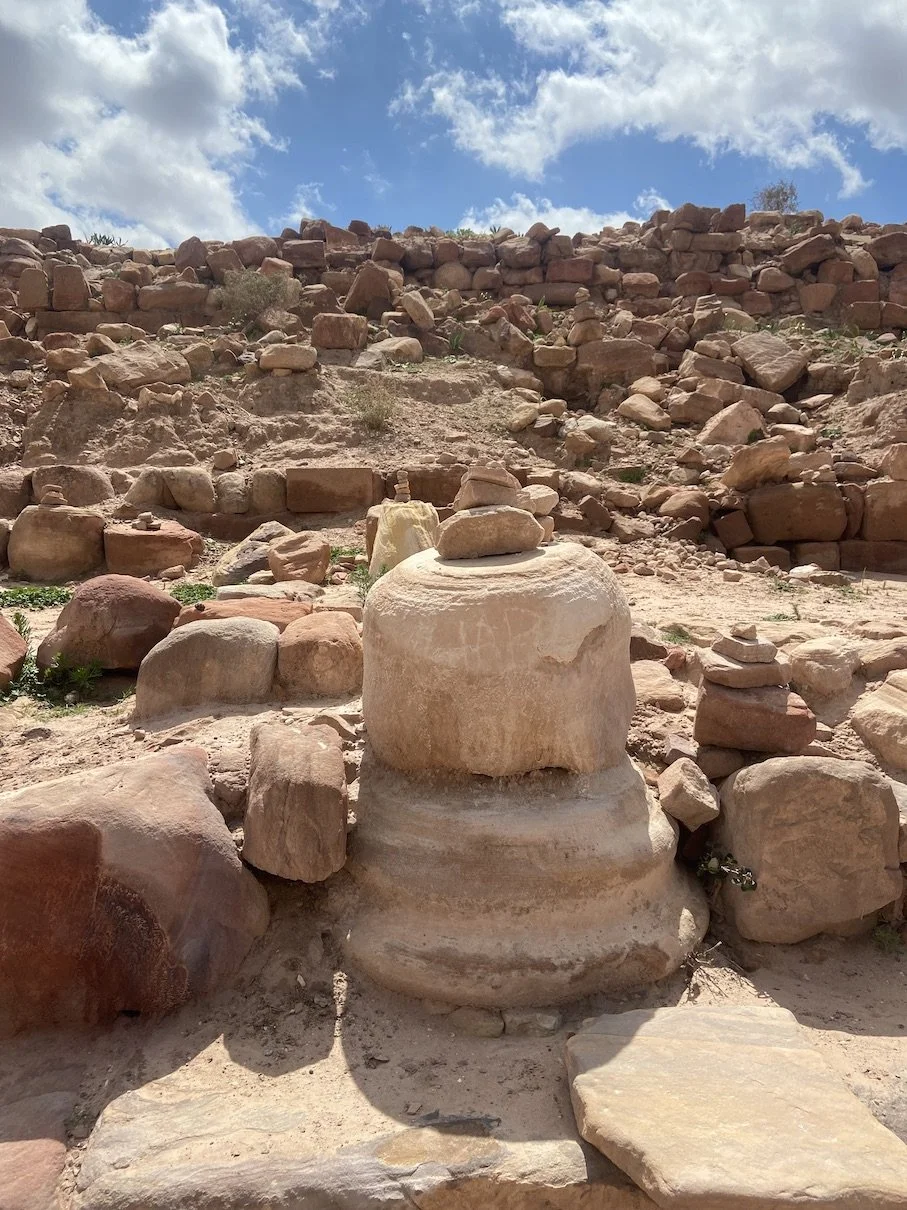
It's easy for a traveller to reminisce about an imagined past, on this road. History and fantasy merge and transport the soul to the time when it was walked by Roman legions, Crusaders and Bedouin nomads, biblical figures. Slowly the broken pillars and ruins take a life of their own and begin narrating silent tales of yore. Like the hakawatis, storytellers and stewards of wisdom, who practiced the delicate art of weaving words, deftly darting in and out of stories, using allegory, folklore, Quranic legends, satire, music and exaggerated physical gestures to retell tales of the past, heroes, and warriors. Community storytelling was a mode of entertainment and education, an art form and cultural tradition, an activity for passing time and sometimes even the instrument of the ruler’s propaganda.
The King’s Highway is filled with spectacular visually evocative landscape and flaunts a history as striking and vibrant as the Silk Route. Today, there is an evocative mood in this place. Perhaps, the very air in this place bears the weight of history and the lifetimes of stories that have travelled through this route. The wind whispers tales of the past as it passes through the deep canyons and kicks up dust clouds that sting the eyes.
This ancient commercial link along with other trade routes such as the Via Maris (way of the sea), and a network of other land and sea routes called the Incense Trade Route formed the artery of civilisation connecting Ancient Egypt and the Pre-Islamic Arab world with Ancient India. It is no wonder that from these flourishing centres of cosmopolitan cultural exchange, rose the tradition of hakawatis. This ancient motif-rich dramatic style is still kept alive by the people.
From the Valley of the Moon to the Valley of the Kings
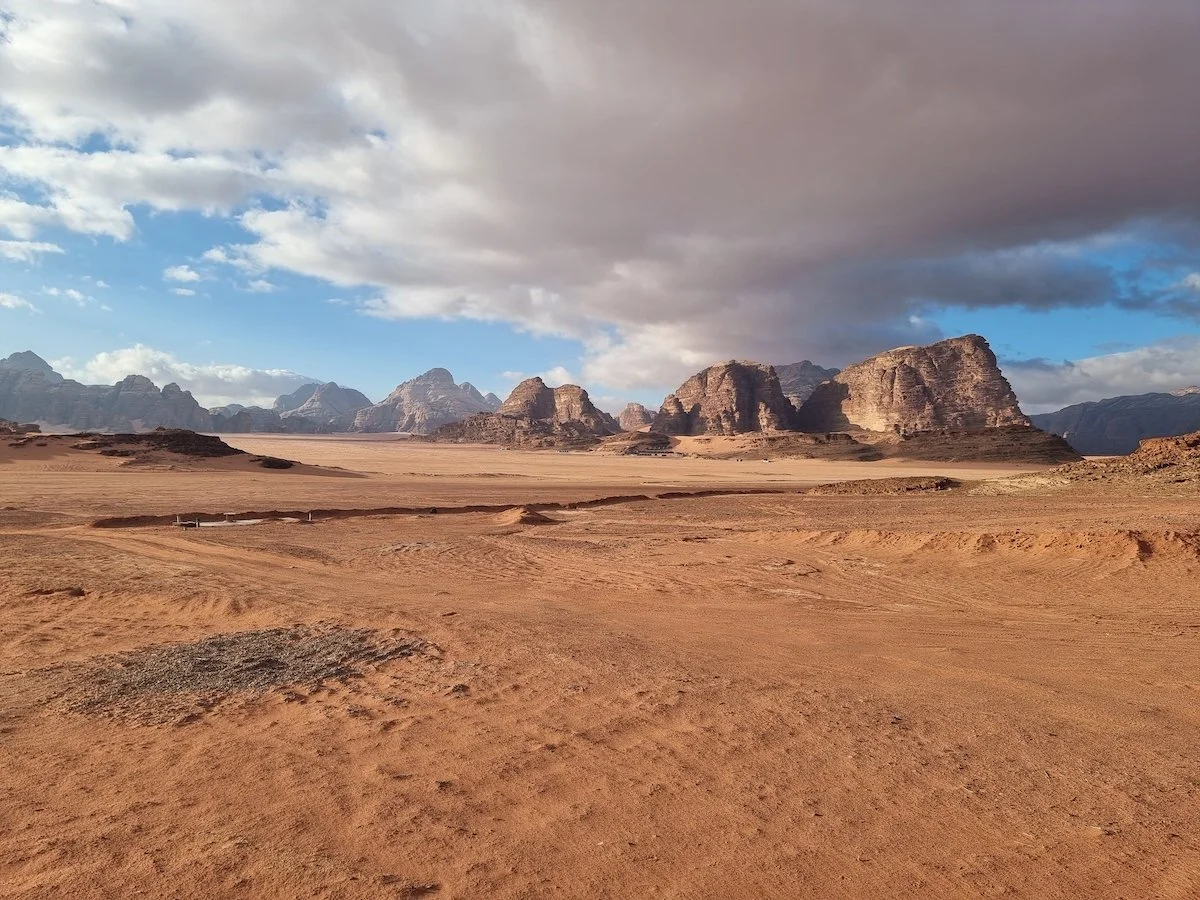
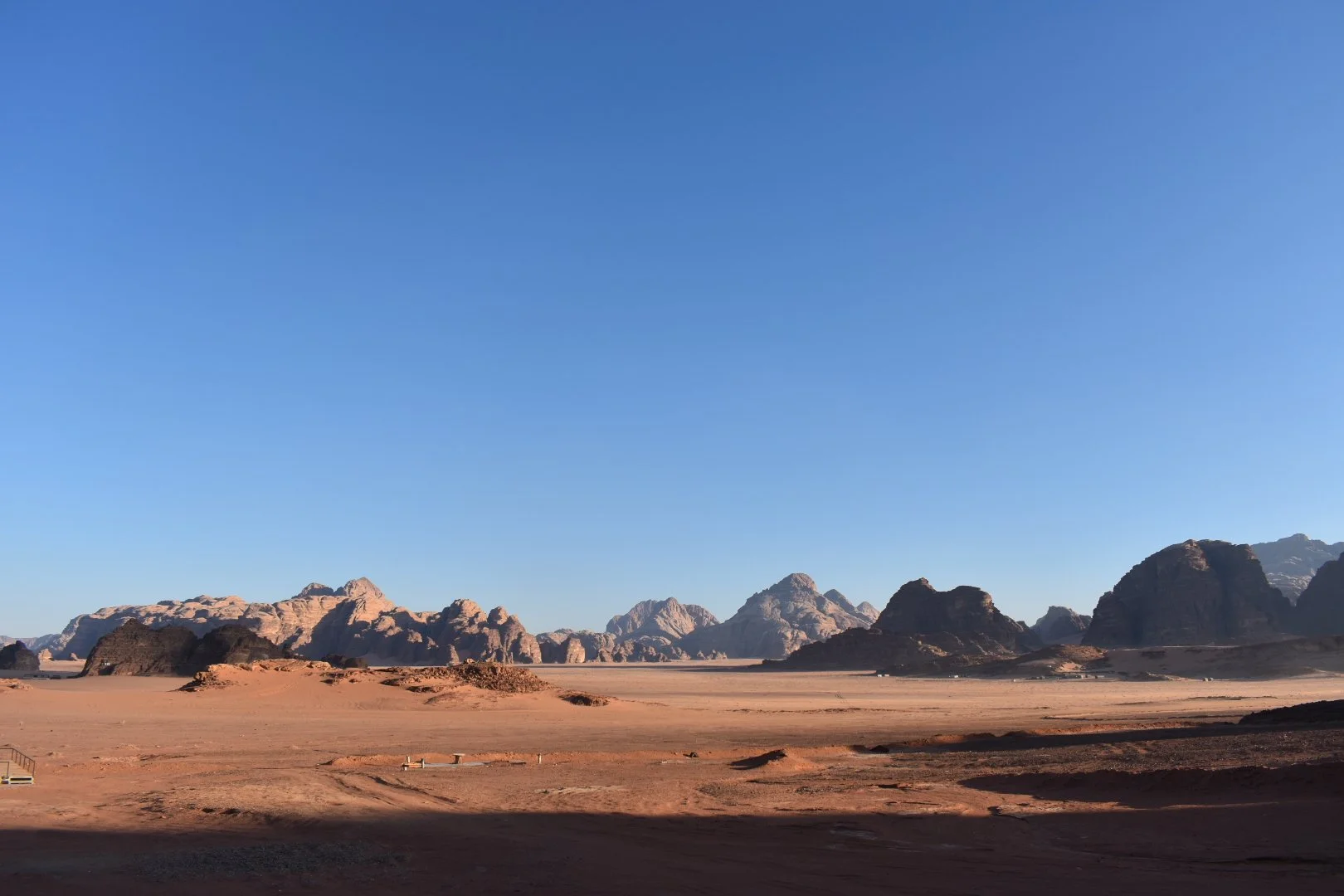
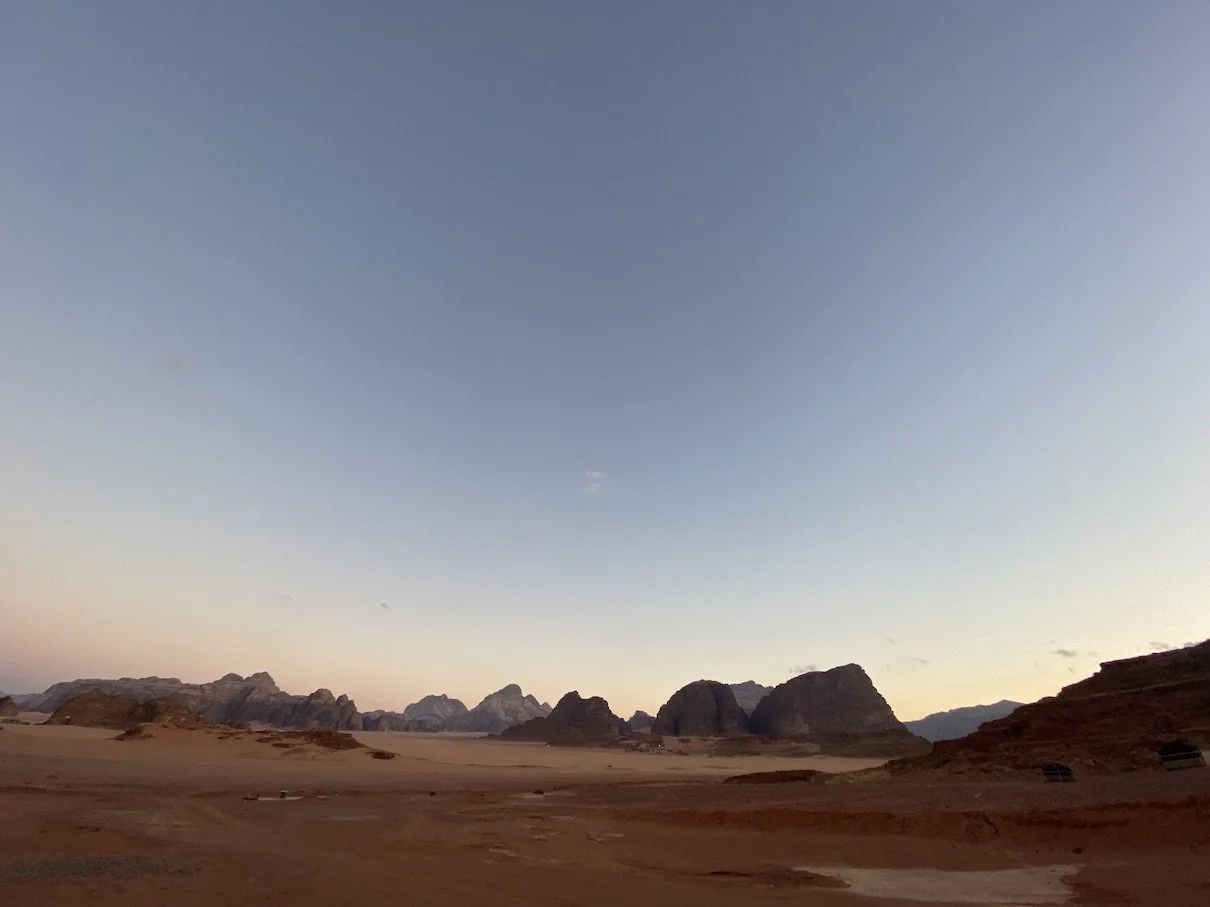
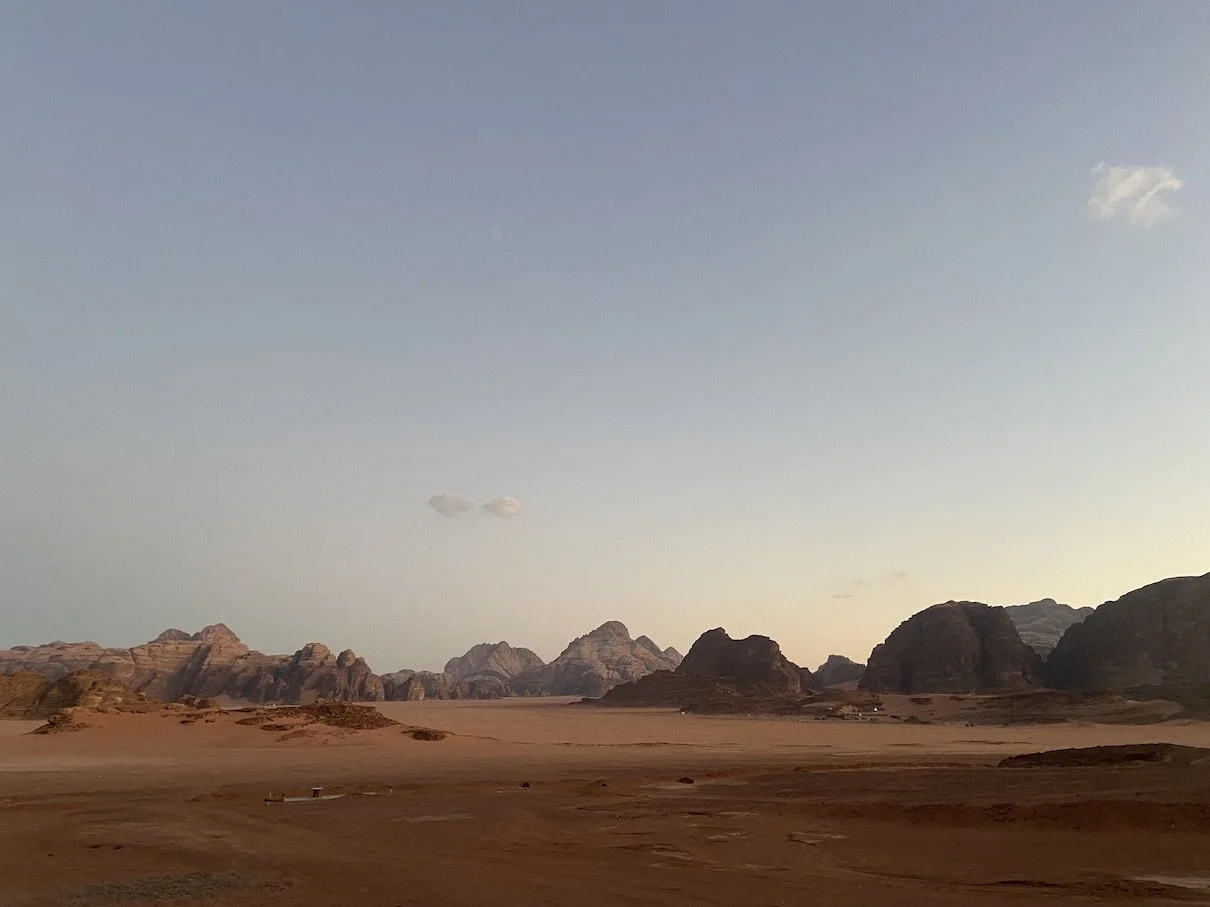
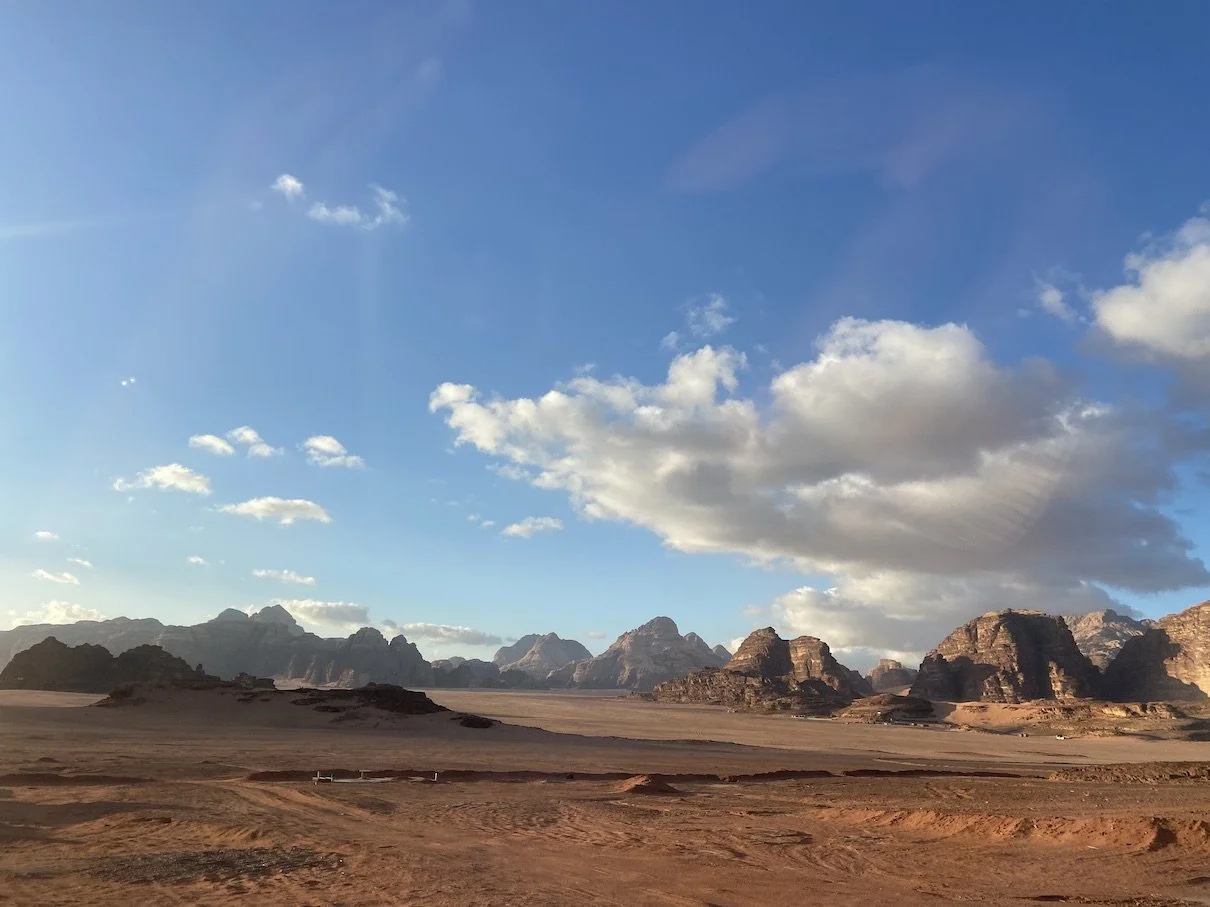
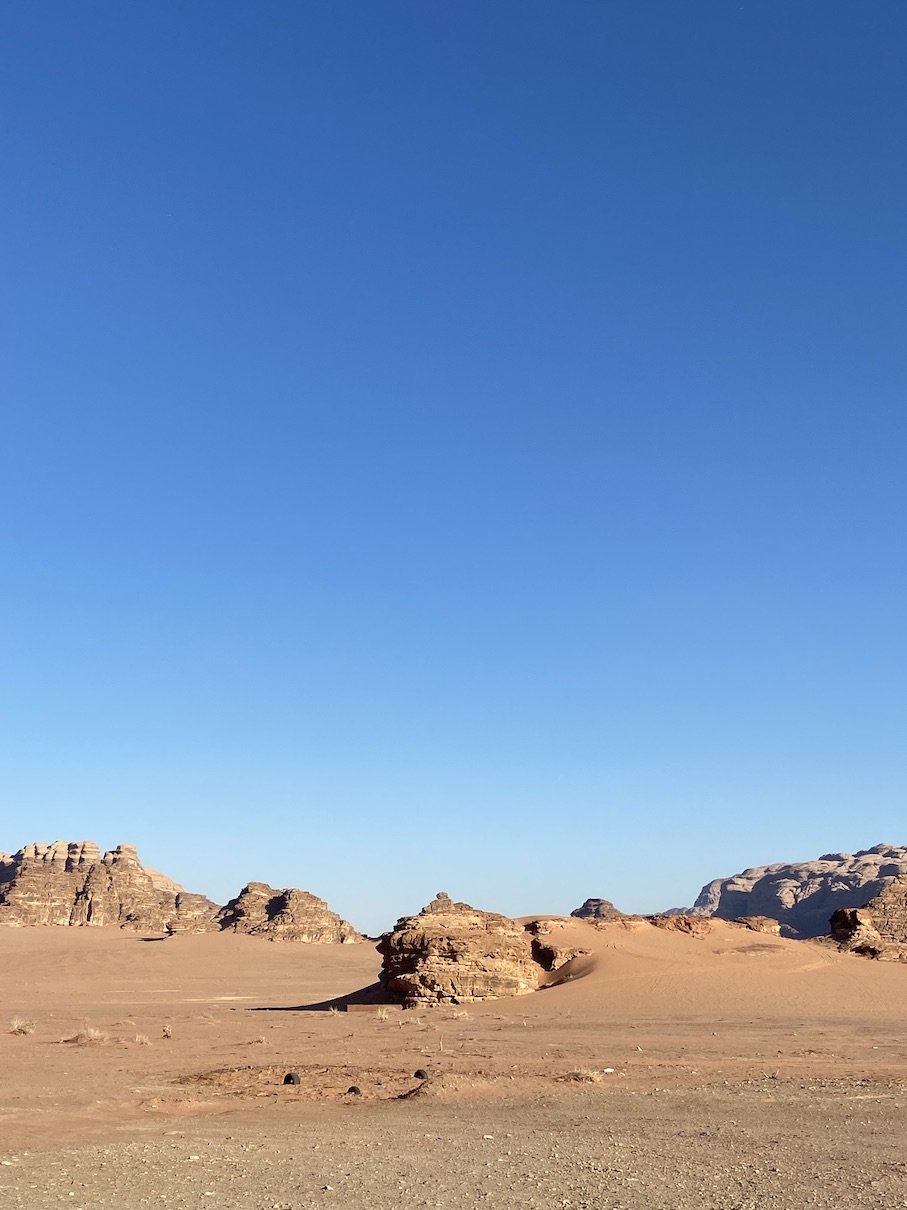
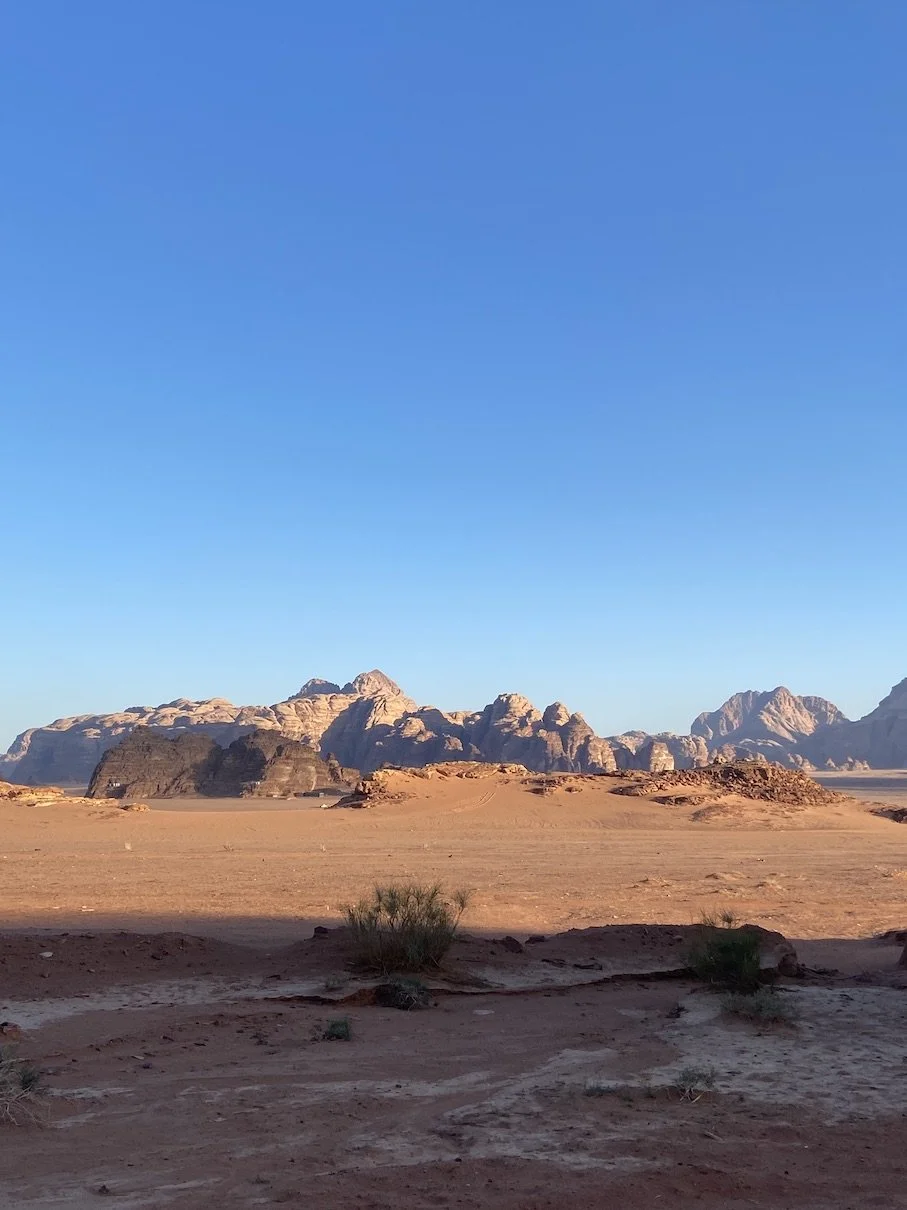
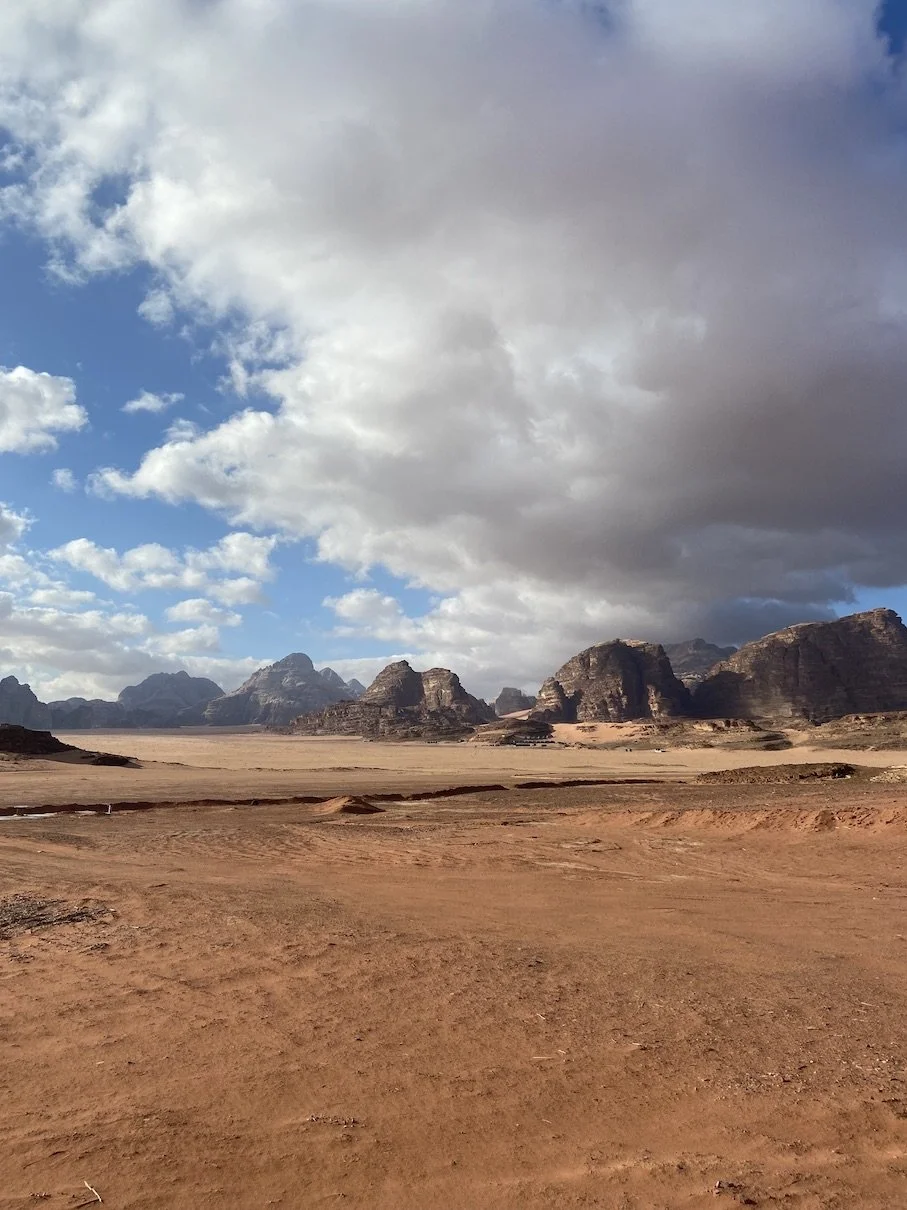
In Jordan, the Wadi Rum, or the Valley of the Moon, is famous for its connection with T.E. Lawrence, popularly called the Lawrence of Arabia. He called the near- vertical mountains of Wadi Rum “ramparts of redness.” Its extra-terrestrial ambience has brought this place much fame, especially as a filming location. Most recently, in auteur Denis Villeneuve’s adaptation of Frank Herberts’s Dune, it became the mythical landscape of Arrakis, the desert planet.
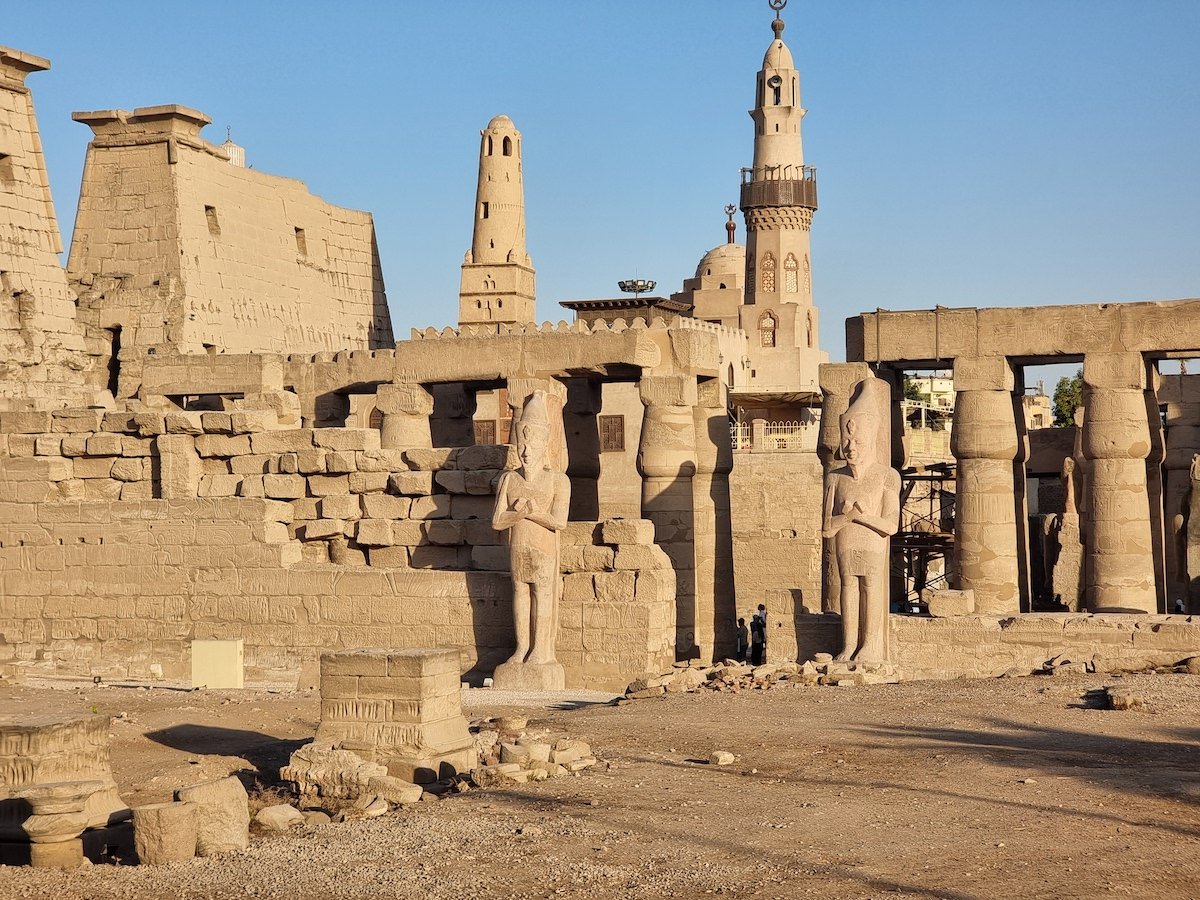
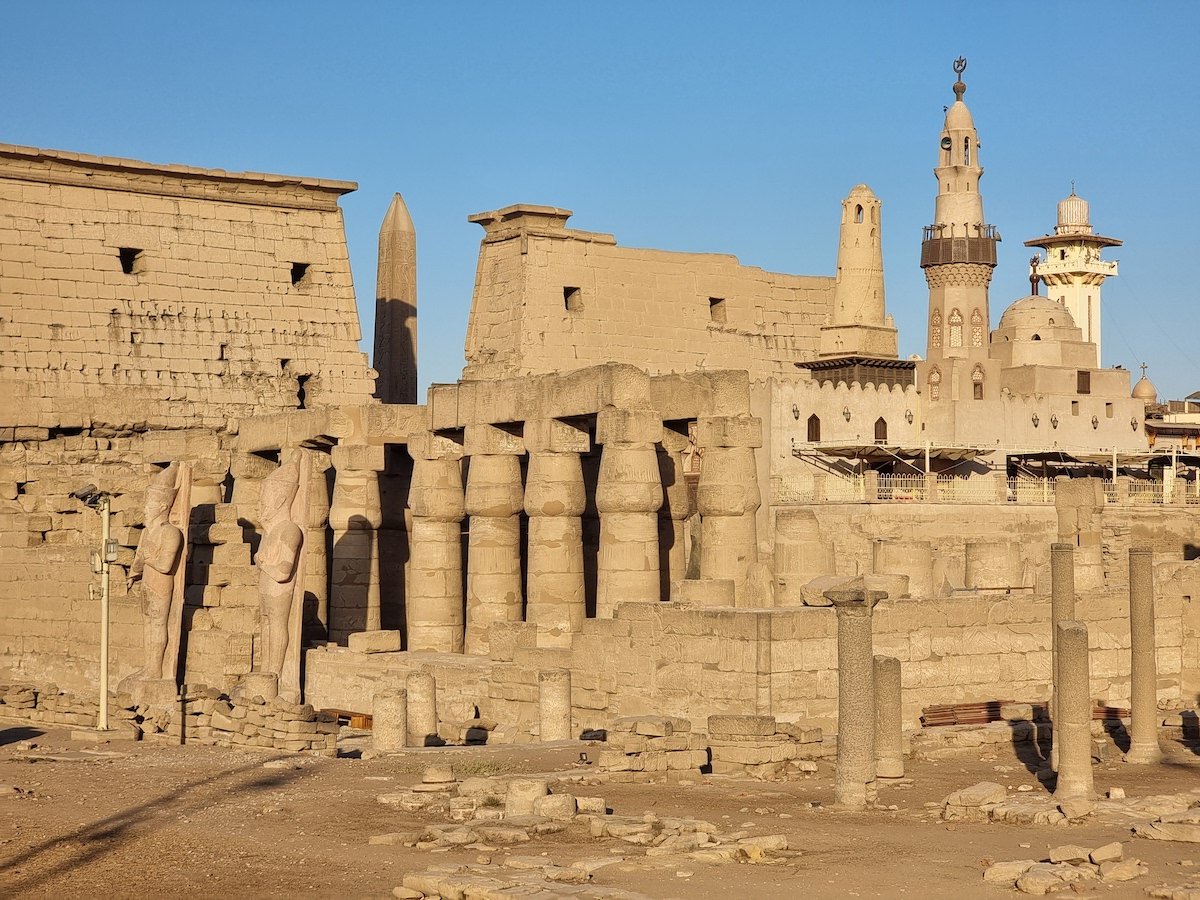
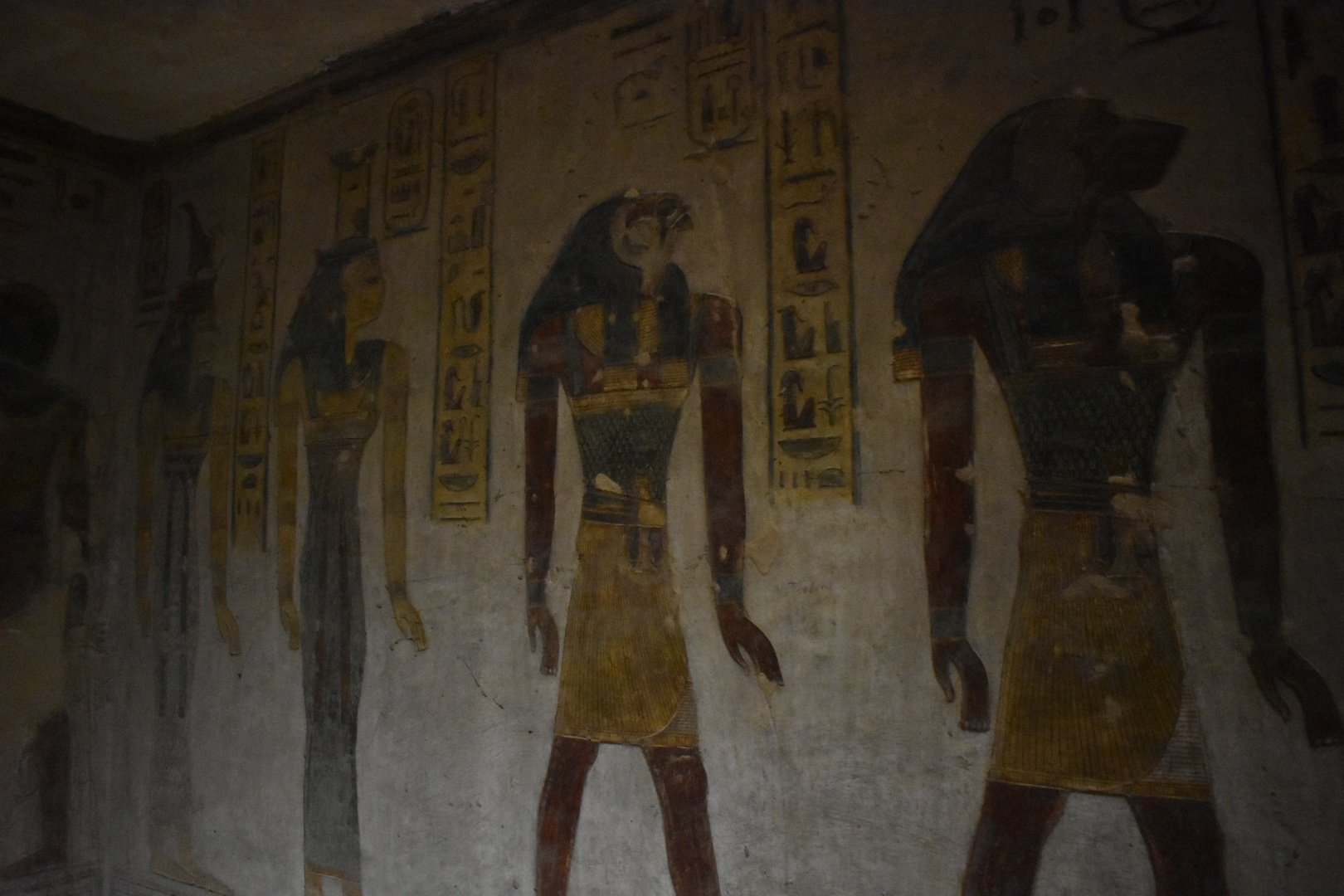
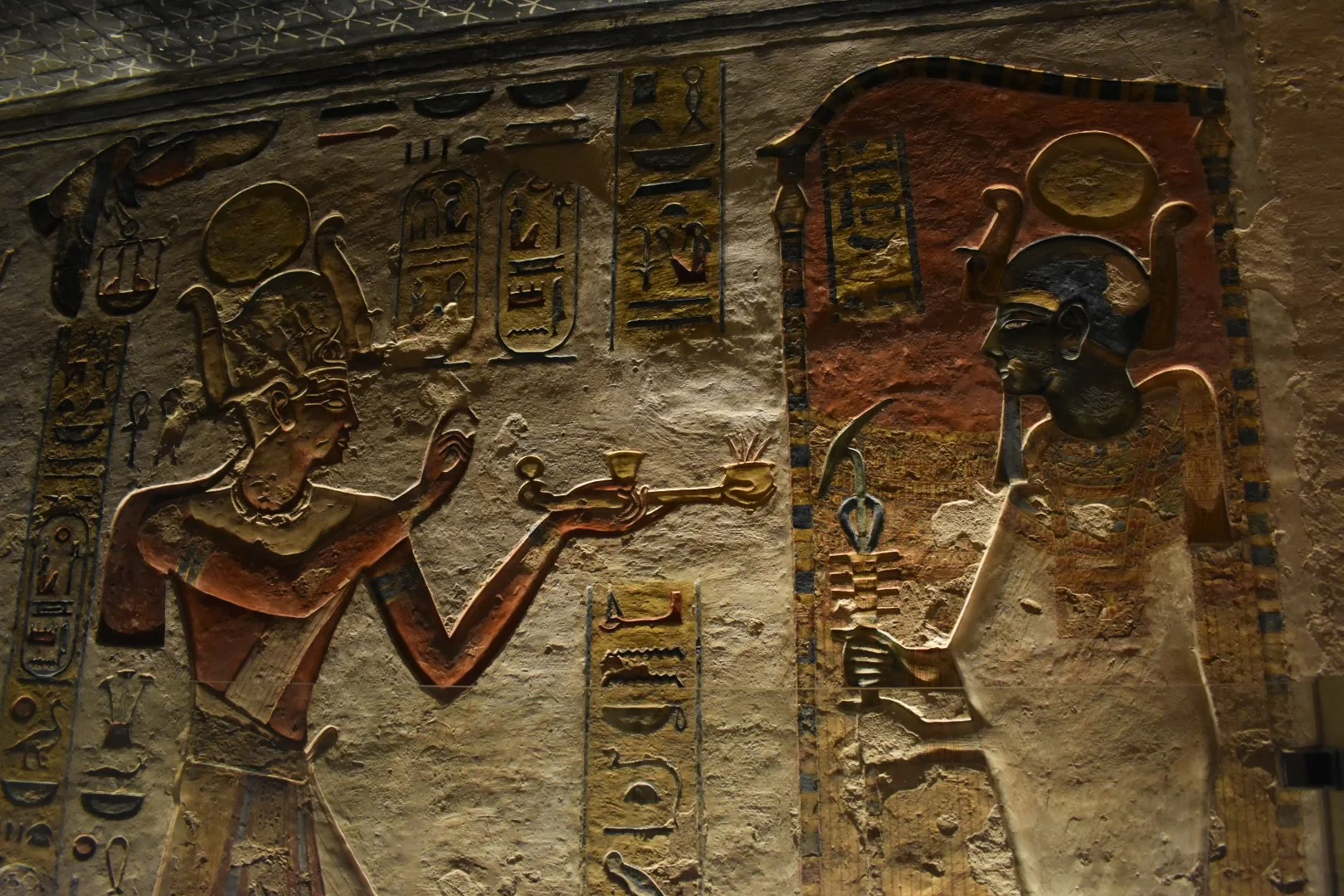
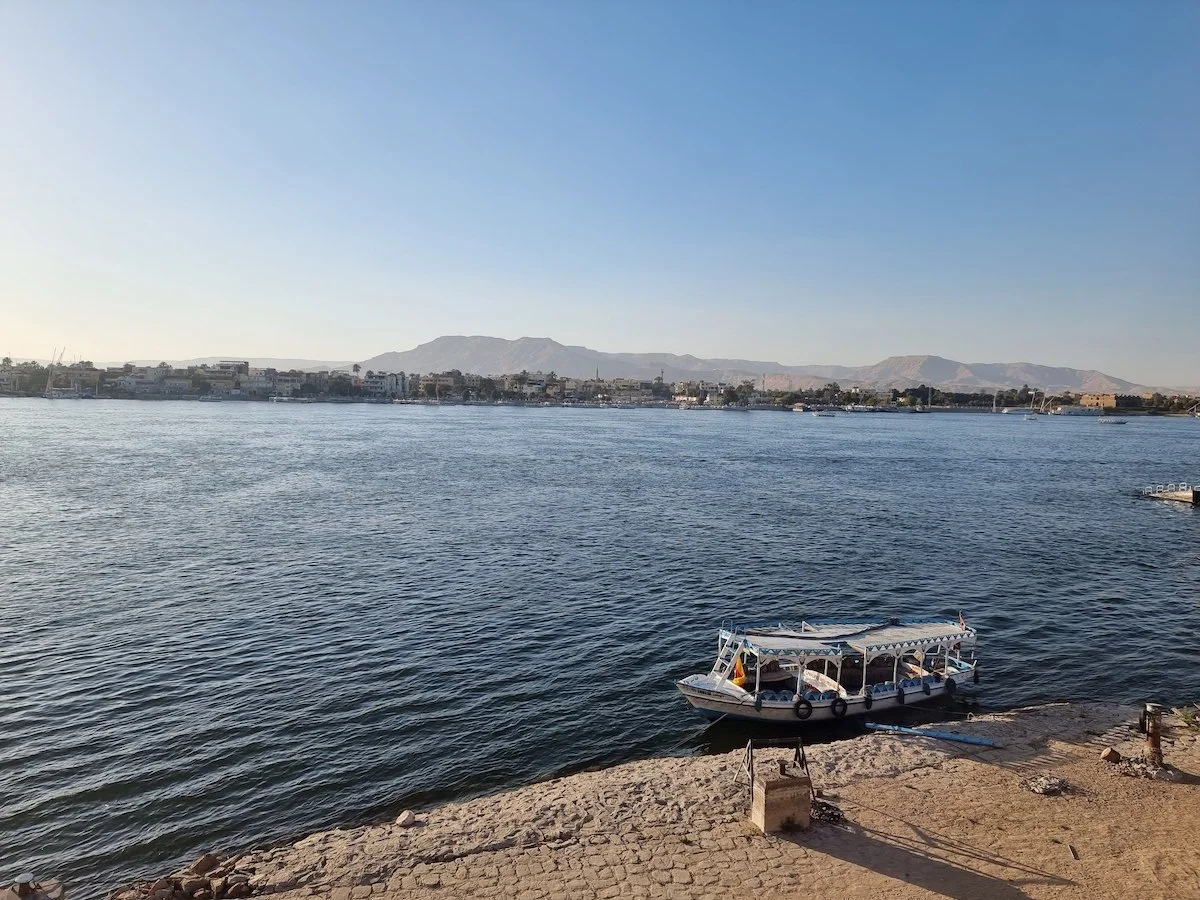
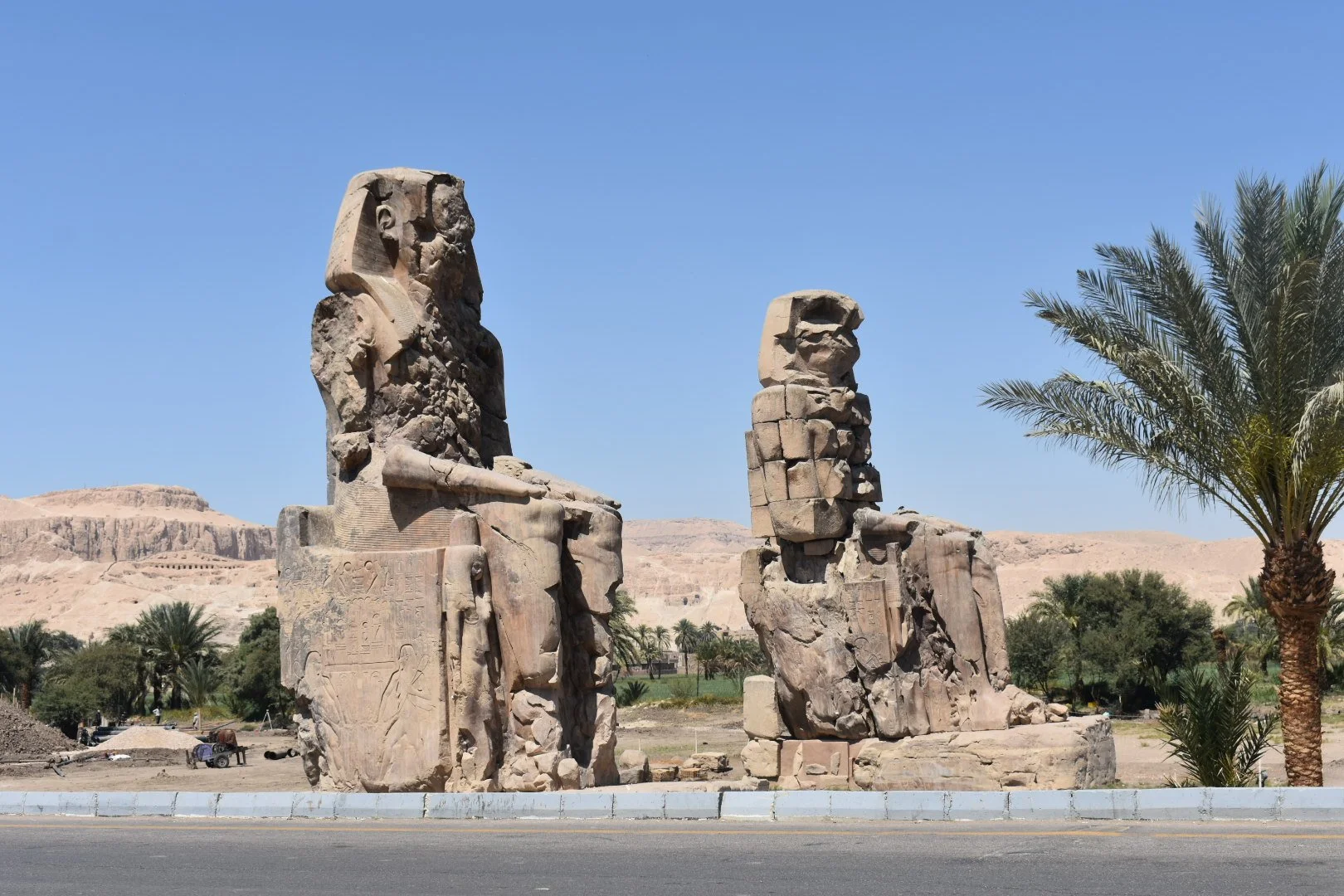
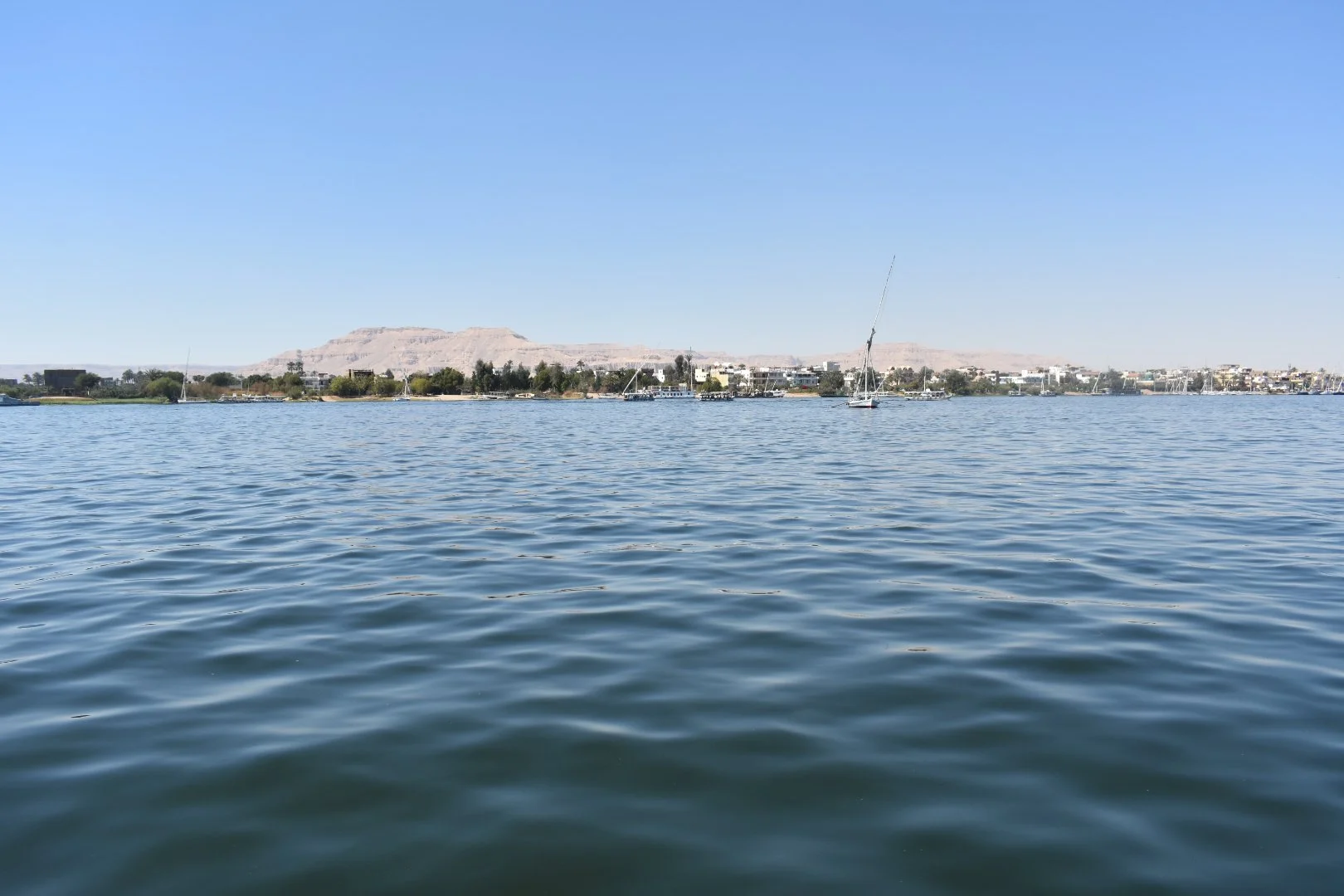
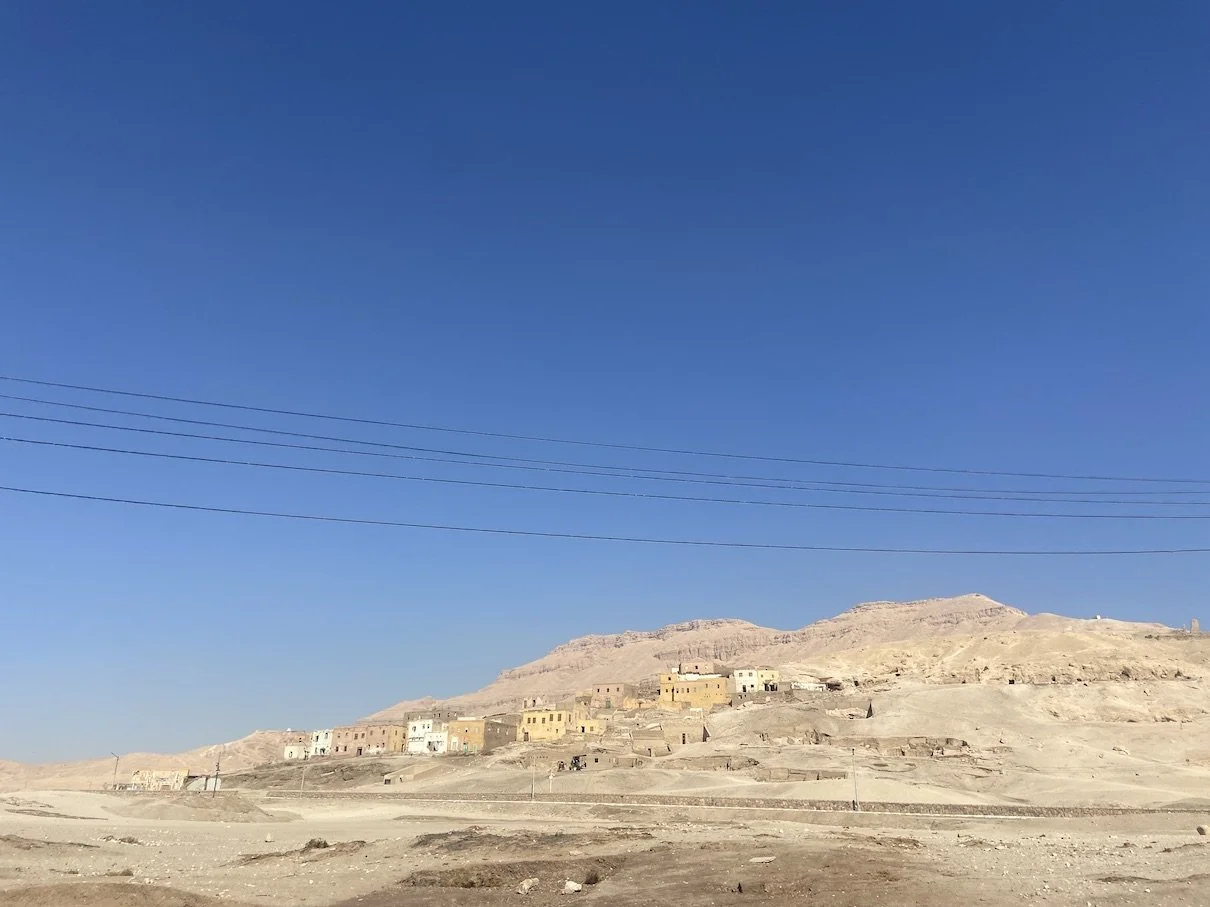
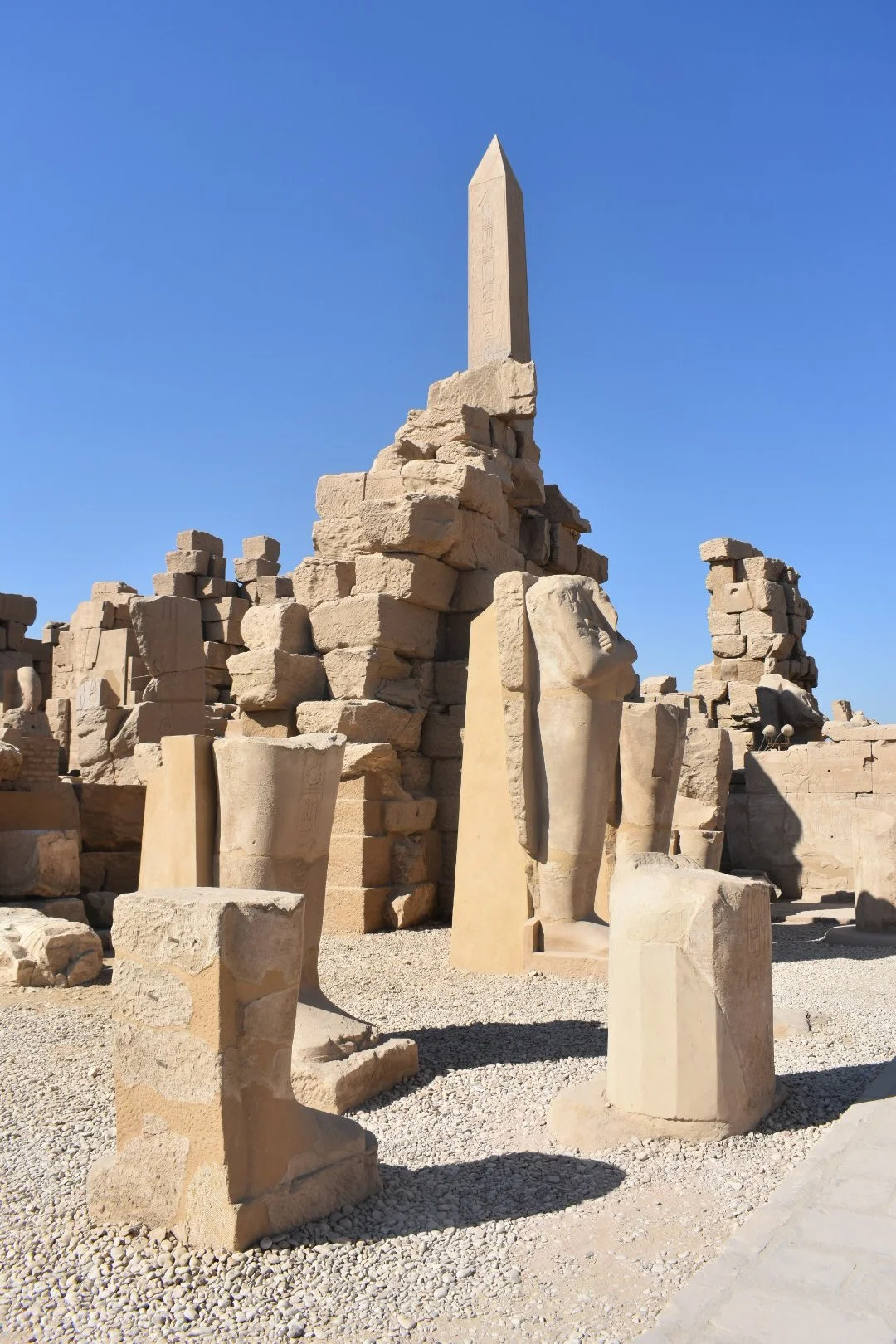
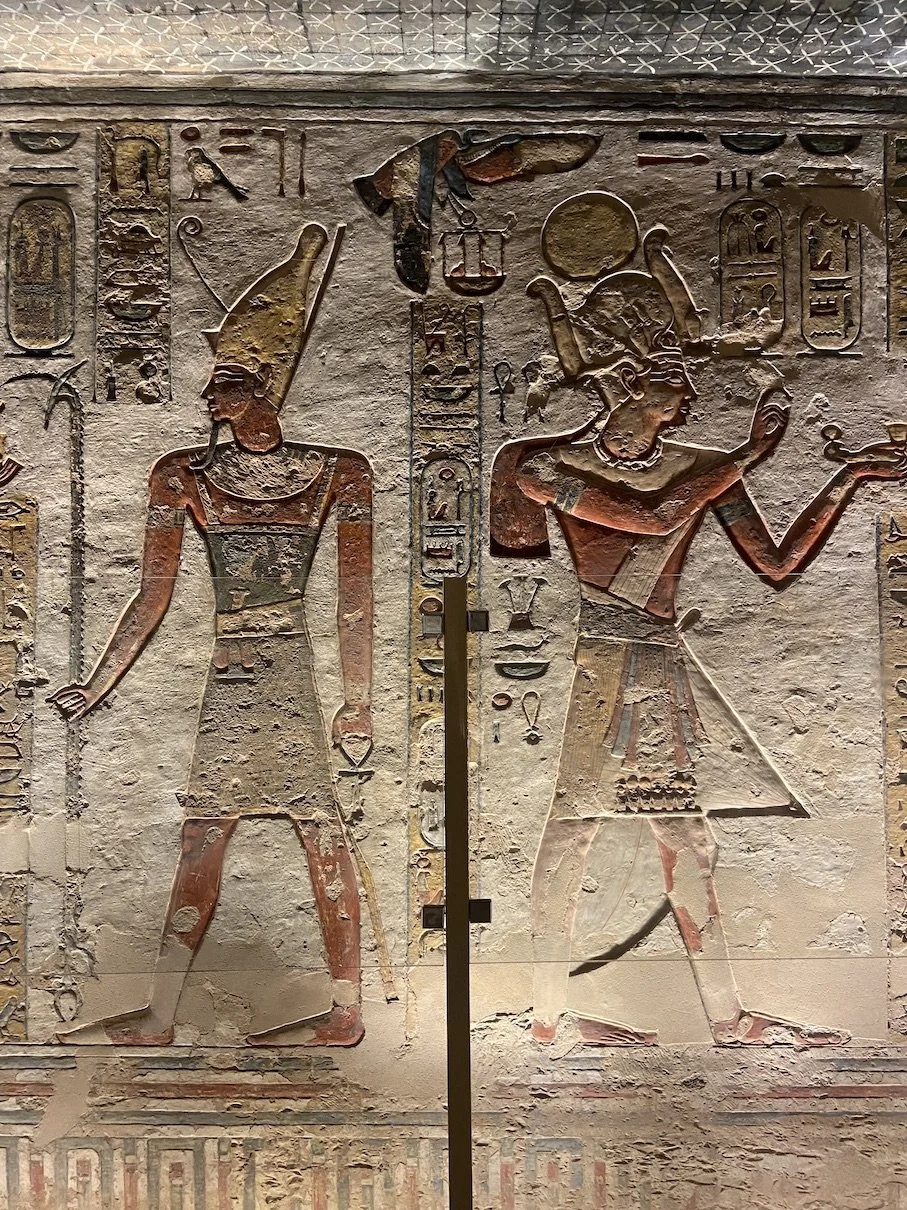
Like the Nabataeans have left their legacy in Petra and Wadi Rum, the Pharaohs of Egypt and their legends remain in the resting sites at the Valley of the Kings in Luxor. Once called the ‘world’s largest open-air theatre,’ Luxor is a modern city in Egypt, which was once the capital called Thebes, now a necropolis of royal cemeteries along the river Nile.
While the origin of the King’s Highway in Egypt, called Heliopolis or the city of the sun, has been destroyed, this seat of primordial sun deity Ra Amun, still serves as the source of the earliest creation myths of human civilizations. Here, legendary figures like Plato, Pythagoras, Homer, and Orpheus once roamed and made it the epicentre of Greek and Roman learning. Isis, another Egyptian goddess, stands in Petra, along with Castor and Pollux, the Gemini twins who protect travellers on their journeys.
Myths, Magic and Manāt
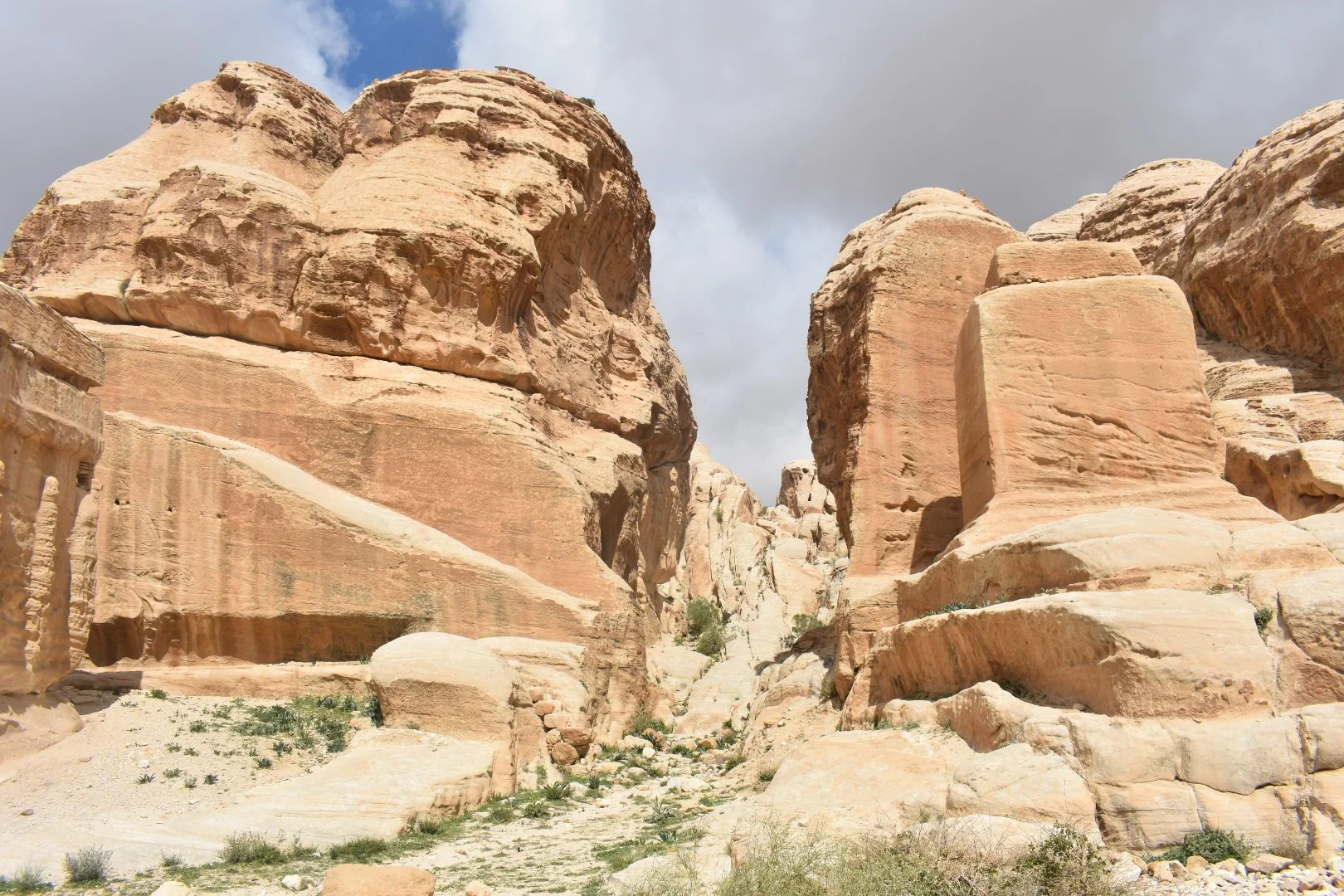
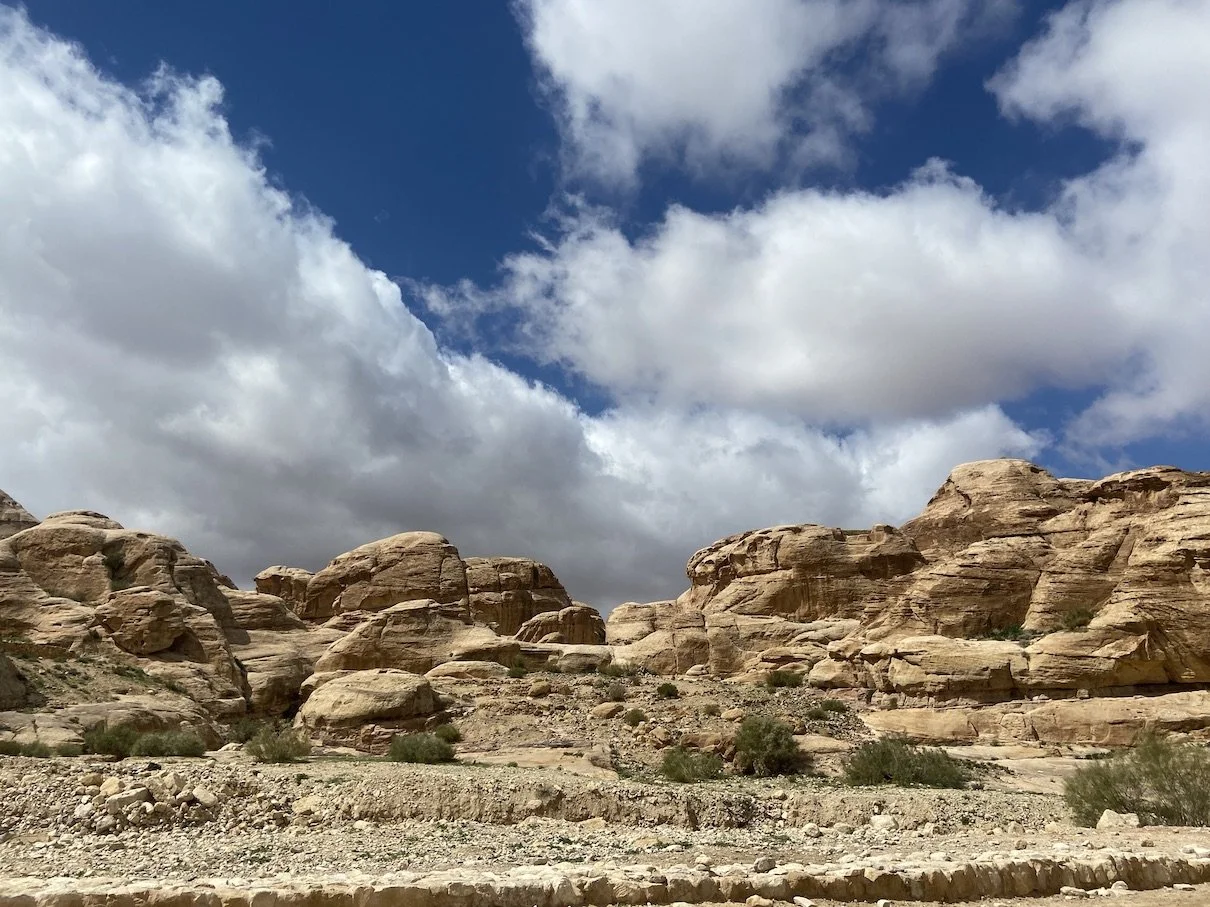
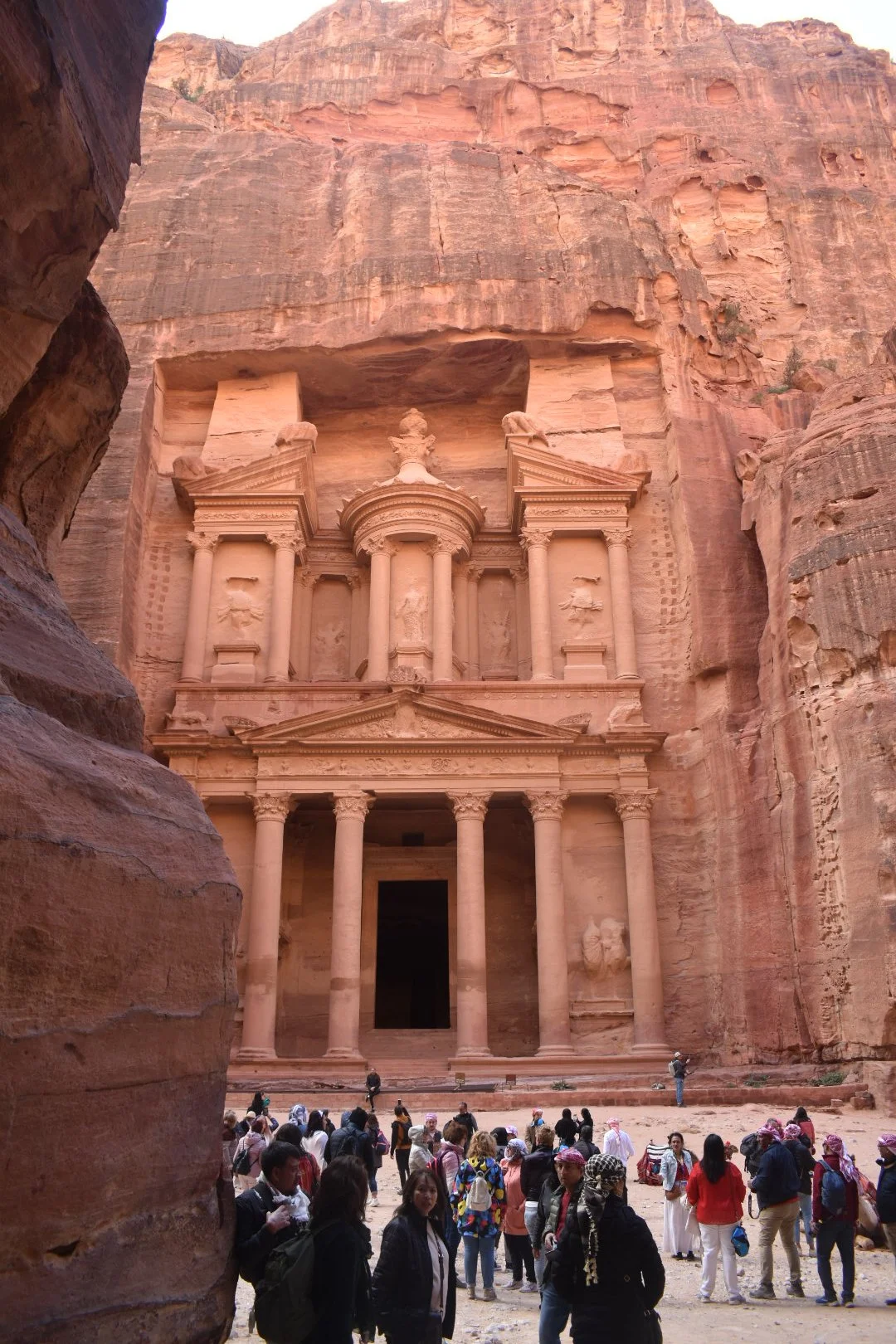
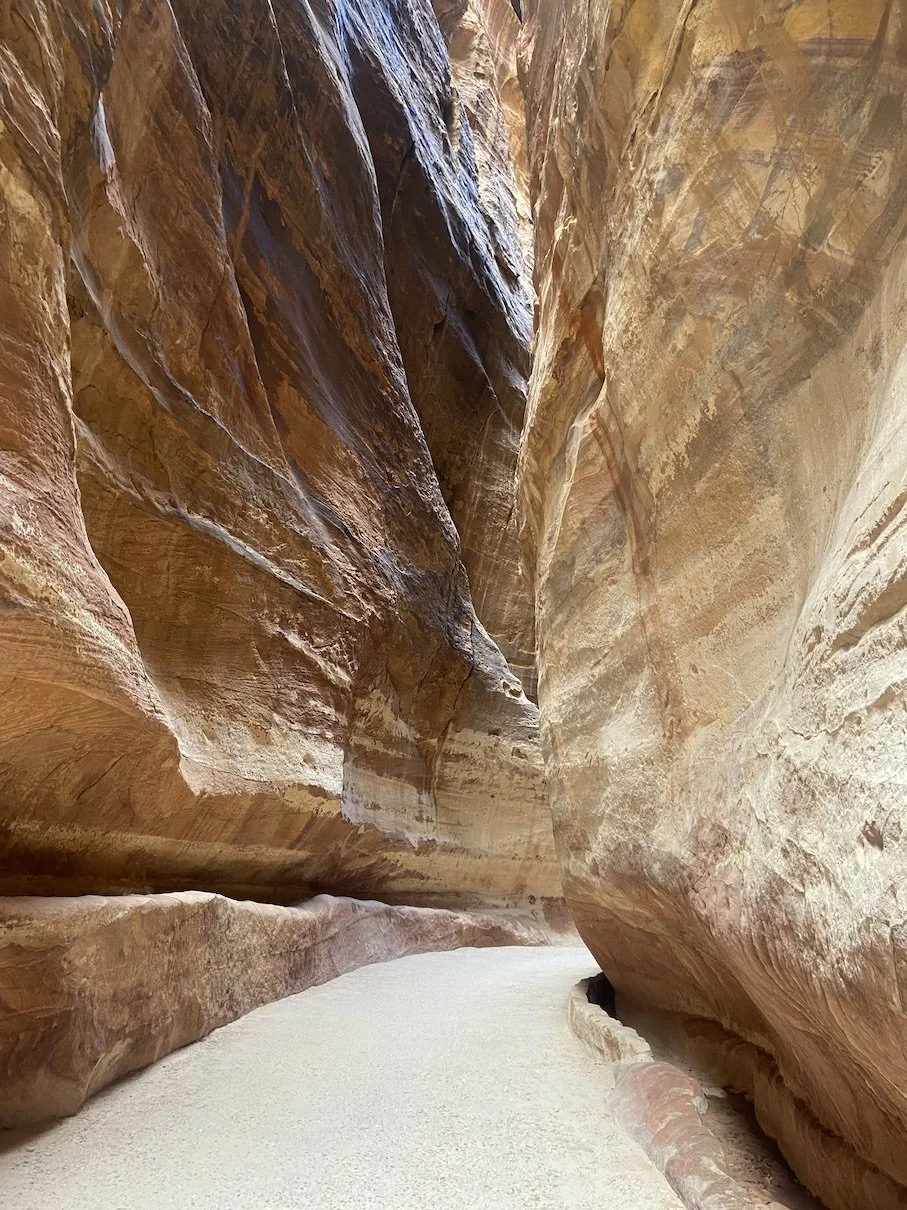
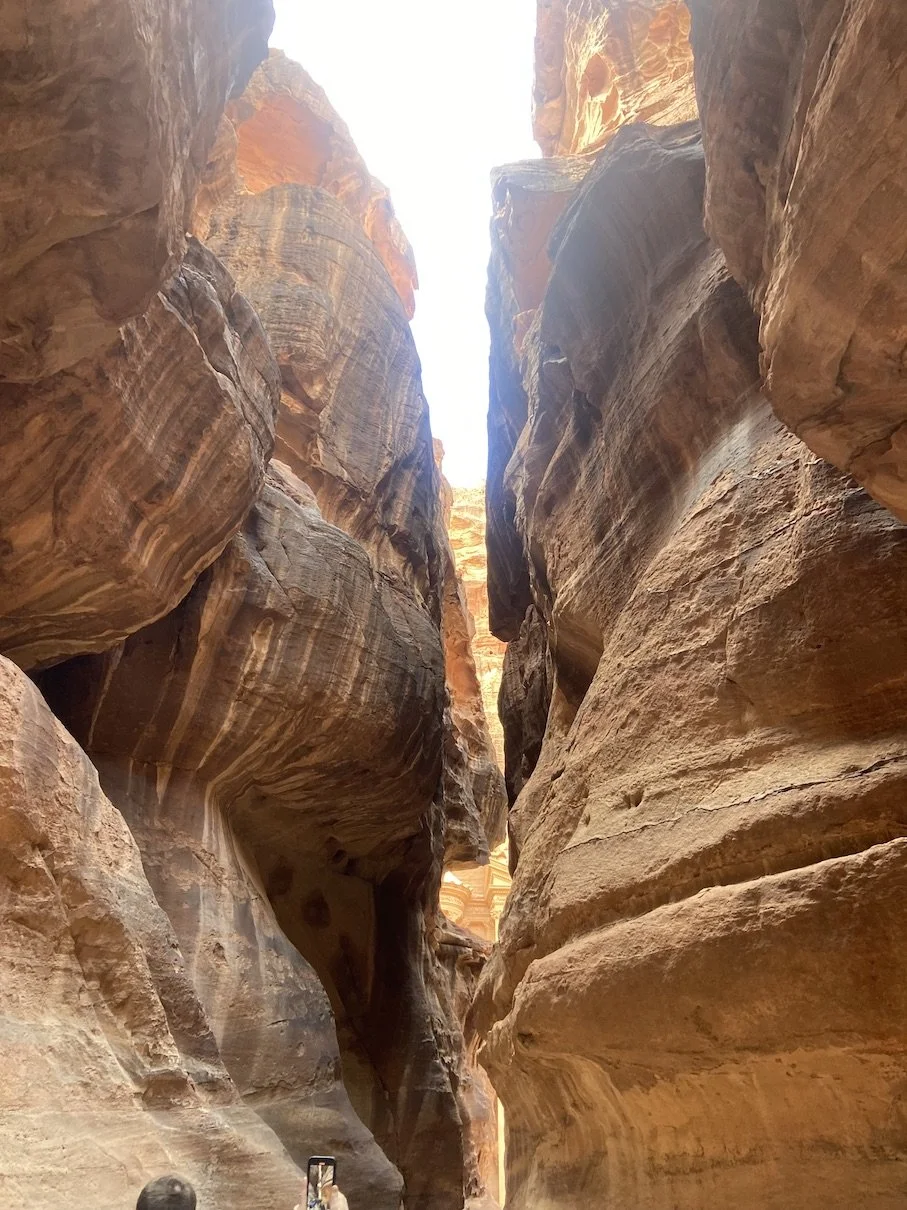
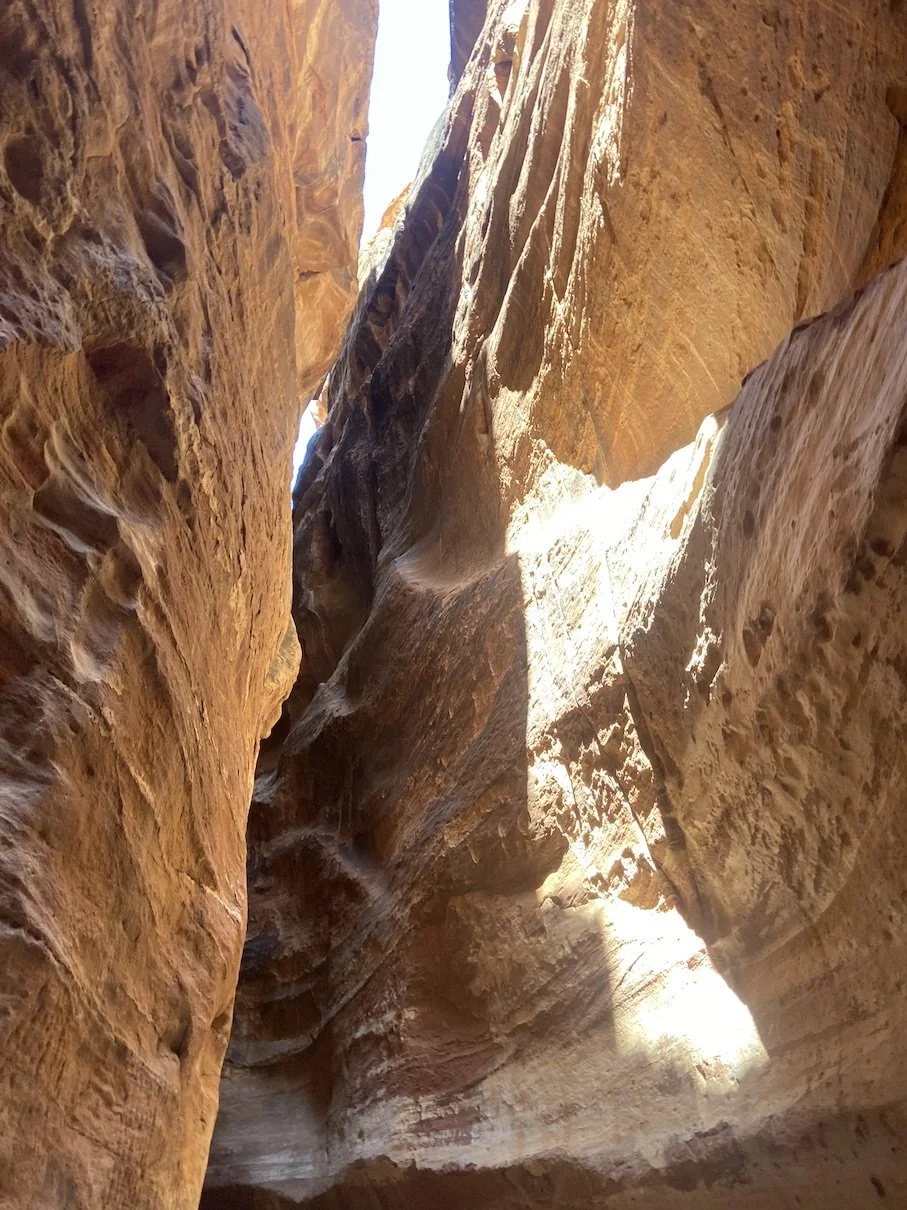
While walking through the Sik or the main entrance to the city of Petra, one can almost see the grand caravan entrance flanked by gigantic quartz sandstone walls with niches holding baetyli, once believed to have been meteorites whose celestial properties made them sacred, turning them into symbols of God.
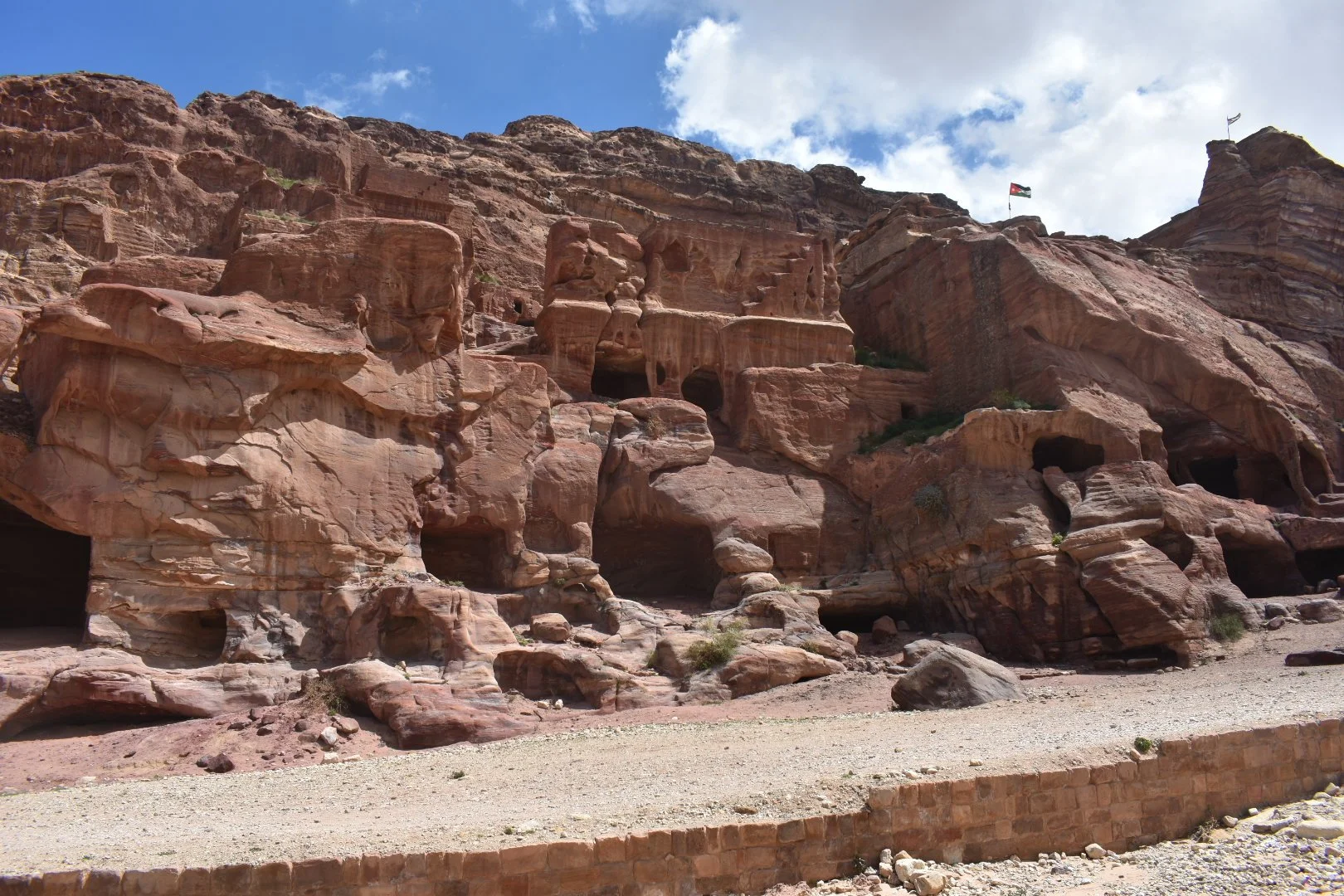
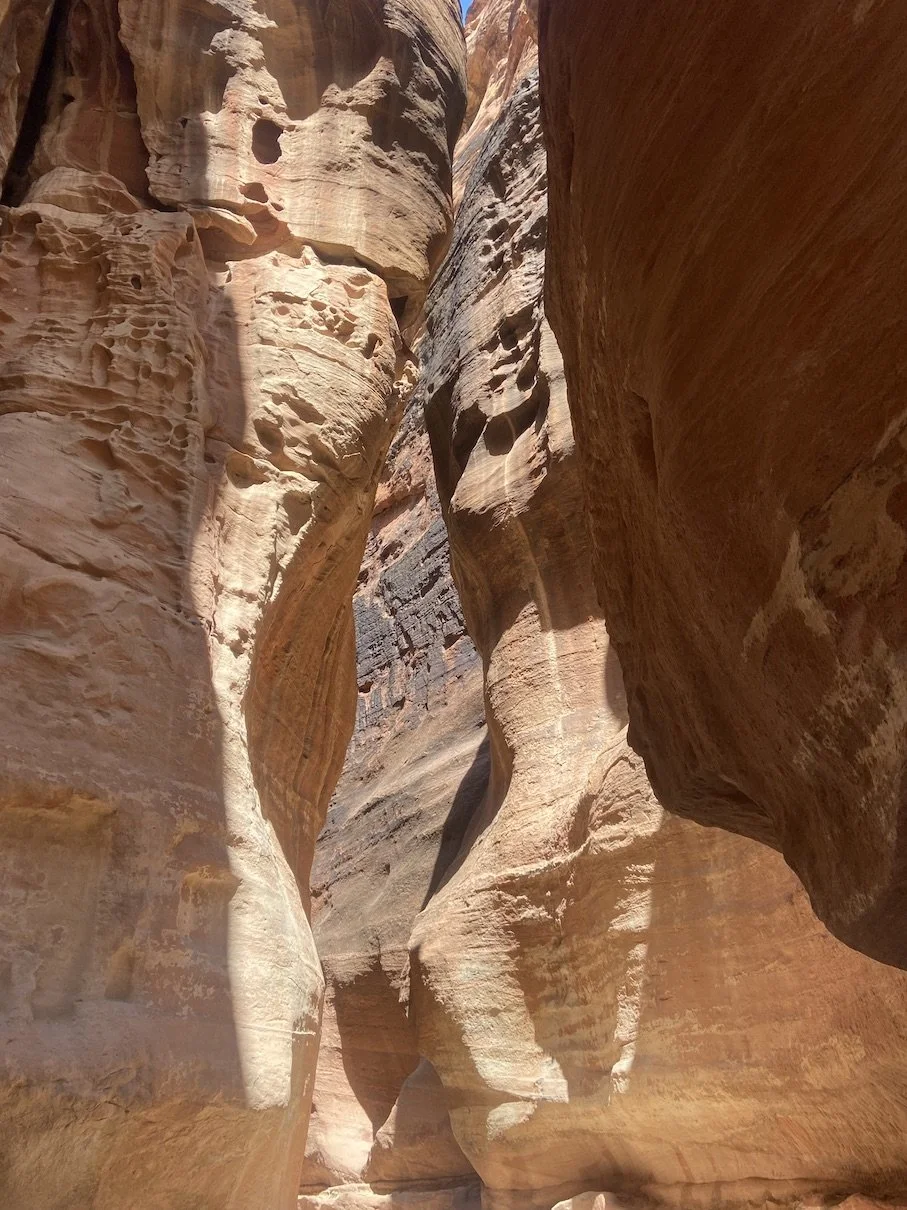
Created by tectonic forces, shaped by wind and water, sand and minerals deposited over millions of years, the alchemy of nature is on full display in every inch of this city. Walking through the dim and narrow gorge, a palette of pink, orange and red, the wadi welcomes travellers.
Today, the gun shots that perforate Petra’s wall bear testament to attempts made at retrieving the fabled treasure. Behind the Hellenistic architecture of the Petra are tales of wars and conflicts that emerged as a result of the control being exercised on the King's Highway.Trade in those days not just consisted of spices, jewels, and incense, but also human slaves. So, perhaps all was not well in this paradise.
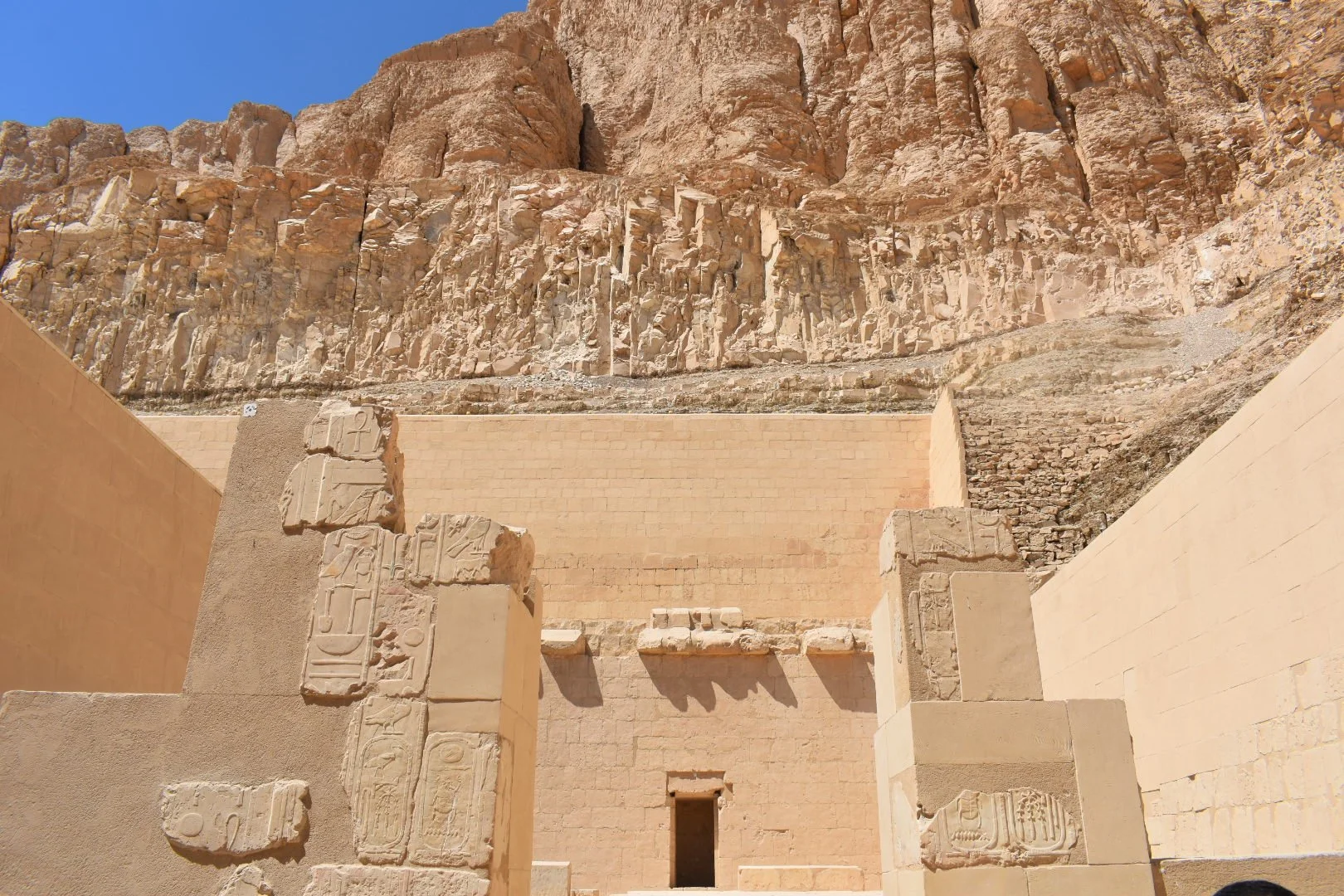
Altogether, the most important legacy of this route are the myths that have continued to persist through the changing tide of time. Ra, the god of the sun lives amidst the tombs of Pharaohs in the Valley of the Kings, where lies the sole woman, Hatshepsut, the Egyptian queen.
The Nabataeans also worshipped the Egyptian goddess Isis, as part of their funerary rites. She safeguarded the journey of souls into the afterlife, which is why her cult is connected to the practice of mummification. In Ancient Egypt, she was revered as the divine mother of the Pharaoh. Just as the Pharoah was the mediator between the divine and the people, Isis was mythologically connected to queenship and divine motherhood in royal ideology until the onset of Roman rule.
The pre-Islamic and pagan goddess of the Nabataeans - Manat, was the goddess of destiny, fate, fortune, and time. Together with her sisters Lat and Uzza, Manat was mentioned in the Qur’an, infamously called the Satanic Verses (the inspiration behind Salman Rushdie’s eponymous novel). These pre-Islamic goddesses’ iconography reflects past manifestations of feminine divinity and the personification of the forces that control fate and destiny.