
Cultural Consciousness In Design
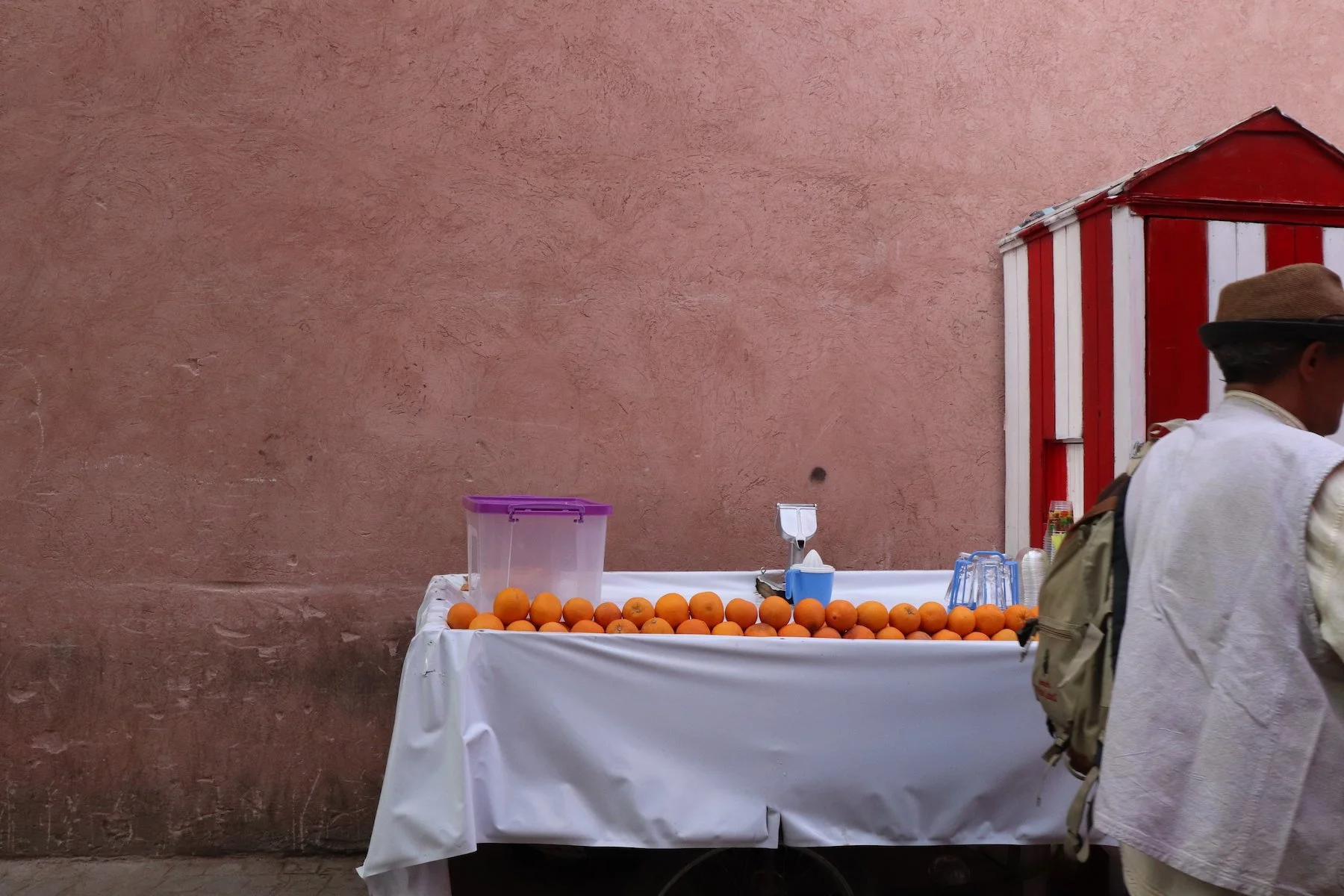
To go back in time is a means of acknowledging the past as a lasting, integral part of our lives. The past tells us that our wayfaring human nature enabled us to discover our surroundings and determine ways of survival. Along the journey, we witnessed the exchange of ideas, patronage of cultures, emergence of artisanship and proliferation of material objects. These observations merged with our understanding of local climate, rituals and traditions along with vernacular modes of planning, architecture and design. Exploring and innovating has been the key stream of thought along which we shaped our everyday lives. Historically, humans were more attuned to nature, developing a bond with their environment in the early days of civilization. But in the wake of industrialization, mass production and reshaping of the world economy, we drifted onto a modern yet diverse growth tangent. Consequently, this made the past look blurred and distant. Responding to this phenomenon in the recent decades, people have begun to re-think the role that cultural institutions and participants of the global creative economy can play in today’s world.
To be culturally conscious while designing is like flipping through the pages of history, searching for the many promises and secrets it holds and looking for a sense of direction towards sustainability. Our learning—hunting, cooking, dressing, travelling, spinning loom, embroidery, designing jewellry, operating machines—became a part of our collective consciousness over time. For instance, the use of the lota (water urn) and the kindi in Indian culture for daily activities and religious pursuits relate to historical remnants of ceremonial vessels from ancient civilizations from Egypt and the Indus Valley, depicting how profound our association with certain objects are.
Textiles, postures, draping styles and events depicted through iconography by skilled craftsmen at renowned architectural sites reveal the fluid nature in which our fashion styles evolved, spreading far and wide across continents. Over time, our knowledge systems grew as we learned to communicate and represent through oral, visual and textual media like stories, manuscripts, photographs, lithographs, illustrations and books. From household utensils like mortar and pestle or terracotta pots to weaving handloom textiles and pottery, or even art movements like Rococo, Brutalism, Art Deco, Modernism, and Avant Garde—each element played a significant role in what we perceive as design and aesthetics.
Taking cues from the previous ideas, in recent years, many designers and cultural connoisseurs have attempted to rethink their work ethos to give rise to a conscious resurgence of old crafts and artisanal methods through contemporary interpretations in their respective design fields. Ceramics, utensils, linen, apparel and many utilitarian objects from a forgotten past are making their way back into our lives, albeit with new meanings. The sheer capacity of communities, their rich cultures, objects and material histories to evoke multiple narratives is remarkable. At its centre is the re-evaluation and re-appropriation of ancient methods of production. These authentic modern adaptations challenge their creative skills while serving a larger purpose.
Practitioners experimenting with materials, shapes, volumes, textures, finishes and colours are pursuing the creation of an entirely new vocabulary rooted in the past yet addressing the present. Also, these new collections are conceived thoughtfully via the coherence between their form, functionality, aesthetics and environmental footprints. Furthermore, these innovative outcomes are strategically and visually represented through photography, film and magazines, publicised through social media campaigns and relayed to the end customer meticulously. Brands like Bhavya Ramesh are designing accessories and jewellery that are inspired by Indian culture, craftsmanship and identity while being chic in their appeal. Those like Sidai Designs are based on adornments seen in African and other native cultures while reflecting how local objects are being universally recognized. Embracing the Japanese philosophy of Wabi-Sabi and Tantric aesthetics of Asia in their practice, Atelier Ashiesh Shah is addressing slowness and restraint, adding to luxury an all-new dimension and devising pathbreaking design approaches at varying scales—product, interior as well as architecture. Indeed, the fusion of arts and crafts from different communities with new ideologies have lifted the veil from our blurred pasts.
Our ways of visualising spaces and, in turn, our very identities, have all begun to witness a paradigm shift with more emphasis on studying provenance, mindful sourcing, transparency in processes and marketing. Designers are learning to look at not just monetising as the ultimate end goal but also creating timeless pieces that reflect modern sensibilities and encourage the bridging of cultures. We are slowly beginning to see ourselves as a part of a broader timeline that stretches from antiquity until eternity. So, we can finally learn and derive lessons on one side and adapt from them on another while staying culturally conscious and valuing all that we’ve inherited from the past.
*****
Somewhere in a village,
as the earth soaks up
the first spells of rain,
kids loitering the streets
run back to their homes
to see their mothers
who sing lullabies
and harken sweet dreams.
These women—young and old—
sit down with weary yet watchful eyes—
the hallmarks of a kaarigar,
hiding sparks of hope and freedom.
Their sharp, precise movements
and low, soothing murmurs
as they spin the loom
narrate stories that must be told.
***