
Ferragamo and Florence: A Tale of Family Legacy
A palatial stone fortress stands in the heart of Florence, the birthplace of the Italian Renaissance and the modern epicentre of the city’s culture, art, heritage and history. Walking up to its stuccos and frescoes — a glimpse at its grandiose legacy — we traced its connection with the Ferragamo family and were awed by their continuing contribution to the city.
Located near the banks of river Arno, under a Tuscan sky, the Ferragamo Museum is housed inside this enormous Gothic palace along with the company headquarters. Originally built by a rich cloth merchant and redecorated by a marquis from the Medici circle, the Palazzo Spini Ferroni was acquired by Salvatore Ferragamo in the 1930s.
Today, this palace is a symbol of the innovative legacy of the Ferragamo family. Its neo-medieval style and architecture still holds dearly to the city’s glorious past, while the museum and its exhibition nurture the city’s current cultural ecosystem. Rooted in Italian values of family, traditions, and hospitality, it has foraged at the forefront of a modernising future while shaping the current creative zeitgeist. Growing from a shoe-label to a cultural juggernaut, this family business is still deeply connected to its ‘Made in Italy’ ethos.
On our recent visit, we found Florence, very much a Ferragamo city. The company, started by an internationally-acclaimed Italian shoemaker from southern Italy, subsequently rose to become an emblem of the cultural centre in Florence. The exhibition at the Museum helped us discern the role of female leadership in creating this perfect Italian model of designer-craftsmanship.
La Signora and Women’s Time
The rise of Ferragamo’s shoe business and its emergence into the fashion pantheon was steered by a revolutionary time in history. Through the sheer determination and imaginative innovation of Salvatore Ferragamo, the company’s foundations were created in Florence.
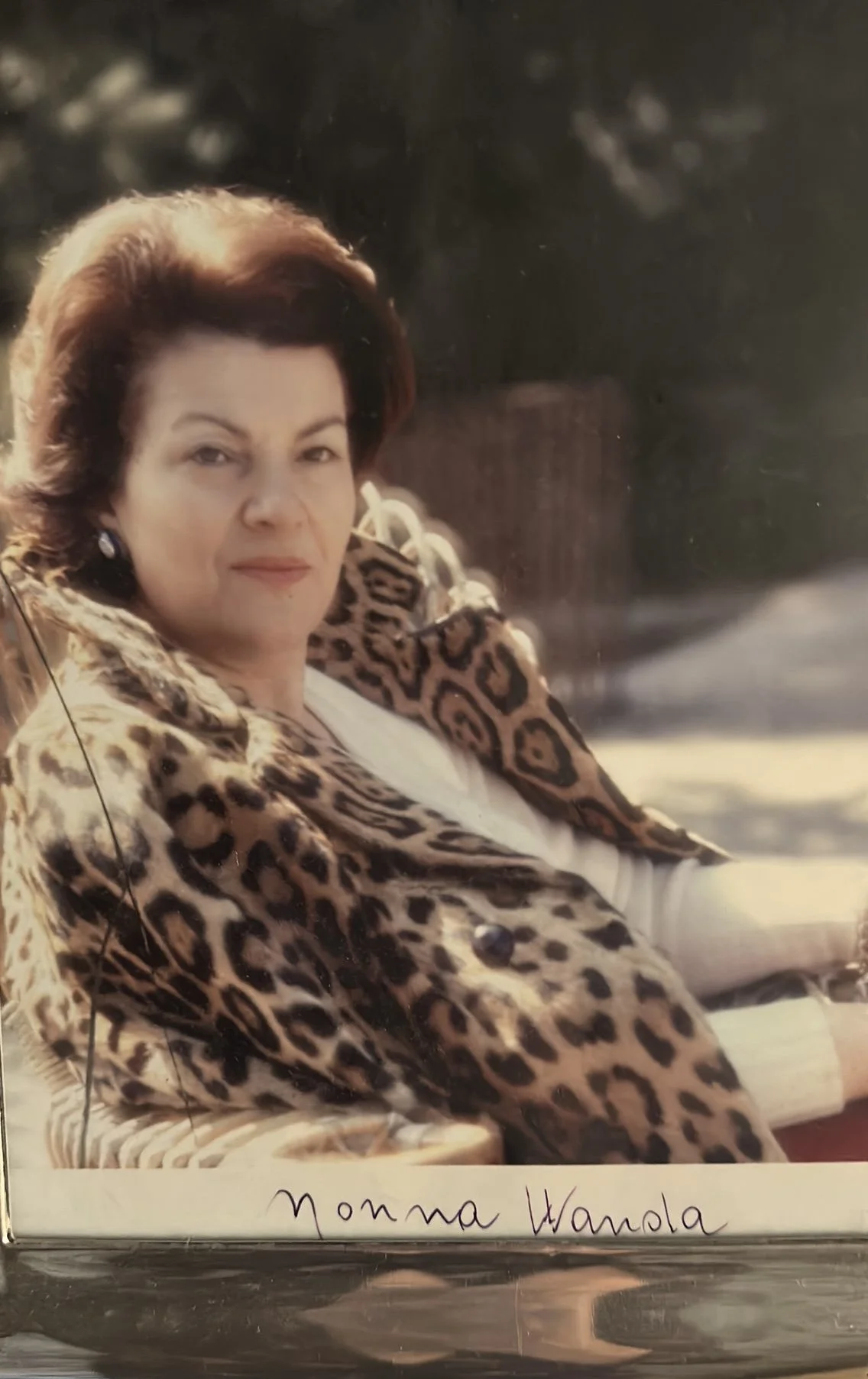
Wanda Miletti Ferragamo, began her sojourn into the glitzy and gritty world of luxury goods business alongside her husband. In the wake of Salvatore’s death in 1960, the Ferragamo brand was steered through treacherous waters by the creative entrepreneurial prowess of Wanda. She was among the first generation of women who entered the workforce. As a CEO for more than 20 years, she along with her family of six children forged ahead and helped take forward the dreams of Salvatore. Under her leadership, the company expanded from footwear to ready-to-wear fashion wear. The company’s success also came rolling along with the changing role of women in Italian society.
After facing financial hardships during the Great Depression and the troubled years of the War, the company grew during the post-war economic boom. A change to this changing identity of women was reflected in fashion too. Every year, the museum selects a new theme for its exhibition structure, based on the various aspects of the world of Ferragamo, to continue its work as a cultural facilitator and patron of creative expression. This year, in particular, it pays tribute to ‘Women in Balance’ to honour Wanda Ferragamo’s memory and put the focus on women of the fifties and sixties, known as the time of the ‘economic miracle.’ As Italian women joined the workforce, their changing gender roles reflected in their clothing and the footwear of their time. Women were finding freedom from domestic restrictions and entering the fields of art, culture, politics, and other professions which were largely dominated by men.
The Ferragamo Museum is a prime example of how a family- run company’s cultural initiative can contribute towards current phenomena in the world of art, design, entertainment, costume, communication, information, architecture, and a multitude of other disciplines. It is, in other words, a mecca of fashion aficionados, inspiration seekers and cultural travellers.
FERRAGAMO after Ferragamo
Rising from his humble beginnings in Hollywood, Salvatore returned to his homeland to start his eponymous label. Propelling Italian artisanal shoemaking to meteoric heights of global recognition, his experimentation with materials like cork, nylon, straw, raffia, cellophane, and leather, taking inspiration from textiles and making use of colours, brought grace and sensuality to artisanal shoemaking. His magical creations were immortalised on the silver screen. From Dorothy’s ruby red slippers in The Wizard of Oz to the strappy white stilettos worn by Marilyn Monroe in the iconic scene of her billowing skirt in The Seven Year Itch were designed by Salvatore. His shoes are the symbol of Old Hollywood glamour — from film stars and fashionistas to royalty — his designs were favoured by an elite and global clientele.
Salvatore and Wanda’s eldest daughter, Fiamma, who had left her studies of the classics to join the family business, learned shoemaking under her father’s tutelage. Showcasing her first collection at the age of 19, she succeeded in stepping into the shoes of the shoemaker of dreams. Taking the company to the global stage, receiving the Oscars of the fashion world and managing the core footwear and leather goods business. The Harvard School of Business even depicted her as a model example of running a family business, setting her up as an icon of Ferragamo’s next generation of female business-women.
The company’s ethos is rooted in the legacy of the family as much as it is in the city of Florence and its long and enduring history as a flourishing cultural centre. At the same time, it was the grit and determination of Italian artisans, whose labour led to the reputation of the company as a premier fashion house.
Since the death of the company’s founding figure, Wanda Ferragamo, Salvatore’s widowed spouse and his staunchest pillar of support, shouldered the mantle of Italian craftsmanship. Under her resilient leadership, the company’s range grew from iconic shoemaking to fashion showmanship. The glorious kernel of era-defining design and cultural impact planted by the luxury designer’s creative genius is at the heart of the house of Ferragamo.
Its modernising operations were expanded to include silk scarves, fragrances, leather handbags, ready-to-wear, and small leather goods. The company’s impact on contemporary footwear design is evident in its worldwide legacy, from the wedge heels to its many other creations such as the ‘invisible sandal’, and other patents and trademarks. What is less known is this side of the Ferragamo story, the personal achievements of the women of the family and how it contextualises the changing lives of Italian women.
With a focus on footwear and leather, Ferragamo was rebranded last year in September 2022, from its original name Salvatore Ferragamo S.p.A to FERRAGAMO to cater to a contemporary fashion world. While Ferragamo’s founder’s story was all about romance and glamour, it has kept its family legacy and Florentine culture at its core. Its continuing dominance in the fashion industry is through the constant effort of the Ferragamo family and its trusted employees. In its new era, the company is inspired by its Hollywood history and equally invested in the challenges and changes of the world.
At Hotel Lungarno
Every traveller seeks shelter for a night’s rest, but the modern traveller seeks an immersive experience along with leisure and relaxation. A stay here means an intimate and personalised tete-e-tete with luxury art and design. The Ferragamo family also owns the Lungarno Collection with its flagship property Hotel Lungarno in Florence, marking an obvious choice for this design-led, art-inspired, and culture-specific company to expand into serving the best of Florence to visitors. The Hotel is the perfect place to indulge in Tuscan hospitality and admire the city’s heritage.
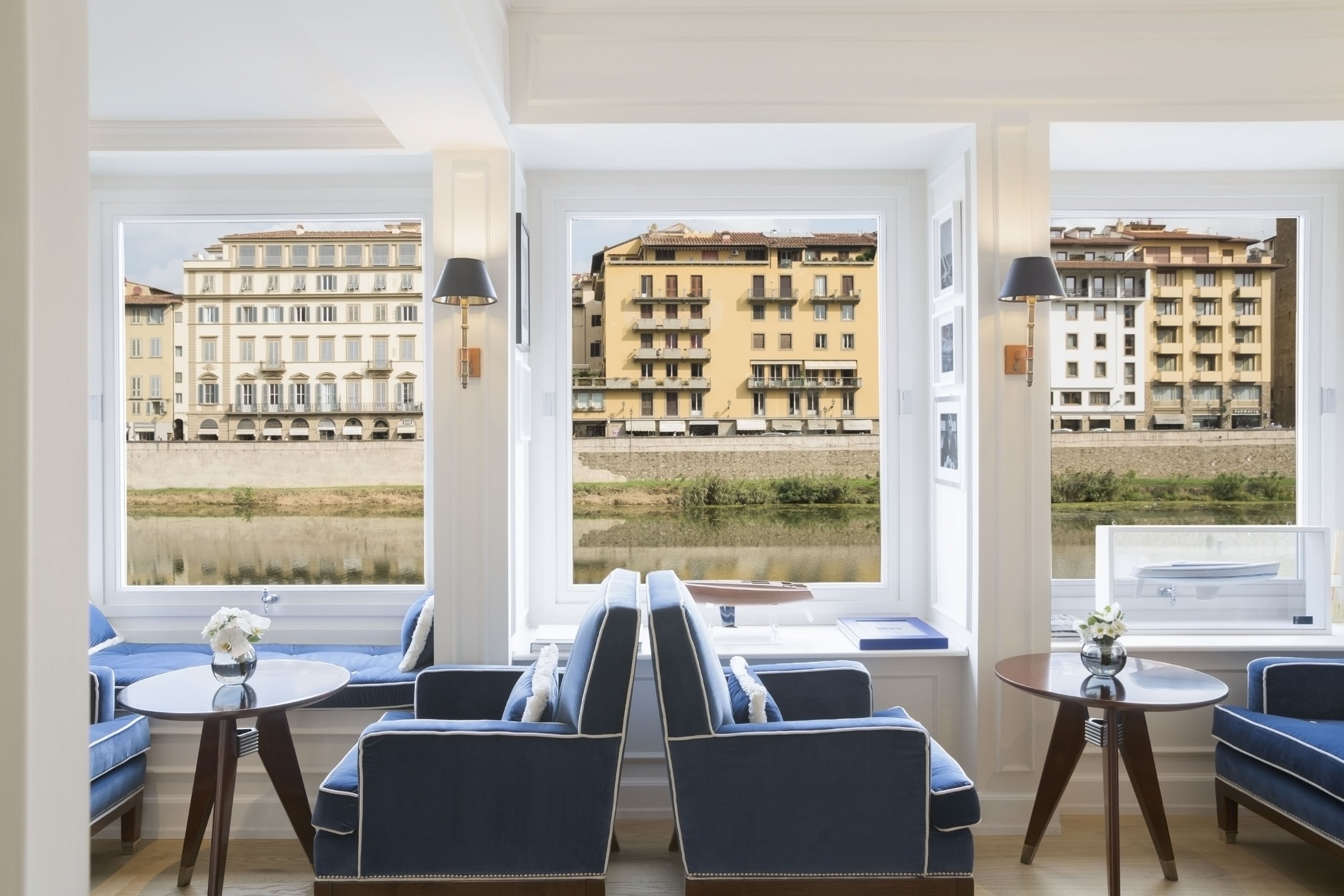
One can glimpse the blue waters of the river Arno and the city’s skyline studded with awe-inspiring heritage Renaissance architectural wonders from its rooms. It is surreal to sleep in this space, interiors decked with a 450 plus art collection, making Lungarno an unforgettable memory.
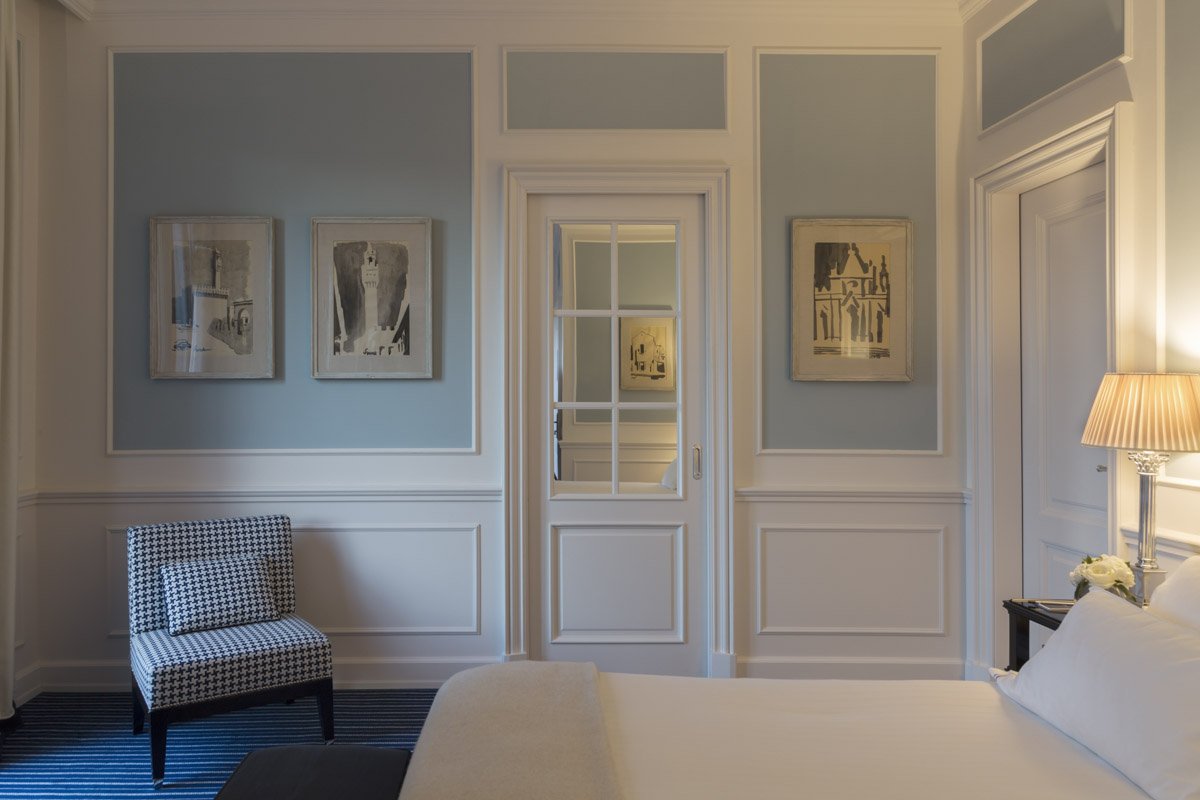
Hotel Lungarno is where classic luxury meets high art. We were mesmerised by its art collection and elated to find the works of Picasso, Cocteau and Bueno. This splendid residence evokes and breathes into the enchanting mood of Florence. The magnificent medieval arches of the Ponte Vecchio or the Old Bridge, over the River Arno and its lucchetti d’amore or love locks overlook us, as we soak in the splendour of the city’s legacy, from culture and fashion to art and architecture.
The hotel is suffused with maritime motifs and patterns to accentuate the beautiful riverine scenery it offers. Colours associated with sailing create an evocative atmosphere which interior designer Michele Bonan calls, “The sense of sailing, the constant river view contrasted beautifully with that of a cosy home.”
The hotel is vaunted by the aesthete who travels for an experiential stay. Suites and rooms curated with a unique theme dedicated to a special artist’s oeuvre make Lungarno a space seeped in art history and design.
The restraint and understatedness that they cultivated early on have consistently appealed to the luxury consumer. They continue to embody the quiet sacrifices, companionship, and familial love that have been central to propelling the brand to great heights, despite acquiring new meanings with the shifting cultures around.
Visit https://www.lungarnocollection.com/
References:
Zucconi, Guido (1995). Florence: An Architectural Guide.