Is the Contemporary Hospitality Industry emerging as the Locus of New Cultural Synergies?

In the crossing of cities and time zones, the contemporary traveller longs for the warmth of a home away from home and an experience that is rooted in culture and community. Befitting these, are the intimate and chic concept and boutique hotels that are purposefully designed keeping the evolving urban wandering spirit in mind. A new ‘experience economy’ is being defined with the boundaries between design, travel, hospitality, fashion, and retail sectors increasingly getting blurred as brands have set out to connect with consumers through humane touch points.
Travel and hospitality have always helped in making us feel liberated while letting us design our lives the way we desire. The human urge to explore, work, and feel rejuvenated has typically been sustained by hotels, and luxury retreats. But with changing consumer patterns, new typologies like homestays and aparthotels are coming into being all over the world. The modern-day traveller has now earned himself a coveted position across the tourism and hospitality sectors wherein one’s behaviour, comfort, and aspirations are cautiously taken into account through various media at different stages to curate a memorable experience. It is the curation and promotion of such experiences that is boosting the count of concept and luxury boutique hotels that offer bespoke services and are pushing the boundaries of design, creativity, and storytelling.
No place like Rome
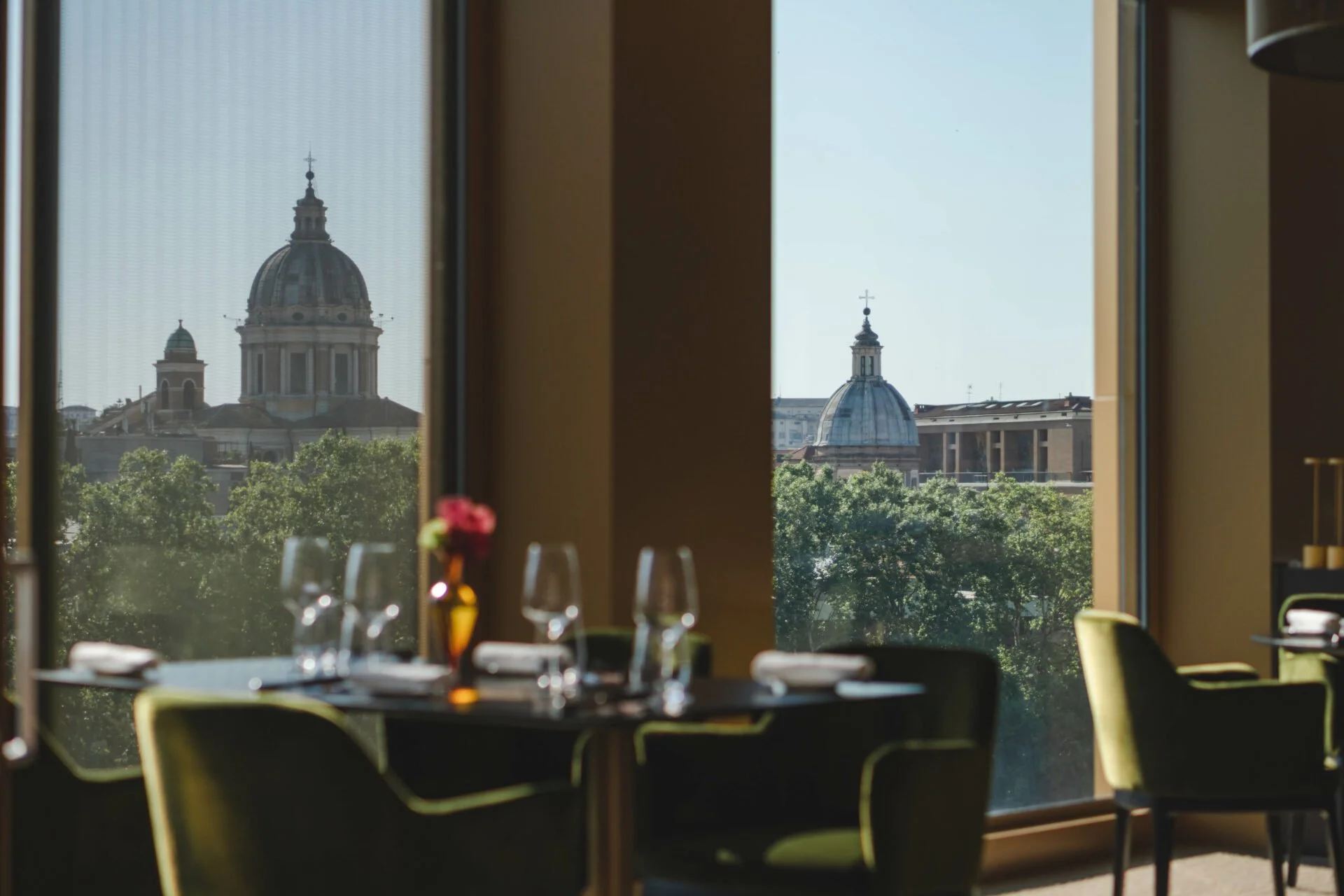
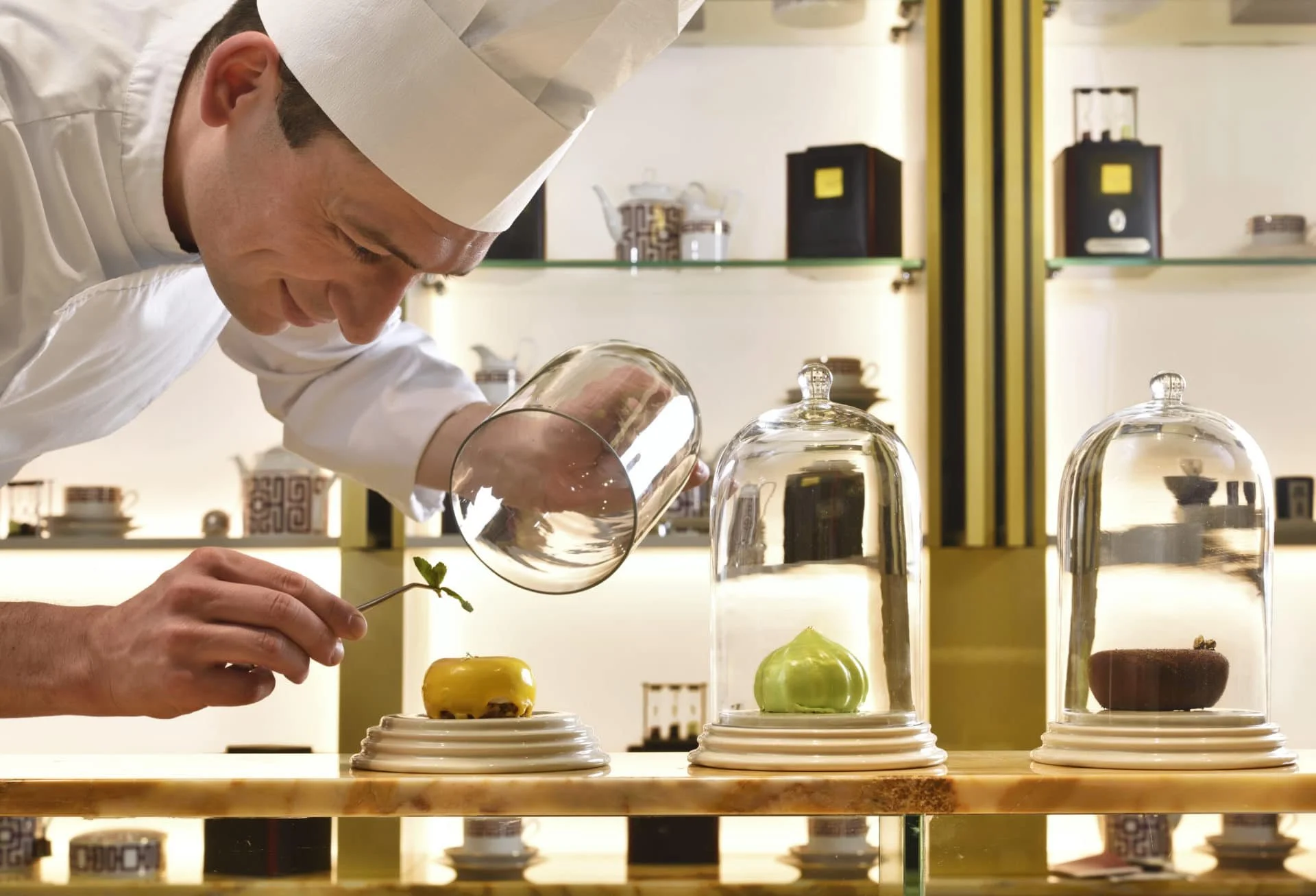
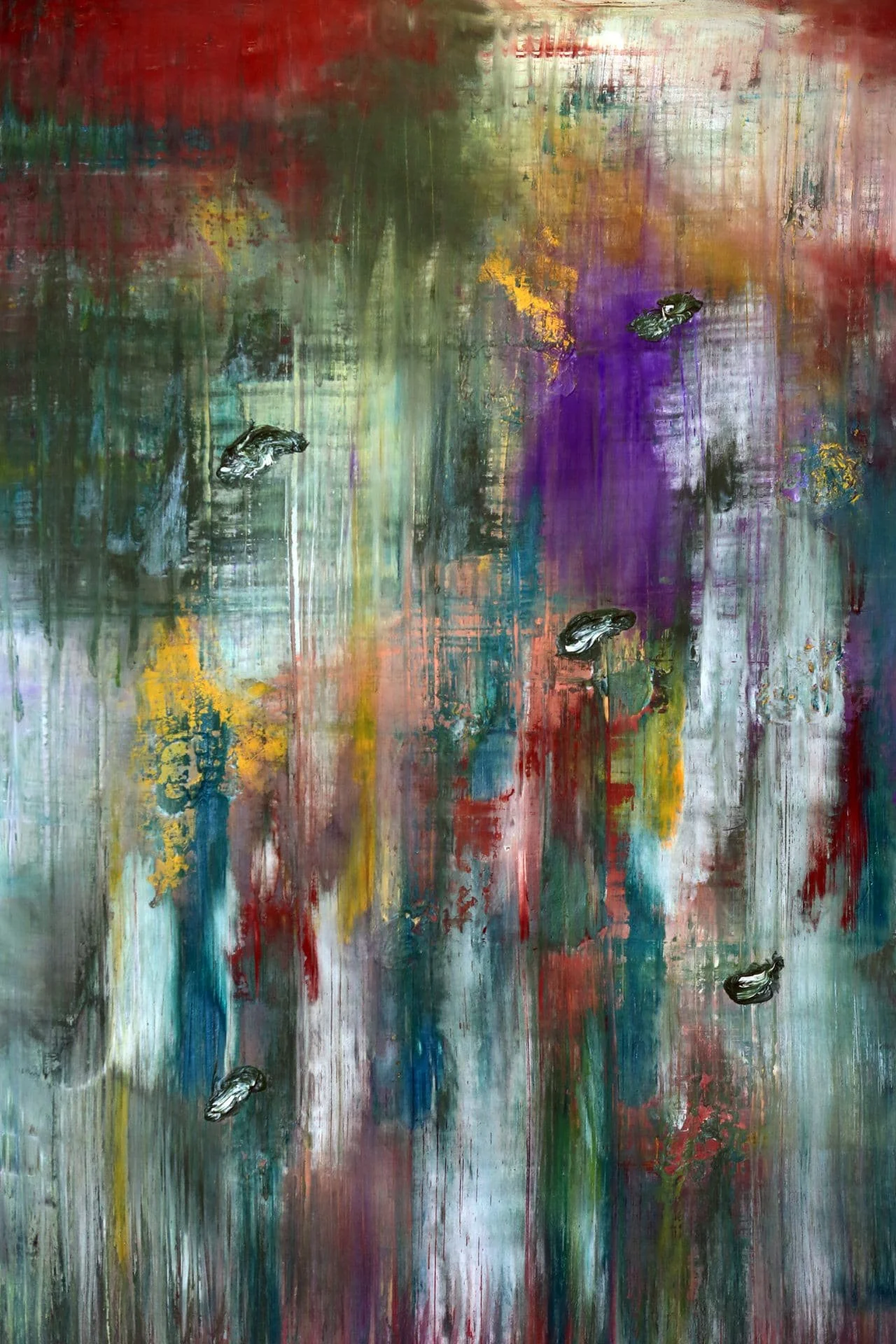
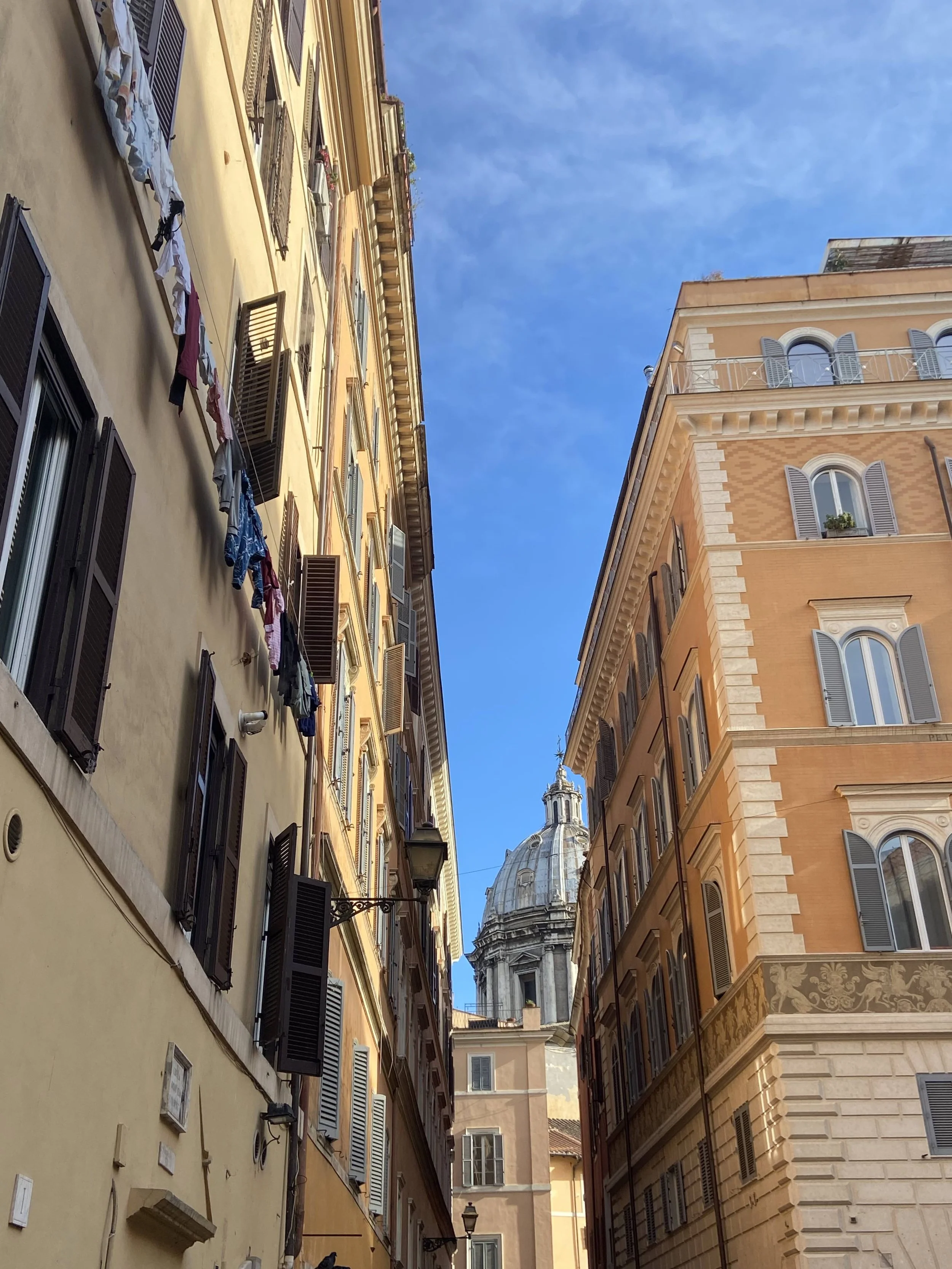
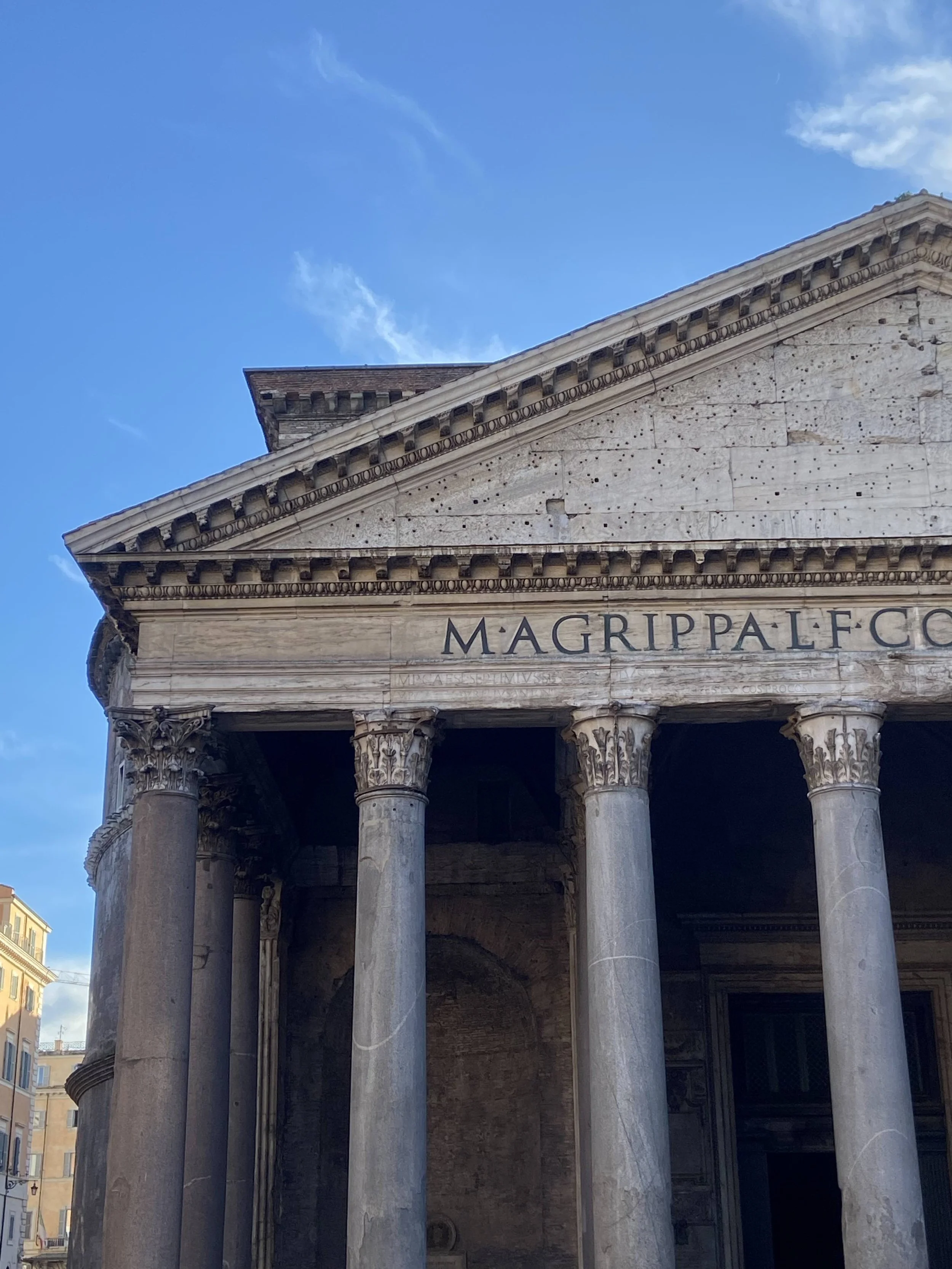
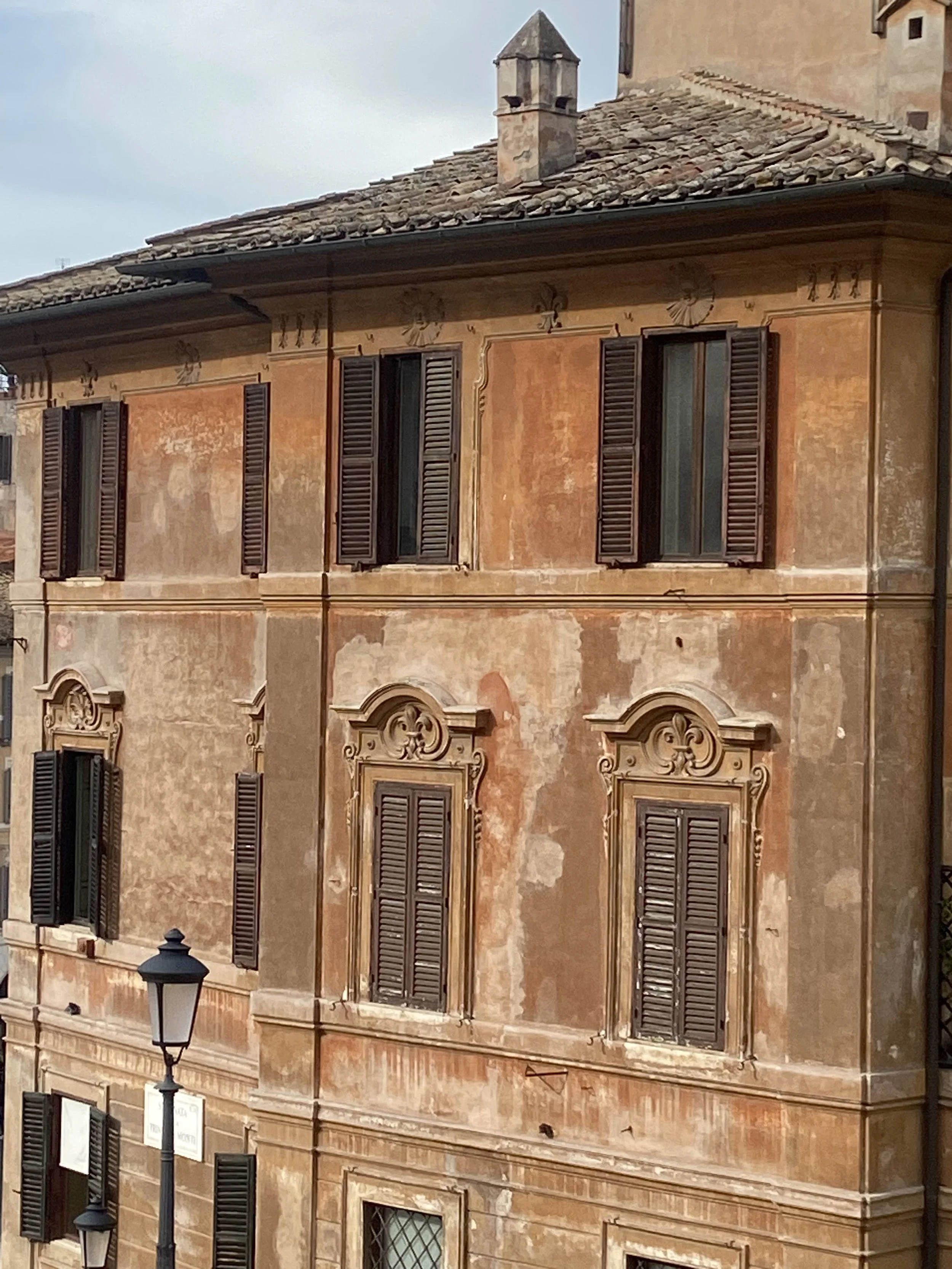
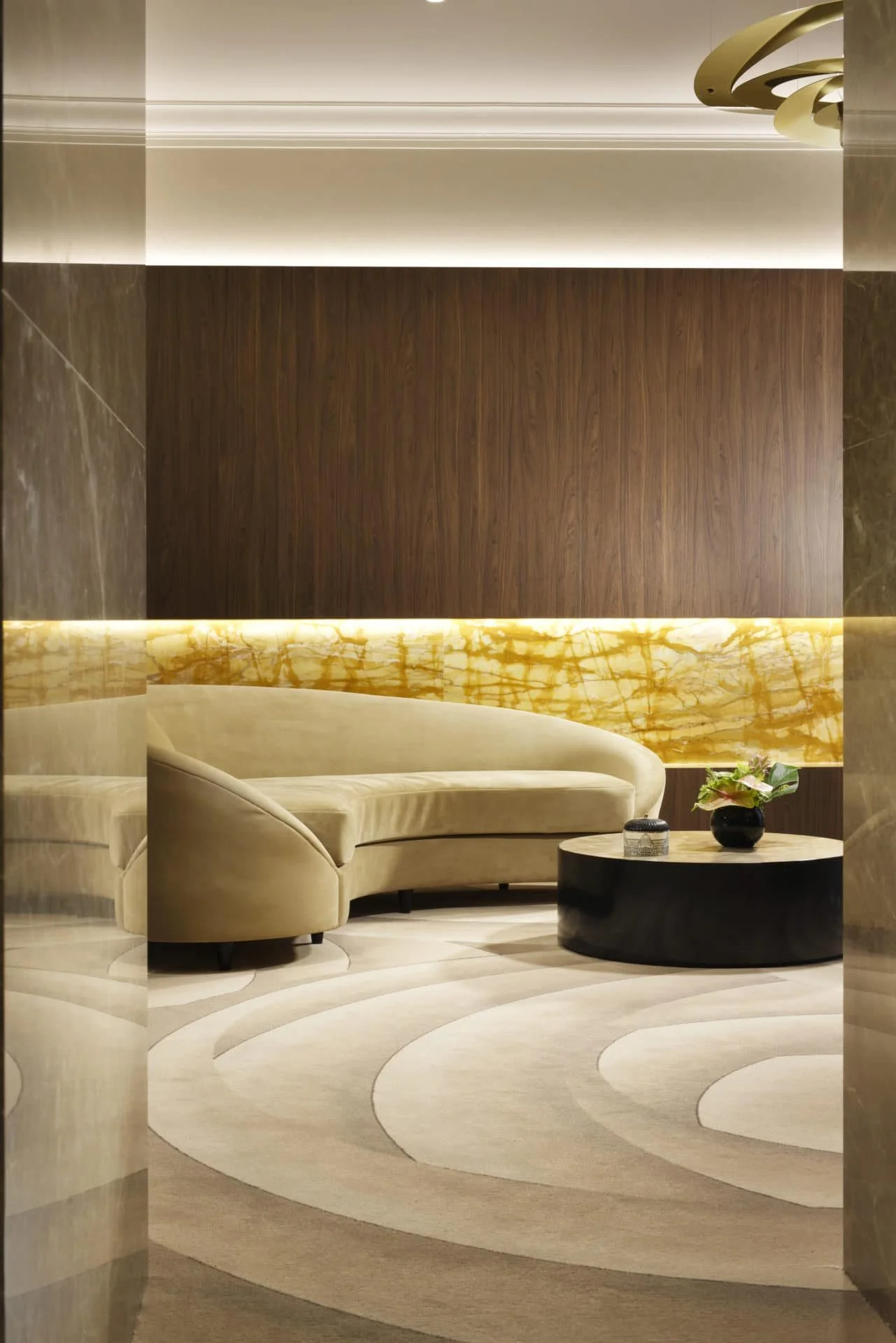
The beauty and timelessness of the eternal city extend into the interiors of the three boutique hotels – Arte, Dolce, and Musica, by The First Roma. On one hand, the Arte’s lobby with engaging artworks of local artists and tastefully decorated suites evoke Rome’s image as a design and cultural epicentre, while on the other hand, the Musica stands elegantly on the banks of the Tiber, one of Italy’s longest rivers. The First Roma - Arte’s aesthetics are stimulating and contemporary, although with a historical touch. Its rooftop restaurant, Acquaroof allows scenic views of the Roman architecture around as one gets familiarised with the delectable Mediterranean menu that includes exclusive seafood creations and traditional Roman dishes. Its another culinary asset, the gourmet restaurant, Acquolina, having won two Michelin stars offers intriguing dishes made by Chef Daniele Lippi along with fine wines. Located in one of Rome’s most iconic streets – Via del Corso, close to The Spanish Steps, the Dolce is housed in a 19th-century building designed by Italian architect and urban planner, Giuseppe Valadier. As a brand, The First Roma’s aesthetics and curated offbeat experiences are reminiscent of the city’s deep and sophisticated relationship with art and architecture and it is here that one can truly engage with the Roman aura. The Dolce's restaurant, 'Velo' specifically stands out among these hotels with its wide variety of tempting pastries, afternoon tea, high tea and the a la carte menu. The delectable fare served here compels one to spend a generous amount of time at a leisurely pace in authentic Italian style.
The contemporary hospitality industry is now more porous than ever. With arts and culture emerging as all-encompassing disciplines, there is now enhanced patronisation and engagement. The design, tourism, retail, and fashion arenas are all witnessing an upheaval. It is how activities in these blend to create meaningful experiences that determines the impact on the present-day traveller. At a time when technology and artificial intelligence have been growing by leaps and bounds, it will be interesting to see how travellers and brands navigate the digital and analogue worlds together. It is the best of both that will be instrumental in shaping the trajectory of the cultural sectors. How concept and luxury hotels preserve their authenticity and appeal while scaling up and staying true to their founding visions and the planet’s well-being will together decide the future of the experience economy.