
Imphal to Shillong
From the vivid sensory experiences at the women’s market in Imphal to the lush pineapple fields of Shillong, a memorable journey through the capital cities of two of India’s Seven Sisters—a cornucopia of cultural discoveries awaits travellers who look for stories in every corner.

First Stop: Imphal
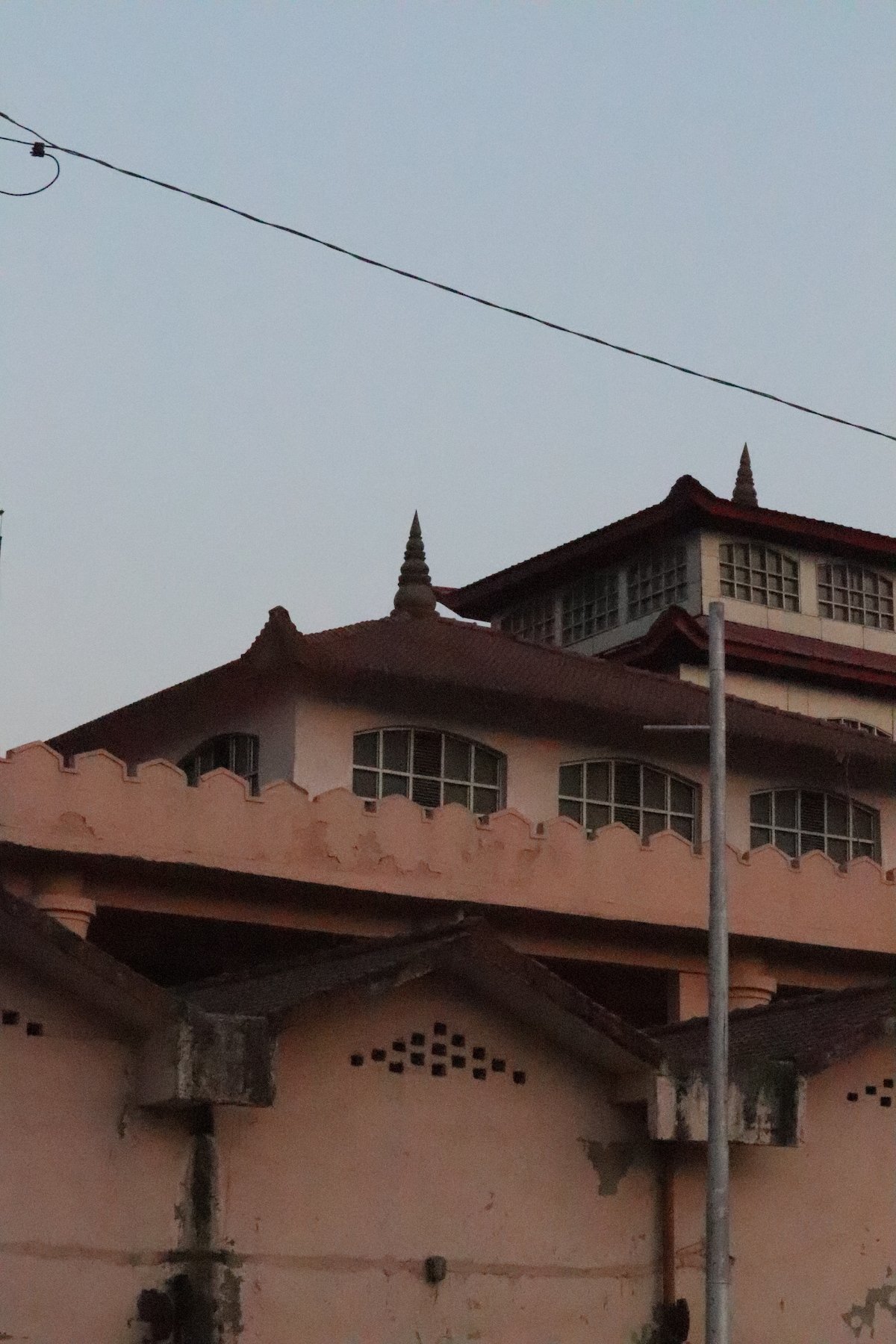
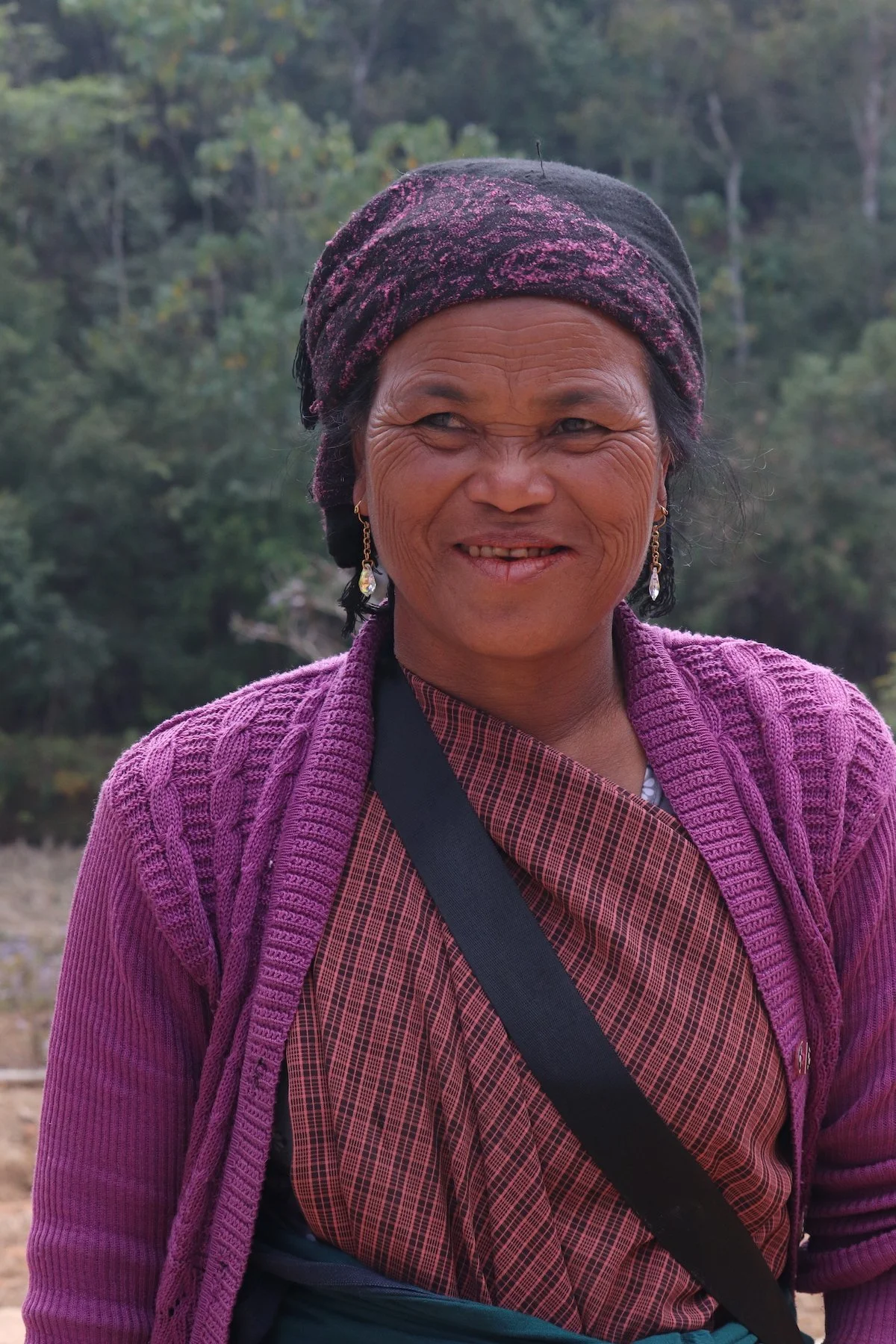
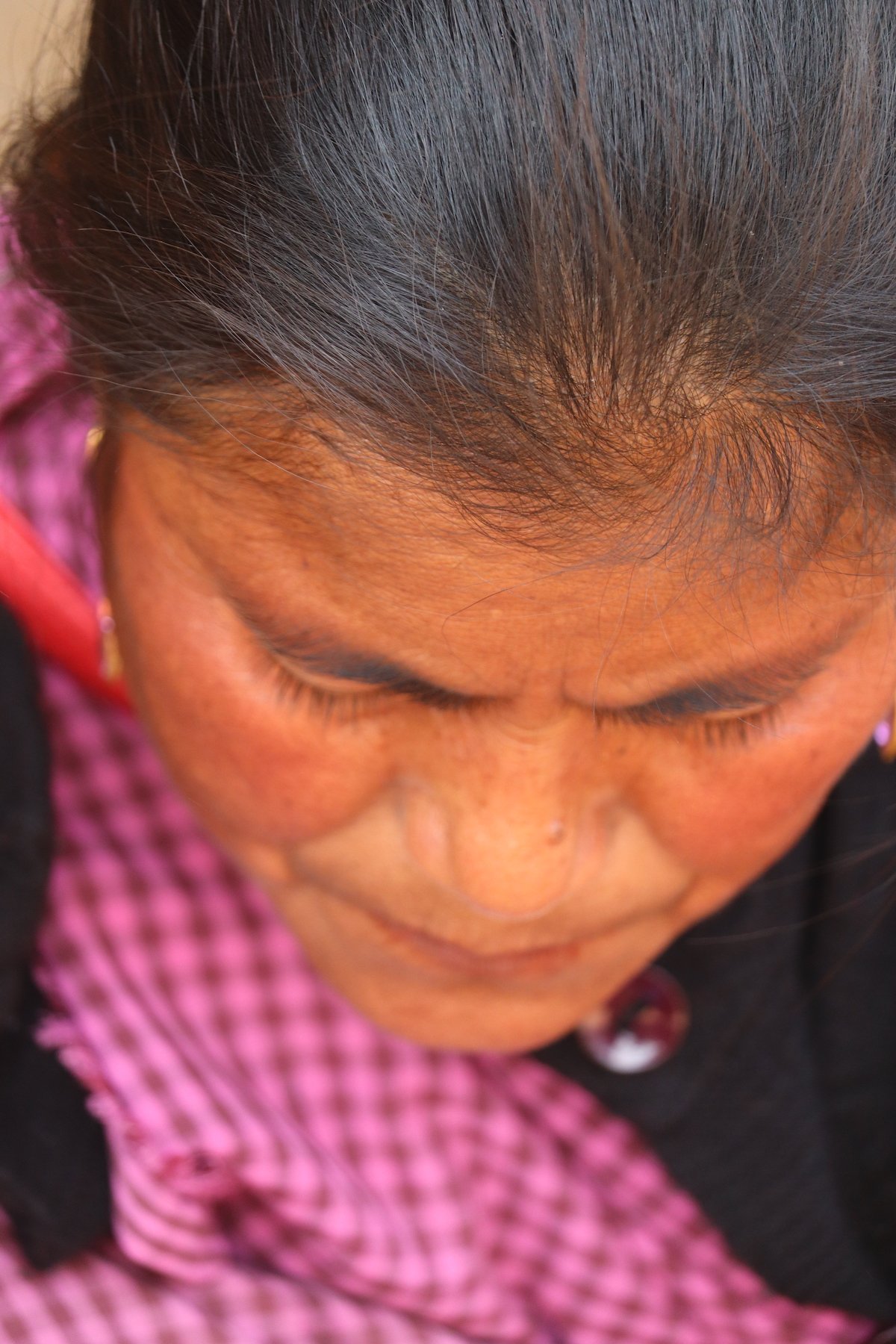
The lush green hills of Manipur can be really quiet at daybreak. That is before one enters Imphal, the capital city of the state. And just like that, the streets break into merry chatter of clamouring crowds. Houses, shops and public buildings stacked against the clear blue sky evoke a strange unruliness run by an innate sense of logic that is difficult to discern. There are smells from all corners of the place, sometimes in the form of floral fragrance from a faraway orchard or a strong waft of tangy bamboo shoot from the roadside stall carried by a cool breeze from near and far.
Imphal greets you with a unique aesthetic that leaves a lasting impression on the traveller’s mind.
Taste of the Wild
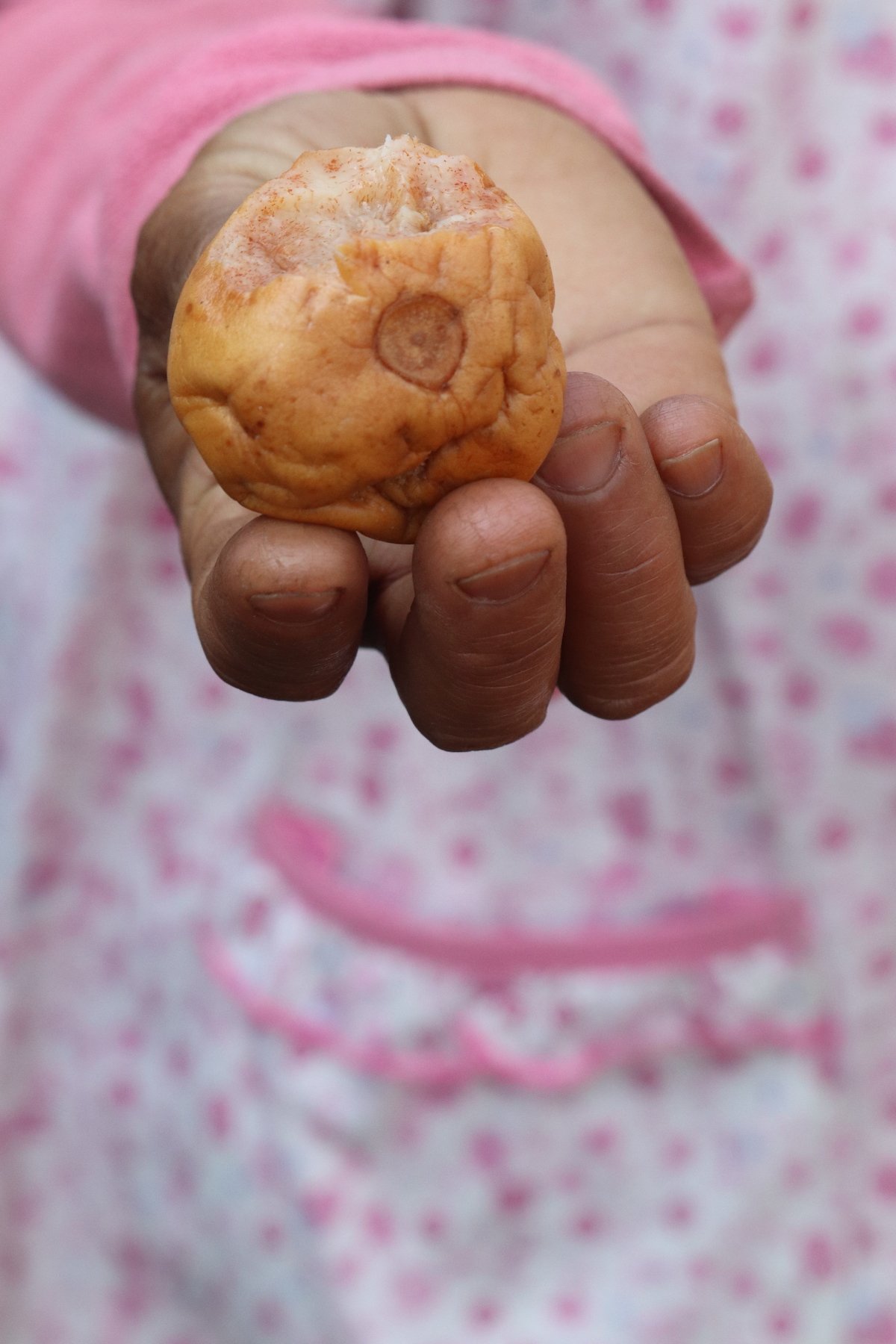
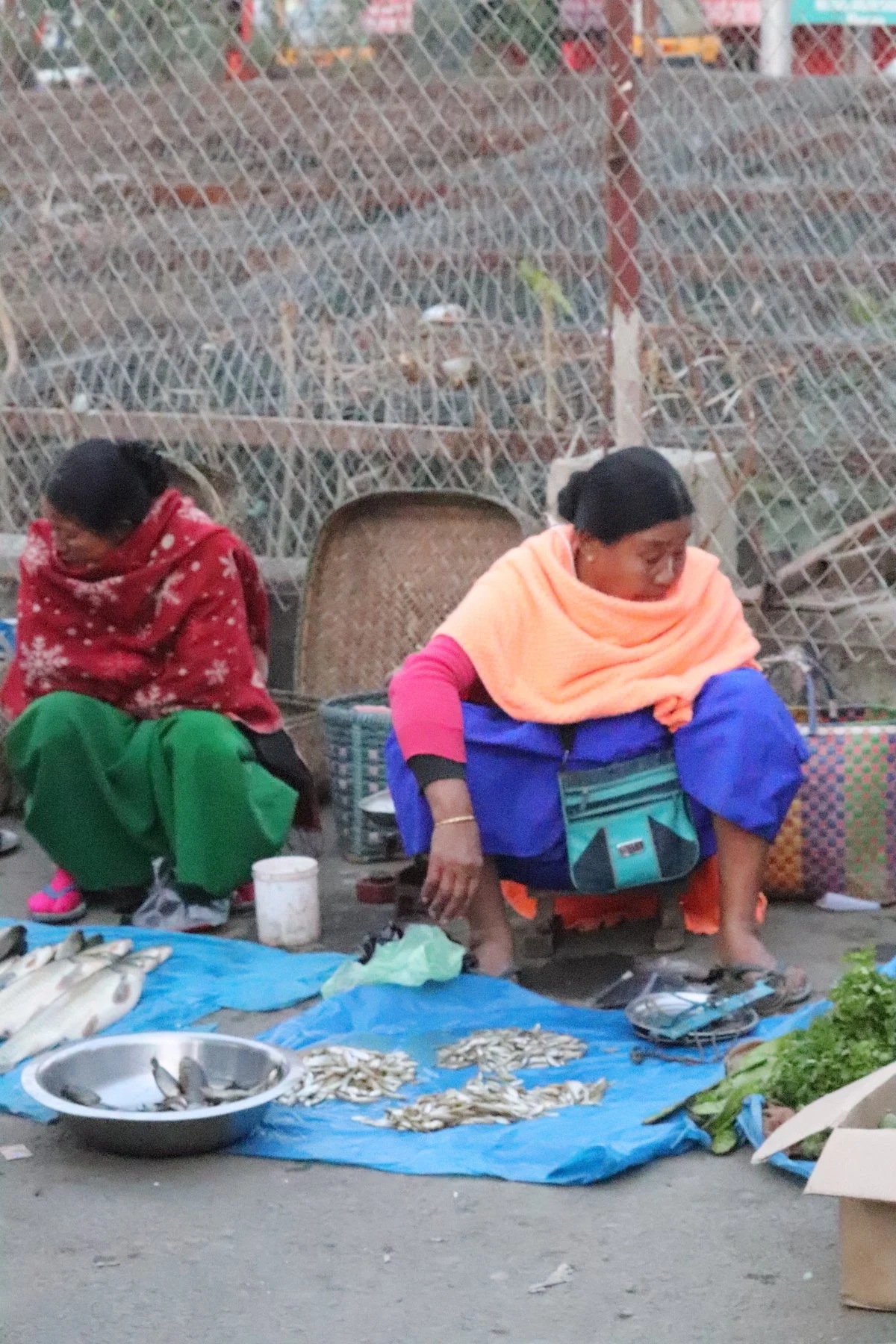
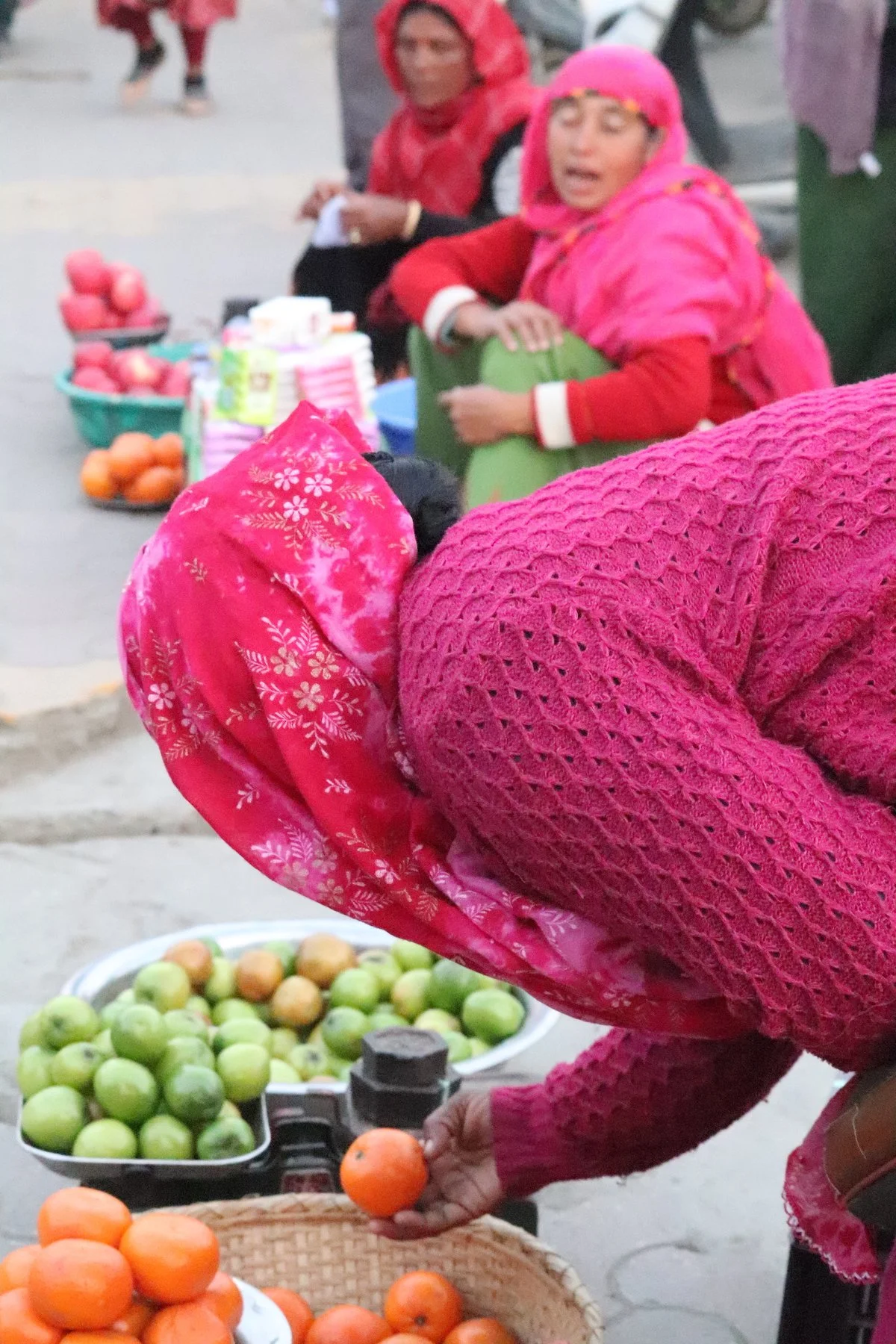
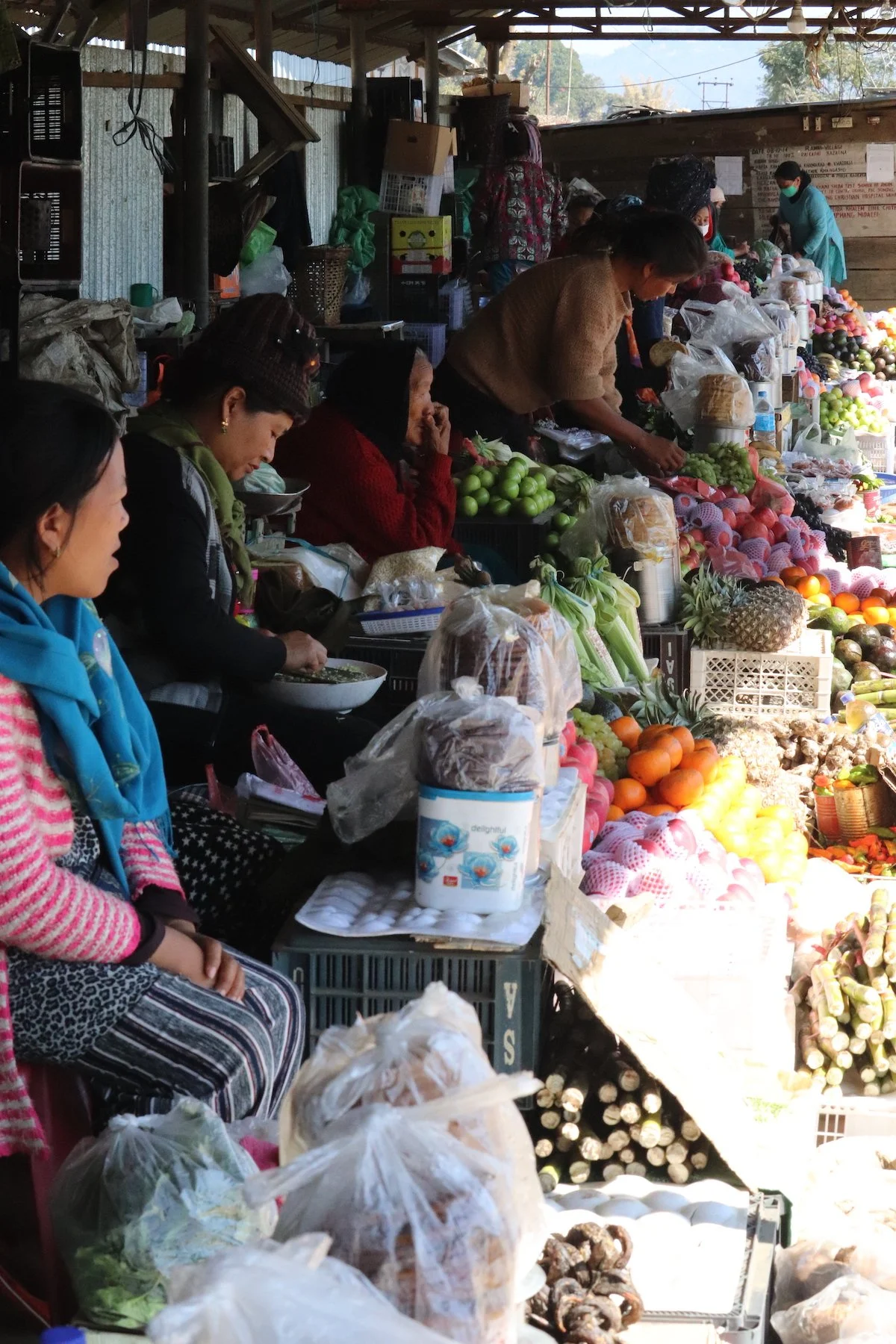
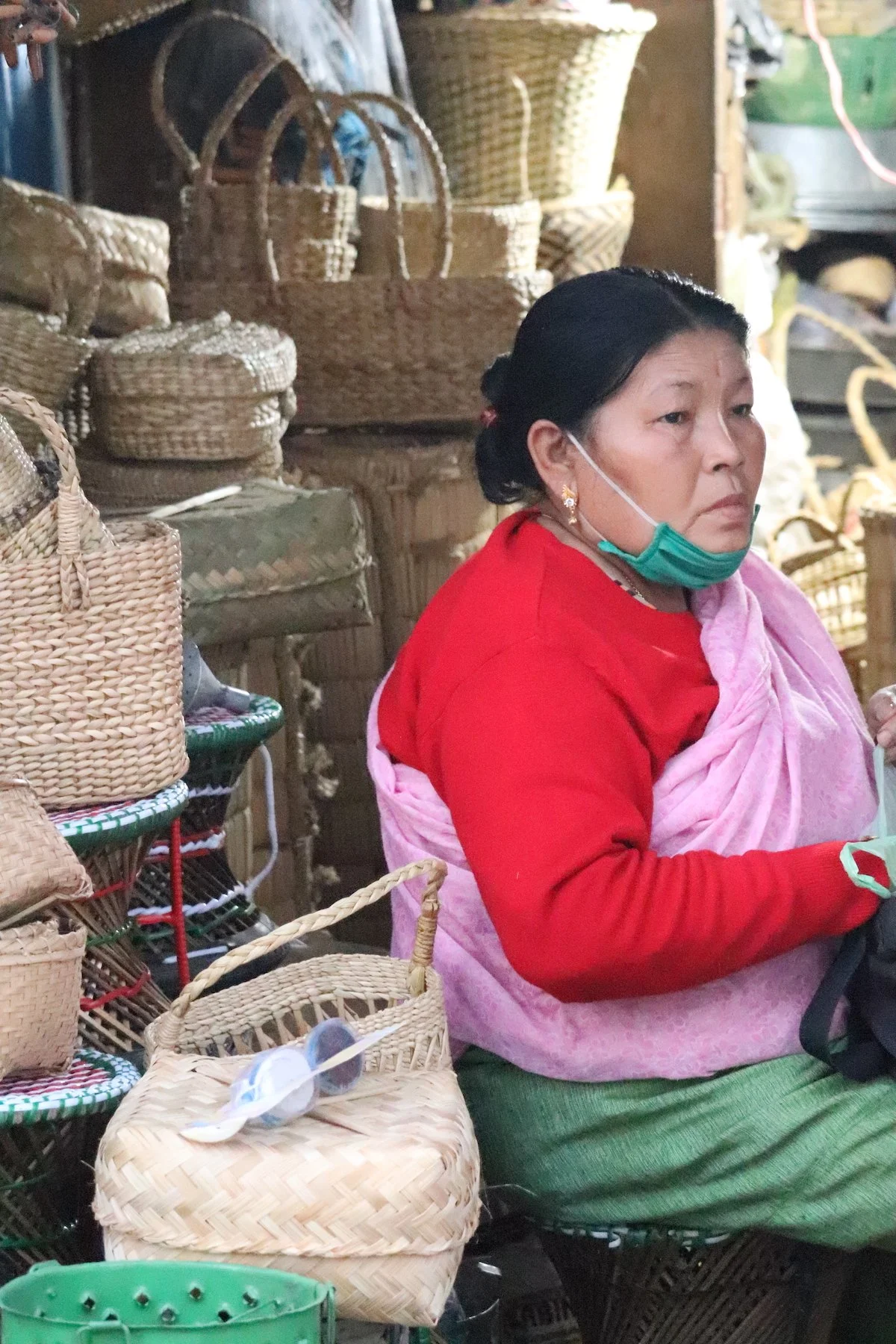
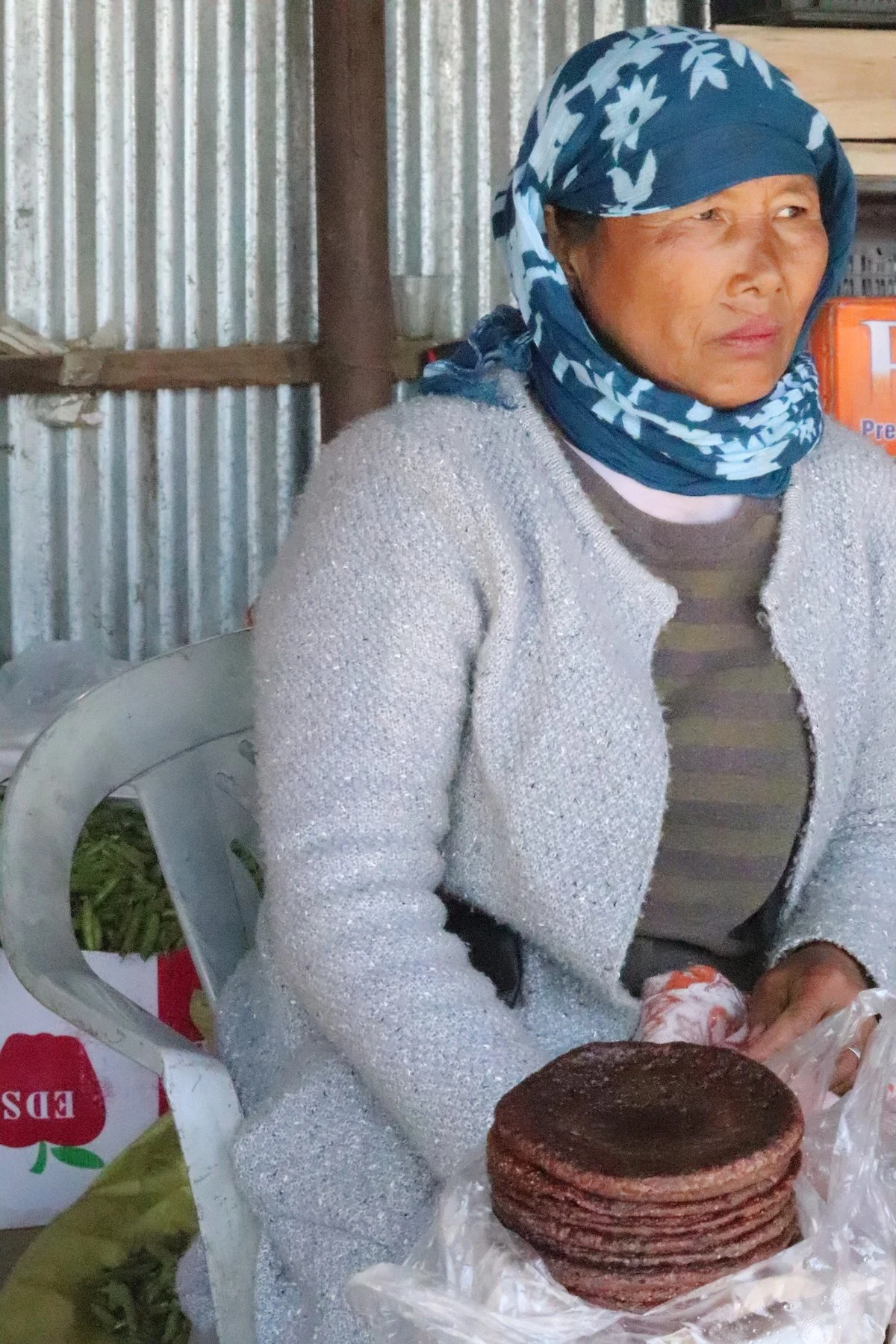
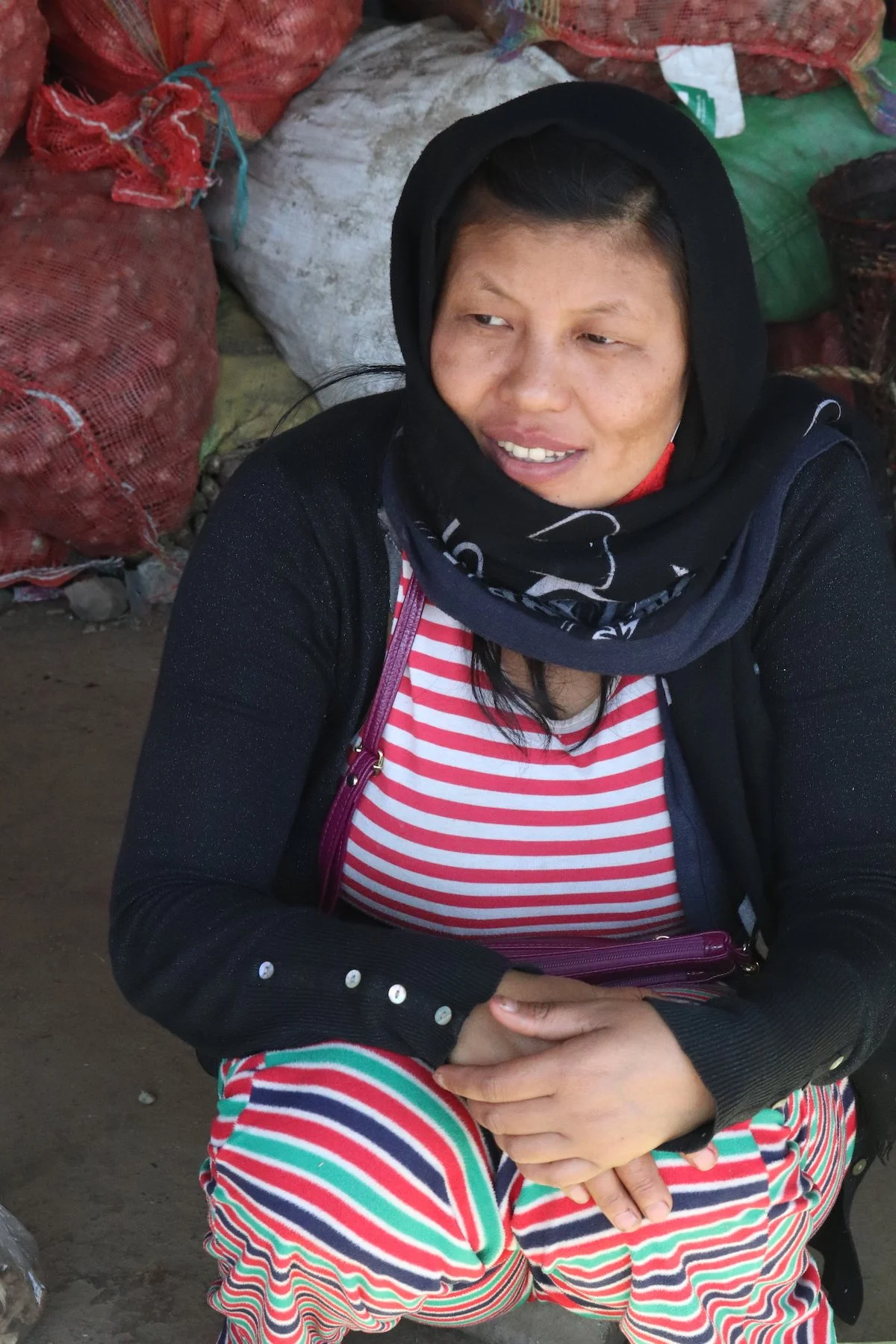
How to sum up the flavours of a place with a specific taste? In Imphal, it would be the zest of wild fruits. The flavours of the fruits compliment the overwhelming mood one experiences in plenty at Imphal. Flavours create unforgettable memories, and we made the fondest of memories in the Ima Keithal Market of Imphal—a traditional women-run marketplace combining the rustic essence of rural Manipur, the wild scents of the region’s forests and the mad urban hustle of Imphal city.
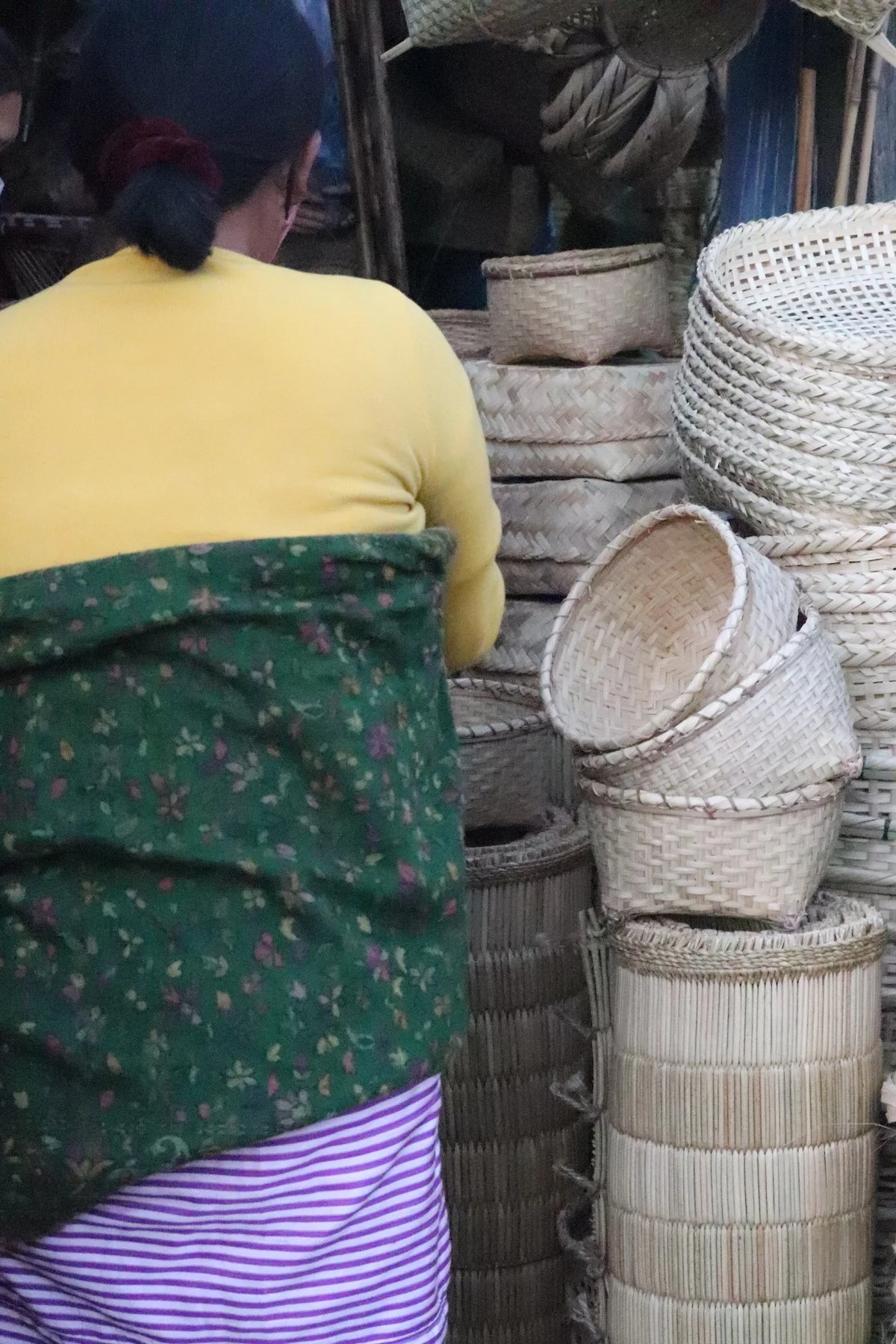
It is difficult to conjure words to describe the historic Ima Keithal or “Mothers’ Market,” which projects a people’s history of the region through its unique creation story. While it began out of necessity around 500 years ago, Ima Keithel is more than just a market today. Centuries ago, when the men of the region had to be away on frequent calls of duty or wars, women took charge of the local economy, fed the households and kept the hearth running with their hard work. These self-employed and self-sufficient women came to build a formidable public and political (local) presence since then, creating their own identity and autonomy as citizens and workers who would not keep quiet against injustice. The Ima Keithal evolved into a centre stage of women’s activities, empowerment and socio-political resistance against all kinds of political injustice. The most well-known example is Nupi Lan, two legendary demonstrations led by Manipuri women that challenged colonial rule.
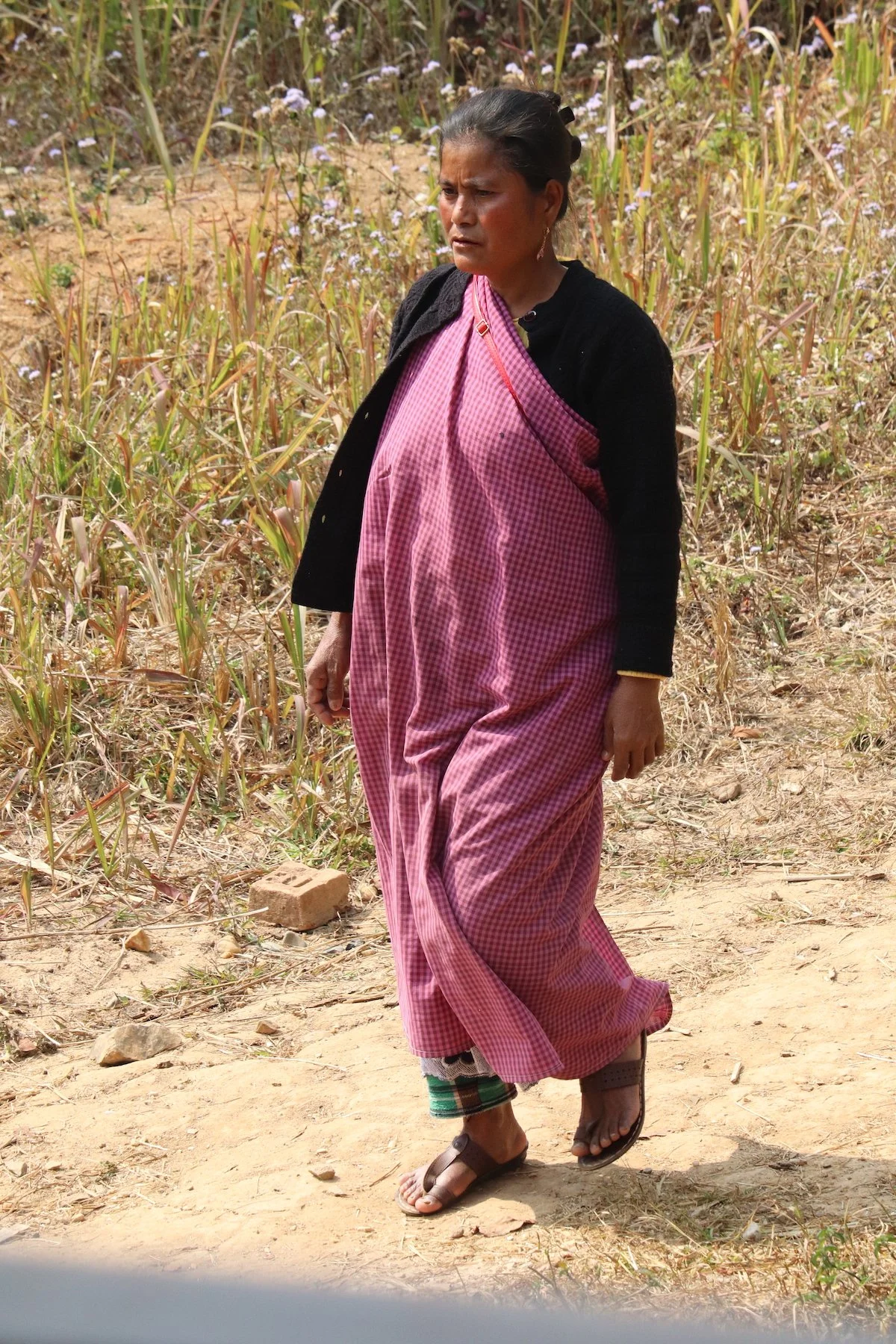
History accompanies every step when you visit this market. It follows you through your walks through the city, sitting alongside you on your crowded auto rickshaw rides. Auto rides through Imphal, one is filled with admiration as women ride the vehicles in large groups and reclaim their due space in this world. Adorned in colourful phaneks (sarongs) and innaphis (shawls), they inherit a spirit of resistance and pass it on to the younger generation.
Nuture’s Holy Communion
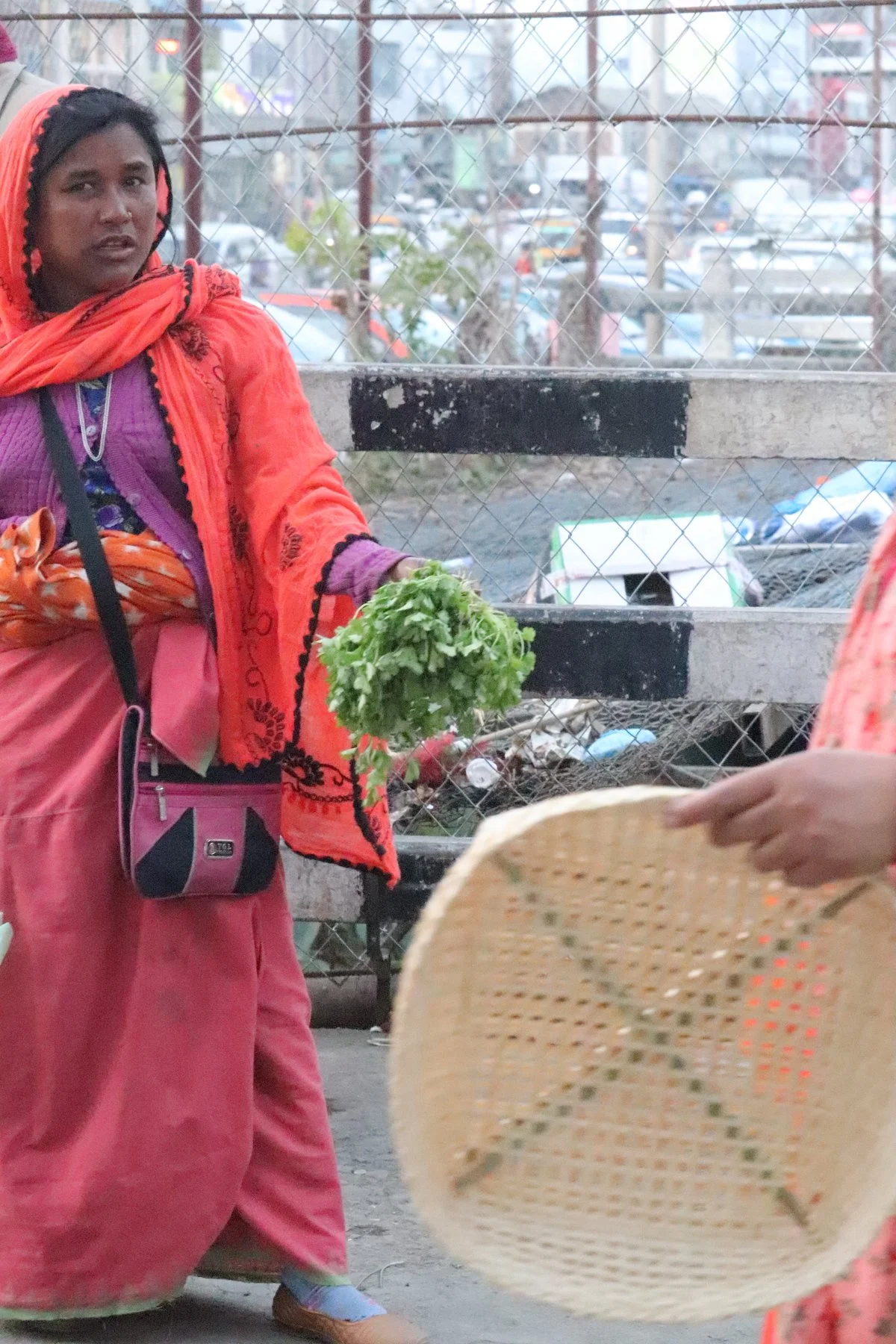
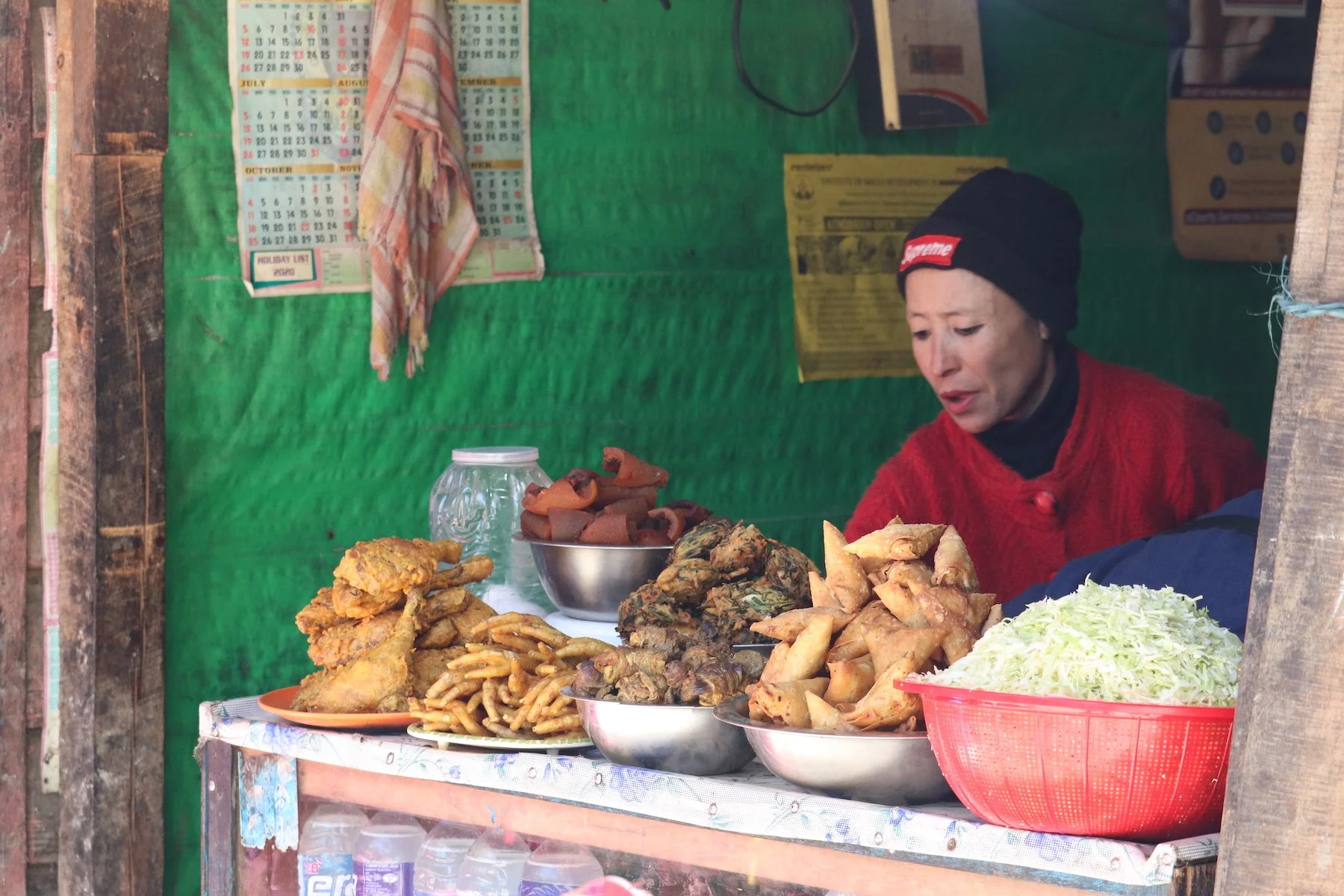
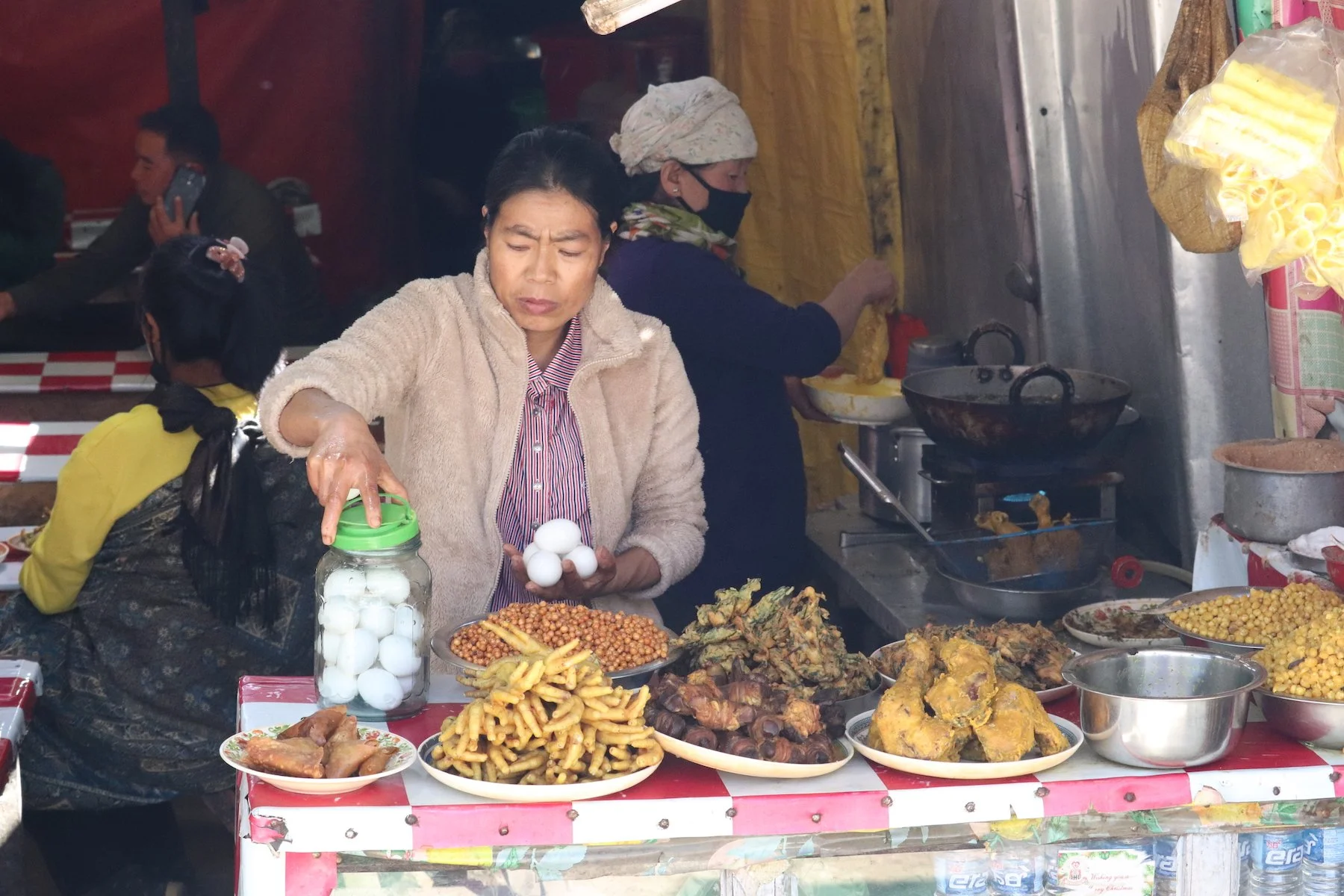
In Imphal, while scanning the local markets, we longed to take back with us the unique smells, sights and textures of the effervescent food culture. Farm fresh vegetables and fruits, wild berries and fermented fish, bamboo shoots and pickles, tubers and lotus stems —the markets are an endless world of visual delight. Uncountable flavours are lost every day—when food is packaged, preserved and compromised or when natural produce is industrialized. Far from the curated tastes of urban life, these street markets thrive in Imphal’s chaotic urban space, filled with unadulterated taste.
Our journey through Imphal was a celebration of the intimate relationship between the sun and the soil. The rain that makes love with the porous Earth and releases sweet petrichor. A local farm or kitchen garden fills with an all-too-familiar smell and blends the essence of the skies, the sun, and the rivers into one. The farmer's hands, anointed with Mother Nature's colours from primordial times, bring fruits of their labour to the "Mothers' market".
Our tactile travel experiences brought us closer to the journey of producing home-grown, farm-grown food that nourishes the body as well as the soul.
Second Stop: Shillong
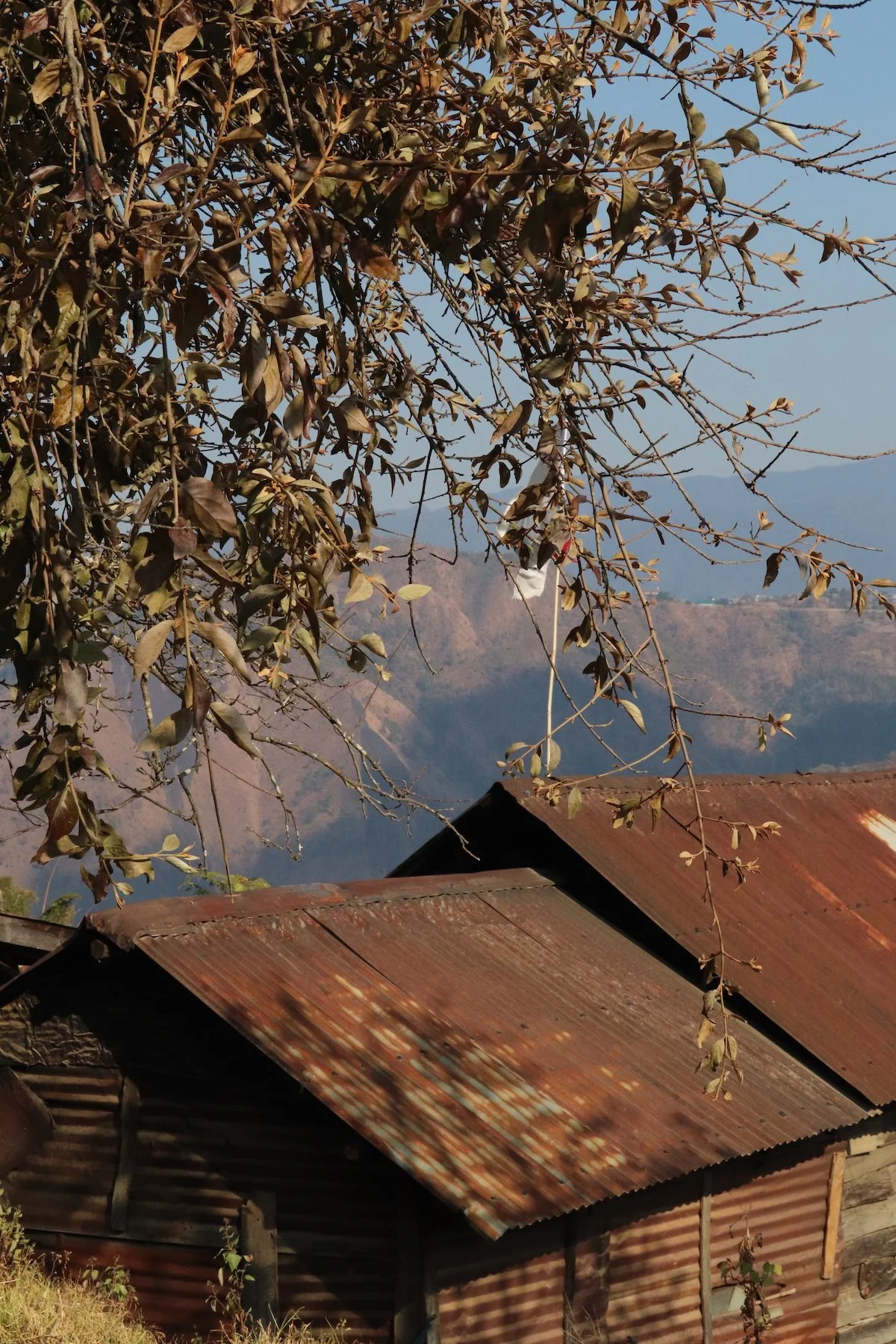
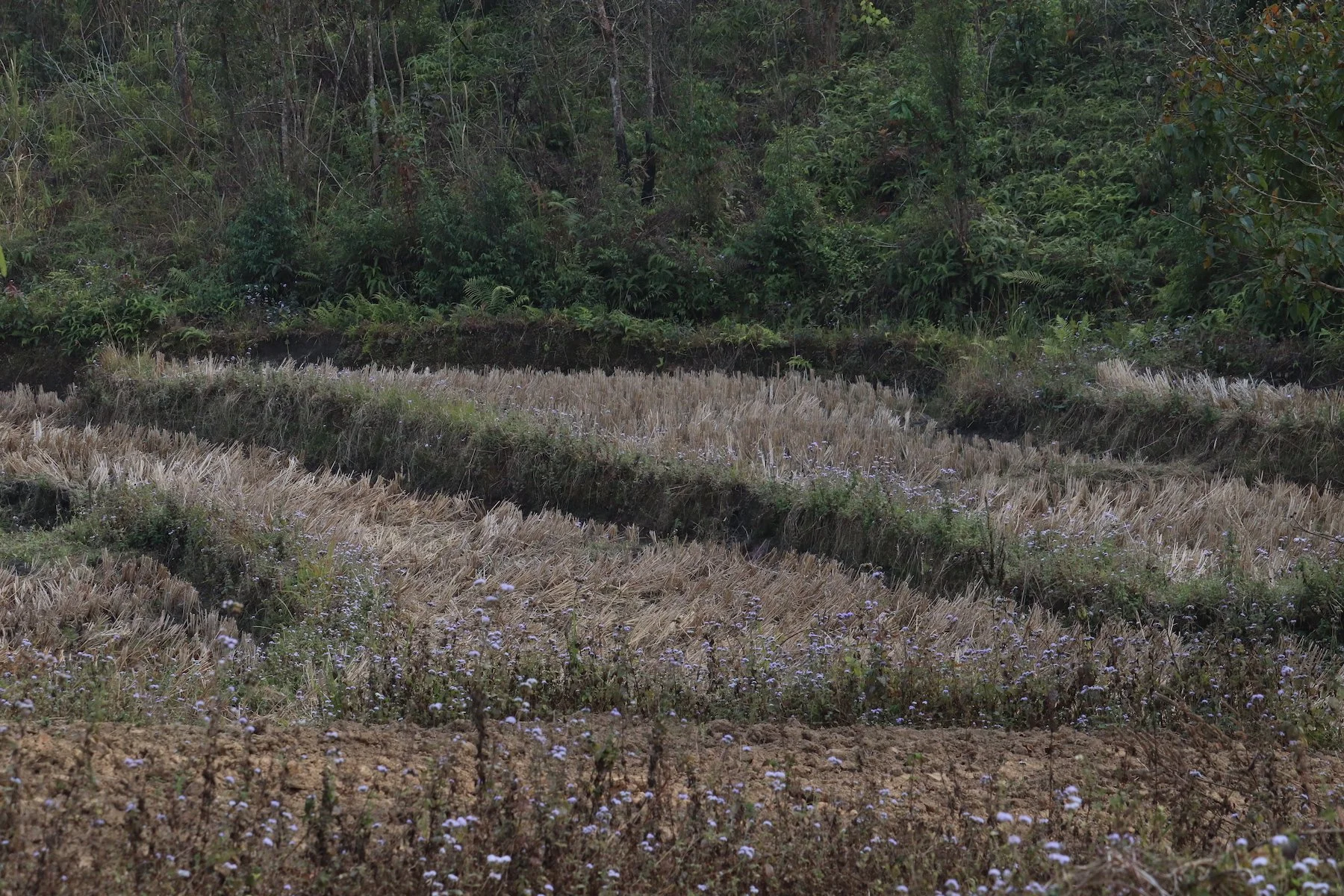
Driving through Shillong, one can catch vignettes of tribal diversity and traditional homes made of wood and mud. We were on our way to make acquaintance with the people and the culture of the capital city of the gorgeous Meghalaya, the hilly abode of clouds. The wooden houses, colourful textiles and skilled artisans at work completed the pretty picture amidst the white cumulus that adorned the hilltops. Joyfully, we communed with rows of pine trees interspersing the roads. It is evident that the people here are tied intimately to their natural surroundings.
Besides its usual spots flocked by travellers, Shillong has an obscure side that is best discovered slowly. We craved the unusual, the lesser known, the seemingly invisible.
Sun-Soaked Pineapple Fields
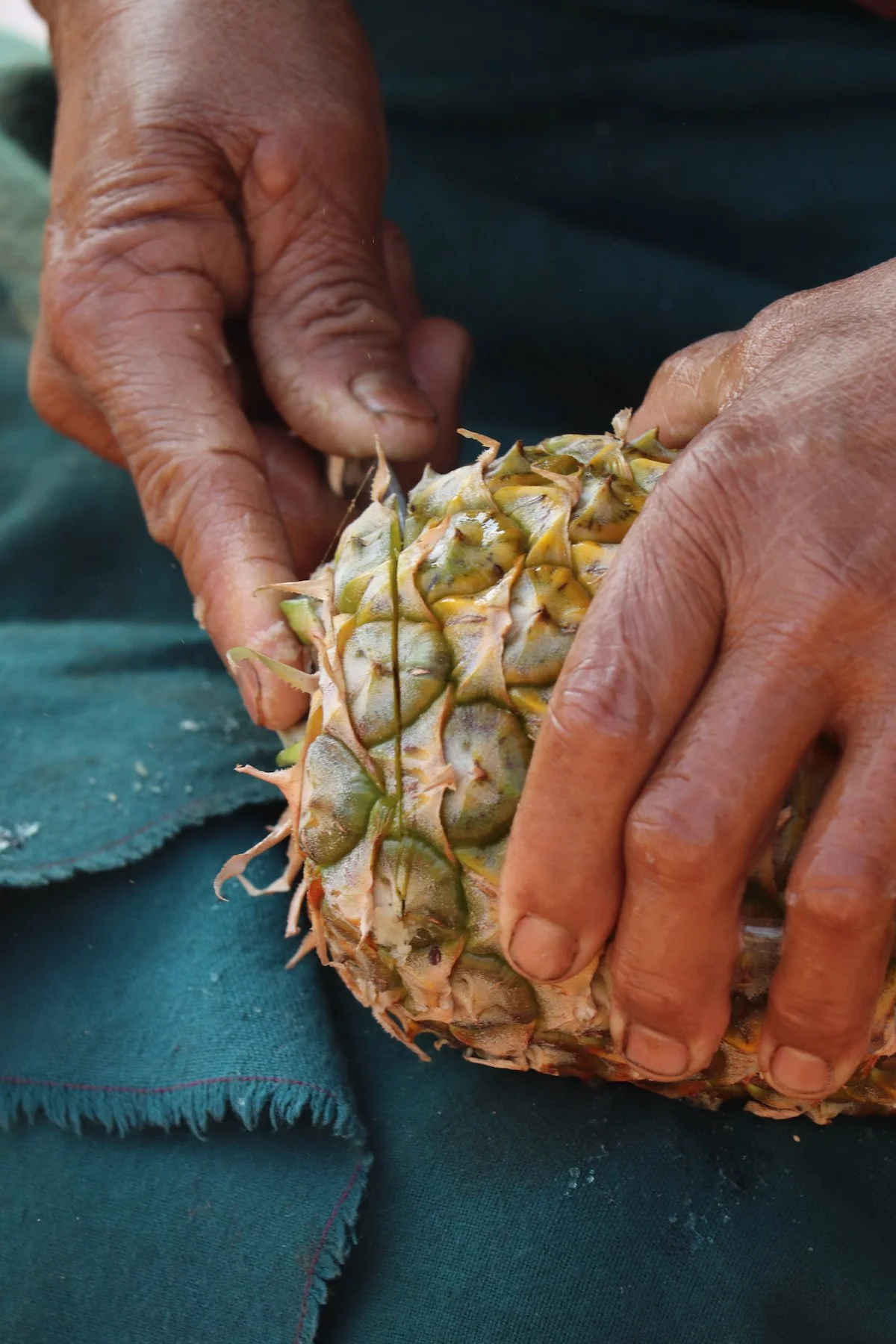
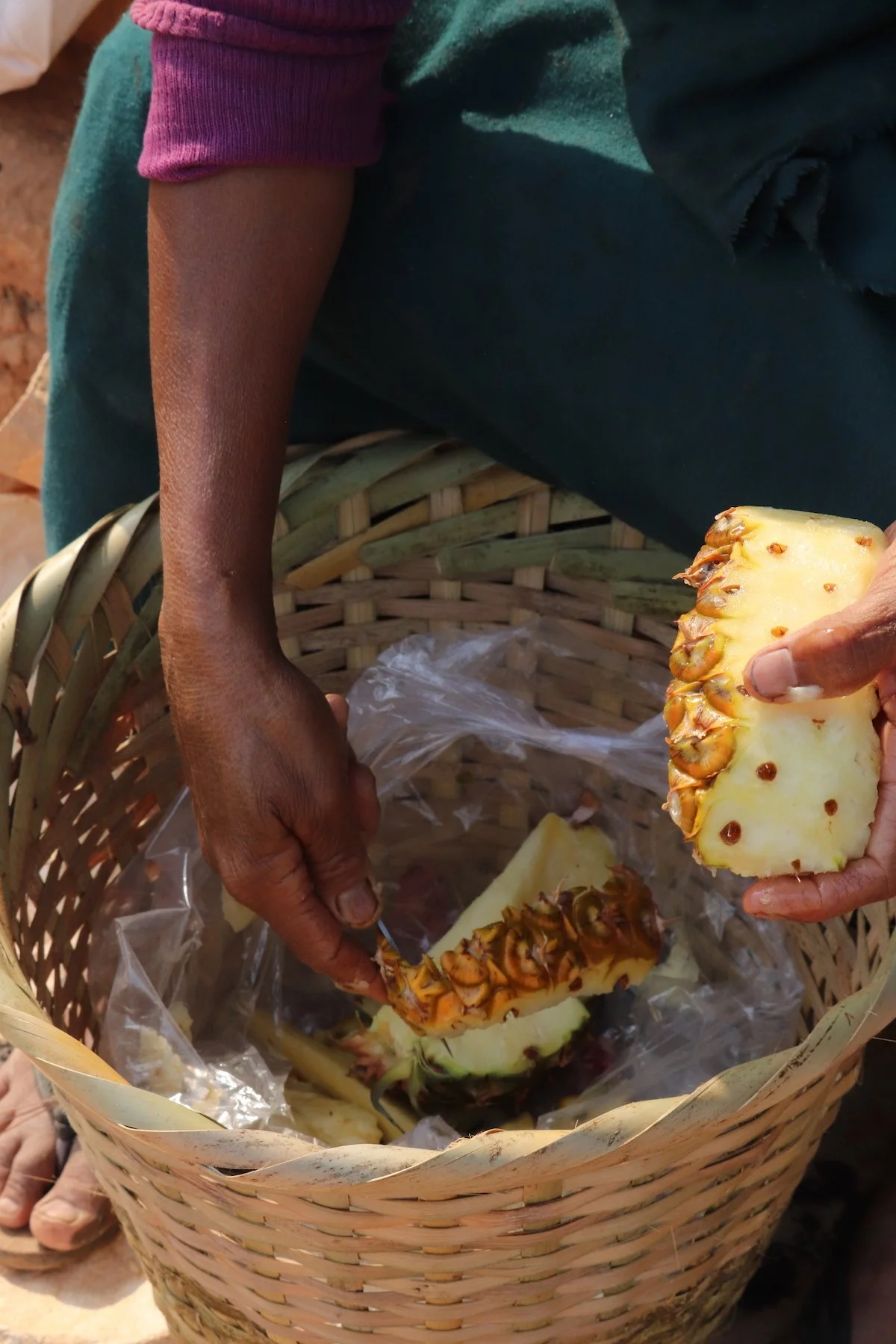
Imagine setting foot with us into one of these houses and being offered fresh slices of the famed Meghalaya pineapples, all farm-grown. The nature-loving traveller inside us was besotted quite effortlessly with the beauty of Shillong's lush greenery, covered with flowering trees, orchards, strawberry farms and grasslands.
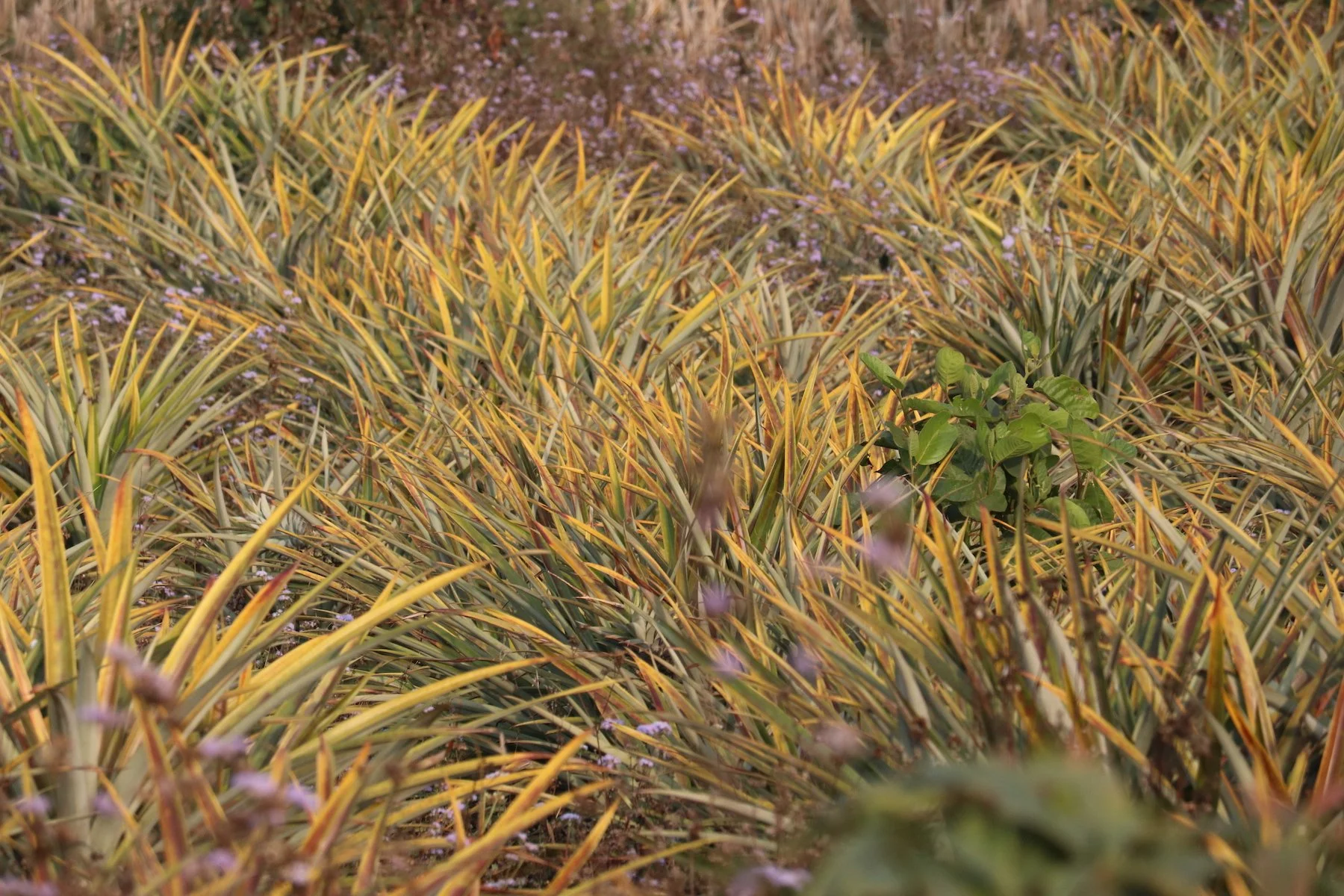
The landscape, dotted with numerous pineapple fields all the way to the horizon, thrills us. We see women carrying the harvested fruits in cane baskets on their backs. The sweet fragrance of pineapples percolates the air above us, emanating the textures of sun-soaked fields.
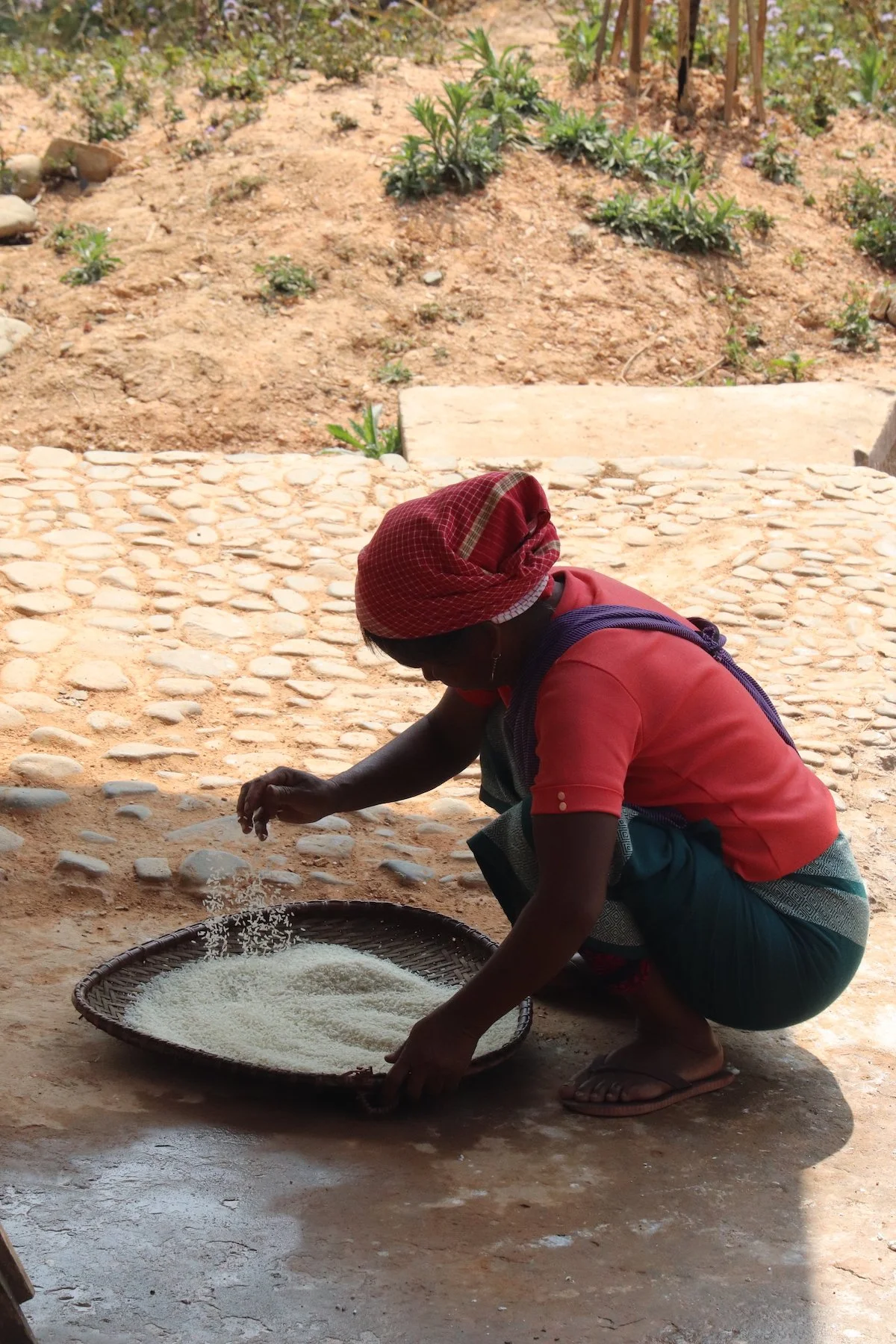
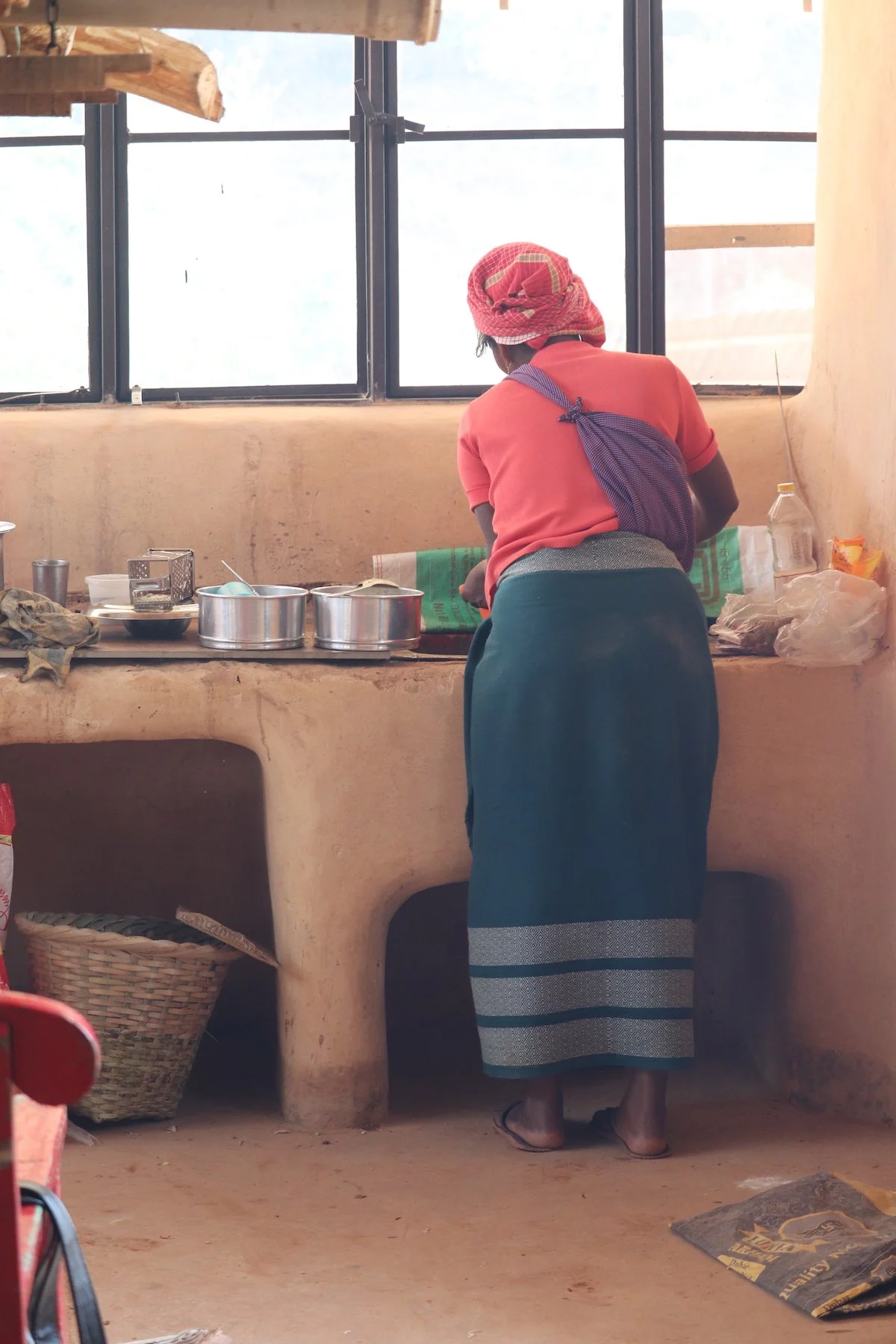
We visit an indigenous household and see the women hard at work. Wrapped in traditional attire, they peel fruits and vegetables while others set a pot on fire. We sit down on the mud floors and listen to the happy chatter of women and children. We taste the hill-born sunlight in some slices of pineapples while our feet soak in the cool touch of the mud floors.
Carousel of Colours
If you see the absolutely mesmerizing range of colours in Shillong, it will not surprise you that natural dyeing is such a common practice here. Yellow from the curcumin-rich locally grown turmeric, one of the best organic varieties in India. This region of Northeast India is well-known for its organic hill produce. There is also an abundance of yellow in the organic pineapple farms. There is no dearth of colours to borrow from and natural materials to create the colours with. Nature's colours splash over onto the lives and culture of Shillong.
Travel is all about a series of images you capture one after the other. They dot your memory long after the archives in your phone retire to oblivion. They are reborn when the sensory reminiscences of a particular moment revisit us inconspicuously someday. Our Meghalaya experience greeted us with colours. Colours soaked in smells and powdered with textures—Shillong is like a symposium of synesthesia.
Song of the Hills
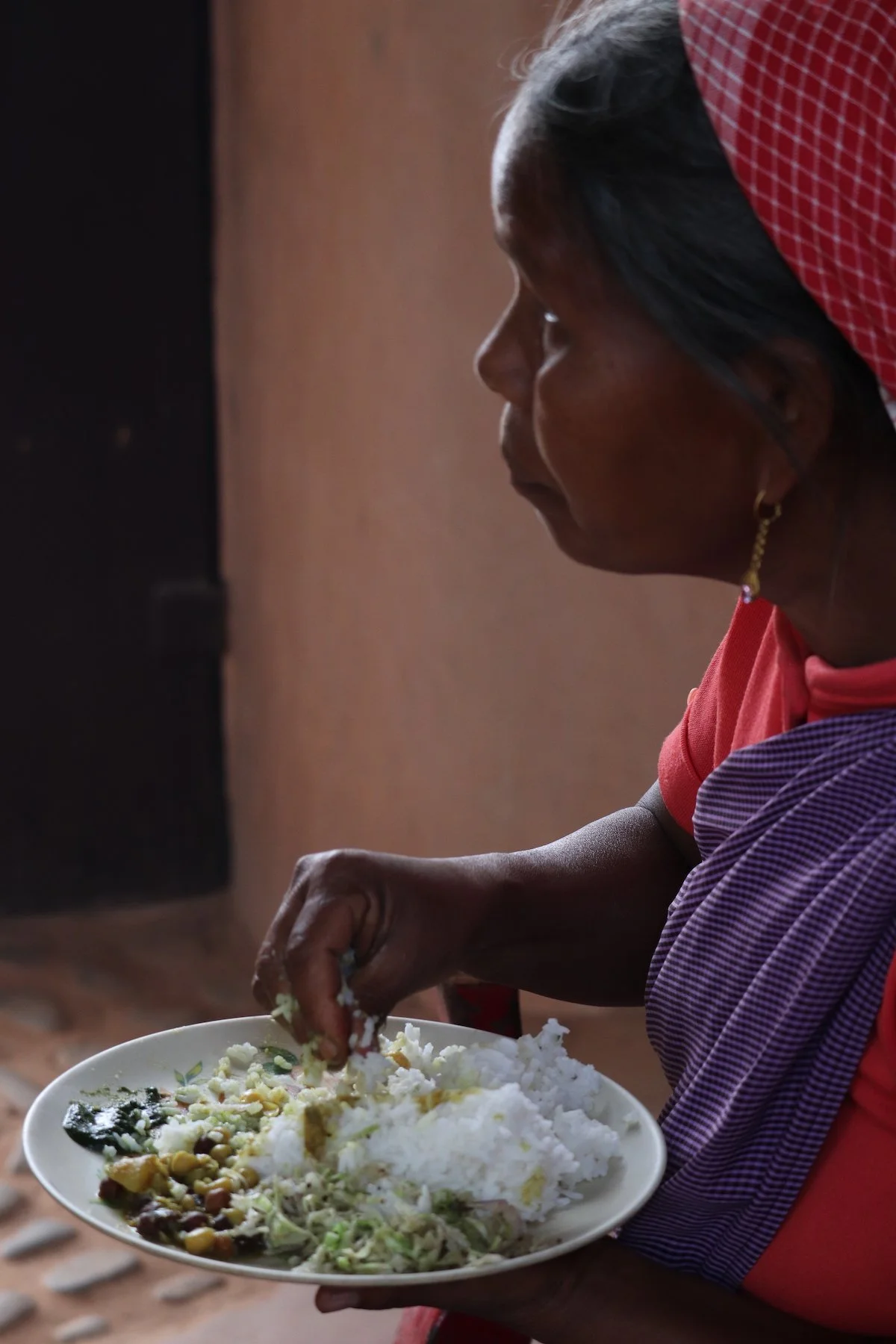
In Shillong, people’s songs echo through the hills and reverberate with a sense of togetherness. We were able to spend time with these women, as well as their families, to understand that they are a part of a way of life that is fast disappearing. Bonding over songs and dances, we could partake in their cooking and meals. The local produce, dominated by greens and unique herbs, lend the food, otherwise cooked without oil or spices, unique flavours.
We came across men who were carving flutes out of bamboo. Music nourishes their soul. There is no greater joy than witnessing the creative processes of everyday life, which bring together the material and the spiritual, transforming the lives of travellers like us. The desire to teleport these ephemeral joys overcomes us so we can keep them with us forever.
We are offered fragrant pancakes and sticky rice that brings us out of our reverie. The sound of an unknown tongue is like music to the ears. The rice is sweet and tastes like earth. Kong walks around doing chores and gives us toothy smiles as we relish the steaming pancakes. We do not share a language with the local people who have extended their hospitality and kindness to us, yet we manage to communicate non-verbally.
What a delight it is to watch a community at work! They tell stories of generations before who tended and nurtured with equal love and passion. They are the living symbols of histories and geographies. In the work of indigenous communities is the reflection of Meghalaya’s vibrant landscapes.