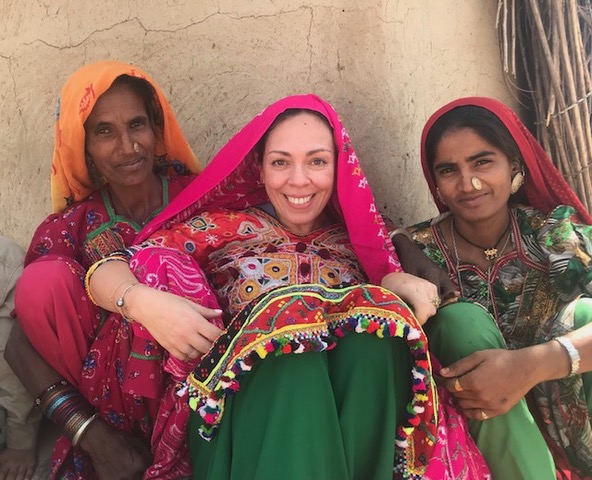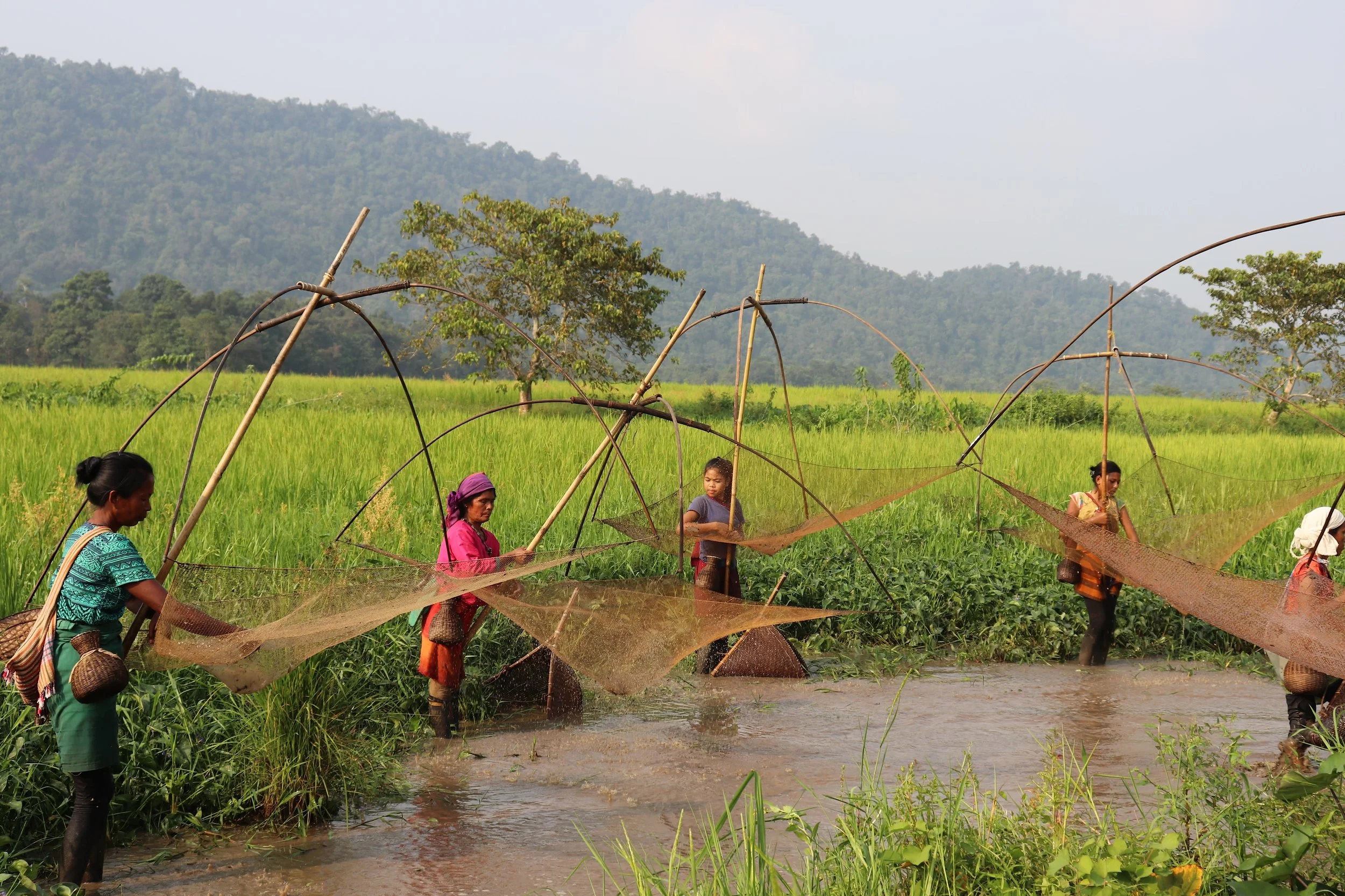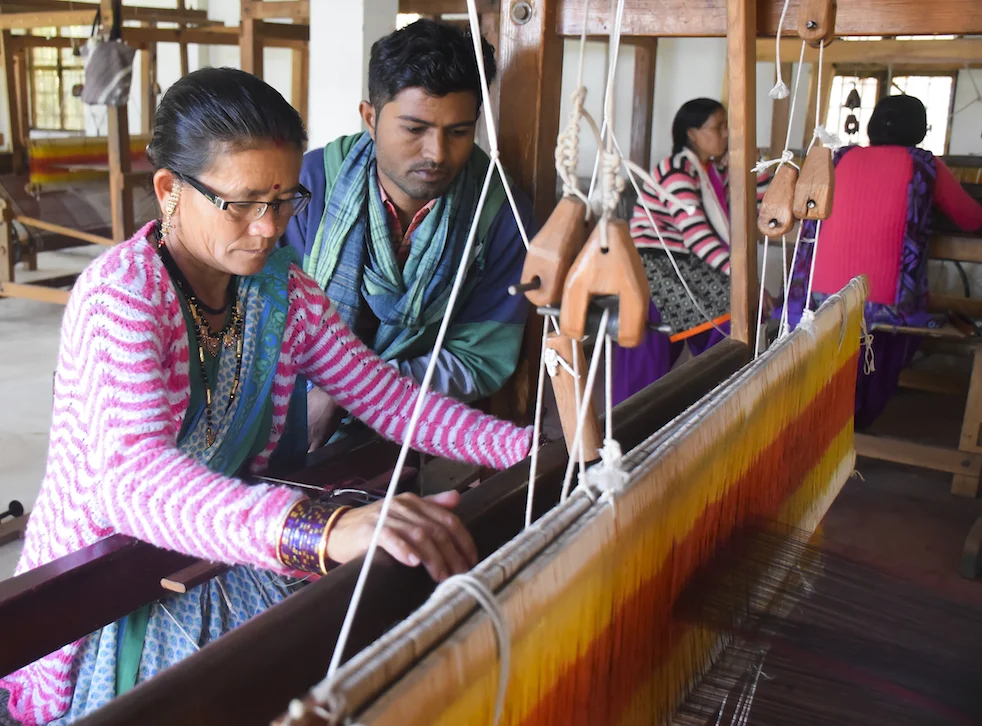
Là Fuori is a premium sustainable lifestyle brand born in New York in 2019, aiming at creating a community of "nomadic and creative hearts" committed to the enhancement, inclusion and safeguarding artisan cultures across the globe.
Read More
Là Fuori is a premium sustainable lifestyle brand born in New York in 2019, aiming at creating a community of "nomadic and creative hearts" committed to the enhancement, inclusion and safeguarding artisan cultures across the globe.
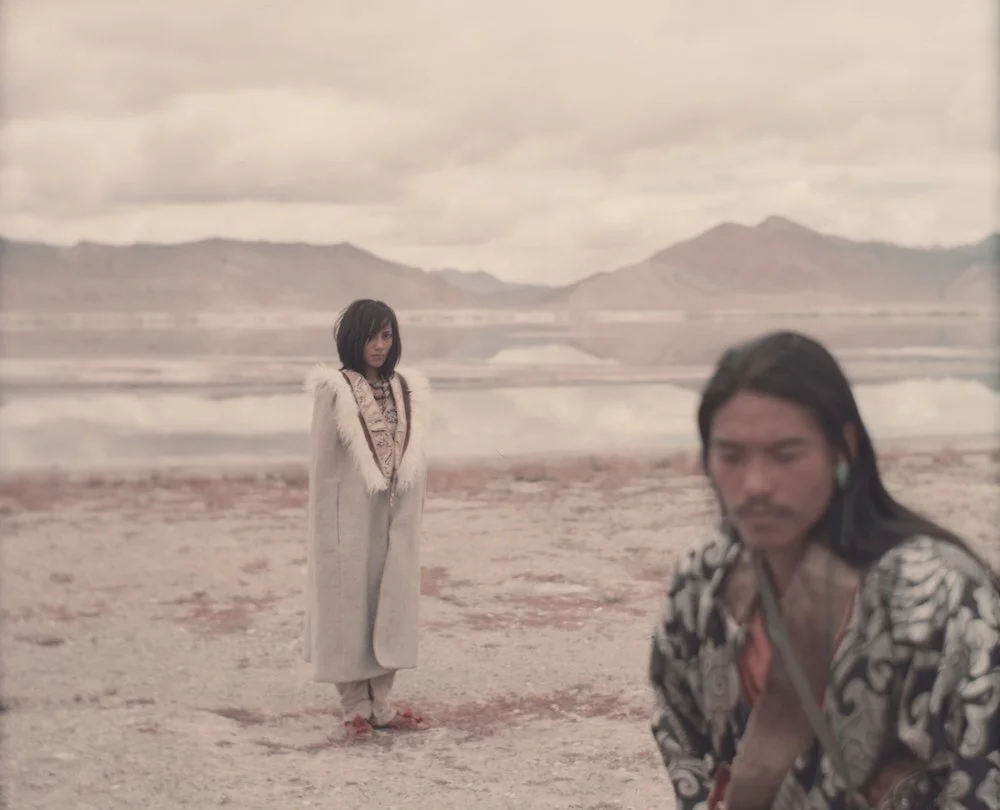
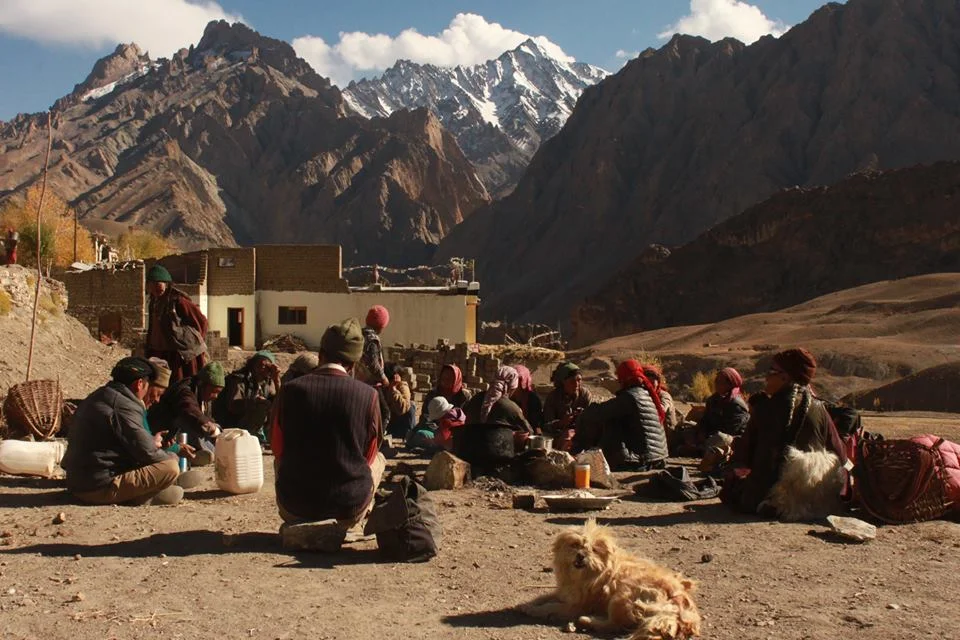
Read MoreThe beginning of an extraordinary story of a small ethical fashion brand starts with an objective to revive, preserve and promote the textile art, craft and traditional way of life in the remote mountains of Himalaya ‘Ladakh’. Jigmat duo set out to create an industry from local resources. Jigmat Couture was founded in 2010, following two years of research on possibilities of woollen textile in traditional weave as marketable product.
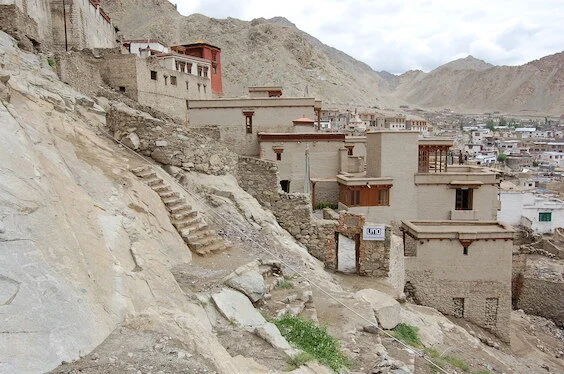
Read MoreThe LAMO, Ladakh Arts and Media Centre is located in the historical old town of Leh, below the 17th century Palace, and dates from the same period. It comprises of two houses – the Munshi House, home to the King’s secretary, and the Gyaoo House, home to court artists. Both homes were not inhabited, the former since 1984 and the latter for about 100 years.
Read MoreBerlin, the chic capital of Germany and vegan capital of Europe has something for all. With quaint cafes, independent designers and bookstores, and an underground music and art scene, Berlin could be a creative’s paradise. During my 3-month solo stay in Berlin, I stayed in four different neighbourhoods meeting different people each time, exploring subcultures that co-existed.
Read MoreAs every year, this September, the London Design Week invaded the city. From one corner to the other was possible to breathe design on its various forms and shapes. London has been the place for designers and makers from all over the world to show their work and raise their voice to open new discussions about what is happening around us. Year by year the Design Week gets bigger and bigger but it never loses the aim of showing the matters and challenges that design is facing in different corners of the world and globally.
Read MoreDesign and Craft collaborations at a micro-level has to lead to creating ecosystems that are dynamic and global, given birth to a luxury market and transparency in the supply chain
Read MoreJoanna Williams is a Creative Consultant from Los Angeles, who sources Textiles & Rarities from Around the World on her travels. She founded the Kneeland. co, a design concept studio and inspiration resource through which she works with leading design and interior brands on textile projects. We speak with her to understand her views on Indian textiles and it’s relevance in contemporary design culture.
Read MoreHandwork Studio operates at the intersection of craft, commerce, research and design, mobilizing high levels of skill and tradition to sustain local communities while recontextualizing traditional techniques within a contemporary design aesthetic.One of our most exciting collaborations is currently underway in Assam, India, where we are working with the innovative 7Weaves, a community and ecologically focused bioregional silk initiative.
Read MoreThe universe has thrived on geometricity silently since time immemorial. We humans are made of it. We live with it and live by it. Probably that is why we get drawn to its symmetry and asymmetry even in design, fashion, art and craft. However, in contemporary clothing, we lend this concept to mostly prints and silhouettes.
Read MoreAfter many years of studying craft traditions of Kutch, and then many years working with hand embroidery artisans, I decided to begin a design education program for artisans. I felt that a new direction was needed. Crafts were appreciated enough to commercialize them, and yet the process used was to bring professional designers to "intervene."
Read MoreMy move to Stockholm was an eye-opening step in my life and my professional journey. Even though I have had a keen interest in writing and interior design since my teenage years, the Scandinavian lifestyle made me experience design in a new way and question our relation to local crafts. In the Nordic countries, the design industry is recognised as a cultural value, and given a more conscious approach.
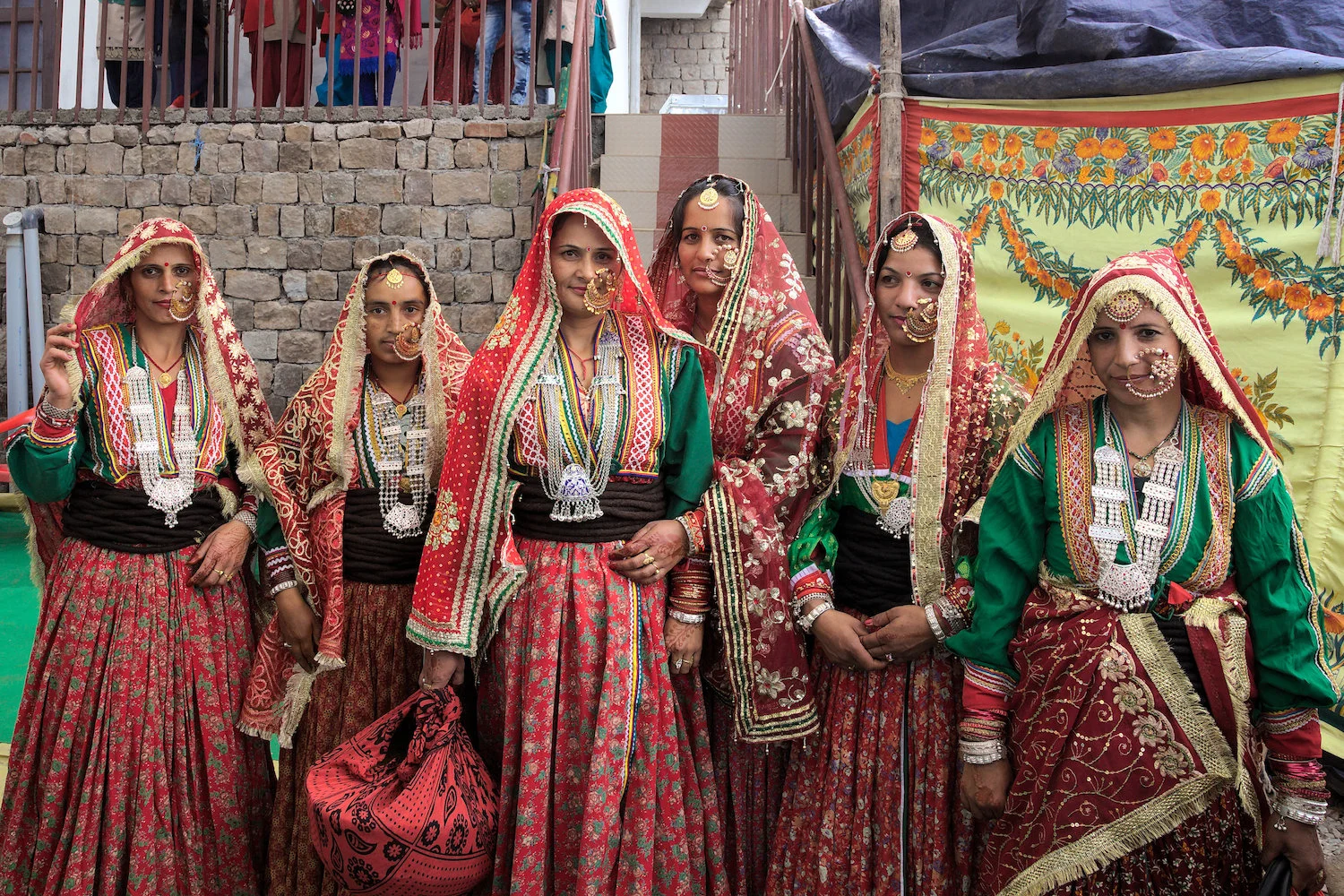
Read MoreThe Gaddini arrives at the wedding, moving her head slowly, so as to not disturb the splendid, golden nose-ring. Her mahindi-covered hand holds in place the red and gold chiffon, draped over her head. Her heavily pleated, floral skirt sweeps across the floor. Wrapped around, and around, her waist is a dora, a sheep-wool rope, the most distinguishing feature of the attire of the Gaddis.
Read MoreAn artisanal and ethical brand from Sydney, hopes to bridge the gap between artisanal work and fashion by combining cultural forms of silhouette and woven textile in single garments. Badaam was founded by creative director Priyanka Kaul in 2017. Badaam's thoughtful philosophy ensures ethical production of handwoven and natural fabrics in healthy work environments.
Read MoreMuch of the contemporary aesthetic as seen in our curated objects comes from the packaging of the objects rather than changing the designs that the artisans create. I’ve chosen materials and neutral color schemes that complement the works, not detract from them.
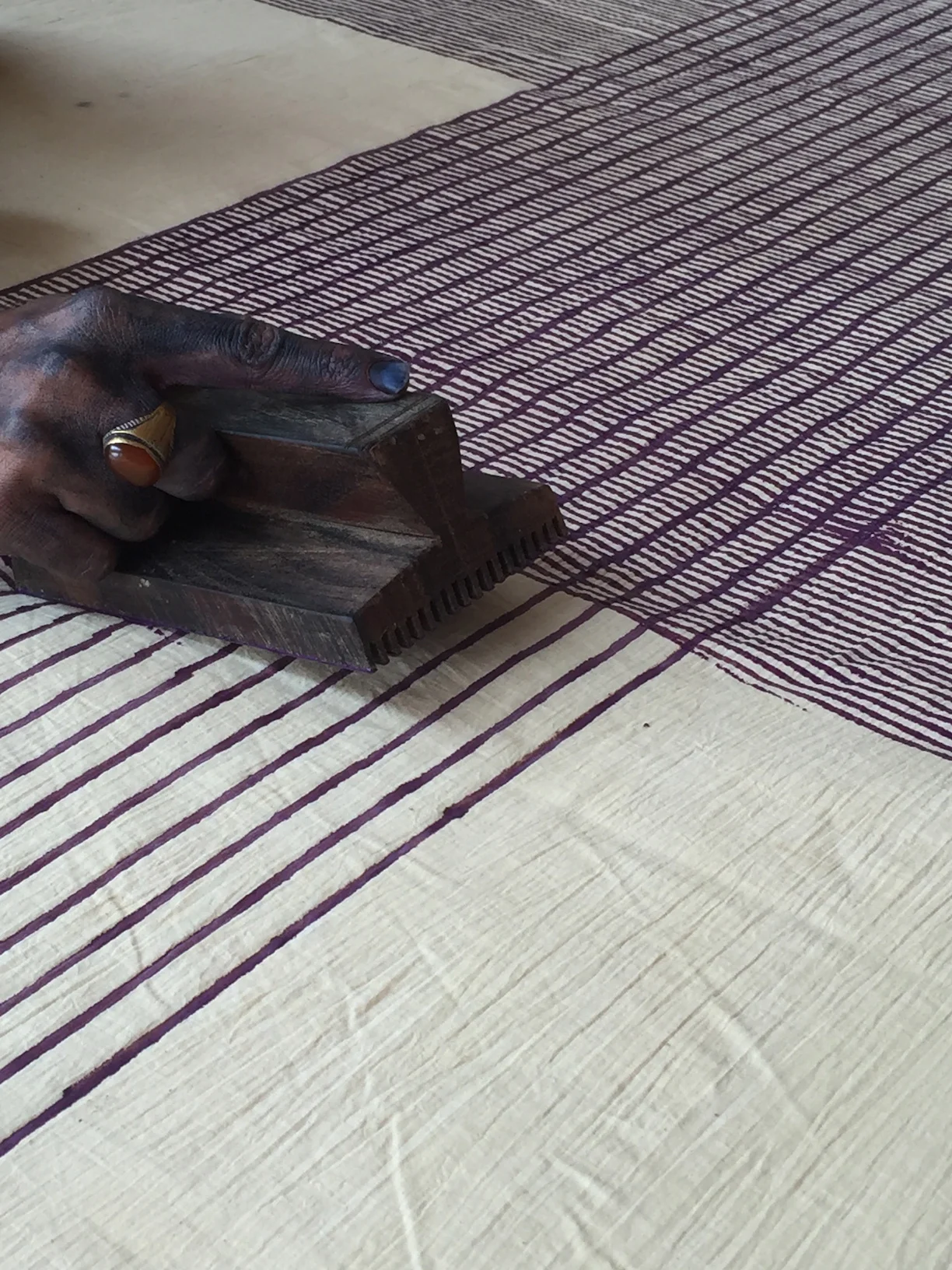
Read MoreOur passion for Indigo dyeing led us to communities in Sindh, Pakistan where this tradition can be traced back to the ancient Indus civilization, more than 5000 years ago. Today, Indigo dyeing is still practiced along the banks of the River Indus. Our explorations started with traditional Ajrak textile patterning methods.
Read MoreGujarat, our land, our Inspiration, our Muse! Vraj:bhoomi’s roots lie in Gujarat, a prosperous state with high spirits, dynamic society and cheerful celebrations, a state with its true colors of rich heritage and cultural traditions. There is so much that the state has to offer in terms of inspiration
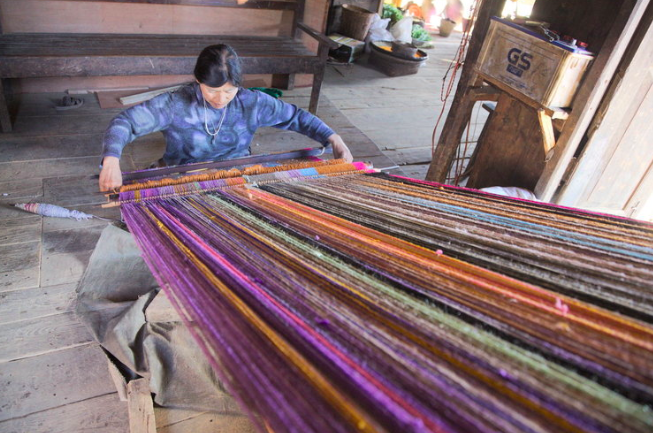
Read MoreRazel giggles as she pushes open another door of a wooden, stilted house. Behind the closed doors of Falam, one of the main towns in Myanmar’s remote Chin State, are dark rooms housing traditional back-strap weaving looms.
Read MoreIndia is an incredible place of diversity culturally, geographically, and artistically in terms of textiles. India has always been rich in resources for textiles and produced stunning results in this field globally for centuries now. India’s extensive history in techniques and the quality of hand done work that can be achieved are real strengths.
Read MoreTraditional wool processing techniques of ladakh are weaving and felting. Knitting was introduced by the Moravian(missionary) housewives in 1885. The ease of processing(portability, tools) and applications(socks, caps, sweaters etc.) made it popular in the region.
Read More